
3 Reasons Your Teeth Feel Loose After a Dental Deep Cleaning
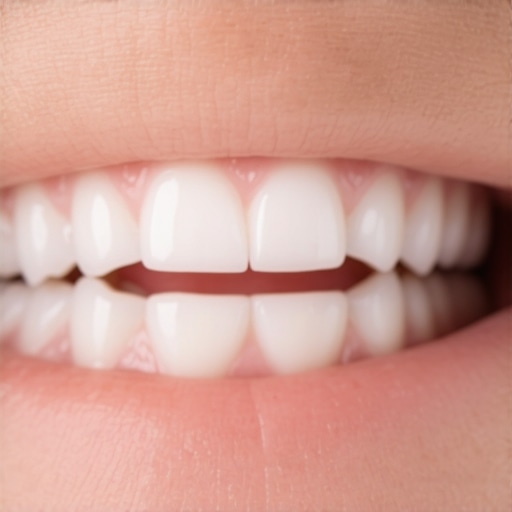
Imagine this: you’re sitting in the dental chair, eyes closed, expecting that fresh, squeaky-clean feeling after a routine deep cleaning. But instead, you leave with a strange sensation—your teeth feel a tad wobbly, almost like they might fall out. Yikes! It’s a moment of real panic, and I’ve been there myself. That unsettling feeling can make you question if something went wrong or if you should be worried about your oral health.
Understanding the Surprising Looseness After Deep Cleaning
After my first deep cleaning, I couldn’t shake the feeling that my teeth were looser than before, which was both confusing and alarming. It turns out, this sensation isn’t uncommon. Many people experience it temporarily, but the reasons behind it can be misunderstood—leading to unnecessary stress or even unnecessary dental visits. Today, I want to share what’s really happening and how you can tell if it’s a normal part of healing or something requiring professional attention.
Is Feeling Loose After Cleaning an Outrageous Myth?
I’ll admit, early on I made the mistake of ignoring this sensation, brushing it off as just normal. Turns out, that was a mistake. According to dental experts, some degree of tooth mobility can occur as a result of the cleaning process, especially if there was existing gum disease or plaque buildup that was just removed. This temporary looseness usually resolves within a few days as your gums and tissues recover. But skipping professional advice can lead to trouble if the sensation persists or worsens. If you want to learn more about how to maintain that fresh feeling without risking your smile, check out family dentistry tips.
Interestingly, studies show that signs of temporary tooth mobility are often mistaken for underlying issues, causing patients to panic unnecessarily. What I’ve learned is that understanding the root causes and proper care means everyone can approach this with confidence rather than fear. So, what’s really going on when your teeth feel loose after a deep cleaning? Well, let’s dive into that next.
Stop Worrying: Know What’s Normal
When teeth feel loose after a deep cleaning, the first step is to recognize that this sensation is often temporary. I recall a time when my teeth felt oddly wobbly after my initial deep cleaning; I learned through my dentist that this is common and part of the healing process. Understanding this sets the foundation for effective management.
Maintain Gentle Oral Care Routines
Use a Soft-Bristled Toothbrush
Switch to a soft-bristled toothbrush to reduce undue pressure on your gums and teeth. I replaced my sturdy brush with a softer one and gently brushed twice daily. This minimizes irritation and supports recovery.
Apply Light Pressure When Brushing
Favor gentle, circular motions instead of forceful back-and-forth strokes. During my routine, I consciously lightened my grip, which helped reduce discomfort and avoided aggravating the looseness.
Focus on Anti-Inflammatory Care
Rinse with Salt Water
Regular rinses with warm salt water promote healing. I made a simple solution—half a teaspoon of salt in a cup of warm water—and rinsed after meals. This reduced swelling and soothed my gums.
Use Topical Analgesics Carefully
Applying over-the-counter gels or gels prescribed by your dentist can numb sensitivity. I applied a small amount to my gums, which temporarily eased discomfort without damaging tissues.
Adjust Your Diet During Recovery
Opt for Soft, Nutrient-Rich Foods
Eat yogurt, smoothies, and mashed potatoes. I avoided hard foods that could jostle my teeth, leading to better comfort and quicker healing.
Avoid Sticky or Sugary Snacks
These can irritate healing tissues. I switched to bland, soft foods, noticing less soreness and less chance of disrupting healing tissues.
Monitor Progress and Know When to Seek Help
Keep track of your symptoms—if looseness persists beyond a week or worsens, consult your dentist promptly. For instance, I scheduled a check-up after ten days, discovering that my gums were healing well, avoiding unnecessary worry.
Understanding these steps—gentle care, diet adjustments, and vigilant monitoring—can empower you to manage tooth looseness after deep cleaning effectively. For further personalized advice, consider reaching out to your dental professional via contact us.
Many patients believe they fully understand cosmetic and family dental treatments, but in reality, several misconceptions persist beneath the surface. For example, a common myth around teeth whitening suggests that all whitening products deliver similar results. However, research indicates that professional treatments, such as custom whitening trays still outperform over store-bought options, especially for stubborn stains. This nuance is often overlooked, leading people to underestimate the value of professional care.
Another widespread misbelief concerns veneers, where many assume they are purely cosmetic and don’t impact oral health. In reality, the type of veneer material significantly influences longevity and tissue response. For instance, those unaware of the distinctions between porcelain and composite veneers risk choosing options that may cause gum irritation or require replacements sooner. Understanding these nuances can help you make informed decisions that extend your smile’s health.
When it comes to family dentistry, a common trap is neglecting the importance of addressing behavioral habits early. Many assume routine checkups suffice, but without proper guidance on preventive techniques for children, issues like misaligned teeth or early decay can go unnoticed. Educating parents on essential habits, such as proper brushing techniques and dietary considerations, is crucial—details often missed in typical visits. This is why exploring family dentistry tips that focus on holistic preventive care makes a vast difference.
Invisalign is frequently dismissed as just another clear aligner option, but many overlook its limitations and complexity. For example, some patients assume Invisalign can correct every orthodontic issue, but technically complex cases often require additional procedures, or alternative treatments. It’s also common for patients to underestimate the importance of wearing the aligners exactly as prescribed, which can compromise results. A deeper understanding of issues like tracking gaps or retention techniques—covered in Invisalign innovations—ensures more predictable outcomes.
A sophisticated concern among advanced patients involves the misconception that cosmetic interventions are purely superficial. But treatments like veneers or whitening can inadvertently cause gum recession or sensitivity if not properly managed. For example, pushing beyond the safe thresholds in whitening or neglecting to monitor veneer margins can lead to decay or tissue damage. These issues highlight the importance of expert supervision through every step of treatment.
To wrap up, the key to truly benefiting from modern dental procedures lies in understanding the subtleties and potential pitfalls. Avoid the trap of simplistic assumptions; instead, seek expert guidance that considers your unique anatomy and goals. If you’re unsure about your current dental treatments or considering new options, consult a professional to navigate the complexities confidently. Have you ever fallen into this trap? Let me know in the comments.
Maintaining a bright, healthy smile isn’t just about the initial treatment; it requires the right tools and strategies to keep your results stellar over time. As someone who’s navigated the ups and downs of dental aesthetics, I’ve found that investing in high-quality equipment and adopting proven methods makes all the difference. Today, I want to share my personal toolkit and insights into how you can maximize your long-term dental health.
Invest in a Sonic Electric Toothbrush for Daily Precision
I personally swear by a high-frequency sonic toothbrush—like the Philips Sonicare DiamondClean—as it provides superior plaque removal and gentle cleaning. The oscillating and pulsating actions reach beyond what manual brushing can achieve, helping maintain the integrity of veneers and whitening results. Regular use of a sonic brush ensures your enamel stays clean without excessive abrasion, which is vital for longevity.
Plus, many models now come with pressure sensors, alerting you if you’re brushing too hard, preventing gum recession or veneer damage. These devices are investments that pay off by reducing the need for frequent professional touch-ups or repairs.
Utilize Cloud-Based Smile Monitoring Apps
To stay on top of your dental progress, I recommend using apps that allow you to monitor changes over time. Tools like DentalMonitoring or even customized photo tracking help catch early signs of wear, gum recession, or discoloration before they become bigger issues. I personally take regular photos of my smile and compare them monthly—this proactive approach enables me to address minor concerns early, saving time and money.
Advances in AI-enabled dental apps are predicted to further customize at-home care routines, a trend that will likely become standard in the coming years. Staying engaged with your smile through technology empowers you to take control of your oral health journey.
Opt for Professional-Grade Whitening Trays
If maintaining a whiter smile is your goal, using custom whitening trays made by your dentist far surpasses over-the-counter kits. I trust lab-fabricated trays because they fit precisely, reducing contact with soft tissues and minimizing sensitivity. Pairing the trays with a dentist-approved whitening gel ensures consistent results and avoids common mishaps like uneven bleaching or chemical leaks—issues I’ve experienced with less careful products.
For ongoing results, regularly top off with low-concentration maintenance gels, which help sustain brightness without increasing sensitivity. This targeted approach keeps your smile looking fresh for years to come. For more details, check out my favorite whitening tips.
What’s Next? Preparing for Future Innovations
Looking ahead, I believe the integration of smart dental devices will revolutionize home care. Imagine toothbrushes that automatically track your brushing habits and suggest personalized improvements or even micro-robotic tools for in-home maintenance. Technologies like AI-powered diagnostics are expected to assist in early detection of decay or disease, making visits less invasive and more preventive.
Incorporating these tools into your routine now can set the stage for a future where maintaining your smile is easier, more effective, and less time-consuming. I recommend trying a sonic toothbrush combined with a tracking app—it’s a game-changer for me.
How do I sustain my dental results over the years?
Consistency is key. Regular professional check-ups, timely touch-ups with whitening or veneers, and diligent use of your toolkit keep your smile in top shape. Remember, a proactive approach isn’t just about aesthetics—it’s essential for overall oral health. For expert guidance tailored to your needs, don’t hesitate to reach out. Take charge today, and your future self will thank you for the radiant smile!
Small Lessons That Changed My Approach to Smile Makeovers
One of the toughest lessons I learned was that not all dental treatments are equal, and rushing into a procedure without understanding the nuances can lead to unexpected setbacks. For example, I once assumed that all veneers were made just as they sounded—simply cosmetic—until I discovered how material choice dramatically affects tissue health and longevity. Recognizing that gentle, personalized care yields better results was a game-changer for me.
Another lightbulb moment was realizing the importance of long-term maintenance over quick fixes. Early in my journey, I believed a single whitening session would last forever. Now, I appreciate the significance of tailored touch-up plans, like using custom whitening trays, to keep my smile vibrant year after year.
Lastly, I learned that effective communication with your dentist, asking questions about treatment options like Invisalign or veneers, avoids surprises. Building that relationship based on trust and knowledge has helped me avoid common pitfalls and backed my decisions with confidence.
Comments are closed.