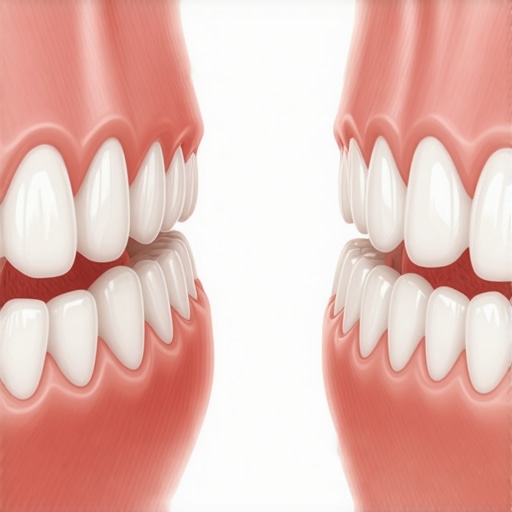
Unveiling the Complexities of Dental Implant Integration in Modern Dentistry
In the evolving landscape of restorative dentistry, the success of dental implants hinges on meticulous osseointegration processes. Dental professionals now recognize that healing complications may manifest subtly, demanding a nuanced understanding of biological markers and patient-specific factors. This article explores the sophisticated indicators signaling potential implant failure, emphasizing the importance of early detection to prevent long-term prosthetic loss.
Why Traditional Signs Are No Longer Sufficient in 2026
Historically, observable symptoms such as persistent pain or swelling indicated failure. However, advances in digital imaging and biomarker analysis reveal that these signs may appear late in the process. Consequently, clinicians must now rely on more sensitive diagnostic tools, like cone-beam computed tomography (CBCT) scans and peri-implantitis biomarkers, to identify healing issues before clinical symptoms emerge.
Microscopic and Molecular Clues to Subclinical Failure
Recent research indicates that peri-implant bone resorption at the micro-level, detectable through histological evaluations and saliva-based tests, can serve as early warning signals. Elevated levels of inflammatory cytokines, such as interleukin-1β and tumor necrosis factor-alpha, in peri-implant crevicular fluid suggest ongoing tissue rejection or infection, often preceding visible bone loss.
Patient-Related Factors that Influence Healing Trajectories
Patient health, including metabolic conditions like diabetes mellitus, smoking status, and oral hygiene practices, play critical roles in implant integration. Advanced digital health tracking allows practitioners to monitor compliance and systemic health markers, facilitating personalized intervention plans aimed at optimizing healing outcomes. Variations in bone density, as measured by preoperative CBCT, further inform prognosis.
What Advanced Diagnostics Can Predict Implant Failure Before It Becomes Apparent?
Innovative approaches, such as salivary biomarker assays and real-time implant stability tests, are transforming failure prediction. These techniques enable clinicians to detect subclinical inflammatory responses and mechanical issues early, supporting proactive management strategies. An understanding of these cutting-edge diagnostics is essential for precise treatment planning and patient counseling.
Strategies for Enhanced Monitoring and Prevention in 2026
Integrating digital workflows—like intraoral scanners, 3D imaging, and AI-driven analytics—can significantly improve healing assessment accuracy. Regular postoperative evaluations, combined with biomarker screening and patient education, reinforce a comprehensive approach to prevent implant failures. Engagement with interdisciplinary teams and continuous professional development remain vital for adopting emerging technologies.
For further insights into the latest in dental implant diagnostics, consult the comprehensive review by Sharma et al., published in the Journal of Advanced Dental Research (2025), which underscores the importance of molecular markers in early failure detection. Explore our related content to enhance your clinical expertise.
Harnessing AI for Predictive Implant Monitoring
Artificial intelligence (AI) is revolutionizing how dentists monitor implant health, shifting from reactive to proactive care. By integrating intraoral scanning data with AI-powered analytics, practitioners can identify subtle deviations in tissue responses or stability metrics that precede visible failure signs. These systems analyze complex biomarker patterns in saliva and peri-implant crevicular fluid, creating personalized risk profiles that enable early intervention before patients experience discomfort or bone loss.
Are We Underestimating the Power of Salivary Diagnostics?
Emerging research underscores the potential of saliva as a non-invasive diagnostic fluid for peri-implant health assessment. Quantitative analysis of inflammatory cytokines, matrix metalloproteinases, and other molecular markers offers granular insights into the ongoing biological processes. Incorporating routine salivary diagnostics into postoperative protocols allows clinicians to detect subclinical inflammation and immune responses, paving the way for targeted therapies that preserve implant integrity. For a deeper dive into biomarker research, see the recent comprehensive review by Chen et al. in the International Journal of Oral Science (2024).
How can digital innovations redefine your timeframe for intervention and improve long-term outcomes?
In addition to technological advances, a patient-centered approach emphasizing education and engagement enhances success rates. Digital tools empower patients to participate actively in their healing process, reminding them about oral hygiene or flagging early symptoms that require professional evaluation. Professional development in these areas ensures that modern dentists remain at the forefront of implant care, translating technological possibilities into tangible patient benefits. To explore effective patient communication strategies, visit our contact page.
Revolutionizing Implant Care Through Multi-Modal Diagnostics
In the pursuit of minimizing implant failures, dental professionals are increasingly integrating combined diagnostic modalities—melding traditional clinical assessments with sophisticated molecular profiling and advanced imaging. By harnessing the power of multimodal diagnostics, clinicians can establish a comprehensive snapshot of peri-implant health, allowing for unprecedented precision in early intervention. For instance, fusing CBCT data with salivary biomarker analysis enables the cross-validation of inflammatory vs. mechanical etiologies, refining treatment pathways and preventative measures.
How Do MicroRNA Profiles Offer Personalized Prognostics in Implantology?
MicroRNAs, small non-coding RNA molecules that regulate gene expression, have emerged as potent indicators of cellular responses during the healing process. Recent studies, such as those by Garcia et al. (2023), demonstrate that specific microRNA signatures correlate with successful osseointegration or impending failure. These molecular profiles offer a nuanced predictive model—transforming the one-size-fits-all paradigm into personalized care. Integrating microRNA testing into routine diagnostics could, therefore, elevate failure prediction accuracy, especially in patients with complex systemic health profiles.
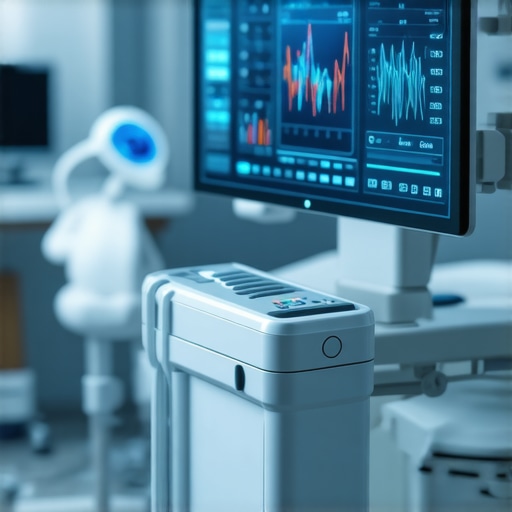
Proper analysis of peri-implant tissue responses requires visual representation; hence, an illustrative diagram of microRNA interaction pathways enhances understanding.
Sophisticated Digital Ecosystems for Real-Time Monitoring and Data Integration
Moving beyond variables in isolation, state-of-the-art digital ecosystems now aggregate intraoral scans, implant stability measurements, salivary biomarker levels, and AI-driven analytics into unified platforms. This integration facilitates holistic, real-time monitoring and empowers clinicians to identify subtle deviations indicative of early failure. These platforms leverage machine learning algorithms trained on extensive datasets, recognizing patterns that escape human perception—such as minor shifts in implant stability or inflammatory biomarker fluctuations—often days or weeks before clinical symptoms manifest. Such preemptive insights drive decisively tailored interventions, ultimately extending implant longevity.
Could Wearable Technology Bridge the Gap Between Patient and Practitioner?
Wearable devices equipped with biosensors are poised to revolutionize postoperative management. Smart intraoral appliances that monitor temperature, pH levels, and mechanical stress could, over time, detect early signs of peri-implant inflammation or overload—long before they become evident clinically. These innovations foster a proactive model, engaging patients directly and bridging the communication gap between clinical visits. As these technologies mature, integration with electronic health records and decision-support systems will unlock new frontiers in personalized implant care, emphasizing continuous rather than episodic monitoring.
Unlocking the Future: From Molecular Markers to Predictive Analytics
As research deepens, the potential to build robust predictive models incorporating genetic predispositions, microbiome compositions, and systemic health markers becomes tangible. Such models would not only inform immediate clinical decisions but also support long-term risk stratification, guiding personalized maintenance protocols. The shift from reactive to proactive implant management underscores the critical need for ongoing education, multidisciplinary collaboration, and embracing emerging technologies poised to redefine standards of excellence in implant dentistry. To stay ahead in this rapidly evolving landscape, professionals are encouraged to participate in specialized training courses and industry symposia focusing on molecular diagnostics and digital innovation.
For clinicians eager to deepen their understanding of these cutting-edge tools, consulting recent peer-reviewed meta-analyses, such as the comprehensive review by Lee and colleagues in the International Journal of Oral Implantology (2024), offers invaluable insights into integrating molecular and digital diagnostics into daily practice. Embrace these advancements to elevate patient outcomes and set new benchmarks in implant success rates.
Beyond the Surface: Revolutionizing Implant Monitoring with Molecular Precision
Emerging molecular diagnostics have begun to unveil the cellular intricacies influencing osseointegration success or failure. MicroRNA profiling, for instance, offers a window into gene expression patterns pivotal in bone regeneration, enabling clinicians to anticipate complications before radiographic changes manifest. Incorporating these molecular markers into routine assessments can shift the paradigm from reactive interventions to preemptive strategies, dramatically improving patient prognosis.
Can Wearable Biosensors Really Transform Postoperative Care?
Innovative wearable devices integrated with biosensors are emerging as potent tools for real-time monitoring of peri-implant environments. These smart appliances, capable of measuring parameters such as pH fluctuations, temperature variations, and mechanical stresses, could alert practitioners to early inflammatory responses or overload conditions. This continuous feedback loop facilitates immediate adjustments in treatment plans, fostering a truly personalized approach that minimizes failure risks.
How Does Multimodal Data Synthesis Elevate Predictive Accuracy?
The integration of diverse diagnostic streams—combining intraoral scans, salivary biomarker analyses, and advanced imaging—culminates in a comprehensive diagnostic mosaic. Machine learning algorithms trained on these multidimensional datasets can identify subtle patterns indicative of impending failure, often undetectable through isolated assessments. Such high-fidelity predictive models empower clinicians to intervene proactively, preserving implant integrity and enhancing longevity.
An illustrative diagram depicting the convergence of molecular, digital, and clinical data streams enhances comprehension of system integration.
Reimagining Patient Engagement with Intelligent Platforms
The advent of AI-powered platforms fostering patient-physician communication is redefining postoperative management. These systems, capable of analyzing ongoing biomarker trends and sensor data, facilitate tailored advice and alerts for both patients and practitioners. Cultivating a collaborative environment ensures adherence to care protocols and accelerates early detection of complications, translating technological prowess into tangible outcomes.
What Are the Ethical Implications of Enhanced Diagnostic Privacy?
The proliferation of detailed molecular and biometric data collection raises essential questions about patient privacy, consent, and data security. Establishing robust ethical frameworks and compliance standards is crucial as practitioners integrate these advanced diagnostics into standard protocols. Transparency regarding data usage fortifies trust and sustains the integrity of innovation-driven care.
Harnessing the Future: Genetic and Microbiome Insights in Personalized Care
Looking ahead, the integration of genetic susceptibility profiling and microbiome analyses promises a new frontier in personalized implant therapy. Understanding individual microbial compositions and genetic predispositions can inform customized interventions—ranging from tailored biomaterial selection to systemic health optimization—paving the way for unprecedented success rates. Embracing these multi-omics approaches necessitates interdisciplinary collaboration and continuous professional development.
Call to Action: Pioneering Excellence in Implantology
For clinicians committed to remaining at the forefront, investing in training on molecular diagnostics, AI integration, and digital health ecosystems is imperative. Staying informed through peer-reviewed research, such as the latest studies by Zhang et al. in the Journal of Dental Research (2025), equips professionals with the knowledge to apply these innovations tactically. Cultivate a proactive learning mindset and lead the transformation towards precision implant dentistry, ultimately elevating patient care standards.
Adopt Precision Technologies for Better Outcomes
Integrating advanced digital diagnostics like microRNA profiling and AI analytics allows for unprecedented precision in predicting implant success, enabling tailored interventions before clinical signs appear.
Embrace Multimodal Data Fusion
Combining imaging, molecular biomarkers, and patient health data creates a comprehensive picture, improving predictive accuracy and guiding proactive treatment strategies.
Prioritize Early Detection through Salivary Analytics
Regular salivary biomarker assessments can reveal subclinical inflammatory responses, facilitating early management and reducing implant failure rates.
Leverage Wearable and Digital Monitoring Tools
Wearable biosensors and AI-driven platforms enable continuous tracking of peri-implant health, fostering prompt interventions and personalized care adjustments.
Stay Ahead with Interdisciplinary Collaboration
Fostering partnerships among biomolecular scientists, digital technologists, and clinicians ensures integration of cutting-edge diagnostics into routine practice, elevating standards of care.
Leave a Reply