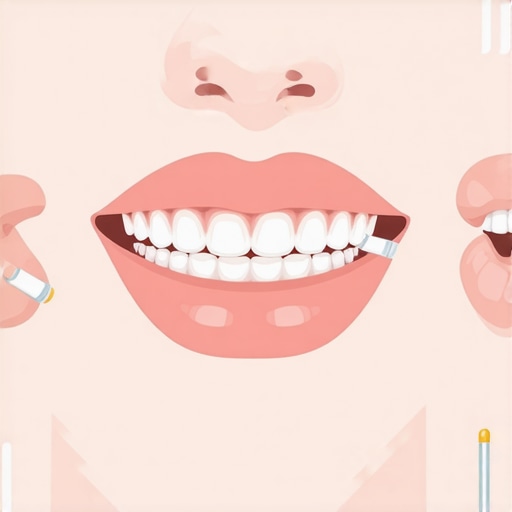
Counterproductive Habits That Undermine Professional Teeth Whitening in 2026
In the realm of cosmetic dentistry, achieving a radiant smile through professional teeth whitening procedures has become a paramount goal for many patients. However, certain everyday habits can substantially diminish the longevity and effectiveness of whitening results, rendering your investment less impactful. As experts in dental aesthetics and restorative treatments, understanding these destructive behaviors is crucial for practitioners intent on optimal patient outcomes.
Impact of Dietary Choices on Whitening Durability
Perculiar to recent advancements in dental health sciences, diet plays a significant role in maintaining the brightness achieved via whitening treatments. Consuming staining foods like coffee, red wine, and dark berries immediately post-treatment can negate the results. Moreover, habitual intake of acidic beverages accelerates enamel erosion, undermining the whiteness over time. Educating patients on strategic dietary modifications is essential for preserving their luminous smiles in the long term.
Inadequate Oral Hygiene: A Stealthy Contributor to Discoloration
Despite the efficacy of professional whitening, neglecting routine oral hygiene fosters plaque accumulation and stain re-adsorption. Experts emphasize that brushing twice daily with fluoride toothpaste, coupled with flossing and periodic dental cleanings, sustains the aesthetic benefits. Neglect here is more than superficial; it affects the enamel surface’s capacity to resist staining agents, thus gradually worsening the shade.
The Role of Tobacco and Smoking
Research indicates that tobacco use remains a principal factor in staining and discoloration. Nicotine and tar in cigarettes penetrate the enamel, creating stubborn stains that compromise even the most advanced whitening modalities. A comprehensive patient consultation should include discussions about smoking cessation, especially considering the diminishing returns of whitening treatments in chronic smokers.
How Do Habits Influence the Lasting Power of Veneers and Tooth Whitening? An Expert Perspective
What innovations in material science can mitigate lifestyle-related coloring effects, and how can practitioners adapt treatment plans accordingly?
Emerging research in dental materials, such as nanocomposite veneers with enhanced stain resistance, offers promising avenues. These innovations can serve as adjuncts or alternatives when patients maintain less-than-ideal habits. Moreover, customized maintenance protocols and the integration of at-home whitening touch-ups can extend results significantly.
For enhanced insights into maintaining dental aesthetics, explore teeth whitening secrets for 2025. Additionally, ongoing professional education remains vital; dentists should stay current with white paper publications and clinical studies published in journals such as the Journal of the American Dental Association.
Encourage discussions within professional circles or webinars about innovative strategies to combat lifestyle factors that impede whitening longevity, fostering continuous patient success and reputation as a cutting-edge practitioner.
Leveraging Cutting-Edge Materials to Combat Staining and Wear
Recent breakthroughs in dental material science offer practitioners a toolkit to extend the lifespan of veneers and whitening results amidst challenging lifestyle factors. Nanocomposite veneers, for instance, possess superior stain resistance and durability compared to traditional options, providing patients with a more resilient smile image. Incorporating these materials into treatment plans can significantly reduce the frequency of touch-up procedures, aligning with patient desires for long-lasting aesthetics.
Personalized Maintenance Protocols: The Key to Sustained Radiance
Understanding that each patient’s habits and oral environment are unique, practitioners are now adopting bespoke maintenance routines. These may include tailored at-home whitening regimens, specialized polishing schedules, and dietary counseling emphasizing stain-avoidance. By educating patients on alternative, less staining foods and beverages, clinicians empower them to actively participate in maintaining their results. Scheduled professional cleanings reinforce these efforts, sealing the partnership between dentist and patient for optimal outcomes.
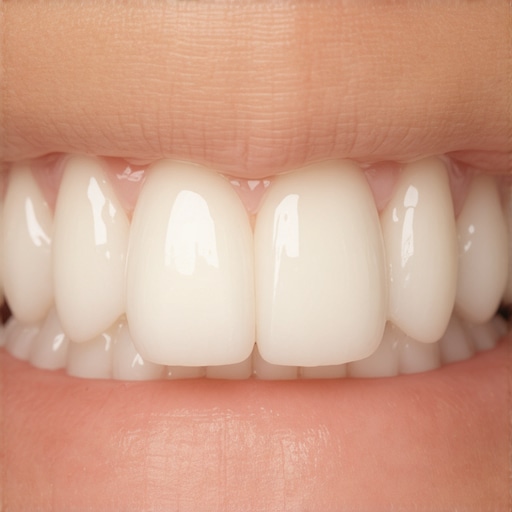
Rethinking Restorative Choices in Light of Behavioral Factors
Considering the influence of lifestyle habits on long-term aesthetic success, it’s essential to evaluate when more comprehensive restorations might be appropriate. For patients with persistent staining tendencies or habits that compromise whitening, options like full crowns or minimally-invasive veneers with advanced stain-resistant coatings may be advisable. This strategic approach ensures durability and aesthetic harmony, especially for individuals unable to modify their habits comprehensively.
Can Technological Advances Fully Offset Lifestyle Risks to Dental Aesthetics?
What emerging innovations in dental technology and materials can compensate for, or even neutralize, the adverse effects of common habits like smoking or dietary staining?
Strategic integration of digital dentistry and smart materials, such as bioactive, color-adaptive composites, is paving the way for more adaptive aesthetic solutions. These materials can actively respond to environmental changes, helping maintain a consistent appearance despite external stressors. Furthermore, ongoing research into regenerative materials that reinforce enamel resilience offers promising avenues. Staying informed about these developments is crucial; a comprehensive review of current research, such as the comprehensive studies published in the Journal of Dental Research, can guide clinicians towards evidence-based choices.
For practical guidance on implementing these innovations, consider exploring veeners and aesthetic treatments for 2025. Continuous professional development through webinars and conferences remains essential to keep pace with technological advancements and evolving patient expectations.
Pushing Beyond Conventional Materials to Overcome Lifestyle Challenges
As dental professionals, we recognize that patient habits often impose significant limitations on the longevity of whitening results. The advent of next-generation stain-resistant materials, particularly nano-engineered composites, has opened pathways to mitigate these barriers. By integrating bioactive and color-adaptive materials into restorative procedures, clinicians can proactively address pigment infiltration, even in patients with less controllable behaviors. Such innovations not only extend aesthetic outcomes but also reduce the frequency of touch-up procedures. Understanding the biochemistry behind these materials—like their capacity to repel staining agents or release remineralizing ions—gives practitioners a strategic edge in customizing comprehensive treatment plans.
Why Do Some Patients Experience Rapid Discoloration Despite Good Habits?
This question probes the complex interplay between genetic predispositions, microbiome variations, and enamel porosity. Recent research in genomics suggests certain individuals possess inherently porous enamel structures, facilitating deeper pigment absorption and accelerating discoloration. Moreover, the oral microbiome influences acid production and biofilm formation, which can modulate stain retention. The implications are profound: personalization of whitening protocols—and maintenance—must go beyond behavioral counseling to include diagnostic assessments of enamel resilience and microbiome profiles. Integrating salivary diagnostics and genetic testing into routine dental care could revolutionize preventive strategies tailored for high-risk individuals.
How can practitioners leverage advanced diagnostics to predict whitening maintenance challenges?
The deployment of chairside technologies like optical coherence tomography (OCT) and fluorescence spectroscopy enables real-time evaluation of enamel integrity and stain susceptibility. For instance, OCT imaging can detect subsurface porosity indicative of future discoloration trends, informing proactive interventions. Incorporating these assessments into patient consultations empowers clinicians to craft individualized maintenance regimens—such as specialized remineralization treatments or modified dietary recommendations—to preempt rapid relapse. Staying abreast of these diagnostic advances and understanding their interpretation is vital for clinicians aiming to sustain high aesthetic standards in their practice.
Furthermore, considering environmental and systemic factors—like fluoride exposure levels, xerostomia prevalence, or dietary acids—enables a holistic approach. Collaboration with primary care providers to optimize these factors enhances the durability of whitening effects. For ongoing guidance, engage with peer-reviewed publications such as the Journal of the American Dental Association which continuously publish cutting-edge research on predictive diagnostics and personalized dental care.
In the next segment, we will explore how emerging regenerative strategies and patient education frameworks can recalibrate expectations and outcomes for aesthetic dentistry in a landscape increasingly influenced by behavioral science and material innovation.
Incorporating Nanotechnology for Unparalleled Stain Resistance in Dental Restoratives
Recent breakthroughs in nanotechnology are revolutionizing the landscape of cosmetic dentistry, particularly through the development of nanocomposite materials with enhanced stain resistance. These materials exhibit superior integration with enamel and dentin, creating a seamless and durable aesthetic result. Dental practitioners leveraging nanotechnology can craft restorations that resist pigmentation from habitual stain agents, such as coffee or tobacco, thereby extending the longevity of whitening treatments and veneers. The microscopic scale of these particles facilitates better bonding, translucency, and surface smoothness, which collectively diminish plaque retention and bioreceptivity to staining.
What Innovative Diagnostic Modalities Enable Preemptive Customization of Whitening Protocols?
Advancements in diagnostic tools like quantitative light-induced fluorescence (QLF) and optical coherence tomography (OCT) are now integral for assessing enamel porosity and subsurface staining potential. By identifying early signs of enamel demineralization or micro-porosity, clinicians can tailor whitening and restorative strategies proactively. These diagnostics allow for predictive modeling of treatment longevity, thereby enabling personalized maintenance schedules that mitigate the risk of rapid discoloration. Integrating such cutting-edge assessments into routine examinations elevates practice standards and aligns treatment planning with individual biological resilience.
How can clinicians utilize these diagnostics to refine patient-specific maintenance regimens?
Combining diagnostic outputs with patient history facilitates the creation of bespoke protocols, including targeted remineralization treatments, dietary adjustments, and bespoke whitening touch-up schedules. For example, a patient exhibiting high enamel porosity may benefit from sealant application prior to whitening, coupled with advanced at-home whitening systems that contain lower peroxide concentrations to reduce sensitivity and safeguard enamel integrity. Emphasizing preventive measures rooted in precise diagnostics fosters sustained aesthetic satisfaction and minimizes retreatment frequency.
Harnessing Enamel-Revitalizing Technologies to Counteract Lifestyle-Induced Damage
The adoption of bioactive restorative materials capable of releasing remineralizing ions, such as calcium and phosphate, marks a transformative development in combating lifestyle-related enamel erosion. Products like bioactive glass composites or mineralizing liners not only reinforce enamel but also create a hostile environment for stain infiltration. These materials actively participate in forming fluoroapatite, thereby enhancing resistance against acids and pigmented agents—a crucial benefit for patients with suboptimal habits. Integration of such technologies into veneer or whitening protocols ensures a more resilient and durable aesthetic outcome, even in challenging behavioral contexts.
How Do Genetic and Microbial Factors Shape the Future of Personalized Discoloration Prevention?
Emerging research underscores the importance of genetic polymorphisms influencing enamel composition and microbial genomics affecting biofilm acidity, both of which predispose individuals to accelerated staining. Genetic testing of enamel proteins can identify patients with inherently porous structures, guiding the selection of more advanced, stain-resistant materials or more frequent professional maintenance. Similarly, microbiome profiling offers insights into the acidogenic potential of oral biofilms, enabling targeted antimicrobial or probiotic therapies to stabilize pH and reduce pigmentation susceptibility. Implementing these personalized diagnostics paves the way for a paradigm shift in preventative cosmetic dentistry.
What clinical pathways integrate genetic and microbiome data to optimize aesthetic longevity?
Combining genomic sequencing with microbiota analysis facilitates individualized treatment modules that include customized whitening agents, dietary counseling, and microbiome modulation. For example, patients identified with high mucin gene expression linked to porous enamel may receive higher-frequency professional cleanings and specialized remineralization treatments. This synergy of bioinformatics and clinical protocols ensures that aesthetic enhancements are not merely surface-level but supported by foundational biological fortification, ultimately safeguarding against rapid discoloration and wear.
Exploring and integrating these sophisticated biological and material science insights will empower practitioners to transcend conventional limitations, delivering aesthetic results that are not only stunning but resilient against the multifaceted challenges posed by lifestyle, genetics, and microbiome influences. Engage with industry-leading research journals such as the Journal of the American Dental Association to stay ahead in this rapidly evolving field, and consider collaborative approaches with specialists in genetics and microbiology to craft truly personalized aesthetic care plans.
Expert Insights for Dental Aesthetics Mastery
Embrace Material Innovation to Outperform Behavioral Limitations
Latest nanocomposite and bioactive materials offer enhanced stain resistance and enamel reinforcement, transforming restorative outcomes in patients with challenging habits.
Leverage Precision Diagnostics to Forecast Outcomes
Advanced imaging technologies like OCT and fluorescence spectroscopy enable personalized treatment planning, predicting and mitigating risks of relapse or staining.
Prioritize Biological Resilience Over Cosmetic Facades
Genomic and microbiomic assessments reveal individual susceptibilities, allowing clinicians to tailor preventive strategies beyond surface-level treatments.
Integrate Digital and Bioengineering Approaches
Digital workflows combined with regenerative bioactive materials streamline precise, durable, and personalized aesthetic solutions, setting new standards in cosmetic dentistry.
Encourage Continuous Professional Advancement
Regular engagement with cutting-edge research and interdisciplinary collaborations ensures practitioners stay ahead in implementing transformative aesthetic therapies.
Top Resources for Staying at the Cutting Edge
- American Dental Association Journal: Offers peer-reviewed studies and updates on the latest research in dental materials and diagnostics.
- Journal of Dental Research: Provides in-depth insights into biomaterials, genetics, and microbiome research impacting aesthetic dentistry.
- Bioactive Restorative Materials Review: A leading platform specializing in regenerative and stain-resistant dental materials development.
- Digital Dentistry Society Publications: Focuses on advancements in digital workflows, imaging, and regenerative technologies.
- National Institute of Dental and Craniofacial Research: Resources on genetic and microbiological factors influencing dental health and aesthetics.
Reflections from the Forefront of Cosmetic Dentistry
Incorporating innovative materials, precise diagnostics, and biological insights redefines the paradigm of enamel durability and aesthetic longevity. These expert strategies and resources empower clinicians to craft resilient, individualized smile enhancements in 2026, transcending traditional limitations. To deepen your expertise, explore related treatments such as veneers and smile makeovers, or stay informed about cutting-edge innovations in aligner technology. Your commitment to integrating these insights will not only elevate patient outcomes but establish your practice as a leader in aesthetic excellence.
Leave a Reply