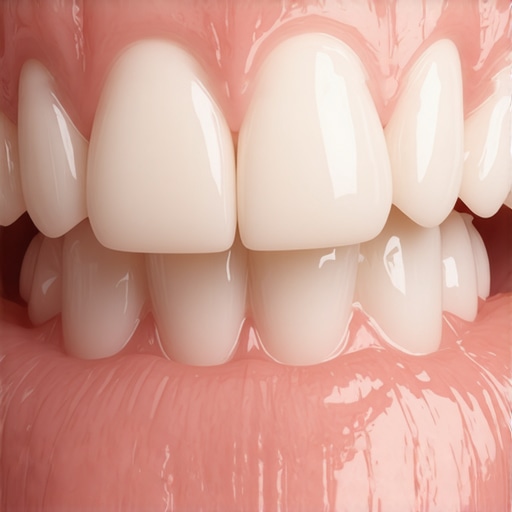
Evaluating the Structural Integrity of Long-term Veneers in a Dynamic Dental Landscape
As dental professionals approach the decade mark with veneer restorations, understanding the nuanced factors influencing their longevity becomes paramount. The evolution of material science and adhesive technologies has redefined the lifespan expectations of veneers, yet the natural wear and the patient-specific oral environment continue to pose significant challenges. Recognizing the signs that signal the need for their replacement is a complex process, demanding both clinical acumen and an in-depth understanding of individual patient habits.
Implications of Material Degradation and Aesthetic Deterioration
Over time, even the most advanced porcelain or composite veneers are subject to intrinsic material fatigue and surface wear. Studies indicate that the porcelain’s microstructure may develop microcracks or discolorations, especially when exposed to certain foods, beverages, or oral habits such as bruxism. The aesthetic integrity, including translucency and surface gloss, can diminish, ultimately compromising the smile’s visual harmony. Regular assessments, therefore, are vital for early detection of these subtle changes, which often precede overt failure.
Patient-Centric Risks and the Role of Oral Hygiene in Veneer Longevity
Astute practitioners recognize that patient behavior significantly impacts veneer durability. Inadequate oral hygiene, habitual biting of hard objects, or neglecting routine checkups can accelerate veneer degradation. The introduction of new bioactive materials with enhanced fracture resistance and stain resistance offers promising avenues to extend veneer lifespan, but these innovations necessitate continual professional education and patient awareness about maintenance strategies.
Comparing Veneer Options: Material Durability versus Aesthetic Outcomes
Among the alternatives, lithium disilicate and zirconia-based veneers demonstrate industry-leading durability, yet their translucency nuances and bonding techniques differ markedly. Experts debate whether choosing a more resilient material compromises natural appearance, emphasizing the importance of personalized treatment planning. When considering veneer replacements in 2026, the clinician must balance mechanical resilience with aesthetic fidelity, especially in younger patients with robust oral functions.
Addressing the Complexities of Veneer Replacement Decisions
Determining the optimal timing for veneer replacement involves evaluating signs such as chipping, debonding, or staining beyond conservative correction capacities. Advanced diagnostic tools like 3D imaging and laser fluorescence aid in detecting sub-surface compromise. Given the irreversible nature of bonding procedures and potential enamel loss, an evidence-based approach aligning with current literature is critical for successful outcomes. The decision matrix must integrate patient preferences, functional considerations, and emerging material options.
What emerging innovations in veneer materials or adhesive technologies could redefine the replacement protocol for decades-old restorations?
Incorporating insights from ongoing research such as the recent advances documented in the Journal of Esthetic and Restorative Dentistry can provide clinicians with a forward-looking perspective on restorative longevity.
For practitioners committed to pushing the boundaries of restorative longevity, continuous exploration of cutting-edge techniques and materials—such as nanoparticle-enhanced ceramics or bioactive bonding agents—is essential. Engage with the latest research, contribute to peer discussions, and refine your decision-making framework accordingly.
Explore comprehensive strategies for maintaining an optimal smile in Veneers in 2025 and 2026, and consider how evolving technologies could influence your approach.
Unlocking the Potential of Nanotechnology in Veneer Durability
Recent strides in nanotechnology have opened exciting new avenues for enhancing veneer performance. Researchers are exploring nanoparticle-enhanced ceramics that offer superior fracture resistance and stain longevity while maintaining translucency. These innovations could revolutionize how clinicians approach veneer replacements, enabling restorations that are both durable and highly esthetic. Such advancements necessitate a thorough understanding of how these materials interact with bonding agents and the oral environment, emphasizing the importance of continued professional education and staying abreast of emerging scientific literature.
Rethinking Adhesive Strategies for Long-Term Success
The evolution of adhesive technologies plays a pivotal role in veneer longevity. New bioactive bonding agents, incorporating elements like fluoride or remineralization properties, are designed to promote healthier enamel interfaces and resist degradation over time. These technologies may also facilitate more conservative preparations, preserving enamel and enhancing bond strength. Dentists should evaluate the compatibility of these innovations with existing materials and consider their integration into treatment planning, especially when planning veneer replacements in the context of an increasingly aging patient demographic.
Can Adaptive Materials Make Veneer Failures a Thing of the Past?
Emerging research suggests that adaptive or ‘smart’ materials that respond dynamically to varying oral conditions could transform veneer lifespan management. For instance, materials capable of releasing anti-microbial agents or adjusting their translucency based on lighting conditions might not only prevent secondary decay but also preserve aesthetic qualities longer. Such innovations align with the shift toward personalized, minimally invasive dentistry, where restorations adapt seamlessly to the patient’s unique oral environment. Keeping informed about these developments ensures that clinicians can offer cutting-edge options and anticipate future treatment pathways.
Understanding the interplay of material science and adhesion technology is essential for making informed decisions about veneer replacements, especially as options continue to expand with nanotechnology and bioactive compounds.
What practical steps can clinicians take today to integrate these emerging materials into their veneer replacement protocols?
Engaging with the latest research, such as the insights shared in the Journal of Esthetic and Restorative Dentistry, can provide invaluable guidance on material selection and application techniques. Attending continuing education courses, collaborating with material scientists, and participating in peer discussions are equally vital for staying ahead and ensuring optimal patient outcomes. For tailored advice on integrating new technologies, contact experts at Smile Gum Care.
Leveraging Cutting-Edge Adhesive Technologies to Extend Veneer Lifespan
Recent advancements in dental adhesive systems have revolutionized the approach to veneer longevity, emphasizing minimally invasive techniques combined with durable bonding strategies. The emergence of dual-cure, nanolayered adhesives with bioactive properties offers clinicians a means to enhance enamel integrity and facilitate more robust restorations. These systems not only improve initial bond strength but also promote remineralization, contributing to the long-term resilience of veneered surfaces. Understanding the interplay between adhesive chemistry and substrate preparation is critical for optimizing clinical outcomes, especially in complex cases involving compromised tooth structures.
Can Smart Materials Prevent Veneer Failures Before They Occur?
Innovative ‘smart’ materials are on the horizon, capable of responding dynamically to the oral environment. For instance, biomimetic composites embedded with self-healing nanoparticles show promise in repairing microcracks and resisting fatigue. Moreover, materials capable of sensing pH fluctuations and releasing therapeutic agents proactively address caries risk at the interface, extending the functional lifespan of veneers. Adoption of these technologies demands a paradigm shift in material handling protocols and a deeper understanding of their biointerface interactions, which are critical for integrating such innovations into routine practice.
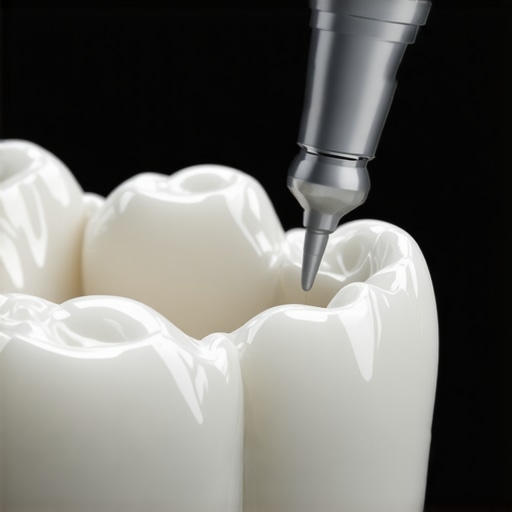
Implementing these advanced adhesive systems and smart materials requires a comprehensive grasp of their chemical design and clinical application nuances. Educators and manufacturers are now developing specialized training programs to facilitate this transition, enabling clinicians to harness the full potential of these innovations.
Personalized Restorative Strategies: Marrying Material Science with Patient-Specific Factors
Incorporating personalized treatment planning is essential when considering the future of veneer replacements. Factors such as occlusal dynamics, parafunctional habits, and genetic predispositions influence material selection and protocol customization. For example, patients with severe bruxism may benefit from high-strength, translucent zirconia-based veneers combined with custom occlusal guards, whereas those with high aesthetic demands might prefer lithium disilicate in conjunction with minimally invasive preparations. Integrating digital workflows and predictive modeling can further refine these strategies, allowing clinicians to simulate long-term behavior of different materials under real-world conditions.
How Might AI and Data Analytics Shape the Future of Veneer Material Selection?
Artificial intelligence (AI) and big data analytics are emerging as transformative tools in dental material science. Machine learning algorithms trained on vast datasets of clinical outcomes can predict the performance of specific veneer materials based on patient demographics, habits, and local environmental factors. This predictive capacity enables more precise, evidence-based decision-making. For instance, AI models could help identify optimal bonding agents for challenging cases or forecast wear patterns over decades, facilitating proactive interventions that mitigate failure risks. Embracing these technologies involves integrating digital competencies into dental education and infrastructure, ensuring the next generation of clinicians is prepared for this data-driven era.
Embracing Material Innovations to Enhance Veneer Longevity
Recent advancements in dental material science, particularly the integration of nanotechnology, are set to redefine the parameters of veneer durability. Researchers are developing nanoparticle-infused ceramics that offer unprecedented resistance to microcracks and staining, while maintaining optical translucency. These innovations enable clinicians to select restorations that not only withstand the test of time but also deliver superior aesthetic outcomes, especially crucial when addressing complex veneer replacement scenarios.
Which cutting-edge materials promise a paradigm shift in veneer durability for experienced practitioners?
Consult recent studies such as the comprehensive review in the Journal of Esthetic and Restorative Dentistry to identify materials that combine bioactivity with mechanical resilience. Staying abreast of these developments allows for tailored treatment plans that maximize longevity and patient satisfaction.
To stay at the forefront of restorative dentistry, clinicians should actively participate in specialized training on these emerging materials and consider integrating them into their practice for superior results.
Targeting Adhesive Breakthroughs for Lasting Bond Strength
The evolution of adhesive technologies now offers systems that go beyond mere bonding. Bioactive adhesives, containing remineralization agents like calcium phosphate nanoparticles, facilitate ongoing enamel maintenance and interface stability over time. Their application becomes even more critical when contemplating veneer replacements, where bond integrity directly influences the restoration’s lifespan.
How can innovative adhesives transform the approach to veneer replacement strategies in complex cases?
Research indicates that such adhesives can reduce microleakage and secondary decay, as detailed in recent journals. Incorporating these agents into clinical protocols can significantly extend veneer service life, particularly in patients with compromised enamel or high caries risk. For practitioners, mastering these systems entails understanding their chemistry and handling characteristics through continuous education.
Clinicians should review emerging literature and collaborate with adhesive manufacturers to optimize their use in personalized treatment protocols.
Harnessing the Power of Smart Materials for Adaptive Restorations
The frontier of dental materials lies in the realm of ‘smart’ or adaptive compounds that respond dynamically to environmental stimuli. These include self-healing composites capable of repairing microcracks or pH-sensitive materials that release protective agents proactively. Such smart materials hold tremendous potential for preempting veneer failure and minimizing intervention frequency, thereby revolutionizing traditional replacement timelines.
What are the latest developments in adaptive materials that could preempt veneer failure?
Current research explores nanoparticles with self-healing properties and bio-inspired composites that mimic natural enamel behavior. Their integration into routine practice requires a deep understanding of their interaction with bonding agents and the oral ecosystem.
Keeping informed through peer-reviewed studies and participating in dedicated workshops is essential for clinicians aiming to incorporate these innovations effectively.
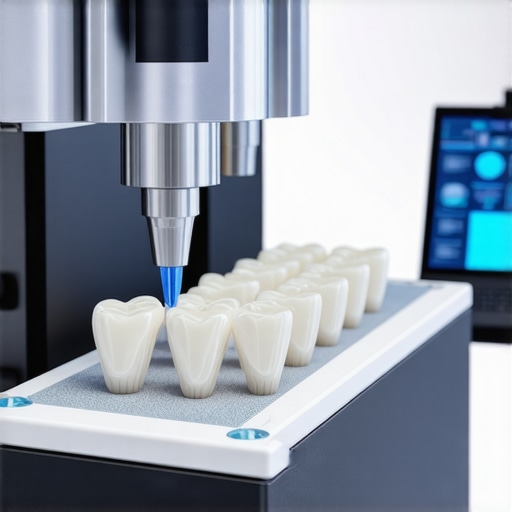
Visualizing the interaction of smart materials with the oral environment can aid clinicians in understanding their functional advantages and limitations, fostering informed application in clinical scenarios.
The Future of Personalized Restorations: Integrating Data and Intelligence
Artificial intelligence (AI) and data analytics are poised to revolutionize how practitioners select materials and plan veneer replacements. Machine learning algorithms trained on vast clinical datasets can predict material performance tailored to individual patient factors, such as occlusion patterns, salivary composition, and genetic predispositions. This data-driven approach enhances precision, minimizes failure rates, and optimizes long-term outcomes.
How will AI-driven predictive modeling influence the selection of veneer materials and techniques in complex cases?
Emerging AI tools are capable of simulating decades of material behavior under specific intraoral conditions, guiding clinicians toward choices that balance aesthetic, functional, and longevity considerations. For practitioners seeking to leverage this technology, investing in digital literacy and partnering with tech developers becomes a strategic imperative.
Engage with ongoing research and software providers to incorporate these intelligent systems into your clinical workflow for superior patient-centric care.
Expert Insights & Advanced Considerations
Innovate with Smart Materials to Prevent Failures
Emerging ‘smart’ dental materials that respond dynamically to oral stimuli, such as self-healing nanoparticles, promise to significantly extend veneer lifespan, reducing the need for frequent replacements and enhancing patient satisfaction.
Prioritize Adhesive Technology for Lasting Bonds
Advancements in bioactive, remineralization-capable adhesives can promote enamel health and secure stronger, more durable veneers, especially crucial in complex or compromised cases.
Balance Durability with Aesthetic Fidelity
Choosing materials like nanotechnology-infused ceramics allows clinicians to achieve high fracture resistance without sacrificing translucency or natural appearance—an essential equilibrium in modern restorative dentistry.
Leverage Data-Driven Personalization
AI and predictive analytics enable precise material selection tailored to patient-specific factors, optimizing longevity and aesthetic outcomes in veneer restorations.
Embrace Minimally Invasive, Adaptive Solutions
Innovative ‘smart’ materials that adapt or release therapeutic agents proactively can preempt failures, aligning with the trend toward personalized, minimally invasive dentistry.
Curated Expert Resources
- Journal of Esthetic and Restorative Dentistry: Offers cutting-edge research on nanotechnology, bioactive materials, and innovative adhesive systems shaping veneer dentistry.
- PMID: 37084256: A comprehensive review of the latest developments in ceramic nanomaterials enhancing durability and aesthetics.
- American Academy of Esthetic Dentistry (AAED): Provides invaluable guidelines, continuing education, and expert opinions on integrating new materials and technologies.
- Smile Gum Care Contact: For personalized consultations on adopting cutting-edge veneer materials and techniques.
The Power of Staying Ahead with Innovation
Diving into the realm of advanced materials and adhesive systems reveals a future where veneers are more durable, natural, and patient-centric than ever before. Continuous education, embracing research updates, and leveraging emerging technologies position practitioners at the forefront of this transformation. Your voice in this evolution enriches the collective knowledge—consider sharing insights or experiences that could shape next-generation restorative strategies. Engage, inquire, and lead the way towards optimal veneer longevity and patient happiness.
Leave a Reply