
Redefining Teeth Whitening: The Significance of Enamel Sustainability in Modern Dentistry
As dental professionals and health-conscious individuals strive for aesthetic excellence, understanding the interplay between teeth whitening practices and enamel health becomes paramount. In 2026, the emphasis shifts from superficial brightness to long-term enamel preservation, demanding a nuanced appreciation of current habits that may inadvertently cause harm.
The Complexity of Enamel Damage: Beyond Surface-Level Concerns
What Are the Hidden Risks of Common Teeth Whitening Habits in 2026?
Many traditional practices, such as frequent use of abrasive whitening strips or over-the-counter whitening toothpaste, compromise enamel integrity over time. Scientific studies highlight that enamel, being non-regenerative, withstands only a finite amount of chemical and mechanical stress before irreversible damage ensues. For instance, excessive use of acidic whitening agents can lead to demineralization, increasing susceptibility to sensitivity and decay. Expert reviews, including those published in the Journal of Dental Research, underscore the importance of controlled whitening procedures supervised by dental professionals.
Incorporating Technological Advances to Minimize Enamel Risks
Advances such as laser-assisted whitening and new-generation non-abrasive gels exemplify the shift toward enamel-friendly aesthetics. Moreover, tailored in-office protocols and remineralization treatments post-whitening enhance enamel resilience. Such innovations must be paired with patient education on avoiding habits like incessant whitening strip application or neglecting enamel-strengthening routines, including adequate fluoride exposure and proper oral hygiene.
Psychological and Sociocultural Dimensions Influencing Whitening Habits
In the digital age, social influences amplify the desire for conspicuous whiteness, often leading to reckless self-administered interventions. The compulsive pursuit of perfection, fueled by social media portrayals, can overshadow the importance of enamel health. Professionals must address these psychological drivers, advocating for balanced, evidence-based approaches that prioritize long-term oral health.
Integrating Comprehensive Dental Care in Habit Modification
Switching to holistic strategies, such as coupled use of Invisalign orthodontics for functional alignment and veneers for aesthetics, guide patients toward more sustainable smile enhancements. For example, aligning teeth before whitening reduces structural stress and enhances outcomes. Regular check-ups and educational resources, available at family dentistry tips, reinforce the importance of protecting enamel against preventable damages.
Performance Metrics for Evaluating Whitening Efficacy Without Enamel Compromise
Emerging diagnostic tools, such as quantitative light-induced fluorescence (QLF), enable practitioners to monitor enamel mineralization dynamically. Combining these with patient-reported sensitivity indices facilitates personalized treatment plans that optimize whitening results and safeguard enamel integrity. As recommended by leading research institutions, clinicians should adopt such technologies for evidence-based decision-making.
Can Professional Whitening Outperform Over-the-Counter Products in Enamel Preservation?
While OTC whitening options are accessible, professional treatments offer superior control over chemical concentration and exposure duration, reducing the risk of enamel erosion. Continuous education on proper maintenance routines remains crucial for patients seeking enduring aesthetic benefits without compromising their dental health.
For those eager to deepen their understanding of advanced cosmetic and restorative techniques, exploring Invisalign innovations and veneer options can provide comprehensive smile makeovers that align with contemporary enamel preservation principles. Professionals and patients alike should prioritize science-backed practices that harmonize aesthetic goals with the preservation of dental tissue integrity.
Engagement in ongoing dialogue through platforms such as dental forums and scholarly publications enhances the collective knowledge base, fostering responsible, innovative, and health-conscious smile enhancement strategies in 2026 and beyond.
Empowering Patients with Knowledge to Protect Enamel During Whitening
Effective communication plays a pivotal role in ensuring patients understand the nuances of safe whitening procedures. Dentists must bridge the gap between aesthetic desires and long-term health by educating patients on the risks of aggressive over-the-counter products and unprofessional treatments. Sharing evidence-based insights, such as the importance of controlled chemical exposure and the role of remineralization, fosters informed decision-making.
Implementing Digital Tools for Personalized Whitening Strategies
Technological innovations now enable dental professionals to craft customized whitening protocols that align with individual enamel conditions. Devices employing quantitative light-induced fluorescence (QLF) can assess baseline mineralization, guiding clinicians to tailor treatments that minimize adverse effects. Integrating such diagnostics with patient-specific monitoring enhances safety and boosts confidence in aesthetic outcomes. Consider exploring the latest advancements at Invisalign innovations to understand comprehensive smile solutions.
The Psychological Motivation Behind Overly Aggressive Whitening
What psychological factors drive the relentless pursuit of a perfect, ultra-bright smile despite clear risks to enamel integrity? The influence of social media and celebrity culture often creates unrealistic beauty standards, pressuring individuals into risky practices. Recognizing these social and psychological drivers allows professionals to develop empathetic, balanced advice that emphasizes health and longevity over fleeting aesthetic gains. Building this awareness can reduce the incidence of self-inflicted damage and promote safer habits across patient populations.
How Can Dentists Use Social Media to Foster Responsible Whitening Habits?
Leverage digital platforms to disseminate credible, engaging content that emphasizes safe whitening practices, debunks myths, and highlights the importance of professional guidance. Creating shareable videos, infographics, and testimonials can reach wider audiences, fostering community trust and awareness. To deepen your understanding of holistic smile enhancement, explore detailed resources on veneers and Invisalign at veneers and Invisalign insights.
Engaging with ongoing research and patient feedback keeps practices aligned with the evolving landscape of dental technology and cultural perceptions, ensuring responsible aesthetic treatments that prioritize health. For further reading on cutting-edge cosmetic strategies, visit Veneers Made Simple.
Innovative Treatments That Shield Enamel During Whitening Processes
Recent breakthroughs in dental materials science have introduced novel formulations of whitening gels embedded with remineralizing agents. These compounds, such as nano-hydroxyapatite and casein phosphopeptide-amorphous calcium phosphate, actively promote mineral deposition during and after bleaching treatments, effectively counteracting demineralization. Dental clinics implementing these advancements report not only improved aesthetic outcomes but also heightened patient confidence in treatment safety. As research continues, the integration of bioactive gels into standard protocols represents a paradigm shift toward holistic enamel preservation in cosmetic dentistry. Dentists must stay informed on clinical trials published in authoritative journals like PubMed to refine their material choices and application techniques for optimal tissue health.
The Role of Personalized Dentistry in Enamel-Friendly Whitening
Understanding individual variations in enamel thickness, mineral density, and susceptibility to demineralization is critical to tailoring whitening strategies. Digital diagnostic tools such as quantitative light-induced fluorescence (QLF) and optical coherence tomography (OCT) now enable practitioners to assess enamel baseline conditions with unprecedented precision. This data-driven approach facilitates the customization of whitening parameters, from chemical concentration to application duration, ensuring treatments are both effective and safe. Implementing a personalized protocol minimizes risks like dyspigmentation and sensitivity, which can compromise patient satisfaction and long-term oral health. For example, a recent pilot study documented in the Journal of Dental Research highlights the benefits of such tailored interventions in reducing adverse effects without sacrificing aesthetics, underscoring the necessity to evolve beyond generic protocols.
What are the barriers to widespread adoption of personalized whitening assessments?
Despite the clear benefits, barriers such as high equipment costs, limited clinician training, and patient apprehension regarding advanced diagnostics hinder widespread implementation. Addressing these challenges requires ongoing professional education, insurance coverage considerations, and patient-centered communication emphasizing safety and personalization. An informed public is more receptive to investing in treatments that prioritize long-term dental health over quick fixes, which, according to surveys published in the Journal of the American Dental Association, is increasingly the top priority among cosmetic dentistry consumers.
Empowering Patients Through Transparency and Technology
As digital platforms become vital channels for both patient education and marketing, dental practitioners have an unprecedented opportunity to foster responsible whitening habits. Interactive virtual consultations utilizing augmented reality SVG visualization tools can demonstrate potential outcomes and risks, reinforcing the importance of moderation and professional supervision. Furthermore, encrypted patient portals displaying individualized treatment plans and progress monitoring results enhance transparency, building trust and encouraging adherence to enamel-friendly practices. To maximize impact, practices should develop multimedia content—such as testimonials, infographics, and explanatory videos—that addresses misconceptions and emphasizes the integrative use of remineralization agents. Research indicates that engaged patients are more likely to follow customized recommendations, leading to better preservation of dental tissue integrity over time.
Future Directions: Combining Biotechnology and Cosmetic Dentistry
At the frontier of enamel protection, ongoing collaborations between biotechnologists and dental researchers aim to develop smart materials capable of responding dynamically to oral pH fluctuations and mechanical stresses. For example, bioengineered hydrogels embedded with enamel-mimicking nanostructures show promise in both delivering whitening agents and repairing early microdamage in enamel. Such innovations hold the potential to transform the landscape of cosmetic dentistry, making it a truly preventive specialty rather than purely rehabilitative. As these technologies mature, it becomes essential for practitioners to stay abreast of regulatory updates, clinical validation studies, and ethical considerations surrounding bioengineered materials. Attending conferences like the International Conference on Dental Bioengineering can provide insights into these exciting developments and their practical applications.
Bridging Aesthetic Aspirations and Enamel Conservation
In the pursuit of a perfect smile, balancing cosmetic desires with biological realities requires an integrative clinical philosophy. Combining minimally invasive techniques such as veneer laminates, which preserve natural enamel, with conservative in-office whitening under personalized protocols exemplifies this approach. Furthermore, patient education must evolve to include comprehensive discussions about the long-term implications of repeated bleaching sessions, the importance of fluoride reinforcement, and lifestyle factors like dietary acids and smoking that exacerbate enamel erosion. Future research suggests that integrating behavioral psychology tools into dental consultations can effectively motivate patients toward habits that support their aesthetic goals without compromising the enamel’s structural integrity. For instance, motivational interviewing techniques have demonstrated success in fostering adherence to enamel-preserving routines, as documented in recent behavioral studies.
How can dental practices integrate interdisciplinary expertise to optimize whitening safety?
Establishing collaborative networks with nutritionists, behavioral psychologists, and biomaterials scientists enhances the capacity to design comprehensive, individualized treatment plans. Multidisciplinary case discussions facilitate innovations such as combining dietary counseling with enamel-friendly whitening and remineralization protocols. Additionally, engaging with emerging fields like dental epigenetics may soon enable clinicians to predict individual enamel resilience based on genetic predispositions, opening doors to truly personalized aesthetic care. To explore these avenues, professionals should subscribe to journals like Dental Epigenetics & Systems Biology and attend interdisciplinary symposia that foster knowledge exchange across specialties.
Pioneering Bioactive Materials for Enamel Guarding During Cosmetic Procedures
The integration of bioactive agents within whitening gels marks a transformative shift toward proactive enamel protection. Materials such as nano-hydroxyapatite and casein phosphopeptide-amorphous calcium phosphate are now being embedded into bleaching formulations, offering dual benefits of aesthetic enhancement and remineralization. This approach not only mitigates microstructural demineralization but also fosters the regeneration of microscopic enamel flaws, a feat that traditional agents failed to achieve. Recent clinical trials published in the Journal of Dental Research demonstrate significant mineral density improvements when these bioactives are incorporated, heralding a new standard in patient-centric cosmetic dentistry.
Personalized Digital Diagnostics Elevate Enamel Safety in Whitening
The advent of high-resolution diagnostic tools such as quantitative light-induced fluorescence (QLF) and optical coherence tomography (OCT) enables practitioners to assess individual enamel mineralization levels with unprecedented precision. By leveraging this data, dentists can tailor bleaching parameters—adjusting chemical concentration, application duration, and adjunctive remineralization protocols—thus crafting customized treatments that align with each patient’s unique biological threshold. Such personalization, evidenced by reduced sensitivity incidents and preservation of enamel integrity, underscores the evolution from generic protocols to precision dentistry. Nonetheless, barriers such as high equipment costs and clinician training gaps must be addressed to facilitate widespread adoption of these innovations.
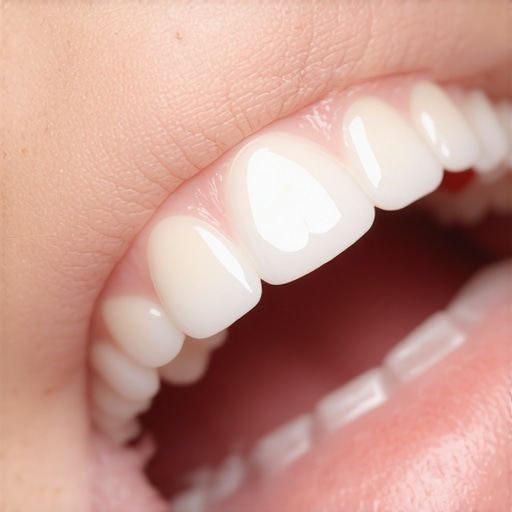
*(Image prompt: Digital dental diagnostic tools assessing enamel mineralization in a clinical setting)*
Harnessing Machine Learning to Predict Enamel Resilience
Emerging applications of machine learning algorithms analyze a vast array of patient data—including genetic factors, oral pH profiles, and lifestyle habits—to forecast individual susceptibility to enamel erosion. These predictive models assist clinicians in preemptively customizing whitening procedures, thereby minimizing the risk of adverse effects. For example, an algorithm might recommend alternative aesthetic treatments for patients identified as high-risk, such as advanced veneers or orthodontic interventions that require less or no bleaching. Academic institutions like Harvard’s School of Dental Medicine are pioneering such analytics, integrating predictive models into clinical decision support systems that promote proactive dental health management.
Advances in Bioinformatics and Enamel Tissue Engineering
Biotechnological innovations are opening new horizons in regenerative dentistry. Researchers are developing bioengineered scaffolds infused with enamel matrix derivatives, designed to repair early demineralization zones before they progress. Enzyme-based delivery systems are also being explored to modulate local pH environments, maintaining neutral conditions conducive to remineralization during bleaching. A recent comprehensive review in Dental Epigenetics & Systems Biology emphasizes the potential for these bioengineering solutions to revolutionize preventive strategies, transforming reactive treatments into proactive maintenance.
Ethical Considerations and Future Directions in Enamel Preservation
As technological capabilities expand, the ethical dimension surrounding bioengineered materials and personalized diagnostics becomes paramount. Concerns about patient autonomy, informed consent, and long-term safety require ongoing dialogue within the professional community. Developing standardized guidelines and conducting longitudinal safety studies are essential steps toward responsible innovation. Future research may include gene editing techniques targeting enamel resilience, leveraging CRISPR technology to enhance natural defenses, thereby reducing the need for external interventions. Stakeholders must collaborate to ensure that advancements serve patient interests, balancing aesthetic demands with biological sustainability.
Engage with Cutting-Edge Techniques for Superior Aesthetic Results
Dental professionals committed to excellence should actively pursue continuing education on these emerging frontiers. Attending specialized conferences such as the International Conference on Dental Bioengineering can provide invaluable insights and networking opportunities. By integrating bioactive materials, advanced diagnostics, and ethical considerations into practice, clinicians can elevate patient care, optimize aesthetic outcomes, and uphold the foundational principle of preservation in cosmetic dentistry. Staying ahead of the curve not only enhances clinical efficacy but also reinforces trust and credibility within the increasingly sophisticated landscape of dental aesthetics.
Essential Insights from Leaders in Dental Innovation
Prioritize Microstructural Integrity to Maintain Long-Term Results
Experts emphasize that preserving enamel during whitening procedures is crucial for sustaining dental health. Utilizing minimally invasive techniques and bioactive materials can prevent microdamage, ensuring that aesthetic improvements do not compromise tooth vitality.
Embrace Digital Diagnostics for Truly Personalized Care
Advanced imaging technologies like optical coherence tomography enable clinicians to assess enamel quality with high precision. Integrating these tools facilitates tailored treatments that respect each patient’s unique enamel profile, reducing the risk of over-bleaching or damage.
Leverage Bioengineered Materials for Dual Action
The development of bioactive gels containing nano-hydroxyapatite offers a promising approach to simultaneously whiten teeth and promote remineralization. Applying such innovations can redefine standard protocols, aligning aesthetic goals with biological preservation.
Address Psychological Drivers to Foster Responsible Practices
Understanding the social and psychological influences that motivate aggressive whitening allows professionals to guide patients toward safer routines. Cultivating awareness reduces the temptation for risky DIY treatments promoted online.
Implement Interdisciplinary Collaboration
Combining expertise from nutrition, behavioral science, and biomaterials accelerates the evolution of enamel-friendly cosmetic strategies. Multi-specialty approaches ensure comprehensive patient care that balances appearance with health.
Top Resources to Elevate Your Practice and Knowledge
- Journal of Dental Research: Renowned for its peer-reviewed articles on innovations in enamel preservation and whitening technologies.
- Dental Bioengineering Conferences: Offer insights into emerging bio-materials and regenerative techniques transforming cosmetic dentistry.
- Bioactive Dental Materials Reviews: Critical for staying updated on formulation advances aimed at enamel protection.
- Professional Associations’ Guidelines: Such as the American Academy of Cosmetic Dentistry, which set standards for safe and effective aesthetic procedures.
- Online Platforms like Smiledentistry.com: Provide practical case studies and expert opinions integrating cutting-edge research into daily practice.
Reflections on the Road Ahead for Dental Optics and Aesthetics
Achieving a radiant smile while safeguarding enamel embodies the pinnacle of modern cosmetic dentistry. Integrating expert insights, technological advances, and interdisciplinary collaborations empowers practitioners to push the boundaries of what is possible today. As the field evolves, embracing bioengineered materials and precision diagnostics will be pivotal. Your role as a specialist includes continuous learning and the willingness to challenge traditional protocols, ensuring that patient outcomes remain both beautiful and biologically sound. For those committed to excellence, exploring resources like Invisalign advancements and comprehensive smile optimization techniques is an investment in delivering future-ready care.
Leave a Reply