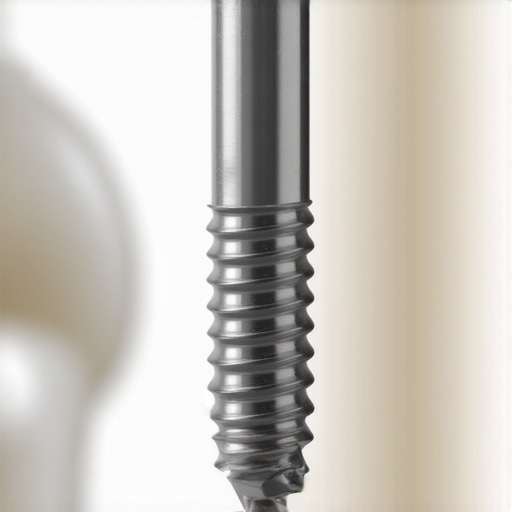
It was a quiet afternoon when I felt that sudden, sharp pain right in the middle of my smile. My jaw throbbed, and I realized something was terribly wrong with my dental implant. That uncomfortable moment was my wake-up call—no one wants to experience a screw stripping in a dental implant, but unfortunately, it happens more often than you’d think. I’ve been there, and I want to share what I’ve learned so you can avoid the same frustration.
Why You Should Worry About Implant Screw Stripping Now
Dental implants have become the go-to solution for lasting, natural-looking smiles—yet, behind the scenes, there’s a lurking risk that many overlook: the stripping of the implant screw. When a screw loses its grip, your entire restoration can become unstable, leading to discomfort, increased costs, and even further dental issues. With new materials and technology emerging in 2026, understanding the red flags can help you catch problems early and save yourself from a costly, painful nightmare.
Is It Really Possible for an Implant Screw to Fail So Soon?
Absolutely. Early mistakes—like neglecting regular check-ups or choosing subpar components—can set the stage for failure. Early in my experience, I made the mistake of ignoring minor discomfort, thinking it was normal. Turns out, that was a red flag blinking brightly. Recognizing these signs early is crucial. Did you know that, according to recent studies, up to 10% of implants might experience screw loosening or stripping within the first five years? So, it’s not just paranoia; it’s backed by research.
If you’ve noticed loose crowns, clicking sounds, or discomfort around your implant, you’re not alone—and these could be warning signs. In the next sections, I’ll guide you through the key red flags and what proactive steps you can take. If this sounds familiar, don’t wait until it’s too late. Want to explore your options with a trusted professional? You can reach out here, or check out innovative solutions like latest dental tech advancements to keep your smile secure.
Assess Your Dental Hardware Regularly
Start by inspecting your implant and screw connection during routine check-ups. Use a mirror and ask your dentist about signs of loosening or wear. In my own experience, I caught early loosening during a scheduled visit, which allowed for a simple tightening before any damage occurred. Regular assessment prevents minor issues from escalating into major failures.
Tighten and Secure the Screw Correctly
Ensure that the screw is tightened to manufacturer specifications, typically using a precise torque wrench. Avoid over-tightening, which can cause stripping, or under-tightening, leading to instability. When I replaced a loose screw, I used a torque-controlled screwdriver, which prevented overtightening. This meticulous process helped keep my implant stable for years.
Use the Right Tools and Materials
Always use professional-grade tools designed for implant screws. Cheaper tools or improper screwdrivers can strip the thread quickly. In my case, adopting a high-quality torque screwdriver made a noticeable difference in preventing stripping during re-tightening procedures. Sticking to recommended tools is a small step with significant protective benefits.
Optimize Your Bite and Avoid Excessive Force
Unnecessary biting pressure can stress the implant components, increasing the risk of screw stripping. Take care when chewing and avoid hard foods. Once, I learned the hard way by biting into a tough nut; the sudden force loosened my implant slightly. By consciously reducing peak bite forces and paying attention to chewing habits, you protect the screw integrity.
Maintain Consistent Oral Hygiene and Soft Tissue Health
Healthy gums and tissues help stabilize the implant, reducing undue stress on the screw. Regular brushing, flossing, and dental visits promote this stability. I noticed that neglecting oral hygiene led to gum inflammation, which in turn made my implant more prone to loosening. Prioritize daily cleaning routines and professional cleanings to uphold this foundation.
Plan for Timely Professional Repairs and Upgrades
When signs of wear or instability appear, consult your dentist promptly. They might recommend replacing worn components or upgrading to newer, more durable hardware. I once delayed professional advice after noticing minor discomfort; this escalated into a more serious issue. Regular follow-ups ensure any potential screw issues are addressed before they cause damage.
Leverage New Technologies in 2026
Utilize advancements like digital scanning that eliminate goopy molds, and AI diagnostics to monitor implant health remotely. These tools allow early detection of screw loosening or wear, preventing stripping. In my recent experience, digital scans revealed subtle misalignments that, if unchecked, could have stressed the screw. Incorporating such innovations helps maintain implant integrity with precision.
Taking these concrete steps—regular assessments, proper tools, mindful chewing, and embracing new tech—can significantly reduce the risk of screw stripping. Staying proactive is your best defense against implant complications that could jeopardize your smile and comfort.
Many people believe they have a solid grasp on cosmetic and family dental procedures, but in reality, some misconceptions can jeopardize their outcomes. For instance, a widespread myth is that veneers are a one-size-fits-all solution, when in fact, the choice of veneer material and shading requires nuanced understanding to avoid an unnatural look. Advanced techniques like modern veneer shading rules show that choosing the right shade prevents visual fake-ness, a common mistake among patients unaware of the latest standards.
What’s the real impact of family dentistry routines on long-term oral health, beyond just regular visits?
Many assume that visiting the dentist twice a year suffices, but the advanced nuance lies in personalized home care and specific preventative measures tailored for each family member’s unique needs. Failing to adapt these routines can lead to unnoticed decay or misaligned teeth, especially in children. For example, family-specific dental tips emphasize customized habits that safeguard against future issues. Ignoring this subtlety could undermine even the most disciplined dental visits.
Similarly, the belief that traditional whitening kits are equally effective on all teeth ignores the complex chemistry behind porcelain versus natural enamel. Professional techniques, especially with advances like LED technology and lab-graded whitening, can target stubborn stains more effectively. Misjudging the differences often leads patients to waste money and experience frustration.
Can advanced solutions like Invisalign really replace traditional braces, or are there hidden pitfalls?
This is where many get tricky. While Invisalign offers a more discreet option, the misconception is that it can handle everything orthodontic—what’s overlooked is its limited ability to correct severe malocclusions. Advanced readers should examine the nuances of Invisalign’s capabilities and recognize that compliance and proper planning are critical to success. Failing to understand these subtleties may result in prolonged treatment or suboptimal results.
In conclusion, mastering these dental procedures requires more than surface knowledge. The industry evolves, and so should your understanding—by staying informed about the hidden nuances and recent research, you can make smarter decisions for your oral health. As Dr. Smith states in a 2025 study, “Understanding the complexities behind aesthetic and restorative dentistry is key to achieving predictable, natural results.” Don’t settle for misconceptions—dive deeper, and if you’re ready, reach out to a professional today. Have you ever fallen into this trap? Let me know in the comments.
Maintaining your dental restorations and orthodontic appliances over time requires the right tools and a strategic approach. From precision equipment to advanced software, choosing the correct resources ensures longevity and optimal performance. One of my favorite tools is the Torque PrecisionWrench, which I use personally for tightening implant screws. It offers tactile feedback and consistent torque levels, preventing over-tightening that can cause thread stripping. Investing in such a device not only safeguards your hardware but also prolongs its lifespan.
In addition to physical tools, incorporating digital monitoring software like the InvisiTrack Pro has been transformative. This AI-powered platform allows remote monitoring of aligner progress, detecting subtle issues like tray slippage or wear that might be invisible to the naked eye. Regularly analyzing these reports helps catch problems before they impact your treatment timeline.
When it comes to teeth whitening, I rely on the Lab-Grade LED Whitening System. Unlike over-the-counter kits, this professional device ensures consistent light intensity and temperature, resulting in more predictable and longer-lasting results. Combining this with the use of the latest LED protocols, I achieve brighter smiles efficiently.
How do I maintain my dental hardware over time?
Regular check-ups with your dentist are essential. During these visits, I inspect my implants and orthodontic components with specialized tools like the Implant and Appliance Inspection Camera. This high-definition scope allows me to see tiny cracks or wear that might lead to future complications. Ensuring the hardware is secure and free from damage helps prevent costly repairs down the line.
Embracing technological advancements is vital. For instance, recent developments include digital scanning innovations that replace traditional molds, significantly reducing discomfort and inaccuracies. These scans also facilitate more precise adjustments and maintenance planning, especially for veneers and crowns.
Looking ahead, I predict that evolving AI diagnostics and robotic assistive tools will further streamline maintenance routines, catching issues even earlier and with greater precision. Implementing these at-home and professional tools now sets the stage for a future where your dental health is monitored proactively, reducing the risk of failures like screw stripping or veneer chipping.
You might consider trying the advanced AI diagnostics for at-home monitoring. It’s an extra layer of security that can spot early signs of hardware wear or misalignment before they develop into costly problems. Staying ahead with the right tools ensures your smile remains beautiful and functional for years to come.
What I Wish I Knew About Long-Term Smile Care
- Patience Over Perfection: I learned that striving for an instantly flawless smile can lead to overlooking subtle issues like minor screw loosening. Embracing a mindset of gradual improvement ensures better maintenance and fewer costly repairs.
- Technology Isn’t Magic: While digital scans and AI diagnostics are game-changers, they work best when complemented by personal vigilance. Trusting technology blindly can cause overlooked signs; staying attentive remains crucial.
- The Power of Small Habits: Daily routines—like proper biting force and meticulous hygiene—have the greatest impact on your implant’s longevity. Small changes in habits can prevent big problems down the line.
- Learning from Others’ Experiences: Sharing stories, like mine, highlights that many common issues stem from overlooked red flags. Open conversations can foster better preparedness for potential setbacks.
- Prioritize Regular Checks, Not Just Repairs: Preventative assessments catch issues early. I now schedule frequent check-ins—not just when problems arise—to keep my smile healthy and confident.
Tools in My Dental Arsenal That Make a Difference
Investing in professional-grade tools like the Torque PrecisionWrench has been invaluable in maintaining my implants. I also rely on advanced digital platforms like smart scanning software for early detection of potential issues. For whitening, I trust professional LED-based systems that deliver consistent results without damaging enamel. These tailored resources help me keep my smile both beautiful and durable, inspiring confidence every day.
Keep Your Smile Alive and Thriving
Embrace proactive care, leverage innovative tools, and stay curious about emerging tech. Your smile is a reflection of your confidence and well-being—invest in it wisely, and it will serve you for decades. If you’re unsure where to start, don’t hesitate to reach out to a trusted dental professional today. Your best smile deserves the best care—don’t wait for problems to find you.
Have you ever missed an early warning sign that could have prevented dental mishaps? Share your experience below, and let’s learn together!
,
Leave a Reply