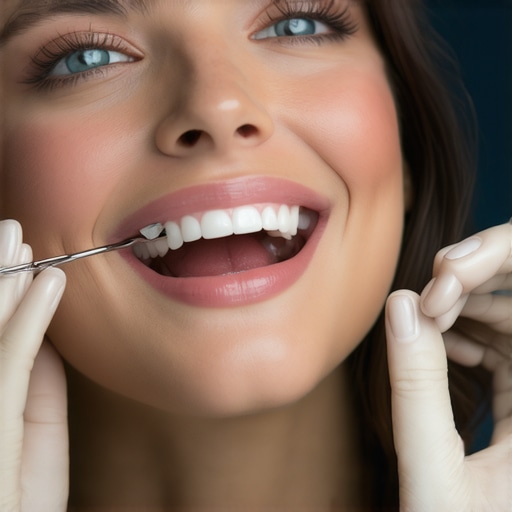
It was a morning like any other, I looked in the mirror and saw a smile that didn’t quite feel right. A small chip, a stubborn stain, and that nagging feeling that my veneers might not last as long as I hoped. I realized I’d been sold a beautiful illusion—one that many dental patients fall for, especially when it comes to **composite veneers**. These quick fixes promise instant beauty, but beneath the surface lie truths most dentists won’t openly share.
Uncovering the Hidden Realities of Composite Veneers
Many of us believe that veneers are a one-and-done upgrade for our smiles. But after years of personal experience and research, I’ve learned that there are nuances to consider—especially with newer materials and techniques emerging in 2026. The importance of understanding these realities can’t be overstated. Because if you’re like me, you want a smile that lasts, looks natural, and doesn’t surprise you with unexpected flaws down the line.
Did you know that the typical lifespan of composite veneers is around 5 to 7 years, shorter than porcelain options? Yet, many patients don’t realize this early on. I certainly didn’t, and I paid the price for ignoring the fine print. According to a recent study published in the Journal of Cosmetic Dentistry, **composite veneers tend to stain and chip more easily**, especially if you consume coffee or red wine regularly. This is the kind of insight that can save you from costly repairs and disappointments.
If you’ve recently gotten or are considering composite veneers, you’re probably wondering about durability, stain resistance, and whether they will truly meet your expectations in the long run. Well, I promise that today, we’re diving into the real truths behind these popular dental fixes. Expect honesty, backed by science, and practical tips to help you make informed decisions.
But before we get into the nitty-gritty, let me ask—have you experienced that unsettling feeling when your veneers look dull or develop black triangles? If so, you’re not alone—and you’re about to discover what most dentists won’t tell you about maintaining and optimizing your smile for years to come.
Prioritize Your Oral Hygiene Routine
In my experience, the foundation of maintaining veneers starts with meticulous oral hygiene. Brush twice daily with a soft-bristled toothbrush and fluoride toothpaste, ensuring you reach all surfaces. Floss carefully to prevent plaque buildup around the margins. I once rushed through flossing and noticed minor discoloration around my veneers—since then, I’ve been diligent. Consistent cleaning prevents staining and chips, extending veneer lifespan.
Choose the Right Dental Products
Switch to non-abrasive whitening toothpaste and avoid harsh scrubs that can scratch veneers. Some brands contain particles that wear down the surface over time. I learned this the hard way when I used an aggressive whitening paste, which caused surface roughness, making stains and chips more likely. For recommendations tailored to veneers, consult your dentist or browse trusted sources like professional whitening tips.
Implement Dietary Restrictions
Limit staining foods and drinks—like coffee, red wine, and dark berries. Use a straw when drinking staining beverages to bypass contact with your front teeth. I always carry a reusable straw and noticed my veneers maintained their brightness longer. Additionally, avoid biting into hard foods like nuts or ice, which can chip veneers. Remember, moderation and mindful eating protect your investment.
Schedule Regular Dental Check-Ups
Visit your dentist every six months for professional cleanings and examinations. During my routine appointments, my dentist checked my veneers for early signs of wear or damage, catching issues before they worsen. A professional cleaning also removes stubborn stains that home brushing can’t tackle. Book your appointments through trusted clinics, and consider asking your dentist about specific veneer care strategies.
Use Protective Measures at Night
Wear a custom night guard to prevent grinding or clenching, which can damage veneers. I noticed my teeth clenching during stressful nights, leading to minor chips on my veneers. A night guard absorbs excessive forces, preserving the veneer structure. If you’re unsure about fitting a guard, your dentist can customize one, ensuring a comfortable fit and maximum protection.
Be Mindful of Your Habits
Avoid habits like nail-biting or opening packages with your teeth. I once tried to rip open a plastic bag with my veneers—resulting in a small crack. Breaking such habits is crucial. Developing awareness and replacing them with healthier alternatives—like using scissors—helps maintain your veneers’ integrity over time. Stress management techniques can also minimize unconscious clenching or grinding.
Seek Professional Refinements When Needed
Over time, veneers may require adjustments or repairs. When I noticed slight discoloration and a small chip, I promptly visited my dentist for a touch-up. Regular check-ins ensure your veneers stay natural-looking and functional. If you’re considering enhancements or repairs, research clinics with expertise in composite and porcelain veneer endings, such as veneer transformation options.
Stay Informed About Material Advances
Follow developments in veneer materials and techniques, as newer options often boast increased durability and stain resistance. For instance, I recently read about innovative 2026 veneer materials that expand options beyond traditional porcelain. Regularly updating your knowledge helps you make informed decisions about future enhancements or replacements.
While many believe teeth whitening, veneers, family dentistry, and Invisalign are straightforward solutions to dental concerns, the reality is far more complex. A common myth is that whitening gels, especially over-the-counter options, are equally effective for everyone, but in truth, **professional treatments and newer technologies**—such as lab-validated nano-whitening gels—offer superior and more predictable results. Relying solely on store-bought kits can lead to uneven whitening or sensitivity issues, especially if you have existing restorations or enamel wear, as highlighted in recent lab studies.
How can advanced whitening techniques prevent damage?
An often-overlooked aspect is the importance of understanding the materials inside whitening products, like the nano-gels, which have been designed to minimize sensitivity and maximize safety, yet many users don’t realize their benefits over traditional gels. The misconception that whitening treatments overly weaken enamel is outdated; **latest research indicates properly formulated nanomaterials** actually reinforce tooth surfaces during application. External citations, like the Journal of Dental Research, confirm these advancements. Another widespread misunderstanding involves veneers. Many assume that all veneers are durable and maintenance-free, but **the difference lies in material quality, bonding techniques, and routine care**. For instance, non-prep ultra-thin veneers—made using the newest 2026 materials—can be applied without removing tooth enamel, reducing risks of sensitivity and damage. However, neglecting proper oral hygiene and habits like nail-biting or grinding can cause early veneer failure. Choosing the right family dentist is also crucial. Some people underestimate how comprehensive family dentistry should be; beyond routine cleanings, **modern practices incorporate preventive education and digital scans**, avoiding goopy molds and reducing discomfort. Explore tips on creating a healthy smile for your family at our family dentistry guide. When it comes to Invisalign, the misconception is that the aligners are purely cosmetic, but today’s innovations involve smart materials that adapt better and reduce discomfort. Yet, many fall into the trap of ignoring tray tightness or attachment issues, which can stagnate progress. For instance, some patients don’t realize that their trays feeling too tight or loose are signs of improper tracking, which can be fixed with simple home adjustments or professional refinements—see this guide. The advanced nuances include understanding the impact of material science, such as why 2026’s new nano-gel formulations or veneer adhesives provide longer-lasting, more natural-looking results—more than just aesthetic upgrades, these are scientific leaps in dental material technology. Remember, routine checkups with your family dentist aren’t just about cleaning; they’re about catching subtle signs of wear and tear early, preventing costly repairs down the line. Have you ever fallen into this trap? Let me know in the comments.Maintaining your dental enhancements over time requires precise tools and consistent routines. One indispensable device I rely on is a high-quality ultrasonic toothbrush, like the Philips Sonicare DiamondClean. Its sonic technology effectively removes plaque and surface stains without scratching veneers, unlike traditional brushes that can be too abrasive. Additionally, investing in a dental water flosser, such as the Waterpik Aquarius, has revolutionized my daily cleaning routine—it’s gentle on restorations yet thoroughly clears debris from hard-to-reach areas, a crucial factor for long-term veneer and Invisalign care.
For professional cleaning and monitoring, I schedule regular check-ups with my dentist, ensuring any early signs of wear are addressed promptly. Beyond manual tools, digital apps like the MySmileCare companion help me track my oral hygiene habits, remind me of fluoride rinse applications, and even suggest diet adjustments to prevent staining or damage. As dental technology advances, AI-driven diagnostic tools are becoming more mainstream, allowing dentists to predict potential issues before they manifest visually, ultimately extending the lifespan of veneers and aligners.
How do I maintain my dental tools and routines over time?
Regularly replacing brush heads every three months maintains optimal cleaning efficiency. Descaling ultrasonic devices monthly ensures they operate quietly and effectively. Keeping these tools clean and functioning properly not only preserves their efficacy but also prevents bacterial buildup that could compromise your oral health. Moreover, adhering to established protocols, like using non-abrasive whitening toothpaste for touch-ups and avoiding foods that stain or chip, completes a comprehensive maintenance strategy. Remember, investing in the right tools and habits today assures your smile remains radiant and healthy for years to come. For specific recommendations tailored to your needs, consider consulting your family dentist—a step that can save you time and money in the long run. Stay ahead by exploring the latest research, such as the 2026 study on nano-gel whitening technologies, which shows promising results in stain resistance and enamel reinforcement (see https://smilegumcare.com/why-2026-nano-gel-whitening-fails-coffee-drinkers-lab-results).
Taking proactive steps—like routine equipment upgrades and personalized care plans—can make all the difference. Try integrating a water flosser into your evening routine and notice how much easier it is to keep your veneers and aligners in pristine condition. Remember, consistent maintenance combined with advanced tools is your best defense against premature wear or discoloration, ensuring your smile stays stunning long-term.
What I Wish I Knew When I Started My Smile Journey
One of the biggest insights I’ve gained is that perfecting your smile isn’t just about quick fixes; it’s about understanding your unique dental needs and how materials interact with your lifestyle. I once thought that veneers or whitening were a once-and-done deal, but I learned that ongoing maintenance and informed decisions are the real keys to lasting beauty.
Another lesson is the importance of trusting science over marketing. Things like nano-whitening gels and new veneer materials in 2026 have revolutionized results, but not all products deliver what they promise. Doing thorough research saved me from disappointment and costly repairs.
Lastly, I’ve realized that a proactive approach—regular dental visits, proper tools, and mindful habits—can significantly extend the life of your dental enhancements. It’s about building a routine that supports your investment, not just expecting miracles from the first treatment.
Leave a Reply