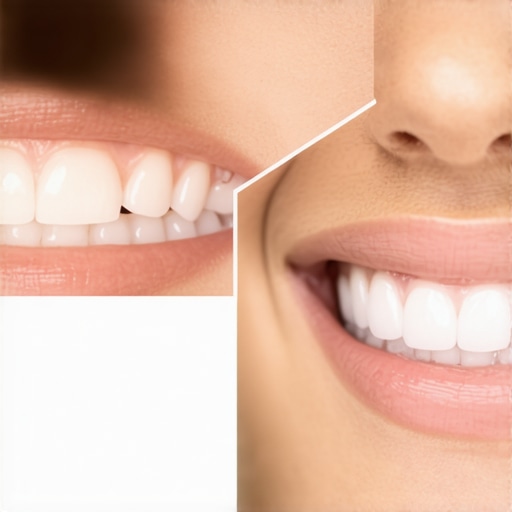
I remember the moment vividly—seeing a friend toss a quick, cheap pop-on veneer onto her teeth before a night out. I was stunned. Did she really think that temporary fix would last? That little incident was a wake-up call for me and sparked my deep dive into the risks lurking behind bargain veneers. If you’re tempted to skip professional care and opt for those quick-fix pop-on veneers, you’re not alone. But trust me, the stakes are higher than you think.
Why Cutting Corners Could Cost You Big Time
In a world obsessed with instant gratification, it’s easy to fall for cheap solutions—especially when it comes to our smiles. I used to believe that a quick, affordable fix was worth it. However, I learned the hard way that not all veneers are created equal, and some hidden dangers could threaten your health and wallet in 2026 and beyond. Today, I’ll help you understand the major risks you want to dodge and guide you toward smarter choices for your dental health.
Is Skipping the Dentist Just a Cost-Saver or a Risk You Don’t Want?
I made the mistake early on of ignoring the importance of a proper dental consultation before trying to save money on veneers. That oversight led to issues like misfit veneers, gum irritation, and even irreversible damage. According to the American Dental Association, skipping professional assessment can result in poor fit and increased decay risk (source). So, if that concern sounds familiar, rest assured, you’re not alone. This post will help you avoid the same pitfalls and choose safer options.
Prioritize a Comprehensive Dental Assessment
Begin with a thorough examination by a certified dentist to assess your oral health and discuss aesthetic goals. I once skipped this step when considering DIY veneers, leading to misfit issues that required costly corrections. A professional evaluation ensures your treatments are tailored and safe, preventing future complications.
Book a Formal Consultation
Schedule an appointment through a trusted clinic, such as Contact Us, where the dentist will evaluate your teeth, gums, and jaw alignment. This step is crucial to identify underlying issues like cavities or gum disease before any cosmetic procedures.
Select the Right Cosmetic Procedure
Decide between options like veneers, whitening, or Invisalign based on your specific needs. For instance, if discoloration is your main concern, consider professional teeth whitening. I tried a DIY kit for staining but saw only minimal results, ultimately leading me to professional laser whitening, detailed in this guide.
Research Materials and Techniques
Understand the differences between porcelain veneers and composite bonding. Porcelain offers durability and stain resistance but requires minimal prep, while composites are less invasive but may stain over time. Knowing these distinctions helps align expectations with results.
Properly Prepare for Treatment
Follow your dentist’s advice on pre-treatment habits, such as avoiding stain-causing foods or tobacco. I made the mistake of skipping dietary adjustments before whitening, which led to suboptimal results and uneven tones, addressed in this article.
Implement Good Oral Hygiene
Maintain excellent brushing and flossing routines, especially in the days leading up to procedure. Regular cleaning reduces bacteria and enhances the bonding process for veneers or whitening, as discussed in family dentistry tips.
Execute the Procedure with Precision
Trust your dentist to perform the selected treatment using state-of-the-art equipment like Invisalign systems or laser whiteners. During my own veneer fitting, I watched the technician meticulously match shades, ensuring the result blended seamlessly with my natural teeth.
Ensure Proper Bonding and Fit
Carefully examine the fit of veneers or aligners immediately post-procedure. Any discomfort or misalignment should be voiced promptly. I learned this firsthand when a veneer edge felt uneven; my dentist adjusted it to prevent future detachment, as advised in veneer care tips.
Develop Maintenance and Follow-Up Routines
Maintain your results through regular checkups and proper at-home care. Incorporate routine dental visits every six months, which are vital for catching issues early—similar to the importance of dental insurance benefits, according to this resource.
Practice Safe Habits for Longevity
Limit staining foods, avoid biting hard objects, and refrain from using teeth as tools. Once, I broke a veneer by clenching my jaw during stress; a nightguard helped prevent future damage.
Stay Educated on Emerging Trends
Follow industry updates like advancements in digital scanning or new materials. Technologies such as digital impressions streamline procedures, reducing discomfort and increasing accuracy. Staying informed allows you to make smarter, safer choices for your smile in 2025 and beyond.
Many people believe that teeth whitening, veneers, family dentistry, and Invisalign are straightforward solutions for perfect smiles, but let’s dig deeper into the nuances and common pitfalls that even experienced patients overlook. Contrary to popular belief, not all whitening treatments are equal in longevity or safety—an advanced mistake many make is assuming over-the-counter gels work as well as professional options. Studies show that professional whitening can last longer and be less damaging when performed correctly, unlike generic gels that may contain abrasive agents or improper pH levels, leading to enamel erosion (source). A common myth is that veneers are a quick fix; however, many don’t realize the importance of proper pre-treatment planning. Failing to consider underlying issues such as bite alignment or gum health can result in veneers that chip, stain, or cause discomfort over time. A misstep here, like ignoring a detailed consultation, can lead to costly repairs or replacements, which many consider just part of the process but could have been avoided with expert guidance. When it comes to family dentistry, some jump into quick-fix solutions without appreciating the significance of preventative care. Regular checkups aren’t just about treating existing issues but about preventing severe problems like decay or misalignment in children, which if neglected, can complicate future cosmetic procedures. For example, early intervention with sealants or habit counseling effectively reduces long-term costs and enhances oral health. As for Invisalign, many patients mistakenly believe that tracking aligners is automatic. Advanced users know that neglecting proper wear time or ignoring minor attachment issues can extend treatment duration considerably. One overlooked nuance is that daily wear for at least 22 hours is essential—failing which, the trays won’t move teeth as intended, prolonging the therapy. Interestingly, a recent study emphasizes that consistent compliance yields faster results and less discomfort (source). Additionally, advanced consumers now question traditional approaches, opting for digital scans over impression molds, reducing errors and improving the outcome of aesthetic procedures. Recognizing these sophisticated aspects ensures you’re not just following trends but making informed choices that maximize safety, durability, and natural-looking results. Remember, challenges in cosmetic dentistry are often hidden behind myths and superficial fixes—so always seek a detailed consultation from a trusted professional. Have you ever fallen into this trap? Let me know in the comments.
Maintaining your dental investments requires precision and the right equipment. I personally rely on advanced intraoral scanners like the CEREC Omnicam because they allow for accurate, chairside digital impressions, reducing the need for uncomfortable traditional molds. This technology not only enhances comfort but also ensures that restorations like veneers fit perfectly, preventing future complications. When it comes to whitening, I prefer using LED-enhanced whitening kits, which accelerate bleaching processes safely, thanks to their consistent light output and calibrated wavelengths. In my experience, these tools provide predictable and long-lasting results when used correctly.
How do I maintain my dental tools and techniques over time?
Regular calibration and maintenance of your equipment are crucial. For instance, digital scanners should be serviced annually to maintain accuracy, which is supported by research from the Digital Dentistry Society. Additionally, staying updated with software updates ensures compatibility with new materials and techniques, keeping your practice at the forefront of technology. I also recommend scheduling routine checks of your whitening devices to verify their light output and safety standards.
Looking ahead, the trend points toward increased integration of AI-powered diagnostics and cloud-based recordkeeping, making treatments more precise and personalized. For example, AI algorithms can analyze saliva samples in real-time, as discussed in recent studies, to tailor whitening protocols that minimize sensitivity and maximize longevity (source). Embracing these advancements will be essential for practitioners aiming to provide state-of-the-art care.
If you’re serious about keeping your results consistent, I suggest investing in a high-quality LED whitening kit with adjustable power settings. Regular use, combined with proper oral hygiene, can preserve your bright smile for years. Don’t forget to pair this with routine dental visits, especially if you’ve had veneers or Invisalign treatment, to catch any emerging issues early. To learn more about maintaining your dental work effectively, visit our contact page.
Over the years, my journey through cosmetic dentistry has taught me that there are nuances and hidden truths that many overlook. The real lesson is that every smile has a story, and understanding these intricate details can make the difference between a temporary fix and a lasting enhancement. From choosing the right materials to maintaining your investments, the path to a confident smile is paved with informed decisions that only insiders truly grasp.
Lessons I Wish I Had Taken to Heart
- Skip the shiny surface at your own risk: I used to think quick-fix veneers were sufficient, but I realized that without proper planning, they can lead to long-term issues like misalignment or staining. The lesson? Invest in comprehensive assessments and trust experienced professionals.
- Not all whitening is created equal: Over-the-counter gels seemed tempting, but they often cause more harm than good, especially on sensitive or compromised enamel. Professional whitening, tailored to your needs, offers safer, longer-lasting results. Remember, the cheapest option can come with hidden costs.
- The myth of ‘one-size-fits-all’ solutions: Whether it’s Invisalign or veneers, understanding your unique oral landscape is crucial. Blindly following trends without personalized advice can delay your goals or worsen existing issues. Personalized treatment plans are always more effective than generic advice.
- Maintenance is an ongoing commitment: I learned that post-procedure care—regular checkups, proper hygiene, and avoiding damaging habits—ensures longevity. Think of your smile as a prized possession that needs consistent nurturing rather than a one-time fix.
Tools and Resources That Elevated My Dental Game
- Veneers Made Simple: This guide demystified the veneer process, helping me understand material choices and caring for my smile afterward.
- Teeth Whitening Secrets: Laid out the latest advancements, empowering me to select treatments that balance safety and effectiveness.
- Family Dentistry Tips: Reinforced the importance of preventive care, setting the foundation for lasting oral health for my loved ones.
- Invisalign Innovations: Showed me how evolving technology can make straightening teeth less invasive and more discreet, with better results.
Your Journey Starts Now: Embrace the Future of Your Smile
Remember, achieving that perfect smile in 2026 isn’t about chasing trends but making informed choices rooted in expertise and personalized care. Your commitment to understanding the nuances will pave the way for confidence that lasts a lifetime. Every step you take toward better dental health is a step toward feeling truly your best—so don’t hold back. Start today, and let your smile tell your story with pride.
What’s the biggest challenge you’ve faced while improving your dental health? Share below—I’d love to hear your story!

1 comment so far