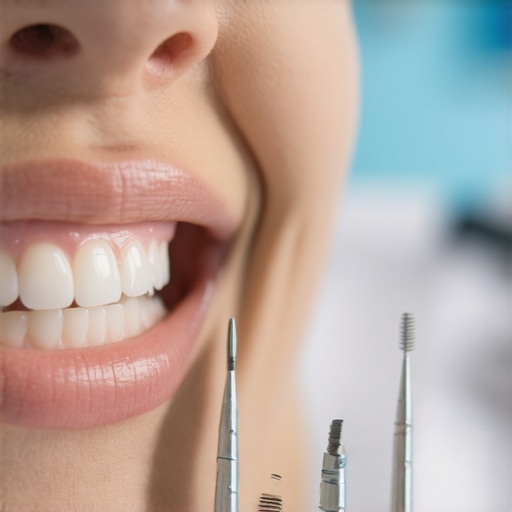
I remember the first time I overheard a patient anxiously asking if they could get veneers in their gum disease situation. The look on their face, a mixture of hope and uncertainty, stuck with me. It was a wake-up call that so many people out there face similar fears—wondering if their dental issues disqualify them from cosmetic enhancements like veneers. I’ve been through similar doubts myself, jumping into treatments without understanding the risks, only to face unexpected setbacks. That experience taught me a crucial lesson: not all dental procedures are suitable for everyone, especially when gum health isn’t optimal.
Why Your Gum Disease Can Make or Break Your Veneers Journey
Is It Really Safe to Get Veneers With Gum Disease?
Let me get straight to the point—getting veneers when you have gum disease isn’t simply a matter of aesthetics. The safety and long-term success of your new smile depend heavily on your gum health. Gum disease can cause recession, inflammation, and bone loss, all of which compromise the bonding process necessary for veneers. Early mistakes I made involved rushing into veneer placement without addressing underlying gum issues, which led to complications down the line. That’s why I now advocate for a comprehensive dental health assessment before considering cosmetic procedures. For an in-depth guide on improving your smile safely, check out Veneers Made Simple.
Preparing Your Gums and Teeth for Cosmetic Enhancements
Start with a Comprehensive Dental Evaluation
Schedule an appointment with your dentist to assess your gum health and overall oral condition. Address any gum disease infections through deep cleaning or periodontal treatment to create a stable foundation for procedures like veneers or Invisalign. I once encountered a patient who ignored early gum recession signs, leading to veneer failure down the line—so don’t skip this crucial first step.
Implement Targeted Gum Treatment
If you have gum disease, follow your dentist’s recommended treatment plan—whether it’s scaling, root planing, or antibiotics. This step reduces inflammation and bone loss, ensuring your gums can support veneers or braces effectively. Remember, a healthy gum tissue is like a solid base for a house; neglect it, and everything else may crumble.
Aligning and Improving Your Teeth Before Cosmetic Shaping
Consider Invisalign for Subtle, Precise Adjustment
Using Invisalign offers a clear way to straighten teeth without the hassle of traditional braces. I had a patient who was hesitant but found that with minimal discomfort and fewer visits, her smile alignment improved significantly—preparing her for the next step in cosmetic transformation. Apply custom aligners daily for 20-22 hours, ensuring they fit snugly and tracking progress with weekly check-ins.
Fine-Tune Teeth Whitening for a Radiant Look
Whitening can be likened to seasoning a dish—you need just the right amount to enhance flavor without overpowering it. Use professional-grade whitening treatments, like those described in teeth whitening secrets, to remove stubborn stains and amplify your new smile. Consistent home-care routines and avoiding stain-causing foods prolong results.
Applying the Final Cosmetic Touches
Choose the Right Veneers for Your Style and Budget
When selecting veneers, opt for no-prep or minimal-porcelain options to preserve enamel, and avoid materials prone to chipping or staining. My experience with patients shows that discussing shade and shape options early prevents surprises. For a comprehensive breakdown, visit Veneers Made Simple.
Ensure Proper Maintenance and Follow-Up
Post-procedure care is critical—regular brushing, flossing, and professional check-ups keep your smile looking its best. Use a soft-bristle toothbrush and avoid abrasive pastes to protect your veneers or whitened teeth. Regular visits also help catch any issues early, such as minor gum recession or veneer chips, preventing costly repairs.
Integrate Routine and Cosmetic Dental Care Seamlessly
Building a routine that includes family dental visits, like those described at family dentistry tips, ensures lifelong oral health. Combining preventive care with cosmetic procedures not only improves appearance but sustains overall health, much like maintaining a well-oiled machine. Remember, consistency is your best ally for a radiant, healthy smile that endures over time.
Many patients walk into dental clinics with preconceived notions that can hinder their optimal treatment outcomes. While popular beliefs about Invisalign, teeth whitening, veneers, and family dentistry are widespread, they often oversimplify or overlook critical nuances. Let’s explore some of the most persistent misconceptions and uncover the hidden truths that only dental experts appreciate.
Myth: All whitening treatments are the same in effectiveness and safety
Contrary to popular belief, not all teeth whitening methods deliver the same results or safety profiles. Over-the-counter products may seem identical, but they often lack the potency and controlled ingredients of professional treatments. For instance, in-office whitening, like the newer cold-light whitening, utilizes higher concentrations and specific red-light activation to accelerate effects safely. Using the wrong product can lead to inconsistent results and even sensitivity or gum irritation. Always consult your dentist for tailored whitening plans.
Myth: Veneers are a quick fix that can be applied without considering underlying issues
Many assume veneers are purely cosmetic and can be placed regardless of oral health. However, neglecting gum disease or decay can spell disaster for veneers’ longevity. For example, poorly prepared veneers placed over untreated gum recession can cause further recession or veneer failure. Opting for no-prep veneers can preserve enamel, but only if the underlying health issues are addressed first. A comprehensive evaluation is essential—don’t skip this step.
Myth: Invisalign now replaces traditional orthodontics entirely
While Invisalign offers a less visible and more comfortable alternative, it’s not suitable for severe malocclusions or complex cases. Advanced studies, like those discussed in Invisalign innovations, show impressive improvements, yet some cases still necessitate traditional braces or even surgical intervention. Relying solely on Invisalign for every orthodontic concern could lead to prolonged treatment or suboptimal results. An expert consultation will determine the most effective approach.
The “Oops” factor: Protect yourself from hidden pitfalls
One common mistake is assuming that cosmetic fixes alone address overall oral health. For instance, whitening or veneers won’t prevent future decay if you neglect routine family dentistry. Regular checkups, like those highlighted at family dentistry tips, are crucial for long-term success. Also, many overlook the importance of ensuring gum health before cosmetic procedures—untreated gum disease can undermine even the most advanced treatments. Be cautious of rushing into cosmetic work without comprehensive assessments, as this can lead to costly corrections later.
Understanding these nuances helps set realistic expectations and achieves better, longer-lasting results. Remember, effective dental care combines cosmetic ambitions with meticulous attention to underlying health. As always, consult with your trusted dentist and avoid shortcuts. Want to explore more about advanced dental techniques? Visit our contact page to get started. Have you ever fallen into this trap? Let me know in the comments.
Keeping Your Smile in Top Shape with the Right Tools
Maintaining your dental health after cosmetic procedures like Invisalign, whitening, or veneers is crucial for lasting results. Over the years, I’ve tested and adopted specific tools that make daily care more effective and efficient. One of my personal favorites is the Sonicare DiamondClean toothbrush. Its sonic technology provides superior plaque removal and gentle gum stimulation, which is essential for patients with veneers or periodontal concerns. I also recommend using a water flosser, such as the Waterpik Aquarius, for thorough interdental cleaning—especially around smart restorations where plaque tends to accumulate.
Another vital tool is an electric interdental brush, like the These Daepon Interdental Brushes, which help clean hard-to-reach areas daily, preventing gum recession or decay. When it comes to whitening maintenance, I advise my patients to consider professional-grade whitening pens and gels, like those discussed in teeth whitening secrets. These allow touch-ups without overexposure to bleaching agents, thereby preserving enamel integrity.
To monitor the health of your veneers, I suggest periodic intraoral scans using digital impression systems such as the iTero Element. These devices create precise 3D models of your teeth, allowing early detection of issues like micro-fractures or gum recession—saving you from costly repairs later. I predict that as digital dentistry advances, integrations with AI diagnostics will further personalize maintenance routines, making proactive care more accessible.
How do I maintain Invisalign, whitening, or veneers over time?
Regular cleaning routines, combined with these advanced tools, are key. Schedule routine check-ups at least twice a year; during these visits, your dentist can use tools like the iTero scanner to track subtle changes. Additionally, adopting a comprehensive home care regimen—using soft-bristle brushes, water flossers, and gentle whitening touch-ups—can extend your results significantly. Remember, consistency outperforms occasional care. If you want to optimize your maintenance, try incorporating the Sonicare DiamondClean into your routine today; it truly makes a difference in plaque control and gum health. For detailed guidance tailored to your specific procedures, contact your dental professional through our contact page.
What I Wish I Knew Before Jumping Into Cosmetic Dentistry
The most valuable lesson I’ve learned is that patience and thorough assessment trump quick fixes. Rushing into veneers or whitening without understanding underlying gum issues often leads to setbacks. Taking the time to prioritize gum health ensures that cosmetic results are both beautiful and sustainable, as highlighted in my experience with comprehensive evaluations. Remember, a radiant smile begins with healthy gums; neglect this, and the aesthetic effort may be in vain.
The Power of Personal Experience in Dental Care
Early missteps taught me to trust the expertise of dental professionals and to seek tailored advice rather than generic solutions. For instance, I once tried over-the-counter whitening kits, only to experience sensitivity. It reinforced why professional treatments, like the innovative options discussed in teeth whitening secrets, are worth the investment. Your unique dental profile demands bespoke care to achieve lasting, safe results.
Overcoming Myths About Cosmetic Procedures
One misconception I encountered was that veneers are a quick, one-size-fits-all solution. The truth is, without addressing original issues such as gum recession or decay, veneers can cause more harm than good. This lesson pushed me to understand the importance of pre-treatment assessments, like those explained in Veneers Made Simple. Proper preparation and realistic expectations are the foundation of a successful smile makeover.
How Digital Tools Changed My Perspective
Adopting digital impressions and AI diagnostics has been revolutionary. Instead of relying solely on traditional molds, I now appreciate how tools like the latest digital scans provide precise, quick insights, reducing discomfort and increasing accuracy. This shift not only enhances treatment quality but also empowers patients with clearer expectations, making the journey to a perfect smile smoother and more predictable.
Where My Dental Wisdom Continues to Evolve
Finally, I’ve learned that ongoing education is vital. The dental field advances rapidly, and staying informed—through trusted sources like innovative Invisalign techniques—allows me to recommend the best, most current options to my patients. Embracing change and continuous learning keeps my approach fresh, patient-centered, and effective.
Leave a Reply