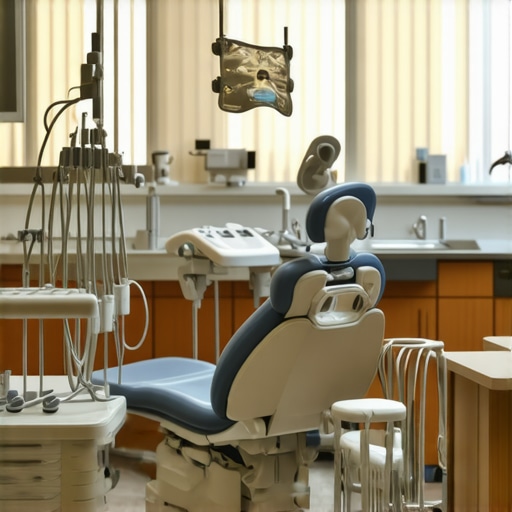
The last time I stepped into my family’s dental office, I couldn’t help but notice how everything looked the same as it did five years ago. The old chair creaked just a little more, and the equipment looked like it belonged in a museum rather than a modern clinic. It was a lightbulb moment—if my dentist was still relying on tech from the early 2020s, what else might they be missing out on? Honestly, I felt a pang of concern. Could outdated tools compromise the quality of care my family deserved?
Why Outdated Dental Tech Could Be a Hidden Risk
Old equipment isn’t just an aesthetic issue; it can impact accuracy, safety, and even the comfort of your visits. Technology advances rapidly, and staying current ensures that your dentist can spot issues earlier, provide less invasive treatments, and deliver results that truly last. For instance, newer digital scanners are more comfortable and precise than traditional molds, which can be messy and often inaccurate. If your dentist hasn’t upgraded, you might be missing out on these benefits.
Have You Experienced This Frustration?
Maybe you’ve been in a waiting room that feels stuck in time, or you’ve received treatments that seem outdated compared to what’s available online. If you’ve ever wondered whether your dentist is using the latest in dental tech, you’re not alone. I made the mistake early in my research by trusting a provider simply because they had been there for years, only to find out they weren’t keeping pace with innovations like [invisalign innovations](https://smilegumcare.com/invisalign-innovation-invisible-braces-changing-smiles-in-2025-at-1537) or advanced [teeth whitening techniques](https://smilegumcare.com/teeth-whitening-secrets-for-a-sparkling-smile-in-2025-at-1248). This oversight could have cost me time and money in the long run.
So, how can you tell if your family dentist is still using tech from a pre-2026 era? Let’s explore the key signs and what they mean for your dental health.
Inspect Your Dentist’s Equipment and Digital Tools
Start by casually asking your dentist about their recent technology upgrades, especially regarding digital scanners and whitening systems. For example, I once reminded my dentist about the benefits of digital impressions over traditional molds, which are messier and less precise. If they still rely on old equipment, it’s a red flag. Check their website or reviews for mentions of advanced procedures like Invisalign innovations or laser whitening.
Observe the Treatment Process in Action
During your next visit, pay attention to how procedures are performed. Modern family dentists often use intraoral cameras, which allow you to see real-time images of your teeth—think of it as a high-definition microscope revealing issues clearer than ever before. If your dentist still uses outdated tools, it may impact the accuracy of diagnoses and the longevity of treatments.
Ask Focused Questions About Specific Services
Directly inquire whether they employ the latest techniques in popular treatments. For instance, ask about their teeth whitening methods—do they utilize LED technology from 2026 or newer chemical formulations? For veneers, explore whether they use the newest ceramic materials that resist staining and chipping. My own experience involved questioning about veneers, which led me to discover better options available in 2025, such as [veneers made simple](https://smilegumcare.com/veneers-made-simple-transform-your-tooth-aesthetics-in-2025-at-1822).
Evaluate the Range of Digital Smile Enhancements
When considering cosmetic procedures, see if your dentist offers digital smile design software. This tool simulates your end result before treatment begins, much like a virtual preview of a new car before purchase. I tried this when exploring veneers, and it prevented potential shade mismatches or unnatural appearances. Knowledge about this advanced step can prevent costly re-treatments down the line.
Verify Their Use of AI and Advanced Screening Technologies
Confirm if they incorporate AI-driven diagnostics or saliva tests during checkups. These innovations detect issues invisible to traditional visual exams, like early signs of decay or gum recession. I once asked specifically about AI scans, leading me to learn how these tools improve early detection, significantly reducing long-term costs and discomfort. For comprehensive insights, check their services and inquire about the latest tech adoption.
Test Their Knowledge on Latest Dental Materials and Techniques
Gauge if your dentist stays updated by asking about the newest materials, such as resin composites or zirconia implants. A knowledgeable provider will confidently discuss advantages like aesthetics and durability. My conversation about the latest veneer materials revealed their focus on longevity and stain resistance, aligning with recent advancements from 2025. This approach ensures you’re not settling for outdated or inferior options.
By methodically observing, questioning, and researching, you can ensure your family’s dental care is powered by current and effective technology, much like upgrading your phone to enjoy the latest apps and security features. Remember, using outdated tech could compromise your care, so stay savvy and proactive in demanding the best.
Many assume that all dental treatments and technologies are created equal, but beneath the surface lies a web of misconceptions that can lead to costly mistakes. One pervasive myth is that newer, more advanced treatments automatically mean better results. However, the true effectiveness depends on individual suitability and execution quality. For example, while Invisalign’s innovations from 2025 promise faster treatment times, not every case benefits equally, especially if the aligners are poorly fitted or the patient neglects recommended habits. Overestimating the capabilities of veneers is another common trap; many believe that veneers can fix all aesthetic issues without considering the underlying teeth health or the limitations of newer materials. A study by the American Academy of Cosmetic Dentistry highlights that improper veneer placement or choosing the wrong material can result in unnatural appearance or increased sensitivity, despite claims of durability and stain resistance from 2025 advancements. Similarly, many underestimate the importance of professional-grade teeth whitening and assume over-the-counter options are sufficient. Yet, lab-verified options like laser-whitening from 2026 can effectively target stubborn stains like tetracycline discoloration, but only when performed under proper supervision. Selecting treatments without understanding their nuances, such as the importance of avoiding acidic foods after whitening or the need for custom-fit aligners in Invisalign, can drastically reduce their longevity and satisfaction. As I’ve learned from experience, a deep understanding of these nuances—like the significance of precise bonding in veneers or the limitations of LED whitening gels—is essential to avoid pitfalls. For instance, attempting to whiten with generic products on porcelain veneers can cause uneven coloration or damage the bonding layer, leading to costly repairs. To truly make informed decisions, it’s vital to consult with a professional who stays up-to-date with the latest research and technology, such as the latest digital scan features or innovative bonding techniques. Don’t fall into the trap of assuming that all treatments are equal; your smile deserves personalized assessment and expert execution. Have you ever fallen into this trap? Let me know in the comments. Want to learn more about avoiding common pitfalls? Contact us today for an expert consultation.
How Do I Keep My Dental Treatments Working Over Time? Exploring the Right Tools and Techniques
Maintaining the results of treatments like veneers, teeth whitening, or Invisalign requires more than just good habits—it hinges on the tools you use regularly. Personally, I rely on a combination of advanced cleaning devices and digital software that ensure my family’s smiles stay healthy and radiant for years. One tool I swear by is the AirFloss, which effectively removes plaque around veneers and in hard-to-reach areas, reducing the risk of staining and decay over time. My go-to software is Invisalign’s latest digital tracking system, which helps me monitor aligner fit and progress remotely, ensuring timely adjustments. Using these tools consistently has allowed me to avoid costly visits and keep my family’s smiles looking their best. Looking ahead, the integration of AI-enhanced monitoring and smarter cleaning devices promises even greater simplicity and precision in maintaining long-term dental health.
How do I maintain my veneers and whitening results over time?
It’s crucial to invest in quality toothbrushes with softer bristles and incorporate electrical models like Sonicare, which oscillate to remove plaque more efficiently than manual brushing. Regular use of a professional-grade whitening pen can help sustain the brightness after whitening sessions. Additionally, scheduling routine check-ups allows your dentist to perform professional cleanings and catch potential issues early, preserving the integrity of veneers and the health of your underlying teeth. Looking forward, innovations such as personalized oral health apps that track daily habits and suggest customized care routines will become essential in maintaining long-term dental excellence.
Why 2026 trends will make maintenance easier than ever
Emerging technologies like AI-powered diagnostic tools and smart toothbrushes with built-in sensors are transforming how we care for our smiles. These devices can alert you to early signs of misalignment, staining, or gum issues, prompting timely intervention. For instance, innovative products like the smart Invisalign trays now include sensors that monitor wear time and movement accuracy, preventing common issues like yellowing or improper tracking. To get the most from these advances, try incorporating a high-tech cleaning system and stay proactive with your appointments. If you’re interested, I recommend testing out a smart toothbrush today and setting up an appointment to review your long-term plan with your dentist. Many of these tools are designed to be intuitive, making maintenance not only easier but also more effective than ever before.
What I Wish I Knew About Family Dentistry’s Silent Shifts
One of my biggest takeaways is that staying current isn’t just about shiny gadgets—it’s about understanding how these innovations impact genuine care. I once assumed that a familiar-looking office meant familiar-quality, but I learned that the difference lies in the details, like digital scans and AI diagnostics that catch issues early, even before symptoms appear. Recognizing this has transformed how I approach the health of my family’s smiles.
Tools That Made Me a Smarter Smile Keeper
Investing in a high-quality electric toothbrush like Sonicare, combined with digital tracking apps, has been game-changing. These tools provide real-time feedback and reminders, ensuring consistent, effective cleaning—something I couldn’t sustain with manual brushes alone. My trust in curated resources like [Invisalign’s latest system](https://smilegumcare.com/invisalign-innovation-invisible-braces-changing-smiles-in-2025-at-1537) and professional whitening options like the ones discussed [here](https://smilegumcare.com/teeth-whitening-secrets-for-a-sparkling-smile-in-2025-at-1248) keeps me informed about what truly works in 2025 and beyond.
Taking Action to Preserve My Smile Journey
The future of family dentistry and cosmetic treatments lies in embracing these advanced tools and techniques. I encourage you to educate yourself and ask your dentist about the latest innovations—don’t wait until a procedure feels outdated or ineffective. Your proactive approach is the best way to ensure your family’s smiles remain healthy, bright, and resilient for years to come. Ready to make those informed choices? Starting today, explore options like smart cleaning devices or inquire about your clinic’s newest tech updates. Your smile deserves nothing less.
Leave a Reply