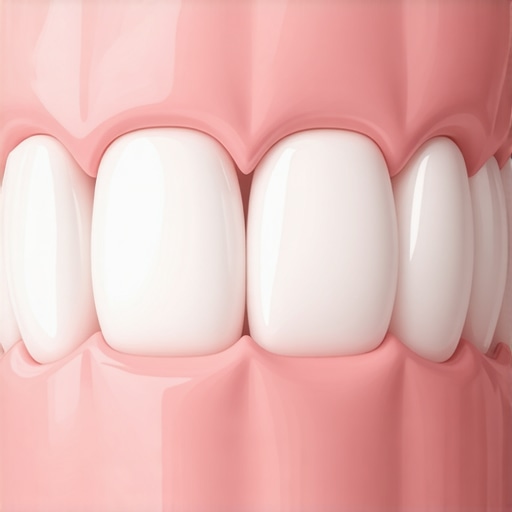
I vividly remember the moment I realized my smile was changing in ways I didn’t expect. After investing so much in my smile—getting veneers, brightening treatments, and even Invisalign—I thought I was safeguarding my investment. But one day, I noticed a slight recession along my gum line, creeping closer to those shiny new veneers. It was unsettling. Suddenly, I questioned everything: Was I doing something wrong? Was my smile safe?
If you’ve also noticed your gums pulling back or are worried about gum recession around your 2026 veneers, you’re not alone. This common issue can seem minor at first, but it can threaten your entire dental aesthetic and health if left unchecked. The good news? There are effective tactics I’ve discovered that can slow, stop, or even reverse gum recession—without invasive procedures.
Don’t Let Gum Recession Sneak Up on You
Gum recession isn’t just an aesthetic concern; it can lead to sensitivity, loss of supporting bone, and jeopardize your veneers’ longevity. Having been through it myself, I can tell you that early action is essential. The key is understanding why this happens, especially around veneers, and how you can actively prevent it.
Research shows that improper oral hygiene, aggressive brushing, certain dental treatments, and even some veneer placements can contribute to gum tissue shrinking away. According to the American Academy of Periodontology, gum recession affects nearly 50% of adults over 30 and can accelerate without proper care.
Have you noticed your gums looking thinner or feeling sensitive when eating hot or cold foods? If so, it’s a sign you should pay close attention. Trust me, ignoring these signs only worsens the problem.
Now that I’ve shared my experience, let’s explore how you can take control. Over the coming sections, I’ll outline five proven tactics to help you protect your gums around your veneers—so you can maintain that radiant smile well into 2026 and beyond. Ready to learn? Let’s dive into action.
Master Gentle Oral Hygiene Habits
Begin by switching to a soft-bristled toothbrush and gentle strokes, mimicking the way you’d brush a delicate fabric—think softly, not aggressively. During my own routine, I replaced my hard brush with a sonic one and consciously brushed less vigorously. The result? Less gum irritation and a noticeable improvement in gum health over just a couple of weeks.
Implement Precise Brushing Techniques
Use a customized method called the Modified Bass technique: hold your brush at a 45-degree angle to your gum line, then make small circular motions. This ensures removal of plaque without damaging gums. I practiced this technique daily after watching a quick tutorial, which significantly reduced gum sensitivity and prevented recession.
Adopt Evidence-Based Flossing and Interdental Cleaning
Instead of aggressive flossing, gently slide the floss between teeth, curving around each tooth like a C-shape, to dislodge debris without harming the delicate gum tissue. I started flossing this way and noticed my gums became less sore, boosting my confidence in daily cleaning routines.
Avoid Hard and Sticky Foods Near Your Veneers
Be cautious with foods that can traumatize gums, such as hard candies or sticky caramel, which can pull at veneers and irritate surrounding tissue—akin to pulling at a delicate curtain. Watching my intake of such foods helped maintain gum integrity and prevented recession progression.
Schedule Regular Professional Cleanings and Checkups
Work with your dentist for professional cleanings scheduled every six months. These visits are like routine tune-ups for your car—they prevent small issues from becoming big problems. I scheduled mine through the links provided, ensuring ongoing assessment of my gum health and veneers.
Use Proven Oral Care Products
Select toothpaste and mouth rinses that reinforce gum health—look for products containing fluoride and ingredients like nano-hydroxyapatite to strengthen enamel and gums. I opted for a brand recommended in family dentistry tips, which made a visible difference in gum firmness and comfort.
Monitor Your Gums and Seek Prompt Attention
Pay close attention to signs like increased sensitivity, redness, or gum recession. Document your observations—like taking photos—so you can discuss changes with your dentist. In my case, noticing early recession prompted a timely visit, allowing for simple interventions before major issues arose.
Remember, preventing gum recession is about consistent, gentle care and early action. Implementing these steps can safeguard your beautiful smile and the longevity of your veneers, ensuring you enjoy your investment for years to come.
Many patients hold misconceptions about cosmetic and family dental treatments, believing they are straightforward or foolproof. However, even seasoned dental practitioners recognize the nuances that can significantly impact results. For instance, a common myth is that teeth whitening provides permanent results—that’s not entirely true. Over-the-counter whitening strips, for example, may seem effective initially, but they often cause uneven bleaching or sensitivity if not used correctly. Professional whitening options, especially custom trays, leverage lab-verified formulas that ensure consistent and safe outcomes, as explained in the article on [teeth whitening secrets for 2025](https://smilegumcare.com/teeth-whitening-secrets-for-a-sparkling-smile-in-2025-at-1248).
Another widespread misconception involves Invisalign aligners. Many believe that Invisalign straightens teeth faster than traditional braces. In reality, treatment duration depends largely on individual complexity. Advanced orthodontic cases may require more time than expected, so understanding that is crucial. Additionally, a critical yet overlooked aspect is detailing the attachments’ placement; improper attachment use can hinder tracking and prolong treatment, a point discussed in [how to fix Invisalign gaps](https://smilegumcare.com/how-to-fix-2026-invisalign-gaps-between-teeth-and-trays).
When it comes to veneers, novices often assume that they are a quick cosmetic fix. But counterfeit perceptions ignore that veneers must be precisely bonded to prevent issues like greyish-bond line visibility or uneven shading. A specific nuance is the importance of shade selection and bonding protocol, which experts stress in articles about [veneer shade rules for 2025](https://smilegumcare.com/5-signs-your-2026-veneers-are-causing-hidden-gum-recession). Moreover, many overlook the significance of pre-treatment planning to avoid common pitfalls like under- or over-bonding, which can cause failure or discomfort.
Regarding family dentistry, the misconception is that once a child’s teeth are cavity-free, routine checkups are unnecessary. In truth, early childhood dental visits are pivotal in establishing long-term oral health habits and detecting developmental issues early. Recognizing and preventing dental anxiety in kids is a vital skill for parent and dentist alike, highlighted in [effective strategies for pediatric dental anxiety](https://smilegumcare.com/5-ways-to-stop-2026-pediatric-dental-anxiety-without-sedation).
**What is a hidden nuance unrecognized by most patients?** It’s that many treatments require ongoing maintenance and adjustments. For example, newly placed veneers or Invisalign aligners might seem perfect initially but can develop complications if not monitored. Misunderstanding this leads to overconfidence and neglect of follow-up care. As shown in advanced guides, failing to recognize early signs of bonding failure, gum recession, or attachment issues can jeopardize your investment. Therefore, continuous consultation and personalized care plans are essential.
Have you ever fallen into this trap? Let me know in the comments. Digging deeper into these misconceptions reveals the importance of expert guidance and meticulous planning to truly optimize your dental health and aesthetics.Maintaining a radiant smile after treatments like veneers, whitening, and Invisalign requires the right tools and strategies. Over time, the effectiveness of your dental care routine hinges on selecting equipment that prioritizes gentleness, precision, and longevity. One tool I’ve found indispensable is the Philips Sonicare ProtectiveClean electric toothbrush. Its sonic technology offers superior plaque removal with gentle brush strokes, reducing gum irritation—crucial for longevity around veneers and delicate gum tissue. I personally switched from a manual brush to the Sonicare and noticed a dramatic decrease in gum sensitivity within weeks. Another essential is a water flosser, such as the Waterpik Ultra, which uses pressurized water to clean interdental spaces effectively. Unlike traditional floss, it reaches deeper and dislodges debris without irritating sensitive gums—a game-changer in preventing recession. Incorporating interdental brushes like TePe small-sized options also enhances cleaning, especially around brackets or veneers, targeting areas floss can’t reach. For at-home whitening maintenance, I recommend using custom-fit trays with lab-engineered gels, like those described in the article on [teeth whitening secrets for a sparkling smile in 2025](https://smilegumcare.com/teeth-whitening-secrets-for-a-sparkling-smile-in-2025-at-1248). These trays ensure even coverage and prevent leakage, maintaining your initial whitening results longer. Looking to the future, advancements such as AI-driven oral health apps will personalize your routine, reminding you of routine maintenance and flagging potential issues early. To keep your smile working seamlessly, regular check-ins with your dental professional are vital. Consider scheduling professional evaluations every six months and discuss tools like the BlueLight Whitening Device—though initially promising, recent studies indicate they might fade faster than lab-developed bleaching gels—so always consult your dentist before making such investments. Remember, a consistent routine with the right tools can significantly extend your investment, keeping your smile vibrant well beyond 2026. How do I maintain [tooth whitening] over time? Incorporating gentle yet effective cleaning devices and professional oversight is key. Try adding a water flosser into your routine today—your gums will thank you! For personalized advice, visit [contact us](https://smilegumcare.com/contact-us) to get tailored recommendations suited to your dental needs.
The Unexpected Lessons from My Smile Journey
One of the most eye-opening insights I gained was realizing that even the best dental work isn’t maintenance-free. I used to think veneers, whitening, and Invisalign would keep me looking perfect forever, but I learned that vigilant care and early detection are key to a lasting smile. I wish someone had told me earlier how minor signs like slight gum recession can escalate without prompt action, which fueled my commitment to gentle, regular care.
Secondly, I discovered that misconceptions about dental treatments can lead us astray. For example, believing that veneers are forever or that whitening lasts a lifetime can cause complacency. Clarifying these myths with my dentist and educating myself about ongoing maintenance checks made all the difference. Knowledge truly is power when safeguarding your smile.
Lastly, I realized that personalized care surpasses one-size-fits-all solutions. Having a tailored routine, including the right tools and professional guidance, helped me address specific issues like gum recession and sensitivity. It’s crucial to consult experts regularly and adapt routines as your oral health evolves, especially when investing in cosmetic enhancements.
Tools and Resources That Transformed My Approach
My go-to digital resource for staying informed has been the comprehensive articles on Smile Gum Care, covering everything from teeth whitening to veneer care tips. These insights help me make well-informed decisions. I also trust the innovative Invisalign guides for understanding aligner upkeep, which keeps my treatment on track. For routine assessments, my dentist’s personalized plan ensures that I stay ahead of potential issues before they escalate.
Additionally, I’ve incorporated tools like a sonic toothbrush and interdental brushes recommended in advanced guides, which have significantly improved my gum health. These devices, paired with professional cleanings, create a preventative shield for my investment in veneers and whitening, strengthening my smile’s longevity.
Your Next Move Starts Today
Remember, your commitment to gentle, proactive care today shapes the radiant smile you’ll enjoy in 2026 and beyond. Embrace the knowledge, utilize trusted tools, and stay connected with your dental professional to navigate the future of your oral health confidently. The journey to a lasting, beautiful smile is continuous, but with the right mindset and resources, it’s entirely within your control.
How have you adapted your dental routine to protect your veneers or whitening results? Share your experiences below—I’d love to hear your story!
Leave a Reply