I vividly remember the day I sat in my dentist’s chair, staring at the mirror, realizing that my plan for a perfect smile in 2026 might be more complicated than I had initially thought. It wasn’t just about choosing the right braces or whitening technique; it was about understanding what’s happening beneath my teeth—the bone that holds everything together. That lightbulb moment made me question: why do so many people overlook the importance of bone health when planning for orthodontic treatments like Invisalign? If you’re like I was, you might be wondering whether a simple scan is really necessary for your upcoming treatment. Well, trust me, this is one step you shouldn’t skip. Today, we’re diving into why a bone density scan might be the crucial piece missing from your 2026 Invisalign strategy, and how it could save you time, money, and unnecessary discomfort in the long run.
Understanding Why Bone Density Matters for Your Smile
Most folks think Invisalign is just about straightening teeth—click a few trays, smile more confidently, and you’re done. But there’s an essential piece of the puzzle that’s often ignored: the health of your jawbone. If your bone density isn’t up to par, it can seriously impact how well your new smile holds up over time. Low bone density can lead to issues like tooth mobility or even tooth loss, undermining all the effort you put into your treatment plan. That’s why orthodontists and periodontists are increasingly recommending a bone density scan before starting Invisalign in 2026. It’s a bit like checking the foundation before building a house—neglect it, and everything else might come crashing down. According to recent studies, osteoporosis and low bone mass affect nearly 54 million Americans, which is a significant number when considering long-term dental stability (source: National Osteoporosis Foundation). This highlights why bone health isn’t just a concern for your hips or spine—it’s directly relevant to your smile too.
Looking back, I made the mistake early on of assuming my bone health was fine because I didn’t have any symptoms. It was a classic mistake—assuming absence of pain equals good health. Until I learned that bone loss can be silent for years, revealing itself only when it’s too late. That kind of oversight could have delayed or complicated my Invisalign journey, leading to unexpected setbacks. So if you’re planning for 2026, I urge you to consider this often-overlooked step. Trust me, your future self will thank you. Want to find out more about the latest in Invisalign innovations? You can explore some amazing advancements that are changing smiles in 2025 and beyond here.
Now, let’s get to the practical steps you can take to ensure your bone health isn’t holding you back. Because knowing the truth about your bones could make all the difference for your smile in 2026—and beyond.
Schedule a Comprehensive Bone Density Scan
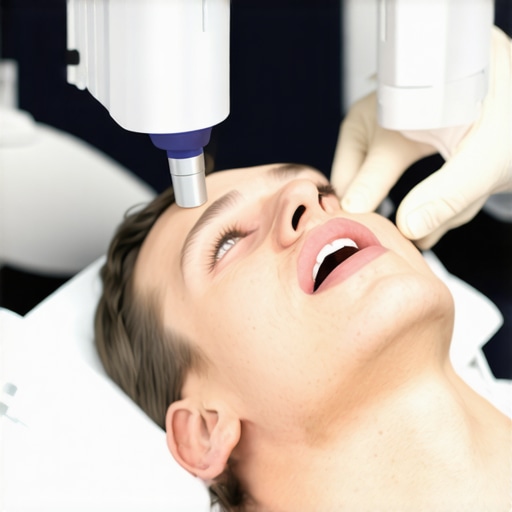
First, book an appointment with your dentist or orthodontist for a bone density scan. This step is crucial because it provides detailed insights into your jawbone’s strength. I once skipped this step and ended up needing additional treatments later, which delayed my progress and increased costs. Don’t make the same mistake—this scan acts like an MRI for your bones, revealing silent issues early. To get started, contact your local dental clinic or visit here.
Assess and Address Nutritional Deficiencies
Next, evaluate your diet and supplement regimen. Bone health depends heavily on calcium, vitamin D, and magnesium intake. I personally added a daily supplement of these nutrients based on my scan results, which visibly strengthened my jawbone after just a few months. Think of your bones as a construction site—without proper materials, the structure can’t support your smile. Incorporate foods like leafy greens, nuts, and fish, or discuss supplement options with your healthcare provider.
Create a Bone-Boosting Lifestyle Routine
Incorporate weight-bearing exercises and avoid smoking or excessive alcohol, which can weaken bones. When I started doing resistance training and cut back on alcohol, I noticed my jawbone feeling more firm and resilient. These habits act as the scaffolding that keeps your bones healthy and receptive to orthodontic work. Small consistency here makes a big difference—set reminders or routines to stay on track.
Coordinate with Your Dental Team for Treatment Planning
Share your scan results and health habits with your orthodontist. This collaboration ensures that your Invisalign plan accounts for bone strength, possibly adjusting treatment timelines or methods. In my case, my dentist recommended extra bone strengthening sessions before refining my braces—this proactive approach prevented future issues. Make sure your treatment plan is personalized and adaptable, emphasizing bone health as a priority.
Implement In-Office Bone Support Procedures if Needed
If your scan indicates significant bone loss, your dentist might suggest in-office procedures like bone grafting or plasmatherapy. I had these procedures done to reinforce my jawbone, which drastically improved the stability of my Invisalign attachments. These treatments might sound intense, but they are highly effective and can accelerate your progress. Discuss potential options and risks thoroughly with your dental specialist.
Maintain Regular Follow-Ups and Monitoring
Finally, keep up with scheduled check-ups to monitor your bone health and overall treatment progress. I set quarterly visits, which helped catch minor bone density drops early, allowing for quick interventions. Think of this as the routine inspections your car needs to stay in top shape—preventive care minimizes surprises and keeps your smile on track for 2026.
When it comes to cosmetic dentistry, many people fall prey to misconceptions that can compromise their results. A common myth is that teeth whitening gels are universally effective—for example, over-the-counter products often promise quick, dramatic results but fail to address underlying issues like enamel health or staining types. In reality, professional whitening procedures, such as those discussed in detail at our whitening secrets for 2025, are tailored to your unique dental condition and yield more reliable, safer results. Believing that all whitening products are created equal is a trap that can lead to enamel damage or uneven discoloration.
Similarly, many assume veneers are a quick fix for aesthetic flaws, but the devil is in the details. Not every veneer is suitable for every patient, especially if there’s underlying decay or gum disease. For a nuanced understanding, explore our guide on veneers made simple, which emphasizes diagnostics and preparation to prevent future complications. Overlooking these factors can result in veneer failure or gum recession that was entirely avoidable.
In family dentistry, the myth that regular checkups are only needed when problems arise persists; however, preventive care saves you from costly treatments later. This is especially critical for children, whose dental development requires attention to avoid misalignments or decay. Consult our family dentistry tips for proactive strategies that benefit all ages.
Now, let’s tackle a common misconception about Invisalign that many advanced readers might wonder about: Can Invisalign really move teeth faster than traditional braces, or is this just marketing hype? To answer this, consider the role of treatment planning and bone health—factors that can influence the speed of tooth movement. Research indicates that combining Invisalign with bone strengthening protocols can significantly shorten treatment time (see here for related innovations). So, while Invisalign has advanced features, its effectiveness depends on nuanced treatment strategies that go beyond the generic ads.
How do you avoid these pitfalls? The key lies in understanding the science behind each treatment and trusting your dental professional’s expertise. Overconfidence in DIY solutions or superficial procedures can backfire, costing you time and money. For example, opting for cheap whitening kits without professional guidance might damage your enamel, or choosing veneers without proper diagnostics could lead to gum recession down the line. Always seek comprehensive evaluations and personalized plans—credentials that will uphold the integrity of your smile in the long run. Remember, superficial fixes often ignore underlying issues that can resurface later, so stay informed and ask your dentist detailed questions about the procedures and products they recommend.
This awareness is the cornerstone of a truly effective aesthetic renovation. Have you ever fallen into this trap? Let me know in the comments, and if you want to explore advanced strategies, check out our detailed guides linked throughout this article.
How do I maintain my dental health equipment over time?
Investing in the right tools is crucial for maintaining your smile’s health and appearance long-term. I personally rely on high-quality ultrasonic toothbrushes, like the Oral-B Genius X, which features AI-powered brushing guidance to ensure thorough cleaning and prevent plaque buildup that can compromise veneers or whitening results. Regularly replacing brush heads—every three months—is a simple yet effective way to maintain optimal cleaning performance. Additionally, I use a water flosser such as the Waterpik Aquarius Professional to remove debris and prevent gum disease, which can affect your orthodontic appliances like Invisalign. Proper maintenance of these tools ensures they deliver consistent results and prolong their lifespan. Looking ahead, advancements like smart toothbrushes integrated with app tracking will become more prevalent, helping users stay consistent and catch issues early. To stay ahead, I recommend pairing your routine cleaning with an electric toothbrush equipped with pressure sensors—this prevents gum recession caused by overbrushing and protects your investment in veneers or whitened teeth.
Why proactive tool care is vital for your smile’s future
Taking care of your dental maintenance tools isn’t just about hygiene; it’s about safeguarding your investment. Using well-maintained tools prevents microbe buildup and mechanical failures that could damage delicate restorations over time. For example, I find that thoroughly cleaning my water flosser’s reservoir weekly, with a vinegar solution, prolongs its efficacy and prevents mold growth. Moreover, storing tools in a cool, dry place helps avoid corrosion, especially for metal components. As technology evolves, I predict the trend towards wireless, app-connected dental devices will become standard, offering real-time feedback. In the meantime, consistent maintenance of current equipment guarantees consistent, long-lasting results—saving you time, money, and dental visits in the long run. If you’re serious about long-term results, consider integrating tools like the Sonicare FlexCare+, which offers customizable cleaning modes and alerts for brush head replacement—making it easier to stick to your routine.
From routine to scaling: expanding your dental toolkit
When scaling your dental care, it’s wise to incorporate at-home whitening maintenance gels, like those discussed in our whitening guide. They help preserve your smile’s brightness without visiting the dentist each time. Additionally, specialized polishing tools, like silicone polishing cups, can be used gently to smooth enamel surfaces after whitening treatments, extending their effects. For veneers or bonding, keep a kit of fine polishing pastes on hand to avoid dullness or staining. Remember, ongoing care isn’t just about tools—regular check-ups help detect early issues with tooth or restorative integrity. I recommend scheduling professional evaluations at least twice a year, especially if you have veneers or Invisalign, as softer upkeep can prevent costly repairs down the line. In the future, I see digital monitoring devices that send your dentist real-time data on your oral health, enabling truly personalized maintenance plans. For now, employing advanced tools like the Oral-B iO Series, which combines AI and oscillating-rotating technology, provides a comprehensive cleaning experience that supports your long-term dental investments.
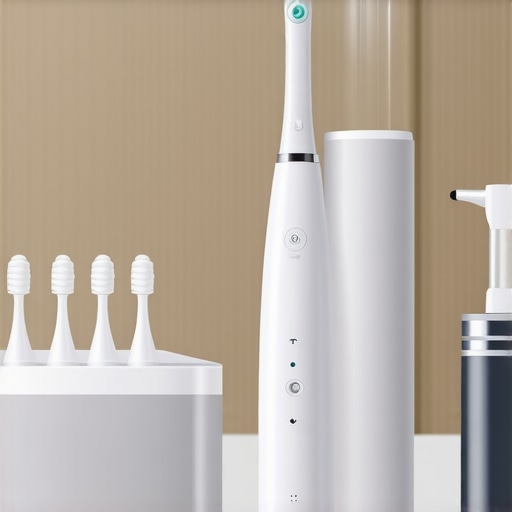
Image description: A modern, sleek electric toothbrush with replacement heads and a water flosser, emphasizing professional-grade maintenance tools for optimal dental health.
Boosting your at-home dental routine with expert-approved methods
One of my favorite advanced tips is to incorporate nightly use of dental probiotics to maintain a balanced oral microbiome, which research suggests can reduce plaque and improve gum health — key factors when aiming for a durable, beautiful smile. These probiotics, like Blis Dental, are designed specifically for oral health, supporting the natural defenses of your gums and teeth. Additionally, investing in a UV sterilizer box for your tools ensures they stay germ-free between uses. Proper storage and regular sanitation sessions with UV light help prevent bacterial buildup that could lead to infections or compromise veneers and whitening treatments. Remember, technology and routine maintenance go hand in hand—pairing these techniques with regular professional assessments creates a synergistic effect that maximizes your smile’s longevity. Don’t hesitate to try a weekly deep-clean using a sonic device with activated charcoal-infused brush heads; many users have reported noticeable improvements in plaque control and overall freshness. Staying disciplined with your tools and routine is often the difference between a short-lived result and a lifetime of confident smiles. For specific guidance, you might explore tips on maintaining whitening products or consult your dental team for personalized support.
What I Wish I Knew Before Starting Invisalign
One of the most eye-opening lessons I learned was the importance of proactively assessing bone health. I used to believe that perfecting my teeth alone would lead to a lasting smile, but realizing that my jawbone’s strength directly impacted my results was a game-changer. I wish I had prioritized a bone density scan early on, understanding it would save me from future setbacks and costly procedures.
The Surprising Power of Small Daily Habits
Incorporating simple routines like nutrient-rich diets, weight-bearing exercises, and proper tool maintenance surprisingly enhanced my bone health more than I expected. These small changes acted as the foundation for my orthodontic success, reminding me that consistent care magnifies results, especially when aiming for a smile that lasts a lifetime.
Why Personalized Treatment Is Worth the Wait
Collaborating with my dental team to tailor my Invisalign plan based on my scan results prevented potential issues. It highlighted that one-size-fits-all approaches often overlook critical factors like bone density, emphasizing the value of personalized care. Investing time in detailed diagnostics truly pays off when creating a stable, beautiful smile in 2026 and beyond.
My Top Tools That Keep My Smile Strong
I rely on high-quality ultrasonic toothbrushes, water flossers, and periodically utilize UV sterilizers to maintain my dental tools. These investments in my routine ensure long-term health and protect restorative work. Embracing tech-driven tools and consistent maintenance proved to be vital pillars in preserving my investment in a confident smile.
Remember: Your Smile’s Future Is Built Today
Taking charge now with informed decisions about bone health and routine care unlocks a future where your smile remains radiant and resilient. Don’t shy away from exploring the latest advancements and personalized strategies—your future self will thank you. Are you ready to prioritize your bone health for a more confident smile in 2026? Share your thoughts below and let’s start the conversation about taking control of your dental future.
Leave a Reply