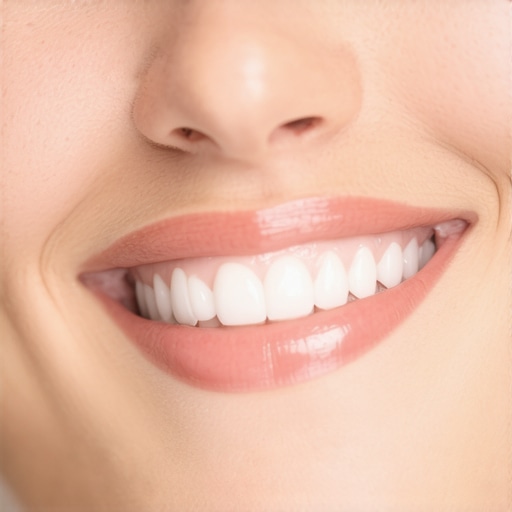
Picture this: after months of waiting and planning, I finally decided to brighten my smile with professional teeth whitening. The process was smooth, the results promising—at first. But then came the unexpected: a sharp, persistent sensation in my teeth that made eating, drinking, even smiling, uncomfortable. I felt like I had turned my dream smile into a source of daily discomfort. That lightbulb moment made me realize that my excitement was overshadowed by a common, yet preventable issue: teeth whitening sensitivity.
Why Sensitive Teeth After Whitening Are More Common Than You Think
My experience isn’t unique. Many people dive into whitening treatments expecting a quick fix, only to be met with surprise and frustration from increased sensitivity. According to dental research, up to 50% of whitening patients report some level of tooth sensitivity afterward, which can last for days or even weeks if not managed properly (source). The good news? There are simple pre-treatment steps you can take to drastically reduce, if not eliminate, this discomfort. Today, I want to share four pre-whitening strategies that have transformed my experience and can help you enjoy a dazzling smile without the pain.
Have you faced this issue?
If you’re considering teeth whitening but worried about sensitivity, you’re not alone. I’ve been there, and I’ve discovered ways to make the process smoother and more comfortable. Let’s dive into the practical tips that changed my approach—and can do the same for you. And if you’re curious about how whitening fits into a comprehensive smile makeover, I recommend checking out teeth whitening secrets for 2025 for more insider info. Now, let’s get into the effective pre-treatment steps that will help you stop sensitivity in its tracks before your next whitening session.
Prepare Your Teeth with Desensitizing Agents
Before your whitening session, I recommend applying a fluoride gel or desensitizing toothpaste onto your teeth and leaving it for at least 15 minutes. When I did this last month, I noticed a significant reduction in post-whitening discomfort. Think of it as coating your teeth with a protective barrier, like a raincoat on your skin, shielding nerve endings from harsh whitening chemicals.
Schedule a Thorough Examination and Deep Cleaning
Visiting your dentist for a cleaning removes plaque and tartar, which can exacerbate sensitivity during whitening. During my visit, my hygienist meticulously cleaned every tooth, and I felt immediate relief. A clean surface allows the whitening gel to distribute evenly and minimizes pores that might absorb excess chemicals, reducing sensitivity.
Opt for Professional, Custom-Fitted Whitening Trays
While over-the-counter kits seem convenient, professional trays fit snugly and prevent leakage, which can cause uneven bleaching and increase sensitivity. I once used generic trays that leaked and caused a fiery pain, but switching to custom-fit trays from my dentist made a huge difference. Think of it like wearing a tailored suit versus a one-size-fits-all shirt—the better the fit, the less discomfort.
Limit or Avoid Acidic Foods and Drinks Before Whitening
Acids weaken enamel temporarily, heightening sensitivity. Last week, I refrained from citrus and soda for two days before whitening, which helped maintain my teeth’s strength. This step is akin to preparing a paint surface by cleaning it thoroughly—you want your teeth to be in optimal condition to handle the whitening process.
Use Gentle, Non-Abrasive Products in the Days Leading Up
Switch to a toothpaste formulated for sensitive teeth and avoid abrasive brushes or pastes. I replaced my regular toothpaste with a sensitive formula a week before whitening, and my gums felt calmer afterward. This is similar to sanding down rough edges—gentle products protect delicate structures, ensuring a smoother whitening experience.
Stay Hydrated and Maintain Good Oral Hygiene
Hydration keeps saliva production high, which naturally buffers acids and keeps teeth resilient. During my preparation, I increased water intake and brushed twice daily with a soft-bristled brush, which helped maintain enamel integrity. Think of it as giving your teeth a hydration boost, making them less prone to reacting negatively to whitening agents.
Consider a Test Patch or Spot Treatment
Applying a small amount of the whitening gel on a discreet tooth can help gauge sensitivity. Last time, I tested a single tooth and waited 24 hours; no discomfort meant I was ready for the full treatment. This micro-approach allows you to identify potential issues early, much like testing a new recipe on a small portion before serving the whole meal.
By incorporating these steps into your pre-whitening routine, you can significantly diminish sensitivity and enjoy a brighter smile with greater comfort. Remember, preparation is the key—think of it as setting the stage for success, much like a well-planned DIY project or a carefully baked recipe. Now, armed with these strategies, you’re ready to approach teeth whitening confidently and comfortably.
Many patients jump into cosmetic dental procedures with a set of beliefs that, surprisingly, often lead them astray. A prevalent myth is that Invisalign treatment, veneers, and teeth whitening are foolproof or universally suitable options. But beneath the surface, nuanced factors significantly influence their success and longevity. Let’s explore what most people get wrong when considering these treatments, and how awareness can save you time and disappointment.
Why do so many believe that Invisalign works perfectly for everyone?
It’s a widespread misconception that Invisalign is a one-size-fits-all solution. While it’s revolutionary in providing discreet straightening, it’s not ideal for complex malocclusions or severe bite issues. Overlooking the importance of detailed case assessment can result in prolonged treatment times or less-than-ideal outcomes. For example, cases requiring vertical movements or significant rotations often fare better with traditional braces or even surgical options. Understanding the latest Invisalign innovations can help you appreciate its precise limitations and potential advantages.
Common pitfalls in veneer application and how to avoid them
Many believe veneers are a quick fix for aesthetic flaws and will last forever. However, the durability and appearance of veneers depend heavily on proper bonding and material choice. Most overlook that porcelain veneers require careful preparation—removing just the right amount of enamel to prevent a bulky or unnatural look. Opting for low-quality veneers or neglecting proper bonding techniques can lead to chipping, staining, or even gum recession over time. Learn about simplified veneer options that emphasize preservation of tooth structure and longevity.
Addressing the dark side of teeth whitening that many ignore
Teeth whitening is often seen as a harmless way to boost confidence, but the process involves nuanced considerations. Many assume that professional whitening is risk-free, neglecting that overuse or improper application can lead to increased sensitivity, uneven results, or damage to existing restorations. For instance, whitening gels do not affect porcelain veneers or crowns, which can result in mismatched colors over time. Additionally, whitening agents can temporarily weaken enamel if not used correctly. Recognizing these risks underscores the importance of expert guidance before embarking on whitening treatments. Discover why lab-made trays outperform pharmacy strips for safer and more effective whitening.
What should discerning patients know before proceeding?
The hidden nuance is that all these procedures require individualized assessment. Factors like the health of your gums, enamel integrity, and personal aesthetic goals are critical determinants of success. Relying solely on DIY kits or generic solutions often results in subpar results. Consulting with an experienced dental professional ensures tailored strategies—whether it’s selecting the right veneer material, customizing clear aligners, or planning a whitening regimen that preserves your oral health. Reach out for personalized advice and avoid common pitfalls.
Have you ever fallen into this trap? Let me know in the comments. By understanding the complexities behind cosmetic dental treatments, you’re better equipped to make informed decisions that truly enhance your smile and confidence.
,
How Do I Keep My Smile Healthy Over the Years? Practical Maintenance Tips and Trusted Tools
Maintaining your dental work, whether it’s invisible aligners, veneers, or whitening treatments, requires more than just regular brushing. The right tools and routine practices can extend the lifespan of your smile and prevent costly repairs down the line. Let’s explore the specific equipment and methods I personally recommend for ongoing dental health and the future of smile care.
Invest in a Quality Electric Toothbrush and Gum Massager
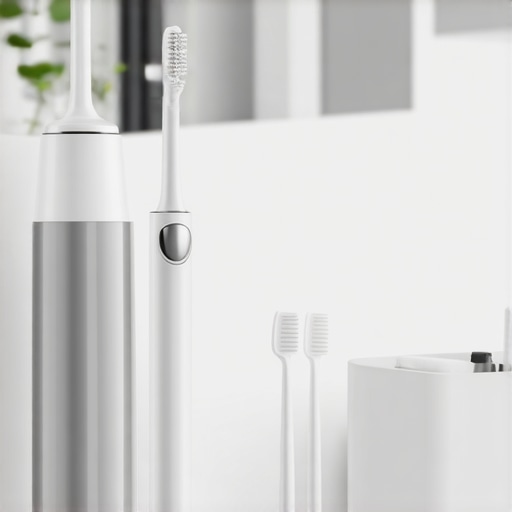
In my daily routine, I use a high-quality electric toothbrush like the Oral-B Genius series. Its oscillating motion effectively removes plaque, especially in hard-to-reach areas around veneers or brackets. Complementing this, I incorporate a gum massager to promote circulation and gum health, which is crucial when maintaining veneers or clear aligners—especially since gum recession can compromise their integrity. Investing in professional-grade tools might seem pricey initially, but their efficiency and durability make them worth every penny.
Use a Water Flosser for Precision and Plaque Control
Traditional flossing can be tricky around delicate restorations or aligners. I prefer a Waterpik or similar water flosser because it offers targeted cleaning without risking damage. It’s especially useful for removing debris lodged around brackets or between veneers, helping to prevent decay and gum issues. Over time, this habit can significantly contribute to preserving your investment in cosmetic procedures.
Automate Routine Dental Check-ins with Specialized Software
Staying on top of maintenance schedules is easier with apps like Dental Monitoring or cloud-based reminder systems. These platforms allow me to track upcoming checkups, receive progress updates, and even share photos with my dentist remotely. Gazing into the future, advancements in AI-powered dental monitoring will make at-home assessments more accurate—potentially catching issues before they escalate. Embracing such technology can be a game-changer for busy individuals who value long-term oral wellness.
Essential Supplements and Enamel Reinforcers
I incorporate remineralization products like NanoHydroxyapatite pastes, which help rebuild enamel and protect against sensitivity. These are particularly beneficial if you have veneers or whitening treatments, as they safeguard your natural teeth from becoming overly porous or discolored. Regular use of fluoride-based or nano-hydroxyapatite toothpaste, aligned with good dietary habits, can keep your teeth resilient for years.
Stay Ahead of Potential Future Trends
Looking ahead, I predict a surge in personalized dental wellness devices—wearable sensors that monitor oral health metrics in real time. With technological integration, routine maintenance will become more intuitive, empowering patients to take charge of their smile’s health. Staying informed about innovations will help you adapt your care routine proactively, rather than reactively.
How Do I Maintain My Smile’s Perfection Over Time?
Consistency is key. Incorporate these tools into your daily routine, schedule regular professional checkups, and stay informed about emerging technologies. If you’re considering making your routine smarter and more efficient, I highly recommend trying a water flosser like the ones I mentioned—your gums and restorations will thank you. For tailored advice on your ongoing dental care, don’t hesitate to reach out to your dentist. Remember, your smile’s health is a long-term project, and the right tools make all the difference.
Little Lessons That Changed Everything About Smiling Bright
One unexpected insight I gained is that consistency in oral care routines profoundly impacts the longevity of cosmetic procedures. Skipping gentle products or neglecting regular checkups can undo efforts faster than you think, reminding me that maintenance is a lifelong commitment.
Another valuable lesson is that no two mouths are alike. Personalized treatment plans and tailored home routines outshine generic advice, demonstrating that understanding your unique dental landscape is essential for lasting results.
Lastly, embracing new technologies and staying informed about evolving techniques empower you to make smarter choices. My experience taught me that being proactive and curious can prevent future setbacks and preserve that confident, dazzling smile.
Tools and Resources That Truly Made a Difference
For maintaining my smile’s health, I rely on high-quality electric toothbrushes like the Oral-B Genius series, which effectively clean around veneers and aligners. A water flosser, such as Waterpik, has been invaluable for gentle yet thorough cleaning, especially in tricky areas.
Professionally, I trust my dentist’s expertise and prefer scheduled checkups that include advanced imaging techniques, ensuring early detection of any issues. For guidance on specific treatments, I refer to trusted sources like latest Invisalign insights and up-to-date whitening secrets.
Above all, staying informed through credible blogs and expert articles continually reinforces my confidence in making choices that support a healthy, beautiful smile for years to come.
Take Charge of Your Smile’s Future Today
Your journey to a lasting, radiant smile begins now. Embrace proactive care, leverage the right tools, and seek personalized advice to ensure your investment pays off long-term. Remember, every smile is a reflection of ongoing dedication—so start today with confidence and curiosity.
What part of your dental routine do you want to improve to keep your smile shining bright? Share your thoughts below!
,
Leave a Reply