It was a telltale bolt of pain that made me sit up straight—my latest teeth-whitening session had left me cringing. I had thought I was prepared for a brighter smile, but that sudden jolt of sensitivity caught me off guard, and I wondered if I’d just ruined everything. If you’re like me, trying to achieve that perfect gleam without turning your teeth into nerves of steel, then this post is for you.
Why Sensitivity Can Ruin Your Whitening Plans
Many folks jump into teeth whitening expecting quick results and no discomfort. But what they don’t realize is that sensitivity can sabotage the entire process. It’s not just a minor annoyance—it’s a major hurdle that can discourage you from sticking to your whitening routine or even cause you to abandon it altogether. I found myself hesitant to repeat treatments, feeling anxious about the pain and possible damage. That’s when I stumbled upon a game-changer: pre-treatments that reduce sensitivity before whitening.
Research shows that over 40% of people experience some degree of tooth sensitivity after whitening treatments. If you’re trying to enjoy a brighter smile without the side effects, it’s crucial to take proactive steps. Early on, I made the mistake of skipping these pre-treatments, thinking they were just an extra step. Trust me, that was a rookie move, and it made me suffer more than necessary. Since then, I’ve learned some tricks that can help you sidestep that pain and make your whitening experience smoother.
Is Teeth Whitening Sensitivity Actually Worth the Hype?
Initially, I wondered, “Is all this fuss about pre-treatments just marketing hype?” Turns out, not at all. They genuinely work. But for years, I ignored the advice of experts and paid the price in discomfort. If you want to get that dazzling smile without the post-treatment agony, these four pre-treatments are your best friends. Keep reading, because I’ll share what I wish I knew before my first whitening attempt, and how you can avoid the pitfalls that can make your journey uncomfortable.
Prepare Your Teeth Before Treatment
Start by assessing your oral health with your dentist. Schedule a check-up to identify any issues like cavities or gum disease that could increase sensitivity. Use a desensitizing toothpaste daily for two weeks prior to whitening. I remember visiting my dentist and they recommended a specific fluoride gel to strengthen enamel—this small step made a significant difference in my comfort level during whitening.
Choose the Right Whitening Products
Select products formulated for sensitive teeth. Look for those with ingredients like potassium nitrate or stannous fluoride that help block pain signals. When I tried a gentle whitening pen, I noticed less discomfort compared to aggressive gels. Avoid over-the-counter strips that aren’t designed for sensitive teeth as they can cause more harm than good.
Apply Pre-Treatments Effectively
Use desensitizing gels or fluoride varnishes as a pre-emptive measure before whitening. My dentist applied a fluoride gel and asked me to wait 10 minutes before proceeding. This creates a protective barrier over the nerve endings, reducing the risk of pain. I recommend following your dentist’s instructions strictly, as improper application can offset the benefits.
Opt for Proper Whitening Application Techniques
Apply the whitening agent precisely and avoid over-application. Using a small brush, I carefully coated my teeth, avoiding the gums to minimize irritation. Keeping the trays or strips in place for the recommended time prevents excess exposure. Don’t rush the process; patience guarantees a smoother experience and better results.
Manage Sensitivity During Treatment
If you start feeling discomfort, remove the whitening product immediately and rinse your mouth with warm water. For ongoing sensitivity, apply a fluoride rinse to soothe nerves. I found that taking short breaks during whitening sessions helped my teeth recover from initial discomfort. Listen to your body’s signals—pain is a warning to adjust your process.
Aftercare for Continued Comfort
Post-treatment, avoid very hot, cold, or acidic foods for 24 hours. Use desensitizing toothpaste again to maintain enamel strength. Regular flossing and brushing with a soft-bristled toothbrush also help prevent further irritation. I learned that keeping up with these habits helped my teeth stay comfortable and bright after whitening.
Consult Your Dentist for Personalized Strategies
Every mouth is different, so personalized advice from your dentist is invaluable. They can recommend specific pre-treatment protocols or alternative whitening options like laser treatments, which tend to cause less sensitivity. Visiting https://smilegumcare.com/teeth-whitening-secrets-for-a-sparkling-smile-in-2025-at-1248 provides insight into options suitable for sensitive teeth and how to choose what works best for you. Remember, informed choices lead to better, pain-free outcomes.
 Many people believe that family dentistry is just about routine cleanings or that teeth whitening results are purely aesthetic with no hidden risks. But as an expert in dental aesthetics, I can tell you that misconceptions abound, and understanding the subtleties can save you money, discomfort, and even your dental health. One widespread myth is that cosmetic procedures like veneers or Invisalign are universally suitable for everyone; in reality, individual anatomy, bone density, and gum health heavily influence outcomes. For example, some patients overlook the importance of assessing bone thickness before opting for veneers, which can lead to unanticipated issues like gum recession or veneer failure—a risk highlighted in studies on bonding longevity (see https://smilegumcare.com/is-your-2026-porcelain-veneer-failing-4-signs-to-watch-for).
A key nuance often missed is the difference between functional and purely aesthetic orthodontic treatment. Many assume Invisalign is a teeth-straightening miracle, but advanced cases requiring significant bite correction may need surgical intervention or alternative therapies. Also, incomplete tracking of Invisalign trays—common among laypeople—is a detail that can prolong treatment or cause relapses. Strategies to optimize tray fit, like the tips in https://smilegumcare.com/4-ways-to-force-stubborn-invisalign-trays-to-track-in-2026, demonstrate that expert guidance often explains why some treatments succeed while others falter.
When addressing teeth whitening, it’s tempting to rely solely on over-the-counter gels, yet misapplication or choosing the wrong product can result in sensitivity or uneven coloring. Professional whitening with custom trays and calibrated agents often yields safer, more predictable results. But, an advanced mistake is neglecting the underlying causes of discoloration—like fluorosis or intrinsic stains—that require specialized care. As discussed in https://smilegumcare.com/why-2026-laser-whitening-fails-on-gray-teeth-lab-test, lab-tested protocols and understanding stain types are crucial.
Furthermore, many assume that all veneers are the same, not recognizing the differences in material quality, bonding procedures, and long-term maintenance. Resin veneers, for example, are cheaper but tend to discolor and chip faster, risking your investment in that perfect smile. Visiting https://smilegumcare.com/veneers-made-simple-transform-your-tooth-aesthetics-in-2025-at-1822 can help you discern the nuance between veneer options and their respective longevity.
Finally, aiming for a perfect smile without considering the health of your gums and underlying bone can lead to costly reworks. Periodontal health is foundational, yet often overlooked when planning cosmetic procedures. Regular check-ups and consultations with your dentist ensure that aesthetic goals align with overall oral health—something I emphasize in my articles about family tips (see https://smilegumcare.com/family-dentistry-tips-creating-a-healthy-smile-for-your-kids-at-0915).
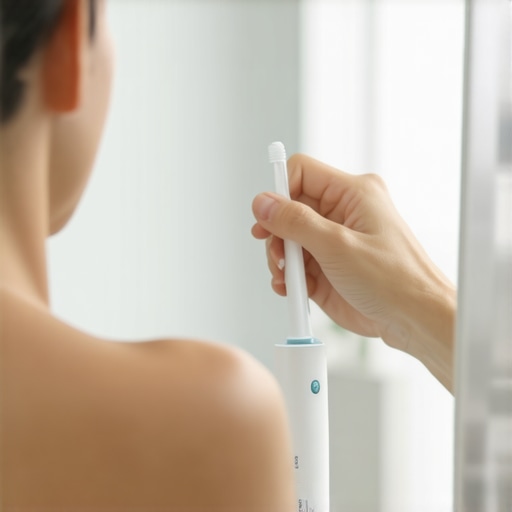
So, the next time you read about smile transformations or dental aesthetics, remember that real expertise involves understanding the complex, often hidden details. Don’t fall for superficial fixes—invest in personalized, informed care for sustainable results. Have you ever fallen into this trap? Let me know in the comments and share your experiences.Maintaining your smile after procedures like veneers or Invisalign isn’t just about sticking to routine check-ups; it requires the right tools and consistent practices to ensure long-term success. One of my go-to tools is a high-quality ultrasonic toothbrush, like the Philips Sonicare DiamondClean. Its gentle yet effective cleaning action helps prevent plaque buildup around veneers and behind orthodontic attachments, which can compromise both appearance and health. I personally prefer models with multiple brushing modes and timers, as they encourage thorough and consistent cleaning sessions.
Another essential component is using a water flosser, such as the Waterpik Aquarius. Flossing is often neglected but is critical for cleaning between teeth and along the gumline, especially around veneers or orthodontic appliances. I incorporate daily flossing with the water flosser because it reaches areas that traditional floss might miss, reducing the risk of gum recession or decay — issues that could jeopardize your investment in cosmetic work.
For tracking and monitoring your progress, I rely on dental apps likeDental Monitoring or MySmileBuddy. These platforms allow you to send images and receive professional feedback without frequent visits, saving time and catching minor issues before they escalate. This integration of technology ensures consistent care, especially for those with busy schedules.
Looking ahead, I believe advancements in artificial intelligence and at-home monitoring devices will make long-term dental maintenance even more personalized. Imagine sensors embedded in your veneers or aligners that notify you of early wear or hygiene issues via your smartphone. This proactive approach would empower patients to take control and prevent costly repairs or replacements.
It’s crucial to address, “How do I maintain my dental enhancements over time?” This involves a systematic routine: regular professional check-ups, diligent at-home care with proven tools, and leveraging technology to detect potential issues early. Professionals like those at Smile Gum Care emphasize that personalized maintenance plans, tailored to your specific procedures, significantly extend the lifespan of veneers, whitening, and aligners.
If you’re ready to elevate your maintenance routine, I highly suggest trying a dedicated ultrasonic toothbrush paired with a water flosser. These tools, combined with consistent visits, create a formidable defense against deterioration.
For further tips on sustaining a healthy smile, explore our detailed guide on family dentistry practices, which offers insights into integrating these tools into your daily routine. Remember, investing in the right tools today ensures your beautiful smile remains flawless tomorrow—don’t wait until minor issues become costly repairs.
Throughout my journey with family dentistry, teeth whitening, Invisalign, and veneers, I’ve uncovered some unexpected truths—lessons that transformed my approach from tentative to confident. The first hard-won insight was realizing that pre-treatment care isn’t just a routine step; it’s the foundation of comfort and success. Skipping thorough assessments or neglecting desensitizing tools almost always led to setbacks, reminding me that investing time upfront truly pays off.
The second revelation was that product selection matters immensely. Professional, tailored solutions outshine over-the-counter options, especially when dealing with sensitive teeth or complex discoloration. Choosing the right whitening system or alignment method made my treatments smoother and more predictable.
Thirdly, patience is underrated. Rushing the process—whether applying veneers or forcing Invisalign trays—inevitably results in discomfort or imperfect results. Embracing a step-by-step approach, and listening to my body’s signals, made all the difference.
Lastly, ongoing maintenance cannot be overlooked. Technologies like ultrasonic toothbrushes and water flossers have become essential in preserving my smile’s health and brilliance over time. Regular check-ups and staying updated with innovations in dental care keep my smile radiant and my confidence high.
These insights weren’t just lessons—they became habits that elevated my dental journey, ensuring that my smile remains both beautiful and healthy for years to come. For personalized advice, visiting https://smilegumcare.com/contact-us can connect you with professionals who prioritize your unique needs.
Leave a Reply