
4 Red Flags Your Gums Are Rejecting Those New Porcelain Veneers
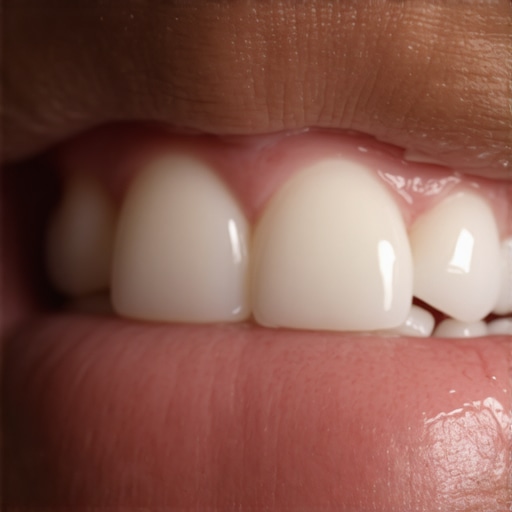
I vividly remember the moment I realized my new porcelain veneers might be doing more harm than good. One morning, I noticed my gums feeling tender and swollen right at the edges of my veneers. It was a lightbulb moment—something wasn’t right. I had invested so much hope into achieving that perfect smile, yet now I was facing discomfort and uncertainty. If you’ve recently gotten veneers and are noticing similar issues, you’re not alone.
**Why This Matters Right Now**
Many people opt for veneers to boost their confidence or fix minor imperfections. But if your gums are rejecting those beautiful porcelain shells, it can lead to long-term damage, including gum recession, infections, or even the need for costly replacements. Early signs often go unnoticed or are dismissed as normal sensitivity, but ignoring these red flags can jeopardize your oral health.
**Let’s be honest: Getting veneers is a significant investment—not just financially, but in terms of your smile’s appearance and your overall well-being.** Recognizing the warning signs early can save you from pain and expenses down the road. Did you know that a study published in the Journal of Clinical Periodontology revealed that improper veneer application can accelerate gum recession if issues are ignored? Recognizing the signs early and addressing them promptly is crucial.
**Have you felt your gums are reacting strangely since your veneer placement?** If so, it’s vital to understand what might be happening and how to handle it. Today, we’ll explore the four common red flags indicating your gums might be rejecting those new veneers. My goal is to share expert insights and practical steps to help you protect your smile, whether you’re contemplating veneers or want to ensure your current ones are safe and sound.
Now, let’s jump into the first warning sign and see what you should be looking for to keep your gums healthy and your smile radiant.
Detect the Signs Early and Take Action
Start by inspecting your gums regularly for swelling, redness, or tenderness, especially around your veneer edges. Use a mirror to visually examine the gumline and note any changes. If you notice issues, schedule an appointment with your dentist at our contact page immediately to prevent escalation.
Practice Precise Oral Hygiene
Proper brushing and flossing are your first defense. Use a soft-bristled toothbrush to gently clean along the gumline twice daily, and floss carefully to avoid disturbing the veneer bond. Consider using a therapeutic mouthwash with antibacterial properties to reduce inflammation. Effective oral hygiene reduces plaque accumulation that can speed up gum recession or infections.
Utilize Anti-Inflammatory Techniques
Apply ice packs on the outside of your cheeks to reduce gum swelling after noticing discomfort. Massage the gums gently with your finger to promote blood circulation and alleviate tenderness. Maintaining a balanced diet rich in vitamins C and D supports gum health, helping your body combat inflammation and healing faster.
Modify Your Daily Habits for Protection
Avoid hard or sticky foods that may put pressure on veneers or dislodge them, especially during the initial healing phase. If you grind your teeth at night, use a custom nightguard to prevent undue stress on your gums and veneers. Keeping habits like smoking to a minimum aids in healthy gum tissue regeneration.
Follow Professional Guidance for Repairs
If your gums continue to react adversely, discuss potential interventions such as gum contouring or re-bonding of veneers with your dentist. They might recommend laser treatments or other minimally invasive procedures to promote tissue regeneration. Staying proactive and following professional advice can save your smile from long-term damage.
When it comes to cosmetic and family dentistry, many assume they understand the fundamentals. But let’s dig deeper into some common misconceptions and nuances that can trip up even experienced patients. For example, a widespread myth about veneers is that once bonded, they are invincible; however, without proper care, veneers can chip, stain, or even cause gum recession over time. Recognizing these advanced issues is crucial for long-term success.
Similarly, many believe teeth whitening results are permanent, but in reality, they often fade within months if not maintained correctly, especially if patients neglect ongoing oral hygiene or indulge frequently in staining foods and beverages. It’s important to understand that initial whitening isn’t a one-off fix but part of a continuous process.
In family dentistry, there’s a misconception that preventative care is only necessary for children or at regular checkups. But in truth, maintaining consistent at-home routines and annual professional cleanings for adults can prevent complex issues like gum disease or decay that may require invasive treatments later. Family dental tips reinforce this point.
How do I keep my dental transformations working for years to come?
Maintaining your smile’s health and appearance after treatments like Invisalign, veneers, or teeth whitening requires the right set of tools and consistent habits. Personally, I rely on high-quality ultrasonic toothbrushes such as the Philips Sonicare DiamondClean. These devices provide superior plaque removal, especially important around veneers and gum line areas, reducing the risk of peri-implantitis or veneer lift-offs. Their gentle yet effective bristle movements protect delicate restorations while ensuring comprehensive cleaning.
I also incorporate professional-grade whitening gels like the purple toners available through dentists, which I find more effective and gentle than over-the-counter strips. Using these selectively, in combination with custom-made whitening trays, gives me control over whitening results and minimizes sensitivity. Investing in a good set of dental floss, such as the Glide Plus Comfort Floss, helps maintain gum health by thoroughly removing plaque without damaging the delicate gum tissue around veneers or orthodontic attachments.
From a software perspective, I recommend scheduling regular check-ins with your dentist through a practice management system like Dentrix Ascend. These platforms help track your dental health history, monitor adjustments, and alert you when maintenance appointments are due, ensuring your treatments stay on track long-term. Additionally, digital tools like 3D intraoral scanners allow your dentist to assess the health of your restorations more accurately, enabling early intervention if issues arise.
Looking ahead, I believe the trend towards AI-powered dental monitoring will revolutionize at-home maintenance. Devices that sync with your smartphone and analyze photographs of your smile can flag problem areas proactively, allowing for timely professional intervention. This technology is likely to become more accessible and affordable, encouraging patients to take greater ownership of their oral health.
What kinds of tools make a real difference for long-term dental health?
For example, investing in a smart electric toothbrush that tracks your brushing habits and provides real-time feedback ensures thorough cleaning—especially around tricky areas like veneer margins or braces attachments. Regular use of antimicrobial mouth rinses can keep inflammation at bay, and getting professional cleanings with ultrasonic scalers helps prevent plaque buildup that can compromise your restorations.
Try implementing a routine with these advanced tools, and consider setting reminders via your smartphone to maintain consistent oral hygiene. These small but crucial steps will help your smile stay radiant and healthy for years to come. For further insights on maintaining your smile, browsing our family dentistry tips can provide additional support.
Why I Never Expected My Smile’s Greatest Lesson to Be About Gaps and Recession
Discovering subtle signs of gum rejection after getting veneers shifted my perspective on dental health from routine to vigilant. I learned that even small discomforts are signals, not just nuisances, and listening to them can prevent long-term damage.
The One Tip That Transformed How I Maintain My Veneers
Integrating high-tech tools like ultrasonic toothbrushes and digital monitoring systems made a world of difference. These devices gave me real-time feedback and helped me catch issues early, saving me from costly repairs.
My Personal Wake-Up Call About Consistent Care
The biggest lesson? Oral health isn’t a set-it-and-forget-it deal. Regular professional check-ins and daily diligent hygiene practices are essential, especially when caring for restorations like veneers and dental implants. Prioritizing this routine has kept my smile radiant and healthy.
Curious About Protecting Your Smile? Let’s Talk
Share your experiences or questions about veneers, gum health, or long-term dental maintenance below. Your insights might be the encouragement someone else needs to take that crucial next step toward a healthier smile!
Comments are closed.