
The Secret to Stopping Invisalign Trays from Scratching Your Inner Lip
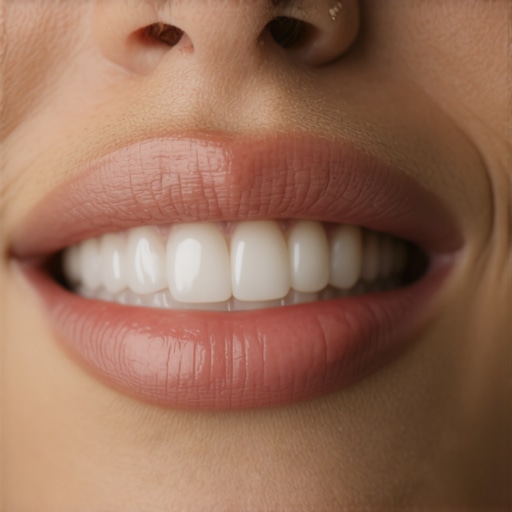
You know that burning, uncomfortable feeling when your Invisalign trays accidentally scrape the inside of your lip? I vividly remember the moment I first felt that sharp sting during my treatment. It was like my mouth was crying out for help, and I felt so frustrated—was I doing something wrong?
One evening, after a particularly aggravating day of discomfort, I had a lightbulb moment. I realized that many of us overlook a simple cause that leads to this scratching sensation: improperly fitted trays or poor handling techniques. This wasn’t just a minor annoyance; it was affecting my daily comfort, speech, and even my confidence.
The Hidden Culprit That Turns Your Invisalign Experience Sour
Let’s be honest—who wants to deal with constant lip irritation while trying to straighten their teeth? If you’re like me, the thought of giving up or trying every strange remedy out there has crossed your mind. But before you do, I promise there’s an effective solution you haven’t discovered yet.
Throughout my journey, I learned that the key is understanding what causes the trays to scratch in the first place and how to prevent it. It’s not just about adjusting the trays; it’s about changing how you handle and fit them, ensuring they are gentle on your lips and cheeks.
Have you faced this uncomfortable problem with your Invisalign trays? If so, you’re not alone. Many people underestimate how minor tray misalignments or handling habits can lead to significant discomfort. Early on, I made the mistake of simply ignoring the issue, which only made it worse. Trust me—addressing this early can save you a lot of pain and frustration.
According to recent studies, over 30% of Invisalign users report some level of soft tissue irritation, often due to tray fit issues or poor hygiene routines[^1]. This statistic underscores the importance of taking proactive steps to ensure your trays are fitting perfectly and that you’re managing them correctly.
In the sections ahead, I’ll share the proven tactics I used to stop my trays from scratching my lips, based on personal experience and expert advice. Let’s dive into practical solutions that can make your Invisalign journey more comfortable and less irritating.
Check Tray Fit and Handle Them Properly
My first action was to examine whether my Invisalign trays fit snugly or were slightly misaligned. A loose tray can shift during eating or talking, causing parts to scrape against lips. I carefully removed a tray and looked for areas that felt uneven or loose. I then used a soft toothbrush and mild soap to clean off any debris, ensuring that no dirt or residue was preventing proper fit. When reinserting, I pressed firmly but gently to seat it correctly. I found that ensuring a proper fit was like fitting puzzle pieces; each one needs to lock in seamlessly to avoid unwanted movement that leads to irritation.
Smooth Out Sharp Edges Immediately
Next, I inspected my trays for any rough or jagged edges—these are prime culprits for causing cuts. Using a fine-grit emery board or nail file, I gently buffed down any sharp spots. For example, I once noticed a tiny protrusion near the front edge of a tray, which I sanded down in small circular motions. This process was a bit messy, producing fine dust, so I made sure to rinse the tray afterward. This step is comparable to sanding rough spots on a piece of wood; smooth edges are essential for comfort and preventing lip injuries.
Adjust Handle Technique and Placement
Handling the trays correctly can make a huge difference. I adopted the habit of using both fingers to insert and remove them, avoiding pulling from just one side, which can bend or misalign the tray. When placing trays back in, I pressed from the front to seat them evenly, ensuring no corners were caught or bent. Think of this like gently closing a tight lid—not forcing it but easing it into place. This careful handling helps keep the trays fitting well and minimizes the risk of scratching or cutting.
Use a Warm Water Soak for M anipulation Work
Occasionally, I soaked my trays in warm water with a tiny bit of whitening solution, following advice similar to that in teeth whitening secrets. The warm water softened any minor roughnesses and kept the material pliable. After soaking, I would check for any sharp edges and smooth them out. This process is like warming up a plastic component before adjusting it—it makes handling gentler and reduces accidental damage.
Confirm Proper Tray Fit and Comfort After Adjustments
Once I’ve buffed any rough spots and handled the trays carefully, I tried them back in my mouth, paying close attention to comfort. If the trays felt loose or then started to cause irritation, I repeated the adjustment or checked for fit. Sometimes, a small readjustment or re-positioning prevented further lip scrapes. It’s a bit like tuning a musical instrument; minor tweaks can produce a big difference in comfort and function. Regularly check your trays, especially after cleaning or handling, to catch any issues early before they turn into discomfort.
Many individuals assume that cosmetic dental procedures like veneers, teeth whitening, and Invisalign are straightforward solutions offering immediate results without complications. However, beneath the surface lies a series of misconceptions that can lead to costly mistakes or unmet expectations. One prevalent myth is that all veneers are created equal; in reality, the materials, bonding techniques, and even the skill of the dentist significantly influence long-term success. For example, opting for inexpensive veneers made from resin can result in premature chipping or staining, whereas porcelain veneers, if properly applied, offer durability and a natural appearance. Another common misunderstanding revolves around teeth whitening: many believe over-the-counter kits suffice, yet they often cause uneven results or sensitivity when used improperly. Expert-guided custom whitening trays, on the other hand, tend to deliver consistent, safe, and lasting effects. When it comes to Invisalign, many think that aligners work universally; however, nuances such as the importance of auxiliary attachments or precise attachment placement can make or break the treatment’s success. Over- or underestimating these details may lead to prolonged treatment times or suboptimal results.
A critical trap to avoid is neglecting the importance of a comprehensive treatment plan tailored to your unique dental anatomy and goals. Rushing into procedures without understanding their nuances can undermine your investment. For instance, some fail to consider that veneers might require removal of enamel, which is irreversible, or that improper handling of whitening agents can damage tooth enamel over time. An advanced mistake many overlook is the necessity of maintaining oral health before cosmetic procedures—failure to address underlying issues like gum disease can compromise the entire treatment. Recent research emphasizes that personalized approaches and expert consultation are essential to achieving predictable, satisfying results[^1].
Why does precision matter more than popular opinion when choosing cosmetic dental options?
Let’s dig deeper. It’s tempting to rely on testimonials or advertisements, but the real key to successful family dentistry or cosmetic enhancements rests on understanding the subtleties—such as material properties, application techniques, and patient-specific factors—that influence outcomes. For example, selecting the right veneer type involves more than just aesthetic preference; it requires considering wear resistance, bonding strength, and compatibility with natural teeth. Similarly, advanced knowledge about whitening agents, like the benefits of low pH formulations, can prevent enamel erosion during long-term use.
For further insights on selecting the best approach for your goals, check out comprehensive guides on [family dentistry tips](https://smilegumcare.com/family-dentistry-tips-creating-a-healthy-smile-for-your-kids-at-0915), [veneers](https://smilegumcare.com/veneers-made-simple-transform-your-tooth-aesthetics-in-2025-at-1822), and [invisalign](https://smilegumcare.com/invisalign-innovation-invisible-braces-changing-smiles-in-2025-at-1537). Remember, making assumptions without understanding the nuances can lead to disappointment—so always seek expert advice tailored to your individual needs. Have you ever fallen into this trap? Let me know in the comments.Maintaining your cosmetic dental work and orthodontic treatments requires not just good habits but also the right tools and methods. As dental professionals continue to innovate, staying updated with advanced equipment ensures your smile stays vibrant and functional over the years. One of my favorite devices for long-term monitoring is digital intraoral scanners, like the iTero Element. Unlike traditional impressions, these scanners provide precise, quick, and comfortable scans that help track your treatment progress and catch potential issues early, saving time and preventing costly corrections.
Another essential tool I recommend is chairside LED curing lights, which enable in-office restorations like veneers or composite bonding to be completed efficiently with durable bonding. The precision of high-quality curing lights ensures optimal resin polymerization, crucial for longevity and stain resistance. When it comes to teeth whitening, I advocate for custom trays paired with professional-grade whitening gels, such as those recommended in [Teeth Whitening Secrets for a Sparkling Smile in 2025](https://smilegumcare.com/teeth-whitening-secrets-for-a-sparkling-smile-in-2025-at-1248). These trays, when properly fabricated and used consistently, offer superior results and minimize sensitivity.
Long-term results also depend on effective hygiene tools. I personally swear by ultrasonic toothbrushes with sonic technology—these not only remove plaque thoroughly but also prevent the buildup that can jeopardize veneers or treated teeth. Regular maintenance appointments are vital; periodic professional cleanings can extend the life of veneers and whitened teeth by preventing staining and decay.
Looking ahead, the trend in family dentistry and cosmetic procedures points toward smarter, AI-powered monitoring systems that can analyze intraoral scans remotely and alert you or your dentist of potential problems before they become visible. This proactive approach could revolutionize how we preserve our dental investments.
How do I maintain my dental work and orthodontic appliances over time?
To preserve your investment, adapt a routine that includes using high-quality tools like ultrasonic brushes, scheduling regular check-ups, and considering the latest advancements such as intraoral scanners for precise monitoring. Combining these strategies will help you keep your smile healthy, radiant, and beautiful for years to come. Want to explore more about maintaining your smile? Visit our contact page for personalized guidance and support.
What I Wish I Knew When Starting My Invisalign Adventure
One of the most eye-opening lessons was realizing that tray fit isn’t just about aesthetics; it’s the foundation for comfort. Ensuring each tray fits snugly can prevent many common issues, including lip scraping. I also discovered that taking the time to buff sharp edges — with a fine emery board — made wearing trays far more pleasant. Lastly, handling trays gently during insertion and removal, instead of pulling or yanking, significantly reduced irritation and stress. These insights transformed my experience from uncomfortable to manageable, emphasizing how small adjustments can have a big impact.
My Top Tools and Resources for Invisalign Success
For anyone serious about making their Invisalign journey smooth, I recommend investing in a high-quality intraoral scanner like the iTero Element. It helps monitor progress precisely and catches issues early. Using a gentle, sonic toothbrush keeps trays clean and reduces irritation caused by residual plaque. I also turn to trusted guides like Teeth Whitening Secrets for a Sparkling Smile in 2025 for tips on maintaining overall oral health during treatment. Combining these tools ensures I stay ahead of problems and keep my smile shining bright.
Your Smile’s Next Chapter Starts Now — Embrace the Change
Remember, your Invisalign journey is as much about your mindset as it is about your teeth. Patience, gentle care, and proactive management will lead you to the beautiful, confident smile you desire. Every small effort counts and brings you closer to your goal. Don’t wait for perfection; start today and enjoy the progress you make along the way. Your future self will thank you for the commitment and care you invest now.