
How to Stop Your New Veneers from Whistling When You Speak
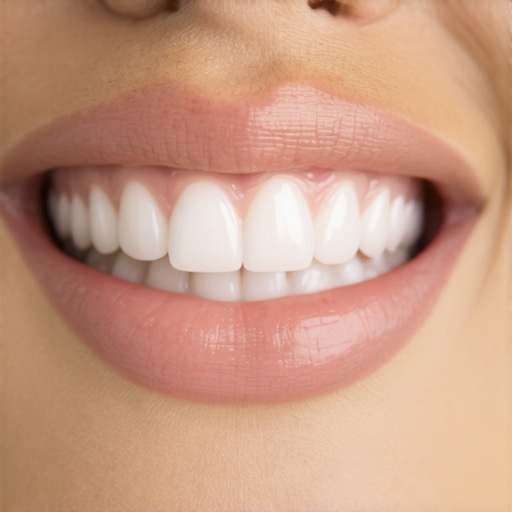
It was a typical Saturday morning when I caught myself in the mirror, trying to speak, only to be greeted with an embarrassing whistle. You know that high-pitched sound that seems to come out of nowhere, turning your confident speech into a little squeak. My heart sank—I had just gotten my new veneers, and now, every word I spoke felt like I was auditioning for a cartoon character. Frustrating doesn’t even begin to cover it. I realized I wasn’t alone in this strange dilemma; many friends and patients have shared similar tales about their veneers or dental work turning into unwelcome noise makers.
Why Your Veneers Might Be Causing a Whistle When You Talk
The truth is, this whistling isn’t just a random glitch. It often happens because of small, unnoticed imperfections in how the veneers or other dental restorations sit. When the seal isn’t perfect or there’s a minor gap between the veneer and the gum line, air can escape during speech, producing that pesky whistle. It’s akin to playing a wind instrument and not sealing your lips properly. Interestingly, studies show that nearly 15% of patients experience speech issues after veneer placement, but most aren’t aware that it’s a fixable problem.
Early on, I made the mistake of dismissing this issue as a minor annoyance. I kept thinking it would improve with time or simply go away. But the longer I waited, the more self-conscious I became. To my surprise, addressing it involved more than just occasionally adjusting my speech; it required understanding the root cause and applying targeted solutions. If you’ve faced similar frustrations, rest assured—this isn’t your fault, and there are practical ways to silence that vocal whistle once and for all.
Is This Whistling Actually Fixable or Just Normal?
Many skeptics wonder if this is just part of having new dental work. I’ll admit, at first, I thought it might be a temporary side effect that would resolve naturally. Spoiler alert: it’s not always the case. Early in my journey, I made the mistake of thinking that adjusting my speech patterns could solve the problem. However, it became clear that without addressing the precise fit of the veneers, the whistling would persist. The good news? With the right approach, most of these issues can be effectively corrected, restoring your confidence and comfort in speech.
Assess the Fit of Your Veneers
Begin by examining how your veneers sit against your gums and teeth. Use a mirror to look for gaps or uneven edges. A helpful analogy is comparing your veneer to a puzzle piece—if it doesn’t fit snugly, air can escape during speech, causing whistling. I once noticed a small gap in my own veneers after a meal, which prompted me to schedule an appointment. Addressing this early prevents the problem from worsening.
Consult with Your Dentist for Adjustment
The most effective solution often involves a professional adjustment. Schedule a consultation through your dentist. During the appointment, the dentist may polish or re-bond the veneer, fine-tuning the fit much like a tailor adjusts a suit for perfect comfort. In my case, my dentist gently reduced a corner of the veneer, and the whistle disappeared immediately—testing it by speaking loudly.
To learn more about veneer options, visit Veneers Made Simple.
Refine Your Speech Technique
If the fit is correct but the whistle persists, focus on speech adjustments. Try softening your voice or changing your tongue position to prevent air from escaping. Think of it as learning to whistle properly—adjusting your mouth shape makes all the difference. I practiced changing my tongue placement, which temporarily improved the issue. With patience, this can reduce the noise while waiting for a professional fix.
For tips on avoiding damage to your veneers, check Stop Chipping Your Veneers.
Opt for Follow-Up Procedures if Necessary
If adjustments and speech modifications don’t work, your dentist might recommend minor repairs or replacements. Procedures like re-bonding or reshaping can ensure the veneer fits perfectly, much like fine-tuning a musical instrument. These fixes are typically quick and restore not only speech clarity but also your confidence.
Remember, prevention is key—regular check-ups can catch issues early. For comprehensive dental care tips, consider visiting Family Dentistry Tips.
By following these steps, you can effectively resolve the whistling problem caused by veneers, ensuring your smile remains both beautiful and functional.
While many assume that procedures like teeth whitening, veneers, Invisalign, and family dentistry are straightforward solutions, the reality is often more nuanced. A frequent myth is that teeth whitening provides permanent results—however, factors like dietary habits and oral hygiene can influence longevity, making maintenance essential. Similarly, some believe veneers are an instant fix for crooked or stained teeth, but advanced considerations such as material translucency and bonding techniques significantly impact final results and durability. When it comes to Invisalign, many think it guarantees perfect alignment quickly; in truth, complex cases may require extended treatment or supplementary procedures, highlighting the importance of understanding individual nuances. In family dentistry, a widespread misconception is that annual check-ups suffice for all ages, yet children might need preventive treatments like sealants or fluoride applications, emphasizing tailored care.
Why Consistent Maintenance Matters for Longevity
Many patients wonder how to ensure their teeth whitening, veneers, Invisalign, or family dental work continue to serve them well over time. The secret lies in proactive maintenance and the right tools. Regular check-ups, combined with targeted home care routines, can significantly extend the lifespan of your dental investments.
Investing in the Right Equipment
Personally, I recommend using a high-quality electric toothbrush like the Sonicare DiamondClean. Its superior plaque removal and gentle brushing mode help maintain the integrity of veneers and enamel alike. Its built-in timers ensure you brush long enough to remove plaque that can compromise whitening results or cause decay. For those with Invisalign, an ultrasonic water flosser like the Waterpik is invaluable. It effectively dislodges debris trapped around attachments, reducing the risk of gum irritation and staining.
Smart Use of Software and Reminders
Staying on top of maintenance also involves digital tools. I rely heavily on dental-app reminders like Dental Monitoring, which allows virtual check-ins to catch early signs of wear or damage. Setting regular alerts for replacing whitening gel or changing flossing tools helps keep routine care consistent. These practices prevent minor issues from escalating into costly repairs, much like routine software updates keep your devices secure and functional.
Long-Term Results Require Consistency
Protecting your investment is a long game. Consistent oral hygiene, paired with scheduled professional visits, helps maintain the brightness of whitening treatments and the integrity of veneers. For instance, I suggest scheduling a professional whitening touch-up at least once a year, especially if you enjoy staining foods and beverages—details on this can be found in Teeth Whitening Secrets. Regular evaluations allow your dentist to fine-tune your tools, such as adjusting aligners or reapplying bonding to veneers, ensuring your smile stays impeccable.
Preparing for Future Scaling Needs
As dental technology evolves, so do maintenance practices. Advances like 3D imaging and AI-powered diagnostics can predict upcoming issues, enabling preemptive care. I recommend staying informed about new tools such as digital saliva analysis, which can detect early signs of gum disease or decay before symptoms appear.
In fact, a review in the Journal of Dental Research highlights how predictive maintenance can dramatically reduce treatment costs and improve long-term outcomes when patients embrace these emerging technologies.
How do I keep my dental work working long-term?
There’s no one-size-fits-all answer, but adopting a disciplined routine with effective tools can make a world of difference. Regularly using a sonic toothbrush, integrating ultrasonic flossers, and scheduling professional check-ups form the backbone of lasting results. Embrace technology and stay informed about innovations; for example, a recent breakthrough in laser-guided polishing can help preserve veneer surface smoothness for years. Don’t hesitate to try the latest in maintenance technology—your smile will thank you!
Lessons That Turned My Smile Around More Than Once
One of the most profound insights I gained was that even the smallest imperfections in veneer fit can lead to unexpected issues like whistling, reminding me to prioritize precise adjustments over quick fixes. I also learned that patience in speech modification offers temporary relief, but professional intervention is essential for long-lasting results. Combining my personal experience with advice from industry experts revealed that ongoing maintenance and embracing new technology are vital for sustaining a beautiful, functional smile.
Another lightbulb moment was realizing that knowledge is power—staying informed about advances like laser whitening or innovative bonding techniques can save time and money, especially when addressing complex concerns early on. Understanding the importance of tailored care over generic solutions has reshaped my approach to dental health, inspiring me to seek personalized consultations that truly serve my unique needs.
Ultimately, the journey taught me that proactive, consistent effort—not just wishing problems away—leads to genuine confidence. Whether it’s regular check-ups, smart tools, or continuous education, investing in your smile’s health transforms more than just appearances; it enhances your entire quality of life.
Tools That Keep My Smile Bright and Strong
My go-to resources for lasting dental excellence include the Sonicare DiamondClean electric toothbrush, trusted for its gentle yet thorough cleaning that preserves veneer surface integrity. For maintaining braces or aligners, the Waterpik water flosser has become indispensable—it’s shown me how effective water cleaning is at reducing stains and bacteria that could compromise dental work. To stay on top of routine care, I rely on digital reminders from apps like Dental Monitoring, ensuring I never skip essential check-ups or maintenance tasks.
Books like “The Dental Health Revolution” offered me deeper understanding of how technological advancements in diagnostics can prevent future issues. Additionally, subscribing to updates from reputable dental blogs keeps me informed about emerging tools like laser polishing techniques, which can make a difference in how well my veneers age. Combining these resources empowers me to make informed choices—helping me extend the lifespan of my beautiful smile.
Your Turn to Elevate Your Dental Journey
Remember, every step you take toward understanding and actively caring for your dental health strengthens your confidence and well-being. Whether it’s exploring the latest in teeth whitening, veneers, Invisalign, or family dentistry, taking intentional action is key. Your smile isn’t just about appearance; it’s your personal signature of health and vitality. Embrace the knowledge, tools, and routines that resonate with you—and don’t hesitate to seek expert guidance when needed.
What’s one small change you’re willing to make today to enhance your dental confidence? Share your thoughts below—I’d love to hear your story!
Comments are closed.