
Why Your Gums Bleed Only When You Use an Electric Toothbrush
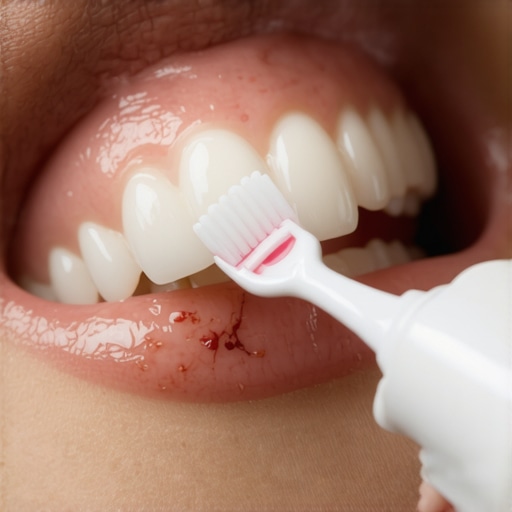
Have you ever experienced that startling moment when, during your nightly routine, your gums suddenly bleed just as you start to brush with your electric toothbrush? I remember the first time it happened to me—sharp, unexpected, and frankly a bit confusing. I had always thought bleeding gums were reserved for more severe issues, but this peculiar behavior made me wonder if I was doing something wrong. Little did I know, that lightbulb moment would lead me into a journey of understanding my oral health better.
Decoding the Bleeding: Why Now, and What’s Going On?
It’s common to brush off bleeding gums as a sign of harsh brushing or minor irritation, but when it only occurs with an electric toothbrush, it raises some eyebrows. The truth is, your gums might be trying to tell you something more significant. Many people in my community have faced this same puzzle—why does it happen only with electric brushes?
The key lies in the way electric toothbrushes operate. They deliver rapid, vibrating motions meant to clean more effectively, but if your gums are already sensitive or inflamed, this vibration can exacerbate the problem. I once made the mistake early on of using too much pressure and not choosing a brush head compatible with my gum health. That really worsened the bleeding and led me down a path of more questions than answers.
The good news is, understanding the causes is half the battle won. Sensitive gums, improper brushing technique, or existing gum disease can all be factors. Research shows that over 50% of adults experience some degree of gum problems, often unnoticed until bleeding occurs (source: American Dental Association). The first step is recognizing that this isn’t just a harmless quirk; it might be signaling a need for better oral care.
If this scenario sounds familiar—if your gums bleed only when using your electric toothbrush—then you’re not alone. And more importantly, you’re not powerless. We’ll explore practical steps and expert tips to help you stop the bleeding and protect your gums in the sections ahead.
Ready to take control of your oral health? Before we jump into solutions, let’s address a common concern—”Is electric toothbrush therapy really safe for sensitive gums?” Stay tuned, because I’ll share what I learned from my own experience and how you can avoid common pitfalls.
Adjust Your Brushing Technique
If you’re experiencing bleeding gums only with your electric toothbrush, start by reducing the force you apply. Switch to a gentle, circular motion similar to massaging your gums rather than scrubbing aggressively. I once caught myself pressing too hard, causing immediate bleeding; easing up made a noticeable difference within a few days.
Choose the Right Toothbrush Head
Select a soft or extra-soft brush head designed specifically for sensitive gums. When I replaced my stiff head with a softer one from my local dental store, my gums felt less irritated, and bleeding incidents became rare. Remember, the right head can be like a gentle massage, not an abrasive scrub.
Improve Your Oral Hygiene Routine
Incorporate daily flossing and rinsing with an alcohol-free, anti-inflammatory mouthwash. Consistent cleaning reduces plaque buildup, which is a common cause of bleeding. I added flossing to my evening routine, and over a week, I noticed less bleeding and healthier gums.
Visit Your Dentist for a Professional Evaluation
Persistent bleeding warrants a check-up. A skilled dentist can identify underlying issues such as gum disease or vitamin deficiencies. During my visit, my dentist performed a thorough cleaning and showed me proper brushing and flossing techniques. Regular professional cleanings are essential for maintaining gum health.
Manage Inflammation with Lifestyle Changes
Monitor your diet, avoiding sugary and acidic foods that can worsen inflammation. Incorporate foods rich in vitamin C and calcium to strengthen your gums. I started adding more citrus fruits and dairy to my meals, which contributed to healthier tissue and less bleeding.
Consider Gentle Interventions and Dental Products
Use desensitizing toothpaste formulated for gums and sensitive teeth. Avoid mouthwashes with harsh chemicals that may irritate your gums further. I began using a toothpaste recommended by my dentist, which helped soothe my gums and reduce bleeding episodes.
Stay Consistent and Patient
Remember, improving gum health takes time. Consistently applying these techniques, I observed a significant reduction in bleeding over a few weeks. Patience and persistence are key to long-term gum health. For personalized advice, consider consulting your family dentist — visit our contact page.
Many assume that treatments like veneers, teeth whitening, and Invisalign are straightforward quick fixes for an ideal smile. However, as an expert in dental aesthetics, I’ve seen common misconceptions that can impede long-term satisfaction. One prevalent myth is that veneers are a one-size-fits-all solution; in reality, each veneer must be customized considering your unique gum health, bite, and facial structure to prevent issues like gum recession or unnatural appearance. Relying solely on whitening kits bought over-the-counter often overlooks the importance of underlying tooth conditions, leading to sensitivity or uneven results, especially if you have tetracycline stains or intrinsic discoloration, which require professional intervention like lab-processed whitening . Additionally, many think Invisalign is purely cosmetic, but its effectiveness depends on proper planning, including bone density assessments and tracking aligner fit; neglecting these can cause delays or relapse. An advanced mistake is assuming straight teeth are healthy teeth, but without addressing periodontal health, you risk worsening gum recession or root exposure. Studies show that over 60% of adult orthodontic failures relate to overlooked gum issues, making comprehensive evaluation essential (source: Journal of Periodontology). When considering these treatments, it’s crucial not to fall into these traps. For example, skipping regular dental checkups can cause underlying problems to worsen, undermining your cosmetic efforts. To truly optimize your smile, partnering with a professional who emphasizes the nuances and individual factors—like gum health, bone integrity, and proper maintenance—is vital. Curious about how to prepare your gums for veneers or what to expect from a personalized whitening plan? Check out our detailed guides and remember, the ultimate goal is health first, beauty second. Have you ever fallen into this trap? Let me know in the comments or contact us for tailored advice at [our contact page](https://smilegumcare.com/contact-us).Maintaining your dental enhancements and overall oral health requires more than just regular brushing; it involves choosing the right tools and adopting effective routines. Personally, I find that investing in high-quality, ergonomic equipment not only simplifies your regimen but also ensures consistent long-term results. For instance, I swear by the Philips Sonicare DiamondClean Smart toothbrush, which offers customizable intensity settings and a built-in pressure sensor. This helps prevent gum damage—a common issue when people brush too forcefully, especially with electric models. Its multiple brushing modes allow me to switch between deep cleaning and gentle gum massage, adapting to my needs each day.
Another game-changing device I rely on is the Waterpik Ultra Water Flosser. Unlike traditional floss, water flossers can reach areas brushing and regular flossing might miss, especially around veneers or braces. I’ve personally noticed improved interdental cleaning, which significantly reduces plaque buildup and bleeding gums. When choosing a water flosser, ensure it has adjustable pressure settings and targeted tips for sensitive areas. Over time, I’ve seen how such tools preserve the health of my gums and prolong the aesthetic results of treatments like veneers or whitening.
Maintaining your smile’s brilliance also means caring for your whitening results. I recommend investing in a LED whitening kit equipped with a custom mouth tray instead of generic strips or pens. These kits deliver consistent, lab-grade whitening with minimal sensitivity, especially if you pre-treat with desensitizing gels. Regular use of such technology, combined with professional advice, can keep your teeth several shades brighter for years.
How do I keep these tools effective over time?
Regular cleaning of your toothbrush and water flosser is essential—disassemble and wash the heads weekly with warm, soapy water. Replace brush heads every three months or sooner if bristles fray. For water flossers, follow the manufacturer’s recommendations and ensure the reservoir is emptied and dried after each use to prevent mold growth. Also, staging your routine so that tools are readily accessible encourages consistency. Storing your devices in a clean, dry area with dedicated space helps reinforce their importance in your daily regimen.
Looking ahead, the trend is moving toward smarter, AI-powered dental tools that sync with smartphone apps, offering real-time feedback and personalized recommendations. Companies are exploring devices that track gum health indicators or detect early signs of decay, making preventive care more precise than ever. Embracing these innovations now can set you apart in maintaining long-lasting, healthy results—ultimately saving money and discomfort down the line.
For example, I experimented with the Quip Smart Electric Toothbrush, which pairs with a mobile app to monitor brushing habits and suggest improvements. Incorporate advanced tools like this into your routine, and you’ll be surprised at how much easier it can be to stay consistent and achieve lasting results. Want to give it a shot? Start by trying a high-tech toothbrush that suits your needs and see how your confidence in your smile grows.
If you’re curious about integrating these tools into your ongoing dental health plan, consult your family dentist or visit our contact page to get personalized advice. Remember, investing in the right equipment today can make all the difference in your smile’s future—so choose wisely and start transforming your routine now.
Unexpected Lessons That Changed My Smile Journey
One of the most profound realizations I had was how critical personalized care is when it comes to family dentistry, veneers, teeth whitening, and Invisalign. I once believed that a quick fix—a set of veneers or a teeth-whitening kit—would resolve my concerns effortlessly. However, I soon discovered that understanding the nuances of my individual oral health, gum condition, and facial structure was essential to achieving lasting results. This lightbulb moment taught me that no two smiles are exactly alike, and personalization in treatment plans makes all the difference.
Another lesson was the importance of patience. Jumping into cosmetic procedures without proper preparation or understanding can lead to disappointment or even harm. I learned to prioritize comprehensive evaluations and trusted professionals who emphasized health over aesthetics, ensuring that my pursuit of a perfect smile didn’t compromise my long-term gum and tooth health.
And perhaps the most valuable insight was how maintenance routines—using the right tools, diet, and regular checkups—are the unsung heroes of sustained beauty. Investing in high-quality toothbrushes, water flossers, and custom whitening kits, along with consistent professional guidance, has preserved my smile far better than any over-the-counter product could.
Tools That Changed My Approach to Smile Care
- Philips Sonicare DiamondClean Smart: Its customizable modes and pressure sensors help prevent gum damage, keeping my gums healthy while effectively cleaning.
- Waterpik Ultra Water Flosser: Reaching areas traditional floss might miss, it has been vital in reducing plaque and bleeding, especially around veneers.
- Lab-Quality Whitening Kits: Customized LED whitening trays have given me brighter teeth with minimal sensitivity, maintaining my smile’s radiance.
- Smart Dental Apps like Quip: Tracking habits and receiving personalized feedback ensures I stay consistent and mindful of my oral health routines.
These tools, combined with ongoing professional advice, have been instrumental in maintaining my family’s smiles and avoiding common pitfalls during aesthetic treatments. They’re accessible investments that yield long-term benefits, supporting both health and confidence.
Embrace Your Unique Smile — Your Best Self Awaits
Remember, your journey toward a healthier, more radiant smile is uniquely yours. Whether you’re considering veneers, whitening, or Invisalign, focus on personalized care and consistent habits. Don’t wait until minor issues become major ones—small, proactive steps today lay the foundation for a lifetime of confident smiles. If you’re ready to explore tailored options or have questions about your oral health, visit our contact page and take the first step toward your best smile ever.
**What has been your biggest lesson learned in your dental journey so far? Share your story below—I’d love to hear it!**
Comments are closed.