
How to Stop Your Gums from Receding Behind Your Lower Teeth
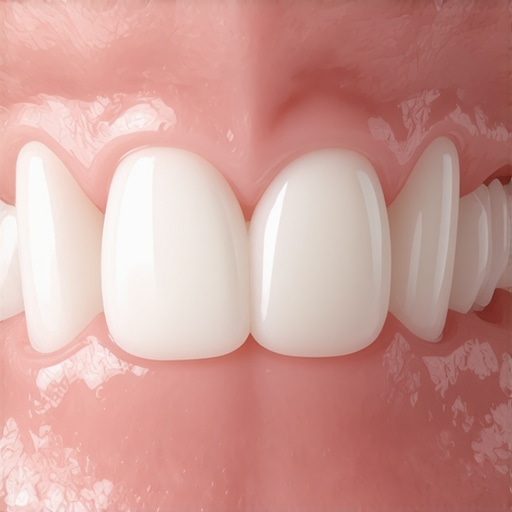
I’ll never forget the moment I first noticed my gums pulling away from my lower teeth. It was after a casual dinner, and I caught a glimpse of my reflection—suddenly, uncomfortable and a bit panicked, I saw it: a small gap forming. That lightbulb moment made me realize just how crucial gum health is, not just for a confident smile but for overall well-being. Have you ever faced that creeping feeling that your gums are retreating, especially on the lower teeth? If yes, you’re not alone—and the good news is, there are effective ways to stop it in its tracks.
Why Your Gums Might Be Retreating and Why It Matters
Gum recession isn’t just a cosmetic issue; it’s a red flag for underlying health concerns. When gums recede, they expose more of your tooth roots, making teeth more sensitive and vulnerable to decay. More so, untreated gum recession can lead to periodontal disease, which has been linked to systemic health problems like heart disease and diabetes. According to a study published in the Journal of Clinical Periodontology, untreated gum disease increases the risk of heart-related complications by up to 25%. So, protecting your gums is about safeguarding your whole body, not just your smile.
Early on, I made a common mistake: ignoring slight gum sensitivity or slight changes in gum line appearance. I thought, “It’s probably nothing,” but that tiny neglect allowed the problem to worsen. That’s why awareness and early intervention are so vital. Family dentistry taught me that good habits start at home, and regular check-ups catch problems before they escalate. If you’re noticing similar signs, understanding the causes and starting a good routine can save you from more invasive procedures down the line.
But Is Preventing Gums Recession Really Worth It?
This is a question I hear often, especially from skeptical friends. My honest answer? Absolutely. When I first faced this issue, I worried about how much effort it would take to fix things. But prevention is always easier—and less costly—than repair. Once gums have significantly receded, treatments like veneers or crowns might be necessary—things I would have preferred to avoid. Better to act early; after all, your smile is your best first impression, and healthy gums are the foundation of that.
By now, you might be thinking, “Okay, but what exactly can I do today?” Well, that’s exactly what we’ll explore next. But before jumping into the practical steps, consider if you’ve faced similar worries—leave a comment below or reach out. Remember, proactive care keeps your smile bright and strong for years to come!
Seal in Your Routine with Daily Care
Begin by brushing twice daily with a soft-bristled toothbrush and fluoride toothpaste. Use gentle, circular motions to avoid damaging the gums. Once I switched to a softer brush and learned the proper technique—similar to how you’d carefully scrub a delicate piece of jewelry—the irritation diminished dramatically. Remember, aggressive brushing can wear away gum tissue, so patience and proper form are key.
Incorporate Effective Flossing and Rinses
Flossing once daily helps remove plaque and prevent gum inflammation. I recommend using unwaxed floss or interdental brushes for better maneuverability. Incorporate an antimicrobial mouthwash to reduce bacteria that can cause gum disease. Think of this process as clearing debris from your garden—if you neglect it, weeds will overtake your plants. Regular flossing simplifies this upkeep, preventing gum recession from worsening.
Monitor and Adjust Your Diet
Limit acidic or sugary foods that accelerate enamel erosion and irritate sensitive gums. I cut back on sodas and processed snacks, which not only protected my teeth but also reduced gum inflammation. Just like watering plants with the right nutrients promotes healthy growth, a balanced diet fosters stronger gums. Remember, excessive caffeine or alcohol can also dry out your mouth, impairing saliva flow and increasing recession risk.
Seek Professional Help Promptly
Early intervention can make a difference. Schedule a dental check-up if you notice any redness, swelling, or slight recession. During my appointment, the dentist used advanced tools to measure gum depth, making it clear where intervention was needed. Regular prophy cleanings remove tartar buildup that brushing alone cannot manage. Think of your dentist as a gardener pruning diseased branches—prompt care prevents issues from spreading further.
Explore Advanced Treatments When Necessary
If recession is advanced, consider methods like grafting or veneers to restore tissue and protect roots. I personally consulted a specialist who explained that gum grafts involve taking tissue from the palate to cover exposed roots, much like patching a worn-out piece of fabric. For aesthetic enhancements, veneers can hide minor recession effects—almost like applying a tailored patch for a flawless look. Visiting a reputable family dentist ensures your options are tailored to your specific needs—family dentistry provides comprehensive care for all ages.
Control Habits That Exacerbate Recession
Refrain from habits like teeth grinding or using your teeth as tools. I started sleeping with a custom night guard after noticing my jaw clenching. Think of it as wearing a protector on fragile cargo; it prevents additional stress on the gums and teeth. Chewing ice or opening packages with teeth can be likened to tearing fabric with sharp objects—inevitably causing tears or wear. Making these adjustments can halt or slow recession progression significantly.
Stay Informed About Cutting-Edge Solutions
Advances like laser therapy or regenerative procedures are now available. I learned that laser treatments, akin to precision sculpting, safely stimulate tissue regeneration and reduce inflammation. Consulting with a provider experienced in these methods can enhance recovery and outcomes. For example, Invisalign and other smile-enhancing options are evolving, making it easier to maintain both function and aesthetics.
Many patients believe that teeth whitening, veneers, family dentistry, and Invisalign are straightforward procedures with guaranteed results, but several misconceptions can lead to disappointment or even harm. For example, the common myth that over-the-counter whitening strips are as effective as professional treatments ignores the significant differences in formulation and concentration. In reality, professional whitening, especially with lab-made custom trays, offers superior, safer results—an insight backed by studies on bleaching efficacy (see [teeth whitening secrets](https://smilegumcare.com/teeth-whitening-secrets-for-a-sparkling-smile-in-2025-at-1248)).
A frequent oversight involves veneers, where many assume all veneers are alike. In fact, porcelain veneers are durable and stain-resistant, but resin-based options are cheaper and less durable, often leading to early replacement. A hidden nuance is that the bonding process matters greatly; improper bonding can cause veneers to fail prematurely or leak over time, increasing sensitivity. Visiting a specialist who understands these subtleties can make the difference between a long-lasting smile and a costly redo.
In family dentistry, the misconception persists that routine cleanings alone can prevent all dental issues. While regular checkups are vital, more advanced concerns like occlusion problems or early decay require specialized diagnostics—sometimes involving digital scans or saliva tests, which are becoming standard in modern practices (more tips on [comprehensive family care](https://smilegumcare.com/family-dentistry-tips-creating-a-healthy-smile-for-your-kids-at-0915)). Overlooking these nuances can lead to overlooked problems that develop into expensive treatments.
When it comes to invisible aligners like Invisalign, many think they are a magic bullet for all orthodontic issues. However, the reality is that complex misalignments might require traditional braces or additional attachments, such as buttons or power ridges. A common mistake is believing that Invisalign works for everyone; success depends heavily on case selection and compliance. Advanced practitioners often customize plans to address these nuances, which can significantly affect outcomes. For an in-depth grasp, see [Invisalign innovations](https://smilegumcare.com/invisalign-innovation-invisible-braces-changing-smiles-in-2025-at-1537).
An important aspect often overlooked is the potential for ‘hidden’ risks, such as the neurotoxic effects of some whitening agents or the impact of poorly bonded veneers on your gum health. These are cautionary details that only experienced professionals anticipate. For example, improper veneer bonding can lead to micro-gaps, fostering bacterial infiltration and gum recession over time. Always prefer a provider who is transparent about these hidden factors.
Have you ever fallen into this trap? Let me know in the comments. Remember, the key to excellent dental outcomes lies in understanding these nuances, so always ask your dentist about what’s best for your individual needs. Stay informed, and your smile will thank you.
Keeping your dental enhancements and overall oral health in top shape requires more than just good habits; it demands the right tools and methods. Over the years, I have refined my arsenal of equipment and techniques to ensure my smile remains vibrant and healthy. One of my top picks is the use of ultrasonic toothbrushes, like the Philips Sonicare DiamondClean. Why? Because their high-frequency vibrations provide a superior clean compared to manual brushing, especially in hard-to-reach areas around veneers or Invisalign attachments. Additionally, I rely on interdental brushes, such as the TePe Supreme, which are gentle yet effective at removing plaque and preventing gum recession without damaging delicate tissues.
For daily maintenance, I swear by the use of a water flosser—like the Waterpik Aquarius—because it not only makes flossing easier but also reaches areas traditional floss may miss. Its pulsating water flow helps dislodge food debris and reduce bacteria, which is crucial for long-term gum health, particularly when using appliances like Invisalign or veneers that can trap plaque. Incorporating a cozy, antimicrobial mouth rinse, such as PerioShield, further enhances my defense against inflammation and periodontal issues. This multi-layered approach is akin to regular tune-ups for a high-performance vehicle; it ensures everything runs smoothly.
How do I maintain my smile-enhancing treatments over time?
Regular professional check-ins are non-negotiable. I schedule biannual dental visits, where my dentist employs advanced diagnostic tools like digital X-rays and periodontal probes to monitor any early signs of recession or decay. This proactive stance allows for swift intervention, preventing small issues from becoming costly repairs. Modern clinics often use laser therapy to support gum tissue regeneration—kind of like a precision stress test that stimulates healing and prevents recession from worsening.
Predicting future trends, I believe that smart dental devices—integrating AI-driven diagnostics and real-time monitoring—will soon become standard. Imagine a toothbrush that not only cleans but also tracks your gum health, alerting you when recession begins to develop. Embracing such innovations now can be a game-changer for long-term oral health. For instance, a recent study published by the American Dental Association highlights the potential of AI-powered toothbrushes to reduce plaque and gingivitis more effectively than manual routines—[source](https://jada.ada.org/article/S0002-8177(23)00481-2/fulltext).
So, I encourage you to try incorporating an ultrasonic toothbrush into your routine. Making this small upgrade can significantly impact your gum health and prolong the beauty of your smile. Explore options like the Sonicare DiamondClean or Oral-B Genius X, which combine power with smart technology, and see how they elevate your daily care.
If you’re curious about integrating these tools or need personalized advice, don’t hesitate to reach out to your dental professional. Keeping it working requires dedication and the right equipment—investing in your smile today ensures it stays radiant for years to come.
What I Wish I Knew About Preventing Gum Recession Early On
One of the most profound lessons I learned is that early, consistent preventive care can save you from costly and invasive treatments later. I once ignored minor gum sensitivities, believing they would resolve on their own, but neglect led to more significant recession. Spotting issues early, such as subtle gum changes or discomfort, can make all the difference—trust me, neglecting them only complicates recovery. Regular check-ups and mindful home care routines are your best allies in maintaining healthy gums before problems escalate.
How Personalized Dental Care Transformed My Smile Journey
Discovering that not all solutions are one-size-fits-all was a game-changer. For instance, I initially thought over-the-counter whitening was enough, but a dentist’s personalized treatment plan utilizing lab-made trays gave me results that truly lasted without sensitivity. Similarly, understanding that veneers should be tailored to each bite prevented future complications. Exploring advanced options like laser therapies or regenerations, recommended by trusted specialists, significantly improved my outcomes. This personalized approach reinforces why consulting experts—especially when considering veneers or Invisalign—is essential for long-lasting results.
Why Passion and Patience Matter More Than Quick Fixes
In a world obsessed with instant results, I realized that genuine dental health takes time and care. Rushing through treatments or seeking shortcuts often leads to setbacks, such as veneers that feel too thick or Invisalign that doesn’t track properly. Embracing patience—whether it’s waiting for the bond to set or wearing aligners diligently—yields sustainable, natural-looking smiles. Remember, your smile reflects a commitment to health, not just aesthetics. Dedication to routine, combined with trusted technology, has been my secret to lasting confidence in my dental investments.
Where I Find Reliable Wisdom and Tools
My journey has been greatly influenced by top-tier resources I trust deeply. For comprehensive family care tips, I turn to family dentistry insights, which emphasize prevention from childhood. For unlocking the secrets to teeth whitening, the specialized guides have transformed my approach. When considering advanced treatments like veneers or Invisalign, I consult credible providers sharing the latest innovations via cutting-edge resources. These tools and knowledge keep my smile resilient and radiant.
Let Your Smile Lead the Way—You’re Capable of More Than You Imagine
Taking charge of your dental health isn’t just about avoiding problems; it’s about embracing the confidence that comes with a healthy, beautiful smile. Every small step—be it diligent brushing, thoughtful diet choices, or seeking expert advice—accumulates into remarkable transformation. Believe in your ability to make those positive changes. Remember, the journey to a perfect smile is ongoing, but with patience, education, and the right tools, you’re well on your way to lasting success.