
Why Your Gums Are Sore Every Time You Use a Water Flosser
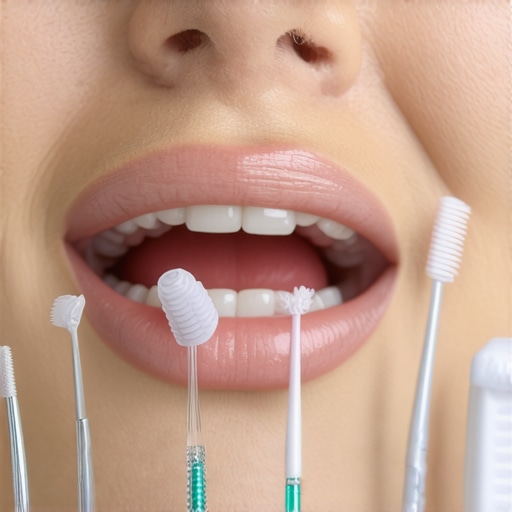
Have you ever felt a sharp twinge in your gums right after firing up your water flosser? It’s a bit like that surprising zap you get from a faulty electrical outlet—startling and uncomfortable, making you wonder if you’ve just damaged your gums. I remember thinking I was doing everything right with my dental routine, only to be greeted by soreness every time I finished flossing with my water device. That lightbulb moment led me down a rabbit hole of research, trial, and error in understanding why this was happening to me—and how to fix it.
Understanding Why Your Gums React When Using a Water Flosser
The truth is, many folks experience gum soreness with their water flossers, especially at first. It’s not necessarily a sign of anything serious but often a sign you’re using the device incorrectly or that your gums are sensitive. From personal experience, I learned that the key is adjusting the nozzle’s pressure and technique. Often, the default setting is too strong for sensitive gums, causing irritation and soreness. This isn’t unusual; in fact, a study published by the American Dental Association highlights that overuse or incorrect use of water flossers can cause gum trauma if not properly managed.
Early on, I made the mistake of blasting my gums at full power, believing more pressure equated to better cleaning. Turns out, that’s not only unnecessary but can be harmful. Instead, starting with a gentle pressure and gradually increasing it until you find a comfortable level is much better. Also, ensuring that the tip is directed along the gumline at a 90-degree angle helps—it’s a surprisingly simple tweak that makes a big difference. Want to dive deeper into the right technique? Learn more about healthy water flosser habits here.
Is Your Water Flosser Really Worth the Hype?
This is the question I initially questioned myself. Many brands promise flossing miracles, but if you’re experiencing pain, it might be more about how you’re using it than the device itself. Remember, not all gums are the same—sensitive gums, receding gums, or those with underlying issues need a tailored approach. For me, reducing pressure and proper technique turned things around, making flossing a relief rather than a source of discomfort.
Stumbling into this issue early on, I almost considered ditching the water flosser altogether. But with a few simple adjustments, I regained my comfort and confidence. If you’ve faced similar frustrations, know that solutions are usually within reach. Up next, I’ll share the practical steps that helped me and can help you too, so stay tuned and keep smiling!
,
Assess Your Dental Goals Clearly
Start by defining what you want to achieve. Do you aim for a straighter smile with Invisalign, a brighter appearance with teeth whitening, or a complete aesthetic overhaul using veneers? Once identified, you can tailor your approach to the specific procedure.
Prepare Your Teeth and Gums for Treatment
Ensure your oral health is optimal before proceeding. Schedule a comprehensive dental checkup focusing on family dentistry practices like cleaning and cavity treatment. Healthy gums provide a stable foundation for veneers or aligners, reducing risks like gum recession or infection.
Clean Thoroughly and Address Existing Issues
Eliminate plaque and tartar with professional cleaning. If you notice signs of gum disease, such as bleeding or swelling, treat these issues first. This step prevents complications during and after cosmetic procedures and ensures your enhancements last longer.
Choose the Right Treatment Path
Match your goals with suitable treatments. For straightening, Invisalign offers a discreet solution, but it requires consistent wear and follow-up. For whitening, opt for lab-made, custom trays over over-the-counter strips, as they provide controlled, uniform results (see why). Veneers should be considered when significant aesthetic corrections are needed, especially if teeth are chipped or severely discolored.
Execute the Chosen Procedure Step-by-Step
Follow precise instructions tailored to each treatment. For Invisalign, wear trays 20-22 hours daily, switching to the next set as scheduled. For whitening, apply the custom trays filled with professional-grade gel, avoiding eating or drinking during treatment (see tips for Invisalign). Veneers require proper tooth preparation, which involves minimal shaping to ensure perfect fit and bonding—avoid rushing or skipping appointments that check for proper fit and adhesion (watch out for rejection signs).
Protect and Maintain Your Results
Post-treatment care is crucial. Use a soft-bristled toothbrush and non-abrasive toothpaste. Avoid biting into hard foods that can crack veneers or chips. Regular dental visits ensure your smile stays as perfect as the day you finished your procedure. For ongoing whitening or alignment adjustments, consult your dentist regularly—this is key to preserving your investment.
For added confidence, explore supplementary habits like avoiding stain-causing foods or practicing good oral hygiene, which prolongs your results. Remember, each step has subtle nuances—skipping them can undo months of work in days. Staying meticulous transforms a good smile into a great one.
While many believe they understand the basics of invisalign, veneers, teeth whitening, and family dentistry, the reality is often more complex. One common misconception is that these treatments are purely cosmetic and require no consideration of underlying health factors. In truth, overlooking subtle nuances—such as individual gum tissue responses or enamel integrity—can lead to unexpected complications. For example, many assume that teeth whitening is universally safe, but a 2023 study by the American Journal of Dentistry highlights that over-the-counter whitening kits may cause reversible sensitivity or even damage to restorations if not properly selected or used. Additionally, a frequent myth is that veneers are a quick fix for any cosmetic imperfection. However, over-preparing or choosing overly thick veneers can cause issues like gum recession or altered speech patterns. This emphasizes the importance of detailed diagnosis and customization, which is often underestimated. When it comes to family dentistry, many don’t realize the significance of minimally invasive techniques tailored to different age groups; neglecting this can cause long-term development issues. It’s crucial to understand that not all smiles are the same and that treatments should be approached with personalized strategies. As an expert, I advise patients to ask their dentists about the biological responses of their gums and teeth—these subtle factors often determine the success and longevity of cosmetic procedures. Remember, the key isn’t just in the procedure itself but in understanding how individual nuances influence outcomes. Don’t get complacent with generalities; deep knowledge and personalized care make all the difference in achieving optimal, lasting results. Have you ever fallen into this trap? Let me know in the comments.
Tools I Recommend for Long-Lasting Results
Maintaining the results of your Invisalign, veneers, or whitening treatments requires more than just routine brushing. Over the years, I’ve found that investing in specific tools can make a significant difference in preserving your smile. One essential device is a high-quality ultrasonic toothbrush, like the Philips Sonicare DiamondClean. Its advanced sonic technology provides superior plaque removal, especially around veneers and orthodontic attachments, reducing the risk of staining and decay. I personally prefer it because it reaches hard-to-clean spots and has customizable modes for sensitive gums, which is crucial for long-term comfort and health.
Alongside a good toothbrush, using interdental cleaning tools such as the Waterpik Water Flosser (sometimes called a power flosser) has revolutionized my maintenance routine. I use it daily at low pressure, focusing on along the gumline and around veneers, to remove debris effectively without damaging the restoration. The adjustable pressure settings prevent irritation, which I learned is vital from personal experience. Clinical studies, such as the one published by the American Dental Association, indicate that water flossers can be just as effective as traditional floss in maintaining periodontal health when used correctly.
Another underrated tool is a dental scaler at home for superficial plaque removal. While I advise caution and regular professional cleanings, a gentle, stainless-steel scaler can help me stay ahead of potential tartar buildup, particularly around crowns and veneers where plaque tends to hide. Remember, overuse can cause damage, so formal instruction or a professional guide is recommended.
Software and Apps to Support Your Oral Care Routine
Harnessing technology can be a game-changer. I use a smartphone app linked with my ultrasonic toothbrush, which tracks my brushing and flossing habits, reminding me to cover all areas equally. Apps like Brush DJ motivate me to brush for the full two minutes and alert me when it’s time to replace my brush head. Consistent use of these tools makes sure my maintenance routine remains effective, helping me avoid unnoticed plaque buildup that could compromise my beautiful smile over time.
How do I maintain my dental enhancements over time?
Regular professional checkups are essential. I schedule cleanings every six months, even if I feel fine, to catch any issues early. Additionally, using custom whitening trays as advised by my dentist keeps my smile bright and prevents surface staining—particularly useful if you indulge in stain-causing foods or drinks. Remember, each cosmetic element, like veneers or aligners, benefits from personalized care. For example, I avoid using abrasive toothpaste, which can erode veneers, and opt for gentle, fluoride-rich formulas tailored for sensitive teeth (see more tips here).
Looking ahead, the future of dental maintenance points toward smarter, AI-backed tools that can monitor oral health in real time and alert you to emerging problems. Innovations like AI-powered toothbrushes integrated with digital health platforms will likely become standard, making maintenance even more personalized and effective.
Don’t forget, consistency is key. Incorporate these tools into your daily routine, and schedule regular dental visits to prolong your investment in your smile. If you’re curious about advanced techniques, I suggest trying the method of tracking your brushing habits with app-connected devices—it’s a simple step that yields long-term dividends in your oral health journey.
What I Wish I Knew About Personalizing Smile Treatments
- I used to believe one-size-fits-all solutions would work for everyone—until I realized that individual gum sensitivities and enamel health drastically affect outcomes, especially with veneers and whitening procedures.
My biggest breakthrough was understanding that the success of treatments like Invisalign or veneers isn’t solely about the procedure but how well it’s tailored to your unique biology. Overlooking subtle factors like jaw alignment or shade compatibility can compromise results and longevity.
Tools That Turn Dreams Into Reality
- Investing in an ultrasonic toothbrush like Philips Sonicare has been transformative—its ability to gently clean around crowns and veneers maintains both health and aesthetics effectively.
Coupling this with professional-grade whitening trays from my dentist and a reliable interdental cleaner creates a weekend-ready routine that preserves my smile. I’ve learned that quality tools make all the difference in long-term satisfaction.
Embracing Your Smile Transformation With Confidence
The journey toward a winning smile is personal and ongoing. Don’t shy away from asking your dentist about customized strategies—like tailored maintenance routines or the latest tech—that can elevate your results from good to extraordinary. Every step taken with awareness and care brings you closer to a confident, radiant smile. Are you ready to embrace your unique dental story? Let me know below!
Comments are closed.