Why Your Toddler Has Bad Breath Even After Regular Brushing
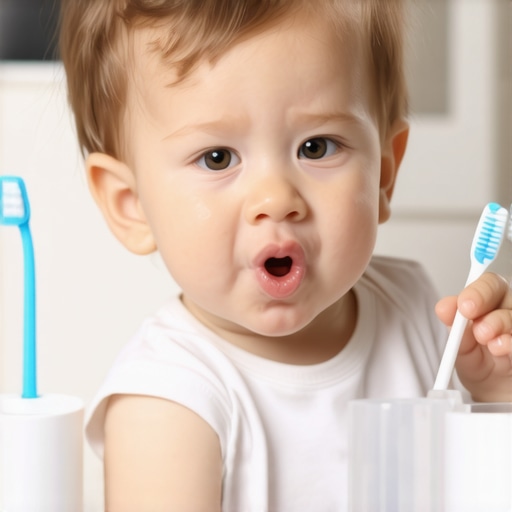
I remember the exact moment I realized my toddler’s bad breath just wouldn’t go away—even after I’d dutifully scrubbed her tiny teeth every night. It was one of those mornings where I caught a whiff while she was giggling at her breakfast, and suddenly I felt a pang of worry. How could her breath still be so sour? Was I missing something crucial?
That lightbulb moment led me down a rabbit hole of parenting, dental advice, and a lot of trial and error. I found that many parents face this puzzling issue—regular brushing is essential, but sometimes, it’s not enough. If your little one’s breath remains foul despite consistent brushing, you’re not alone, and thankfully, there are solutions.
Preventing Persistent Toddler Bad Breath: What’s Really Going On?
Many parents assume that bad breath in toddlers is just a phase or a fluke. However, I learned early on that it can be a sign of underlying issues ranging from simple mouth bacteria buildup to more serious health concerns. My mistake initially was dismissing the problem as insignificant, thinking it would resolve on its own. But ignoring it can sometimes lead to more complicated dental problems down the line.
According to the American Academy of Pediatric Dentistry, persistent bad breath in children could indicate problems like poor oral hygiene, dental cavities, or even health issues beyond the mouth—such as sinus infections or gastrointestinal problems. Being aware of these causes helps us take better action.
So, what can you do when regular brushing isn’t cutting it? Well, my next step was consulting authoritative sources and speaking to my family dentist. The advice I received pointed me toward specific, practical strategies that made a real difference—some of which I wish I’d learned sooner.
But before we get into those, I want to address a common misconception many parents have. You might think that switching to fancy toothpaste or giving your toddler mouthwash is the answer. I thought that, too. However, overusing certain products or relying solely on superficial fixes can backfire. For instance, I underestimated the importance of thorough flossing and correcting diet choices. To get a clearer picture, I recommend checking out trusted tips on creating a healthy smile for your kids.
So, if your child’s bad breath persists despite good brushing habits, don’t panic. It’s a sign to dig deeper. Will the next strategies help you tackle this stubborn issue? Absolutely. Let’s explore the practical steps that transformed my approach and might do the same for you.
Start a Comprehensive Oral Hygiene Routine
First, establish a daily brushing schedule for your child using a soft-bristled, fluoride toothpaste. Gently brush all surfaces of their teeth for at least two minutes, ensuring no plaque build-up. I remember a morning when I meticulously brushed my daughter’s teeth, feeling proud until I noticed her bad breath persisted. That prompted me to double-check her brushing technique and timing.
Introduce Flossing and Tongue Cleaning
Next, incorporate flossing into your child’s dental care, especially if they have gaps or crowded teeth. Use child-friendly flossing tools and teach gentle technique. Simultaneously, gently brush their tongue with a tongue scraper or toothbrush to remove bacteria hiding there. I tried this after reading about oral bacteria’s role in bad breath; initially messy, but it noticeably improved her breath within days.
Adjust and Monitor Dietary Habits
Limit sugary and acidic snacks that feed bacteria causing odor. Incorporate crunchy vegetables and fruits that naturally clean teeth and stimulate saliva. I swapped her daily chips for apple slices and noticed fresher breath as her saliva production increased, flushing out harmful bacteria.
Ensure Hydration and Saliva Flow
Encourage water intake throughout the day. Saliva acts as a natural mouth cleanser. If your child breathes through their mouth or sniffs often, consult your dentist to address possible underlying causes like allergies, which may affect saliva flow. Once, I observed her mouth dry out during allergy season, worsening her breath—prompting a consult for allergy management.
Consult Your Family Dentist Regularly
Schedule routine dental check-ups to identify and treat hidden dental issues such as cavities or periodontal problems. My experience was eye-opening; my dentist found early signs of cavities that contributed to the bad breath. This underlined the importance of professional oversight.
Address Underlying Medical Conditions
If hygiene and diet are optimized and bad breath persists, seek medical advice. Conditions like sinus infections or gastrointestinal issues might be the culprit. I learned this after a stubborn odor that didn’t improve with dental care alone; a physician diagnosed a sinus infection, leading to effective treatment.
Utilize Educational Resources
Leverage trusted guides like family dentistry tips to reinforce good habits. Remember, consistency and patience are key. By applying these concrete steps, I transformed my approach, leading to fresher breath and healthier teeth for my daughter, making mornings less stressful and more confident.Many people believe they understand the basics of cosmetic and restorative dental procedures, but the truth is, there are nuanced pitfalls that can undermine your results if you’re unaware. For instance, a common misconception about veneers is that they’re a one-size-fits-all instant fix for uneven or stained teeth. However, in my experience, many patients overlook the importance of selecting the right type of veneer—whether porcelain or composite—and the implications this choice has on durability and natural appearance. An article I came across emphasizes that improperly selected veneers can lead to chipping or discoloration over time, which is why consulting with a seasoned specialist is crucial before proceeding.
Why do so many believe veneers are永永easily reversible? Navigating the myth of veneer removability
It’s a widespread myth that veneers can be removed without consequences, but this underestimates the invasive nature of the bonding process. Removing veneers often requires grinding off a thin layer of enamel, which can compromise tooth integrity. A study published in the Journal of Esthetic and Restorative Dentistry highlights that repeated veneer replacements can lead to increased enamel loss and heightened sensitivity, contradicting the popular misconception of reversibility. This nuance underscores the need for careful planning and realistic expectations.
Similarly, in family dentistry, many parents assume that regular cleanings alone will prevent cavities and other issues. While professional cleanings are vital, they don’t replace daily oral hygiene or address underlying dietary habits. An overlooked factor is the role of dental sealants, especially for children, which can offer additional protection against decay. Understanding that sealants act as a barrier over molars can be a game-changer in cavity prevention, a detail often missed in casual discussions. For a comprehensive guide on this, I recommend checking out family dentistry tips.” alt=”Children receiving dental sealants” title=”Child getting dental sealants”/>
When it comes to Invisalign, many view it as simply invisible braces, but they overlook the importance of attachment placement and the potential for uneven tracking if the aligners aren’t fitted correctly. Missteps here can negate the invisible benefit, causing delays and discomfort. An advanced aspect I found intriguing is the risk of enamel decalcification around attachments, which can be mitigated with proper hygiene and timely adjustments. A fascinating resource I suggest is Invisalign innovations in 2025.
Teeth whitening is often simplified down to just using over-the-counter strips or gels, but the real game-changers are professional treatments like laser whitening or custom trays that provide consistent, predictable results. One hidden nuance is the impact of tooth staining from everyday habits, such as drinking coffee or red wine, which can quickly undo whitening efforts. Moreover, some whitening products contain harsh chemicals that cause sensitivity, a risk that many overlook. For a deep dive into these subtleties, I recommend teeth whitening secrets for 2025.Maintaining a radiant and healthy smile over time requires more than just good habits; it demands the right tools and a proactive approach. One of my go-to items is a high-quality electric toothbrush, like the Philips Sonicare DiamondClean. I personally favor it because its sonic technology delivers over 62,000 brush strokes per minute, effectively disrupting plaque beyond what manual brushing can achieve. This ensures a thorough clean every time, especially for hard-to-reach areas.
For tongue cleaning, I recommend the Pureair Tongue Scraper. Regular tongue hygiene can drastically reduce bacteria responsible for bad breath, a crucial step I discovered after noticing that brushing alone wasn’t enough. Using a dedicated scraper, as opposed to just a toothbrush, offers better bacterial removal.
In the realm of flossing, I prefer the Waterpik Water Flosser. Its customizable pressure settings and ease of use make daily flossing manageable, even for those with braces or crowns. The pulsating water helps dislodge debris from between teeth and along the gumline more effectively than traditional floss.
When it comes to maintaining the whiteness of my teeth post-treatment, I utilize custom-fitted whitening trays, which you can have made after an in-office whitening session like the ones described in professional whitening. These trays, combined with a dentist-recommended gel, provide consistent results and avoid the sensitivity often associated with over-the-counter options.
For ongoing monitoring, I use a smartphone app linked with my dental provider’s system. These apps offer reminders for routine care, track progress, and even schedule appointments. Such technology is a glimpse into the future of dentistry—personalized and integrated with daily life.
Predicting where this trend is headed, I believe we will see more smart devices capable of real-time oral health analysis, such as within-tooth sensors that alert you to plaque buildup or early decay. Embracing these innovations can give you an edge in keeping your smile pristine.
How do I maintain my dental tools over time?
Regular replacements are vital. Toothbrush heads should be swapped every three months, and water flosser tips replaced as recommended by the manufacturer. Proper cleaning of your electric toothbrush head—rinsing after each use and sterilizing weekly—extends its lifespan. As for whitening trays, thorough cleaning and dry storage prevent bacterial growth. Remember, these small steps ensure your tools remain effective and safe.
Starting a disciplined routine with these tools can dramatically improve your long-term dental health. Don’t hesitate to invest in quality equipment—it’s an investment in your confidence and well-being. For tailored advice on creating a maintenance plan suited to your needs, contact a trusted family dentist through this link.
Lessons That Changed My Perspective on Smile Makeovers
One of the biggest surprises I encountered was realizing that even the most advanced veneers can be vulnerable if not cared for correctly. I once thought a quick polish at the dentist was enough to keep them pristine, but I learned that consistent maintenance and understanding their material differences are vital. The story of discovering that improper flossing can cause micro-gaps behind veneers was a real eye-opener. Additionally, I learned that choosing the right family dentistry team isn’t just about affordability—trusting experts who stay updated on tech like latest veneer techniques can prevent many future issues. Lastly, avoiding common myths about invisalign removable trays made me realize that expert guidance on tracking and attachment placement is essential for a perfect straightening journey. These lessons have truly reshaped how I approach my dental health, and I now see every appointment as an opportunity to refine and protect my smile’s future.
Comments are closed.