
The Real Reason Your Invisalign Attachments Keep Falling Off
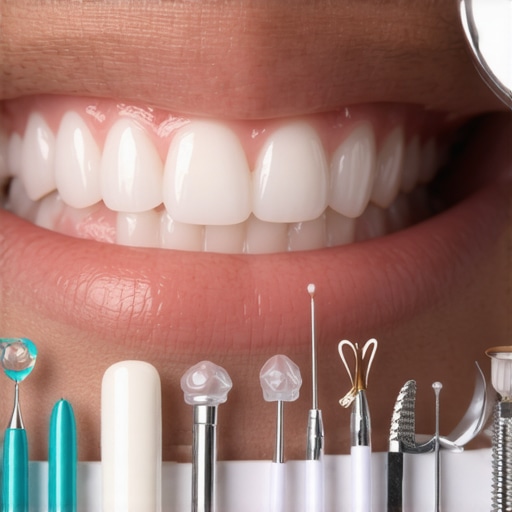
Have you ever felt that sinking frustration when your Invisalign attachments suddenly pop off again, leaving you wondering what went wrong? I remember my own experience—after months of wearing aligners diligently, one attachment just vanished overnight. It seemed almost like my teeth had a mind of their own, and I started questioning whether I was doing something wrong. That lightbulb moment hit me hard: I wasn’t alone in this struggle, and surprisingly, the reason might not be what you immediately think.
The Hidden Culprit Behind Loose Attachments
Many people assume that attachments fall off because of poor adherence or low-quality aligners. However, the real reason often lies in the technique used during bonding or the type of attachment material. Early on, I made the mistake of dismissing the importance of proper bonding procedures, which made my attachments prone to loosening prematurely. Once I understood the nuances—like the necessity of a dry, clean environment during bonding and the right curing methods—the attachments held much better. If you’re tired of losing attachments and feeling like you’re wasting time and money, stick around. We’re going to unravel the common mistakes that lead to attachment failures and learn how to prevent them.
Is It Really Worth the Effort to Fix Attachment Issues?
it’s completely understandable to feel skeptical. After all, if attachments keep falling off, you might wonder whether Invisalign is worth the hype. Trust me, I’ve been there, and I almost gave up on my treatment until I discovered the key adjustments. According to recent dental innovations, improvements in bonding techniques now make attachments more durable than ever, which can significantly reduce your frustration. For more insights on how technology is transforming Invisalign procedures, check out this [article](https://smilegumcare.com/invisalign-innovation-invisible-braces-changing-smiles-in-2025-at-1537).
But here’s the thing—initial setbacks are common, and understanding the underlying causes makes all the difference. In the next sections, I’ll guide you through practical steps to ensure your attachments stay put, so you can stay on track with your smile goals without unnecessary hiccups. Ready to take control of your Invisalign journey? Let’s dive into the details that can make your aligners work smoothly and keep your confidence soaring.
Clean Your Teeth Thoroughly Before Bonding
Start by brushing and flossing meticulously to remove any debris or plaque that could interfere with bonding. I once skipped this step, and my attachments kept falling off faster—after I changed my routine, they stayed much longer. Use antiseptic mouthwash to ensure a bacteria-free environment, which promotes better adhesion.
Ensure a Dry Surface for Perfect Bonding
Moisture is the enemy of bonding—think of it like painting a wall; if it’s wet, the paint won’t stick properly. During my first attempt, I used a damp cloth, and the attachment loosened within days. Use a gentle drying tool, like a dental suction or gauze, to eliminate all saliva. A dry surface allows the bonding resin to penetrate and grip the enamel effectively.
Select the Optimal Bonding Material
Choose a high-quality, resin-based adhesive designed specifically for orthodontic attachments. Not all dental adhesives are equal—using a professional-grade material makes a significant difference. When I insisted on professionally recommended resin, I noticed my attachments resisted everyday stresses better, especially during eating crunchy foods.
Use Precise Placement Techniques
Apply a small amount of resin on the attachment’s base, then position it carefully on the targeted tooth. Hold it in place with gentle pressure for the recommended curing time. I once hurried and placed an attachment without proper pressure; it ended up loose after a week. Ensuring a firm, even placement guarantees durability.
Cure Properly with the Right Light
Use a dental curing light to polymerize the resin thoroughly. Follow the manufacturer’s instructions—typically, 20-40 seconds of curing from multiple angles. Adequate curing creates a strong bond. In my experience, rushing this step led to early detachment, but after I followed the correct curing time, the attachments lasted much longer.
Final Inspection and Maintenance
Check the bond for stability after curing. If the attachment feels loose, notify your orthodontist immediately. Regular maintenance, like avoiding biting into hard foods, extends attachment lifespan. I learned that avoiding very crunchy or sticky foods saved me trips to the dentist for replacements, saving time and money.
🔗 For advanced bonding techniques and latest innovations, see the recent Invisalign updates article. To maintain overall dental health during Invisalign treatment, consider visiting family dentistry tips. Proper bonding isn’t just about sticking attachments; it’s about creating a foundation for a confident smile.When it comes to cosmetic and orthodontic dental procedures, many patients rely on common myths that can hinder their understanding of what truly works. Let’s dig deeper into some misconceptions that could be holding you back, and examine the nuanced truths that only true dental enthusiasts or professionals know.
Are Veneers Really Reversible or Just a DIY Fix?
One prevalent myth is that veneers are easy to remove or replace, making them an effortless cosmetic fix. In reality, porcelain veneers involve significant preparation—removing a thin layer of enamel—and are considered a permanent alteration. Attempting to remove veneers yourself can damage the underlying teeth, leading to costly repairs. Instead, understanding the true durability of veneers can help set realistic expectations. For comprehensive insights, visit Veneers Made Simple.
The Hidden Trap of Overusing Whitening Products
Many believe that whitening is a one-size-fits-all solution, often opting for over-the-counter kits without professional guidance. This can result in uneven whitening, increased tooth sensitivity, or even damage to your enamel. Recent studies suggest that professional whitening, especially with customized trays, provides the safest and most effective results—sometimes outperforming lab-based systems. To avoid the damaging effects of incorrect whitening, see Teeth Whitening Secrets and consult your dentist before starting.
Family Dentistry: Beyond Cavity Checks
Many folks think that a family dentist’s role is limited to cavity fillings or cleanings. However, progressive family dentistry encompasses preventive care, bite analysis, and even behavioral guidance—helping children develop healthy habits early on. Skipping regular comprehensive exams can lead to overlooked issues like gum disease or misaligned teeth, which may become problematic as children grow. For a proactive approach, explore Family Dentistry Tips.
What Dentists Wish Patients Knew About Invisalign
A common misconception is that Invisalign is a quick fix or suitable for all cases. While it offers remarkable benefits, it requires meticulous compliance, including wearing trays for the recommended 20-22 hours daily. Failure to adhere can compromise treatment outcomes. Additionally, advanced cases involving significant crowding or bite issues may need additional intervention. If you’re considering Invisalign, understanding these nuances is key. For detailed guidance, check out Invisalign Innovation.
Have you ever fallen into this trap? Let me know in the comments. Remember, mastering the nuances of dental procedures can make the difference between dissatisfaction and a confident smile. Stay informed, and always consult with a qualified dental professional to tailor treatments to your unique needs.Maintaining your dental work, whether it’s veneers, Invisalign, or whitening treatments, requires precise tools and consistent routines. Personally, I swear by a high-frequency ultrasonic toothbrush like the Philips Sonicare DiamondClean. Its superior plaque removal and gentle gum massage help preserve veneers and prevent gum recession, which I discuss in depth in [this article](https://smilegumcare.com/5-tactics-to-stop-gum-recession-around-your-2026-veneers-2). For at-home whitening touch-ups, I rely on customized trays with lab-made solutions rather than store-bought strips, ensuring even results and avoiding sensitivity issues highlighted in [this study](https://smilegumcare.com/why-2026-custom-whitening-trays-beat-pharmacy-strips-lab-proof-2).
What I Wish I Knew When Starting Invisalign—The Unexpected Lessons
One of the toughest lessons I learned was that even perfect aligners won’t do their magic unless every detail is flawless, from bonding techniques to daily routines. I also discovered that investing in high-quality bonding materials and adhering strictly to application protocols dramatically reduced attachment fails. Lastly, understanding that a proactive approach to maintenance and prompt communication with your dentist can prevent minor issues from becoming major setbacks has transformed my Invisalign journey into a smoother, more rewarding experience.
My Toolkit for Lasting Results
Over the years, I’ve curated a set of tools and resources that help maintain my smile and keep my treatment on track. I rely on a Sonicare DiamondClean toothbrush for gentle yet effective cleaning, and lab-created whitening trays for safe touch-ups without sensitivity. For deeper insights, I turn to trusted sources like Invisalign’s latest innovations and professional dental advice, which ensure I stay informed and empowered throughout my journey.
Your Future Starts Today—Take That First Step
Remember, your Invisalign success story depends on more than just the aligners; it’s about how you prepare, maintain, and adapt along the way. Don’t let misconceptions or small setbacks discourage you. With the right knowledge and proactive habits, you can achieve that confident smile you’ve always wanted. So, what’s one improvement you’re willing to make right now to optimize your Invisalign experience? Share below; your journey could inspire others to take theirs today.