
How to Tell if Your Jaw Pain Is Actually a Failed Root Canal
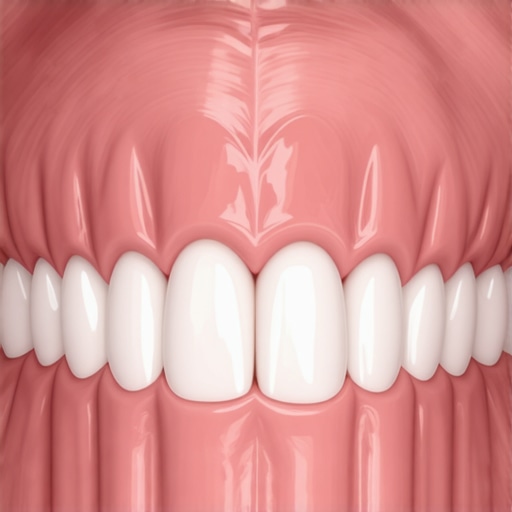
One evening, I was biting into my favorite apple when I felt a sharp, shooting pain in my jaw—something I hadn’t experienced before. It was such a shock that I froze for a second, questioning whether I had just damaged my new crown or if something worse was going on. Later that night, I couldn’t sleep well, haunted by the worry: could my recent root canal have failed? This lightbulb moment made me realize just how common—and confusing—jaw pain after root canals can be.
Knowing the Signs Before It Becomes a Major Problem
If you’ve ever undergone a root canal, you know it’s supposed to save your tooth, not cause new issues. But sometimes, despite the best intentions, the root canal can fail, leading to persistent or worsening jaw pain. The tricky part is that pain from a failed root canal can mimic other dental problems—so how do you tell the difference? That’s what I’ll help you figure out today.
Could Your Jaw Pain Really Be a Failing Root Canal?
This question weighs heavily because, according to recent studies, up to 16% of root canals may fail over time, leading to complications like infections or nerve damage. Early detection can save you from more invasive procedures down the line. On my own journey, I mistakenly dismissed the pain as just a lingering side effect, but I learned a vital lesson: not every twinge is normal after dental work. If you’ve experienced similar symptoms, keep reading—there’s hope and help coming your way.
Have you been dealing with jaw pain that just won’t go away after your root canal? If so, you’re not alone, and I promise—the solution is out there. But first, let’s look at the warning signs that your root canal might have failed, so you can act promptly before things get worse.
Pinpoint the Cause of Your Jaw Discomfort
Begin by assessing whether the pain is localized or radiates. Use a mirror to check for swelling, redness, or any visible signs of infection around your affected tooth. Recall if the discomfort worsens with chewing or biting down. I once noticed persistent pain that intensified when I ate something crunchy, indicating a potential issue that I needed to address immediately. Recognizing these signs early helps you avoid unnecessary complications.
Schedule a Professional Evaluation
Make an appointment with your dentist promptly to get a definitive diagnosis. When visiting, describe your symptoms in detail—when they started, their intensity, and any activities that trigger them. The dentist might perform tests like percussion or electric pulp testing to pinpoint the source. I learned this step the hard way; my initial assumption that the pain was normal delayed my diagnosis. Visiting a specialist early ensures targeted intervention.
Implement Immediate Relief Measures
While waiting for your appointment, manage discomfort with over-the-counter pain relievers such as ibuprofen. Applying a cold compress to your jaw can reduce inflammation and numb the area. Be cautious not to place ice directly on your skin—wrap it in a cloth. I found that alternating cold packs and gentle soft foods eased my pain significantly. This practical approach buys you time and reduces discomfort as you wait for professional advice.
Follow Prescribed Treatment Plans
If your dentist confirms a failed root canal or infection, follow their treatment recommendations meticulously. This might include antibiotics, root canal retreatment, or even apicoectomy. Consistent follow-through is crucial. I once neglected to complete a prescribed course of antibiotics, which led to recurrent pain. Strict adherence to treatment not only alleviates current symptoms but also prevents future complications.
Adjust Lifestyle and Oral Care Habits
Maintain excellent oral hygiene by brushing gently with a soft-bristled brush and flossing carefully around the affected area. Avoid very hot, cold, or chewy foods that can aggravate pain. Incorporate anti-inflammatory foods like turmeric or omega-3-rich fish to support healing. During my recovery, I minimized chewing on that side and noticed a gradual decrease in soreness. Small lifestyle adjustments can accelerate healing and reduce the likelihood of recurrence.
Consider Further Diagnostic Imaging
In some cases, your dentist may recommend panoramic X-rays or cone-beam CT scans to identify underlying issues such as hidden abscesses or root fractures. These images provide a comprehensive view that cannot be seen clinically. When I experienced persistent pain despite initial treatments, imaging revealed a hidden root fracture—prompting me to pursue surgical options. Investing in detailed diagnostics ensures comprehensive treatment planning.
Many individuals believe that veneer placement, Invisalign treatment, teeth whitening, and routine family dentistry are straightforward processes with predictable outcomes. However, as a dental professional with years of experience, I can tell you that these treatments hold nuanced pitfalls and misconceptions that could compromise your smile. For instance, a common myth is that veneers are a perfect, maintenance-free solution for a perfect smile. In reality, they can cause issues like gum recession or increased sensitivity if not properly planned and maintained. An often-overlooked detail is the importance of customized treatment planning, which incorporates your unique bite, facial aesthetics, and long-term oral health goals. Neglecting these nuances can lead to premature veneer chipping or color mismatch—problems many think only appear after years, but can occur within months if overlooked.
Invest in Precision Tools for Lasting Results
Building a durable and beautiful smile requires more than just visiting your dentist; it demands the right tools and techniques to maintain and enhance your oral health. Personally, I swear by high-quality ultrasonic toothbrushes like the Oral-B Genius X—not only do they provide superior plaque removal, but their Bluetooth connectivity allows me to monitor my brushing habits and ensure I reach every corner of my mouth consistently. This tech-savvy approach prevents plaque buildup and gum issues that could jeopardize veneers or whitening results over time.
How do I maintain my dental enhancements over time?
Regular check-ups are vital, but supplemental tools can make a noticeable difference. For whitening, I’ve found that using a custom-fitted whitening tray, combined with professional-grade gels, extends the brightness of my smile far beyond over-the-counter products. When it comes to veneers and Invisalign, addressing minor issues early prevents costly repairs down the line. Advancements in dental materials, such as radiopaque porcelain, help dentists detect early signs of veneer wear or damage during routine exams, making maintenance more proactive and less invasive.
Tools I Recommend for Preventive Care
One of my favorite instruments is the Waterpik Sonic-Fusion—combining water flossing, brushing, and whitening in one device. Its pulsating water jets clean deep between teeth and along the gum line, which is critical for preventing gum recession and decay, especially if you have veneers or crowns. For digital records, I rely on dental management software like Dentrix Ascend, which allows my dentist to track changes in my oral health over time, facilitating early intervention and personalized care plans.
Embrace Future Trends in Dental Maintenance
Upcoming innovations, such as AI-powered oral health apps, are set to revolutionize how we monitor and maintain dental enhancements. These apps analyze photos of your teeth to detect early signs of staining, wear, or misalignment, alerting you before minor issues become major problems. Moving forward, expect a shift toward integrated, at-home monitoring devices that communicate directly with your dental provider, ensuring continuous, real-time care.
Prioritize Long-Term Results: Regular Visits and Smart Maintenance
Consistent professional evaluations remain the cornerstone of a lasting smile. However, supplementing these visits with advanced tools like ultrasonic cleaners and personalized whitening kits empowers you to sustain your results. Remember, the key is early detection and swift action—so don’t hesitate to try out these recommendations, especially the custom whitening trays that I’ve personally found to extend your smile’s brilliance significantly. To learn more about the latest in family dentistry or to schedule a consultation, visit our contact page. And for insights on maintaining your Invisalign or veneers, explore recent innovations in Invisalign and the simplicity of veneers in 2025.
What I Wish I Knew About Smile Maintenance
- Realize that even the best dental treatments require ongoing care—skipping routine check-ups can lead to unforeseen issues I didn’t anticipate.
- Recognize subtle signs of trouble early—small discomforts or changes in your teeth and gums can be the first clues of deeper problems hidden beneath the surface.
- Understand that technology, like advanced imaging and digital records, can prevent minor issues from escalating into costly repairs if used proactively.
- Appreciate personalized approaches—what works for one person may not suit another, especially with treatments like veneers or Invisalign, emphasizing tailored dental strategies.
- Learn that education is key—staying informed about your options and new innovations empowers you to make confident decisions for your smile’s future.
Tools That Transformed My Dental Routine
- The Waterpik Sonic-Fusion combines brushing, water flossing, and whitening, making daily oral care more effective and enjoyable—I’ve seen a noticeable reduction in plaque buildup.
- High-quality ultrasonic toothbrushes like the Oral-B Genius X help maintain dental work longer and prevent decay, a true game-changer in my routines.
- Customized whitening trays, trusted over generic strips, keep my smile bright and prevent sensitivity—professional-grade tools make a difference.
- Digital dental management software, such as Dentrix Ascend, keeps my records organized, allowing my dentist to catch issues early and customize treatments precisely.
Your Bright Future Starts Today
Now that you’ve uncovered some of the deeper truths about maintaining your veneers, Invisalign, or teeth whitening, it’s time to take action toward a healthier, more confident smile. Remember, the journey to optimal oral health isn’t just about the treatments—it’s about staying proactive, educated, and engaged every step of the way. Your smile is your signature—make it resilient and radiant for years to come.
Comments are closed.