
The Real Reason Your Veneers Feel Bulky Against Your Lips
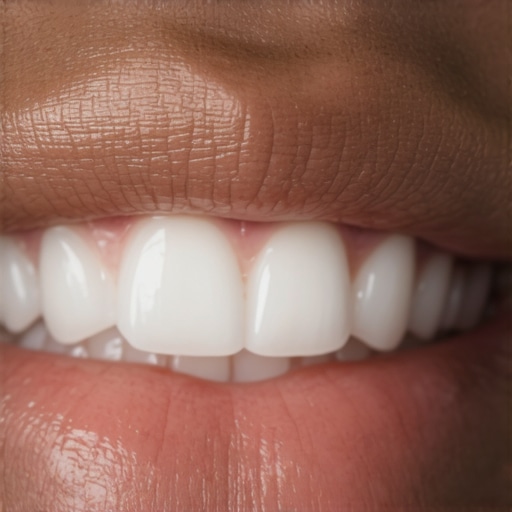
It was a morning just like any other, but as I looked in the mirror, a small but frustrating discovery hit me—my veneers felt uncomfortably bulky, almost like they were stretching my lips in ways they shouldn’t. I remember thinking, “Did I choose the wrong dentist? Are my veneers failing?” That lightbulb moment led me down a rabbit hole of research and personal trial and error, ultimately revealing a surprising culprit that many overlook.
Why Your Veneers Might Feel Larger Than Life
Most people invest thousands of dollars into veneers expecting a natural, seamless look. But then, suddenly, they experience that sensation—your lips feel stretched, your voice sounds slightly different, and everything just feels… off. I know firsthand how unsettling this can be because I faced the same issue after my veneers were placed. It made me wonder: Is this normal? Will it ever go away? The truth is, the cause often lies in the thickness of the veneer material and how it interacts with your lip muscles.
Is a Bulky Veneer Actually Worth the Hype?
Early on, I made a mistake I hear many others repeat—believing that more coverage and thicker veneers would give me a perfect, dazzling smile. Instead, I ended up with a mouthful that felt foreign. Over time, I learned that thinner, properly contoured veneers can significantly reduce that bulky sensation while still providing the stunning aesthetic I wanted. If you’re questioning whether veneers are right for you because of this discomfort, know this: with the right technique and material, you can avoid feeling like you’ve got a mouth full of rocks.
If this sounds familiar, you’re not alone. Many patients skip the crucial step of discussing veneer thickness with their dentist, leading to surprises like mine. To learn more about selecting the right veneers that feel natural, you might want to explore this comprehensive guide.
But don’t worry—there are practical, proven methods to fix this issue, which we’ll explore in the next sections. Are you tired of feeling like your smile comes with a heavy side of discomfort? Keep reading, because the solution is closer than you think and can make all the difference in feeling truly confident with your smile again.
Simplify Your Veneer Thickness
Start by consulting with your dentist about the ideal thickness for your veneers. Personally, I requested a thinner profile during my second visit, explaining that comfort was a priority. The dentist used a calibrated digital scanner to measure my teeth precisely, ensuring the veneers wouldn’t feel bulky. This step is crucial—thicker veneers can push the lips outward, causing that uncomfortable stretching sensation. Remember, clear communication with your dentist, referencing insights from this guide, helps tailor the thickness to your comfort level.
Choose the Right Material or Porcelain
Not all veneers are created equal. Composite veneers, for example, tend to be thinner but may not last as long, while porcelain offers durability and a natural look. I opted for porcelain because it closely mimicked my natural enamel. Be mindful that high-quality porcelain allows for customized contouring, reducing bulk and creating a more natural feel. To ensure you’re selecting the best material, discuss options thoroughly with your dentist and consider the material’s translucency and thickness. This selection process can significantly impact comfort and aesthetic satisfaction.
Opt for Proper Contouring and Bonding Techniques
Proper contouring involves shaping the edges of the veneer so they blend seamlessly with your natural teeth. During my appointment, the dentist meticulously beveled the edges and adjusted the contact points, which minimized the bulkiness and improved my speech clarity. Bonding should be precise—using a light-curing composite that adheres snugly without excess material that can add unnecessary thickness. Visualizing this process is easier when you understand it as customizing a tailored suit: every seam and edge is adjusted for perfect fit. This step is vital in reducing that bulky feeling and enhancing comfort.
Consider Veneer Contouring or Reshaping After Placement
If your veneers already feel bulky, ask your dentist about possible contouring or reshaping. I had a minor reshaping session after my initial placement, where the dentist gently grinded down high spots using a fine diamond bur. This process is akin to sculpting a piece of clay—careful and incremental. It can alleviate pressure points and align the veneer with your natural tooth line, significantly improving comfort. Always have this done by a professional to avoid compromising the integrity of the veneer or tooth structure.
Maintain Consistent Oral Hygiene and Follow-Up Care
Regular cleaning keeps your veneers and natural teeth healthy, preventing issues that might lead to discomfort or the need for adjustments. I schedule routine check-ups every six months, during which my dentist inspects the fit and comfort of my veneers. Proper hygiene also involves gentle brushing with a soft-bristled toothbrush and non-abrasive toothpaste—this prevents premature wear that could make veneers feel uneven or bulky over time. Staying vigilant ensures long-term comfort, making your veneers feel as natural as possible.
Implementing these steps requires clear communication with your dentist and a willingness to engage actively in your oral health. Each measure—from material choice to contouring—serves the purpose of transforming an initially uncomfortable experience into a confident, natural-feeling smile. Remember, customizing your approach based on your unique dental anatomy can make all the difference, guiding you toward lasting comfort and satisfaction with your veneers.
Many patients assume they understand the basics of veneers, teeth whitening, Invisalign, and family dentistry, but the truth is, there’s a wealth of nuances that often get overlooked. One prevalent misconception is that all veneers are created equal; in reality, the choice of material, thickness, and contouring techniques can dramatically influence comfort and longevity. For instance, some believe that thicker veneers yield better aesthetics, but in my experience, thinner, well-contoured veneers often produce more natural results without sacrificing durability. This nuance is backed by expert prosthodontists who emphasize the significance of personalized veneer design over generic thickness standards.
Why do so many still fall for misconceptions about whitening treatments?
A common myth is that over-the-counter whitening kits can match professional results, but studies have shown they often lead to uneven whitening and increased sensitivity (source: Smile Gum Care). The real danger here isn’t just disappointment—it’s potential damage to enamel if improper products are used without professional guidance. Similarly, many overlook that Invisalign trays need meticulous management—ignoring this can cause tracking gaps, leading to prolonged treatment. A crucial mistake is assuming that all orthodontic aligners are equal; advanced innovations provide better fit and comfort, as detailed in this guide. Groundbreaking research also suggests that family dentistry encompasses more than biannual cleanings; it requires tailored preventive strategies for different ages, especially during early childhood when permanent teeth erupt. Missing this detail can set the stage for future dental issues.
Have you ever fallen into this trap? Let me know in the comments.
How do I keep my veneers, whitening, and Invisalign results looking their best over time?
Investing in dental cosmetic procedures is just the beginning; maintaining their appearance and functionality requires the right tools and consistent practices. One of my top recommendations is using a high-quality sonic toothbrush, like the Oral-B Genius X, which I’ve personally found effective in gently yet thoroughly cleaning veneers and natural teeth. Its oscillating motion helps prevent plaque buildup without damaging delicate restorations, and the built-in timers ensure I brush for the recommended two minutes. Regular use of such a toothbrush, combined with flossing and non-abrasive toothpaste like Sensodyne Pronamel, is crucial in preserving the longevity of your dental work.
For whitening maintenance, I suggest switching to at-home whitening gels with precision applicators, such as the Philips Zoom day white+ cartridge system. These enable targeted application, reducing sensitivity and ensuring that your results last longer. It’s also wise to schedule periodic in-office touch-ups with your dentist— I do mine every 6-12 months. Professionals can assess for any early signs of wear or staining and recommend suitable re-treatments. According to the American Academy of Cosmetic Dentistry, regular professional evaluations are essential for prolonging the life of cosmetic restorations.
What tools are best for keeping Invisalign aligners comfortable and effective?
Maintaining your Invisalign trays is vital for successful treatment. I personally use a cleaning solution like Retainer Brite, which dissolves plaque and keeps trays fresh without harsh chemicals. Soaking my aligners daily in this solution, as recommended by Invisalign specialists, prevents buildup that can cause cloudiness or bad odor. Additionally, a soft-bristled toothbrush (preferably a dedicated cleaning brush like thebeausstools Invisalign-specific cleaner) helps me scrub away debris gently. Replacing worn-out aligner cases regularly also prevents bacterial growth, which can compromise oral health and the fit of the trays.
This routine not only maintains the hygiene and clarity of your Invisalign trays but also prolongs their lifespan. An often-overlooked tip is avoiding hot beverages while wearing aligners—heat can warp plastic and jeopardize tight fit. For more detailed tips, Invisalign’s official guidelines highlight the importance of consistent cleaning and proper storage.
Why is long-term dental maintenance predicted to evolve in the coming years?
Based on current trends, I believe the future of dental maintenance will increasingly incorporate smart technology. Devices embedded with micro-sensors that monitor oral health parameters—such as pH levels, wear patterns, or early signs of decay—are already in development. For instance, researchers have introduced biosensors integrated into toothbrush bristles capable of real-time data transmission to your smartphone. This innovation promises personalized dental care that adapts over time, much like the advancements seen with veneers customization. Expect an era where proactive maintenance, aided by wearable tech, significantly reduces dental emergencies and enhances the durability of cosmetic treatments.
If you’re eager to safeguard your investment, start by incorporating a high-quality sonic toothbrush into your daily routine. It’s an easy step with profound long-term benefits—don’t underestimate its potential to save you time, money, and discomfort down the line.
The Hardest Lesson I Learned About Sparkling Smiles
One of my biggest realizations was that more isn’t always better—especially when it comes to veneer thickness. I used to believe that thicker veneers meant better aesthetic results, but I discovered the hard way that comfort often takes a backseat when volume is prioritized over contouring.
Why Rushing the Perfect Smile Can Backfire
Patience truly pays off. My eagerness to flaunt a flawless smile led me to rush through consultations and overlook the importance of detailed contouring. This oversight caused unnecessary discomfort, reminding me that quality dental work demands time and precision.
Finding Clarity Amid Conflicting Advice
During my research, I encountered many myths about veneers and whitening, which initially left me confused. Taking the time to consult reputable sources and listen to specialist recommendations helped me distinguish fact from fiction, empowering me to make informed choices about my dental care.
Miniature Changes, Major Comfort Gains
Small adjustments—like requesting thinner veneers or refining contouring—made a significant difference in my daily comfort. This experience has shown me that sometimes, less truly is more, especially when it results in a natural feel that supports your confidence.
Curated Resources for a Smarter Smile
To deepen my understanding, I relied on trusted guides like the comprehensive Veneers Made Simple guide. It provided actionable insights into choosing the right material and communicates effectively with your dentist. Additionally, I turned to reputable industry blogs and professional associations that emphasize personalized treatment—an approach I highly recommend.
Embrace Your Dental Evolution
Your journey toward the perfect smile is uniquely yours, and the most powerful step you can take is to stay proactive and engaged. Don’t hesitate to discuss your concerns about veneer comfort and aesthetics with your dentist—they’re your allies in crafting a natural, confident smile. Remember, the decisions you make today about veneer thickness, material, and contouring will shape your smile’s future—so choose wisely and with confidence. Have you ever encountered unexpected discomfort after veneers or whitening treatments? Share your experience below, and let’s learn from each other.