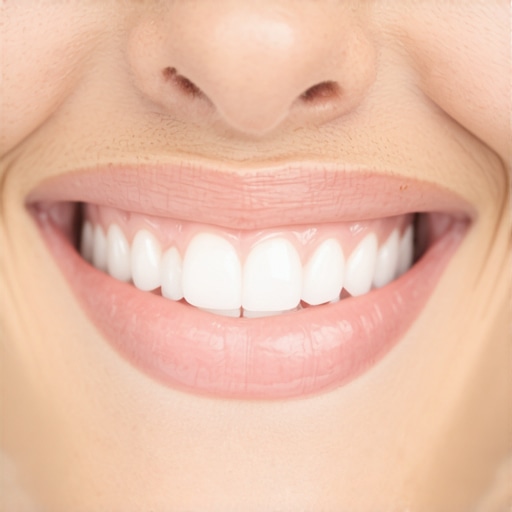
Unlocking the Potential of Invisalign and Veneers in Contemporary Smile Makeovers
As dental aesthetics evolve, the integration of innovative solutions like Invisalign and porcelain veneers has revolutionized smile enhancement procedures. For 2024, understanding the nuanced application of these treatments is essential for clinicians aiming to deliver transformative results that meet patient expectations for both function and aesthetics.
Synergistic Approaches in Modern Cosmetic Dentistry
The convergence of clear aligners and custom veneers exemplifies a multidisciplinary approach that addresses complex dental issues—from minor alignment corrections to major aesthetic reconfigurations. This synergy allows practitioners to tailor interventions based on individual anatomical and aesthetic considerations, leveraging the minimally invasive nature of Invisalign alongside the transformative power of veneers.
What are the latest advancements in combining Invisalign with veneers for optimal smile outcomes?
Recent innovations facilitate precise planning through digital smile design, enabling dentists to simulate combined treatments with high accuracy. Incorporating 3D imaging and CAD/CAM technology ensures predictable results, reducing chairside time and enhancing patient satisfaction. Moreover, strategic sequencing—using Invisalign to align teeth before veneer placement—minimizes invasive procedures and maximizes aesthetic harmony.
Technical Considerations for a Successful Smile Transformation
Achieving a seamless integration of Invisalign and veneers demands detailed preoperative analysis. Key factors include occlusal compatibility, enamel health, and periodontal stability. Advanced diagnostic tools, such as digital smile analysis and intraoral scanners, help optimize treatment planning, ensuring that veneers are designed to complement the corrected alignment effectively.
Addressing Common Challenges and Myths
One prevalent misconception is that veneers are a ‘quick fix’ that can replace orthodontic treatment. In reality, comprehensive assessment determines whether orthodontics via Invisalign is necessary before veneer application. This combination offers a durable, natural-looking result, but it requires precise case selection and expertise to avoid issues like veneer fracture or misalignment relapse.
How do I ensure long-term stability when combining Invisalign with veneers?
Long-term stability hinges on meticulous retention strategies, including the use of night guards and periodic maintenance checks. Educating patients about proper oral hygiene and avoiding habits that compromise restorations further sustains the results. Consulting authoritative sources such as the American Academy of Cosmetic Dentistry provides evidence-based guidelines to refine protocols.
For practitioners seeking deeper insights into comprehensive smile makeovers, exploring related expert content like proven tips for smile perfection in 2024 is highly recommended. Embracing a holistic approach that combines digital planning, minimally invasive techniques, and ongoing patient education ensures that aesthetic and functional goals are achieved with confidence.
Interested in sharing your practical experiences or advanced techniques? Engage with the community by contributing insights on integrating veneers and Invisalign, and stay at the forefront of cosmetic dentistry innovation.
Harnessing Digital Precision: The Future of Combining Invisalign and Veneers
In the realm of aesthetic dentistry, the integration of digital technology has revolutionized treatment planning, particularly when combining Invisalign with veneers. Advanced tools like digital smile design and 3D imaging allow clinicians to visualize the final outcome with remarkable accuracy, ensuring a harmonious blend of orthodontic and restorative elements. This digital synergy not only enhances predictability but also streamlines the workflow, reducing chairside time and improving patient satisfaction. For practitioners eager to stay ahead, exploring the latest in smile design technology is essential.
Challenging Assumptions: Are Veneers Always the Best Option Post-Orthodontics?
A common misconception is that veneers are a quick, universal solution for aesthetic issues. However, the decision to use veneers after Invisalign treatment must be based on a comprehensive assessment of enamel thickness, structural integrity, and aesthetic goals. While veneers offer dramatic improvements, they are inherently invasive and irreversible. In some cases, alternative options such as composite bonding or minimal enameloplasty can achieve similar results with less tissue removal. A nuanced approach, considering long-term stability and patient preferences, is vital for optimal outcomes.
What are the emerging materials and techniques that ensure durable, natural-looking veneers in conjunction with orthodontic correction?
Material science advancements have introduced ultra-thin veneers made from high-strength porcelain and composite resins that mimic natural enamel more convincingly than ever before. Techniques like layering and staining further enhance translucency and depth, creating a lifelike appearance. When combined with minimally invasive preparation and digital planning, these innovations enable clinicians to deliver durable, aesthetically superior results that complement prior orthodontic adjustments. For more insights, visiting the ultimate guide to smile transformation can provide valuable guidance.
Long-Term Maintenance: How Do We Sustain the Beauty and Functionality of Combined Treatments?
Long-term success hinges on strategic retention and patient education. Custom night guards, regular checkups, and tailored oral hygiene protocols are essential to prevent relapse and maintain the integrity of both Invisalign corrections and veneers. Moreover, periodic re-evaluation ensures that any minor issues are addressed promptly, preserving the aesthetic harmony achieved through comprehensive treatment planning. Emphasizing patient involvement and adherence to maintenance routines is key. For deeper insights into maintaining smile perfection, reviewing trusted retention strategies can be highly beneficial.
If you’re interested in expanding your expertise or sharing success stories, consider contributing to the ongoing discussion about innovative smile makeover techniques. Your insights can help shape future best practices in cosmetic dentistry.
Strategies for Ensuring Long-Term Stability in Complex Smile Makeovers Using Invisalign and Veneers
Achieving a stunning, enduring smile transformation through the combined use of Invisalign and veneers demands meticulous planning beyond initial placement. The crux of long-term success lies in understanding the biomechanical and material factors that influence stability over time. For practitioners, integrating comprehensive retention protocols with cutting-edge diagnostic tools can significantly reduce the risk of relapse, veneer fractures, or aesthetic deterioration.
What innovative retention methods are proving most effective for maintaining alignment and veneer integrity?
Recent advances include the utilization of custom thermoplastic night guards with enhanced fit precision and the application of fixed retention appliances, such as bonded lingual retainers, tailored to individual occlusal dynamics. Research published in the Journal of Esthetic and Restorative Dentistry (2022) emphasizes the importance of personalized retention strategies that consider patient-specific parafunctional habits, such as bruxism, which can jeopardize both orthodontic stability and veneer longevity.
Moreover, digital monitoring tools, including intraoral scanners and AI-powered follow-up systems, facilitate early detection of minor shifts or wear, enabling prompt intervention. Combining these innovations with patient education about habits like nail-biting, tongue thrusting, and clenching fosters a proactive approach to maintenance, ultimately preserving the aesthetic and functional outcomes achieved.
The Role of Material Science in Enhancing Durability and Natural Appearance
Material advancements continue to redefine the durability and realism of veneers, with ultra-thin high-strength porcelain and composite resins leading the charge. Incorporating nanotechnology and multilayered staining techniques allows clinicians to replicate the translucency, depth, and vitality of natural enamel more convincingly than ever before.
For example, recent developments in lithium disilicate ceramics, such as IPS e.max® Press, offer exceptional fracture resistance while maintaining translucency, making them ideal for anterior restorations in high-stress zones. When combined with minimally invasive preparation protocols—guided by digital design—these materials can significantly extend the lifespan of veneers, especially when aligned with the biomechanical corrections achieved through Invisalign.
In addition, ongoing research into bioactive restorative materials, such as resin composites with remineralizing properties, presents promising avenues for enhancing the interface between natural tissue and restorations, reducing secondary caries risk, and supporting periodontal health. Consulting peer-reviewed journals like the International Journal of Esthetic Dentistry provides clinicians with evidence-based insights into the latest material innovations.
Integrating Digital Workflow for Predictable, Stable Outcomes
The seamless integration of digital workflows—combining 3D imaging, virtual smile design, and computer-aided manufacturing—empowers clinicians to simulate and optimize treatment sequences before initiating procedures. This approach minimizes guesswork, aligns expectations, and ensures each element—from orthodontic movement to veneer placement—is precisely coordinated.
Advanced software platforms, such as DSDApp or CEREC, facilitate comprehensive treatment planning that accounts for occlusal forces, enamel thickness, and aesthetic harmony, leading to more predictable, stable results. By employing iterative virtual simulations and adjusting parameters accordingly, practitioners can foresee potential challenges and address them proactively, ultimately extending the longevity of both orthodontic corrections and restorative enhancements.
For those dedicated to mastering digital dentistry, engaging with ongoing training modules and staying current with emerging technologies is essential. Leading organizations like the American Academy of Cosmetic Dentistry regularly publish case studies and protocols that exemplify best practices in digital integration.
Conclusion: Embracing a Multidisciplinary, Evidence-Based Approach
Ensuring the long-term stability of combined Invisalign and veneer treatments requires a holistic strategy—one that synthesizes innovative retention protocols, advanced materials, and state-of-the-art digital planning. By embracing a multidisciplinary, evidence-based approach, clinicians can deliver not only immediate aesthetic excellence but also enduring functional harmony. Continuous education, participation in professional forums, and engagement with the latest research are key to refining techniques and achieving optimal patient satisfaction.
Interested in deepening your expertise in this realm? Explore authoritative resources like the American Academy of Cosmetic Dentistry and contribute your insights to the evolving dialogue on smile stability and longevity. Your commitment to excellence shapes the future of comprehensive, patient-centered aesthetic dentistry.
Harnessing Biomechanical Innovations to Sustain Smile Harmony
In the pursuit of enduring aesthetic results, recent breakthroughs in biomechanical engineering have facilitated the development of custom retention devices that adapt dynamically to individual occlusal forces. These innovations, such as adaptable thermoform retainers embedded with strain sensors, enable practitioners to monitor and adjust retention strategies in real-time, significantly reducing the risk of relapse and veneer failure. Integrating these cutting-edge tools with traditional protocols exemplifies a sophisticated, patient-specific approach that transcends conventional methods.
Emerging Material Technologies for Enhanced Durability and Naturalism
Advances in biomimetic materials, including nanostructured ceramics and bioactive composites infused with remineralizing agents, are revolutionizing veneer longevity. These materials not only mimic the optical properties of natural enamel but also exhibit superior fracture resistance and biocompatibility. The application of multilayered porcelain systems with integrated translucency gradients, guided by digital design, ensures restorations that withstand functional stresses while maintaining lifelike aesthetics, especially when paired with precision-guided minimally invasive preparations.
Is Digital Smile Design the Future of Predictable and Stable Outcomes?
Absolutely. Digital smile design (DSD) platforms utilize artificial intelligence algorithms to simulate comprehensive treatment trajectories, accounting for occlusal dynamics, periodontal health, and aesthetic harmony. These platforms facilitate iterative virtual planning, allowing clinicians to optimize the sequence of orthodontic and restorative procedures. The integration of intraoral scanning and 3D printing streamlines workflows, enhances accuracy, and enables clinicians to preemptively identify potential challenges, thereby significantly improving the predictability and stability of complex smile makeovers.
How can practitioners leverage AI-driven monitoring tools to ensure long-term treatment success?
By incorporating AI-powered intraoral scanners and remote monitoring systems, dentists can track subtle changes in tooth position or restoration integrity over time. These technologies enable early detection of minor shifts or wear, prompting timely interventions that preserve treatment outcomes. Furthermore, patient engagement platforms that utilize gamification and real-time feedback foster compliance with retention protocols, creating a collaborative environment for sustained smile aesthetics. For comprehensive insights, consulting peer-reviewed sources such as the International Journal of Esthetic Dentistry offers valuable evidence-based guidance.
To stay at the forefront of this evolving field, practitioners are encouraged to participate in specialized training programs focusing on digital workflows, material science, and biomechanical retention systems. Embracing these innovations not only enhances clinical outcomes but also elevates patient satisfaction and confidence in long-term smile stability.
Integrating Multidisciplinary Expertise for Optimal Results
Achieving durable, harmonious smile transformations necessitates a multidisciplinary approach that synthesizes orthodontics, restorative dentistry, and digital technology. Collaborative treatment planning, supported by comprehensive diagnostic tools and evidence-based protocols, ensures that each intervention complements the others, leading to resilient and natural-looking results. Regular follow-up and patient education remain vital components, empowering individuals to maintain their smile’s health and beauty over decades.
Expert Insights & Advanced Considerations
Personalized Treatment Sequencing Is Crucial
Tailoring the sequence of orthodontic and restorative procedures ensures optimal aesthetic and functional outcomes, minimizing invasive interventions and maximizing patient satisfaction.
Digital Planning Enhances Predictability
Utilizing digital smile design and 3D imaging allows clinicians to simulate various treatment scenarios, foresee potential complications, and refine plans before initiating procedures, thus improving long-term stability.
Material Selection Significantly Impacts Longevity
Choosing high-strength, bio-mimetic materials such as lithium disilicate ceramics combined with minimally invasive techniques enhances the durability and natural look of veneers, especially when aligned with precise digital workflows.
Retention Strategies Are Evolving
Advanced retention methods, including custom thermoplastic night guards embedded with strain sensors and fixed lingual retainers, are proving effective in maintaining alignment and veneer integrity over time, reducing relapse risk.
Multidisciplinary Collaboration Is Indispensable
Integrating expertise from orthodontists, restorative dentists, and digital specialists fosters comprehensive treatment plans that address complex aesthetic and functional concerns, leading to resilient, harmonious smiles.
Curated Expert Resources
- American Academy of Cosmetic Dentistry (AACD): Offers evidence-based guidelines and continuing education resources for advanced cosmetic procedures, including Invisalign and veneers.
- Journal of Esthetic and Restorative Dentistry: Publishes peer-reviewed research on the latest materials, digital workflows, and retention strategies, guiding clinicians toward best practices.
- Digital Smile Design (DSD) Platform: A state-of-the-art tool enabling precise virtual planning, scenario simulation, and interdisciplinary collaboration for complex smile makeovers.
- International Journal of Esthetic Dentistry: Provides insights into emerging biomimetic materials, minimally invasive techniques, and long-term stability assessments.
Final Expert Perspective
In mastering the integration of Invisalign and veneers, recognizing the importance of personalized planning, digital precision, and innovative retention solutions elevates treatment outcomes to expert levels. This comprehensive approach not only ensures aesthetic excellence but also guarantees long-term stability, reinforcing your reputation as a leader in advanced cosmetic dentistry. Engage with these advanced resources and consider contributing your insights to ongoing professional dialogues, as continuous refinement of techniques is essential in this evolving field.


5 Comments