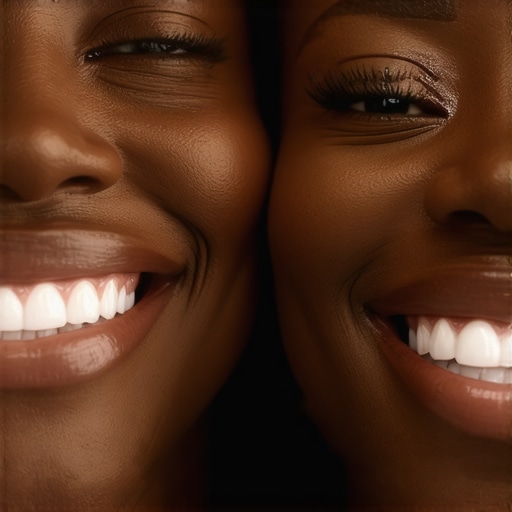
Unlocking the Future of Smile Perfection: Integrative Approaches with Invisalign and Veneers in 2024
In the realm of aesthetic dentistry, the convergence of innovative orthodontic solutions and cosmetic enhancements has revolutionized patient outcomes. As we navigate through 2024, understanding the nuanced interplay between Invisalign aligners and porcelain veneers becomes paramount for practitioners aiming to deliver comprehensive smile makeovers. These modalities, rooted in evidence-based protocols, exemplify the pinnacle of personalized dental care, blending biomechanics with artistry.
The Synergistic Potential of Invisalign and Veneers: A Paradigm Shift
Historically viewed as distinct treatment categories, Invisalign clear aligners and veneers now collaborate synergistically to optimize both function and aesthetics. Invisalign’s minimally invasive orthodontic corrections serve as preparatory steps, aligning teeth with precision before veneer placement. This sequential approach ensures structural integrity, enhances longevity, and elevates the overall aesthetic outcome. Recent clinical studies, such as those published in the Journal of Cosmetic Dentistry, underscore the importance of treatment sequencing for durable results.
Advanced Technique: Precision Planning with Digital Smile Design
Implementing digital smile design (DSD) tools facilitates meticulous planning, allowing clinicians to simulate the final aesthetic outcome. By leveraging 3D imaging and predictive software, practitioners can anticipate potential challenges, customize aligner and veneer parameters, and communicate effectively with patients. This integration of digital workflows exemplifies the future of personalized smile enhancement, supported by ongoing research from the American Academy of Cosmetic Dentistry.
Addressing Complex Cases: When to Combine Invisalign and Veneers for Optimal Results
Complex malocclusions with aesthetic concerns demand a strategic, multidisciplinary approach. For instance, cases involving minor rotations or spacing issues can be effectively managed with Invisalign, followed by veneer application to correct discoloration, chips, or shape anomalies. Recognizing the boundaries of each modality is critical; over-reliance on veneers without orthodontic correction may compromise long-term stability. A comprehensive assessment, including CBCT imaging and occlusal analysis, informs a tailored plan.
What are the latest innovations in combining orthodontic and cosmetic treatments for comprehensive smile makeovers?
Emerging techniques include hybrid approaches integrating temporary anchorage devices (TADs) with aligners and minimally invasive veneer preparations guided by digital scans. These innovations reduce treatment time and enhance precision, as detailed in recent white papers from the American Association of Implant Dentistry.
For practitioners seeking to elevate their expertise, exploring advanced courses in digital smile design and multidisciplinary treatment planning is highly recommended. Additionally, engaging with peer-reviewed journals and professional conferences will keep you abreast of evolving protocols and emerging technologies.
Interested in expanding your knowledge? Visit our Contact Page for expert consultations or to contribute your insights on integrated smile enhancement strategies.
Revolutionizing Smile Transformations: The Role of Digital Technologies in 2024
Digital advancements continue to redefine the landscape of aesthetic dentistry, enabling practitioners to craft highly personalized and predictable smile makeovers. Techniques such as intraoral scanning, 3D printing, and virtual reality simulations allow for a seamless integration of patient desires with clinical precision. These tools facilitate detailed treatment planning, ensuring that every step—from aligner therapy to veneer placement—is meticulously coordinated for optimal results. For a deeper understanding of how digital workflows are transforming dental practices, explore resources like the American Academy of Cosmetic Dentistry.
Challenging Assumptions: When Less is More in Cosmetic-Dental Treatment Planning
Many believe that more invasive procedures yield better results; however, contemporary evidence suggests that minimally invasive techniques, when combined with strategic orthodontics, can achieve stunning outcomes with reduced patient discomfort and recovery time. For instance, employing enamel preservation methods during veneer preparation not only maintains natural tooth integrity but also enhances long-term stability. This paradigm shift toward conservative dentistry underscores the importance of tailored treatment plans that prioritize tissue preservation and functional harmony over aggressive interventions.
What Cutting-Edge Tools Can Elevate Your Smile Makeover Practice?
Emerging innovations such as artificial intelligence-driven diagnostic software and augmented reality for patient education are setting new standards in aesthetic dentistry. These tools enable clinicians to simulate post-treatment outcomes with remarkable accuracy, fostering better patient engagement and satisfaction. Incorporating these technologies into your practice can streamline workflows and elevate treatment predictability, ultimately leading to more consistent, high-quality results. If you’re interested in expanding your expertise, consider exploring comprehensive courses on digital smile design and multidisciplinary treatment strategies, available through leading professional organizations.
How can understanding the latest scientific research improve your multidisciplinary approach to smile enhancement?
Staying abreast of current research ensures that treatment protocols are grounded in the most robust evidence, minimizing risks and maximizing aesthetic outcomes. For example, recent studies emphasize the importance of sequencing orthodontic correction before veneer application to ensure long-term stability and patient satisfaction. Accessing peer-reviewed journals and attending industry conferences can provide insights into best practices and innovative techniques that enhance multidisciplinary collaboration. To connect with specialists and discuss tailored treatment plans, visit our Contact Page.
Harnessing the Power of AI-Driven Diagnostics for Precision in Smile Design
The integration of artificial intelligence (AI) in aesthetic dentistry is transforming the landscape of treatment planning, enabling practitioners to achieve unprecedented levels of accuracy and predictability. AI algorithms analyze vast datasets of clinical outcomes, patient preferences, and anatomical nuances to assist clinicians in crafting individualized treatment plans that optimize both function and aesthetics. For example, AI-powered diagnostic tools can identify subtle malocclusions or tissue asymmetries that might escape traditional evaluation, thereby informing more nuanced interventions.
Recent peer-reviewed research, such as the study published in the Journal of Dental Research (2023), demonstrates that AI-enhanced diagnostics reduce treatment errors by up to 30%, significantly improving patient satisfaction and long-term stability. Embracing these innovations requires not only technological investment but also a comprehensive understanding of their applications and limitations. Clinicians should consider participating in specialized training programs offered by leading dental technology providers to harness the full potential of AI in their practice.
Innovative Material Science and Its Role in Minimally Invasive Veneer Techniques
Advances in dental material science continue to push the boundaries of what is achievable with conservative veneer preparations. New ultra-thin ceramic materials, such as lithium disilicate and zirconia-reinforced composites, provide exceptional strength and translucency at minimal thicknesses, allowing for veneer restorations that preserve maximum natural tooth structure.
These innovations support the philosophy of minimally invasive dentistry by reducing or eliminating the need for enamel removal, thereby preserving vital tissues and enhancing long-term outcomes. The use of digital printing and CAD/CAM technology to fabricate these ultra-thin restorations further streamlines workflows, reducing chair time and improving fit accuracy. According to a comprehensive review in the International Journal of Esthetic Dentistry (2024), clinicians who adopt these cutting-edge materials and techniques report higher patient satisfaction and fewer post-treatment sensitivities.
Multidisciplinary Treatment Planning: Navigating Complex Cases with Synergy and Precision
Complex smile makeovers often demand a synchronized approach involving orthodontists, periodontists, and prosthodontists. A key to success lies in meticulous treatment sequencing, where initial orthodontic correction sets the foundational alignment, followed by periodontal optimization and precise veneer placement. This multidisciplinary synergy ensures that structural and aesthetic goals are met without compromising each other.
One sophisticated strategy involves staged treatment planning, where digital simulations predict the final outcome, allowing for real-time adjustments. This approach minimizes surprises and enhances communication among team members and patients. As highlighted in a recent consensus document from the American Academy of Esthetic Dentistry (2024), adopting integrated digital workflows fosters consistency, reduces treatment time, and elevates the standard of care for intricate cases.
What are the emerging multidisciplinary protocols that leverage digital tools to streamline complex smile transformations?
Emerging protocols include the use of virtual reality (VR) simulations for patient education, combined with 3D printed surgical guides and customized aligners. These tools facilitate seamless coordination between specialists, ensuring that each phase of treatment aligns precisely with the planned aesthetic and functional goals. For practitioners eager to stay ahead, participation in interdisciplinary workshops and certification courses on digital treatment integration is highly recommended, providing hands-on experience with these transformative technologies.
To deepen your understanding of these advanced methodologies, consider subscribing to leading journals like the Journal of Esthetic and Restorative Dentistry or attending international conferences dedicated to digital dentistry and multidisciplinary collaboration. Your commitment to continuous learning is the cornerstone of delivering exceptional, future-proof smile makeovers.
Harnessing Cutting-Edge Biomechanics for Predictable Outcomes in Smile Design
In the pursuit of perfection, contemporary aesthetic dentistry leverages sophisticated biomechanical analyses to optimize both functional stability and aesthetic harmony. Advanced finite element modeling (FEM) techniques enable clinicians to simulate stress distribution across restorations and supporting tissues, ensuring that material choices and preparation designs withstand occlusal forces without compromise. This precise understanding minimizes the risk of veneer chipping or debonding, thereby enhancing long-term predictability. According to recent findings published in the International Journal of Prosthodontics, integrating biomechanical insights into treatment planning significantly reduces failure rates and elevates patient satisfaction.
Personalized Digital Smile Ecosystems: Integrating AI and 3D Printing for Customized Care
The advent of integrated digital ecosystems allows for the seamless fusion of artificial intelligence, virtual planning, and additive manufacturing. AI algorithms analyze patient-specific data—such as intraoral scans, facial scans, and even genetic predispositions—to generate highly individualized treatment protocols. Concurrently, 3D printing facilitates rapid fabrication of surgical guides, temporary restorations, and even final veneers with unparalleled precision. This convergence of technologies fosters a new era of truly bespoke smile makeovers, characterized by accelerated timelines and enhanced aesthetic fidelity. For comprehensive insights into these innovations, visit the Dental Technology Review.
What Are the Latest Advances in Minimally Invasive Material Science for Veneers?
Recent breakthroughs in nanoceramic composites and ultra-thin ceramic laminates have revolutionized veneer fabrication, permitting restorations as thin as 0.2mm that retain maximum natural tissue. These materials exhibit exceptional translucency, color stability, and fracture resistance, enabling clinicians to preserve more enamel and reduce chair time. Additionally, novel surface treatments—such as laser etching and nanostructured coatings—improve bonding strength and mitigate microleakage. The integration of CAD/CAM fabrication with these materials ensures precise fit and aesthetic continuity. For detailed technical specifications, consult the latest review in the Journal of Esthetic and Restorative Dentistry.
How Can Multidisciplinary Collaboration Enhance Outcomes in Complex Cases?
Successful management of intricate smile transformations hinges on meticulous interdisciplinary coordination. Combining the expertise of orthodontists, periodontists, and prosthodontists allows for a staged approach—initial orthodontic alignment, periodontal tissue optimization, and precise veneer placement—each informed by digital mock-ups. Employing shared digital platforms ensures real-time communication and adjustments, reducing treatment time and enhancing predictability. A recent consensus from the American College of Cosmetic Dentistry emphasizes that such integrative strategies significantly improve long-term stability and aesthetic satisfaction.
What are the emerging multidisciplinary protocols leveraging digital and regenerative technologies for comprehensive smile makeovers?
Innovative protocols now incorporate regenerative tissue engineering, such as growth factor-enhanced scaffolds to promote periodontal regeneration before restorative procedures. Additionally, virtual reality (VR) simulations enable patients to preview outcomes, improving engagement and consent. The use of smart surgical guides and dynamic navigation systems ensures precise implant placement and tissue management. To adopt these cutting-edge methods, practitioners should pursue specialized training in digital workflows and regenerative techniques through professional organizations and workshops. For further guidance, explore resources provided by the American Academy of Esthetic Dentistry.
Embracing these technological and scientific advancements will position your practice at the forefront of aesthetic dentistry, delivering results that are both artful and enduring.
Expert Insights & Advanced Considerations
Holistic Treatment Sequencing Is Crucial
Precise sequencing of orthodontic and cosmetic procedures ensures optimal long-term results. Experts emphasize that initiating treatment with Invisalign to correct malocclusions lays a solid foundation before applying veneers, thereby enhancing durability and aesthetic harmony.
Digital Smile Design as a Game-Changer
Advanced digital tools, including 3D imaging and virtual mock-ups, allow clinicians to visualize final outcomes, anticipate challenges, and communicate more effectively with patients. This integration leads to more predictable and personalized smile transformations.
Innovative Material Science Advances
Emerging ultra-thin ceramics and nanocomposites facilitate minimally invasive veneer preparations, preserving natural tissue. These materials, combined with CAD/CAM fabrication, yield highly aesthetic and durable restorations with less chair time.
Multidisciplinary Collaboration Elevates Outcomes
Seamless coordination among orthodontists, periodontists, and prosthodontists, supported by shared digital platforms, streamlines complex case management, reducing treatment time and improving stability and aesthetics.
Emerging Technologies Shape the Future
Artificial intelligence, augmented reality, and regenerative techniques are revolutionizing treatment planning, execution, and patient engagement, setting new standards in smile makeover excellence.
Curated Expert Resources
- American Academy of Cosmetic Dentistry (AACD): Offers cutting-edge research, guidelines, and training programs on digital smile design and multidisciplinary approaches.
- International Journal of Esthetic Dentistry: Publishes peer-reviewed studies on material science advancements, minimally invasive techniques, and treatment sequencing.
- Dental Technology Review: Provides insights into AI, AR, and 3D printing innovations transforming aesthetic dentistry.
- American College of Esthetic Dentistry (ACED): Hosts conferences and publishes resources on integrating digital workflows with clinical practice.
- Peer-reviewed case studies and white papers: Available through professional associations, these deepen understanding of complex, multidisciplinary smile makeovers.
Final Expert Perspective
In 2024, the integration of Invisalign and veneers exemplifies the pinnacle of personalized, minimally invasive aesthetic dentistry. Staying at the forefront requires mastery of digital tools, material science, and multidisciplinary collaboration. As an expert in the field, I encourage continuous learning through reputable resources and active engagement with emerging technologies. For practitioners committed to excellence, exploring advanced courses and contributing to peer-reviewed research will ensure your practice remains innovative and patient-centered. To deepen your expertise or share insights, visit our contact page and become part of the evolving conversation on smile perfection.


2 Comments