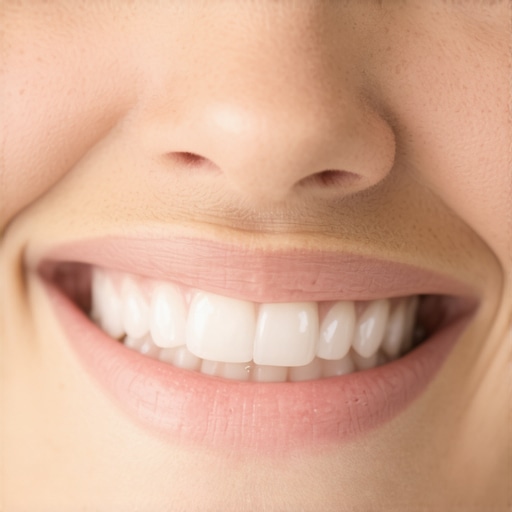
Unlocking the Future of Cosmetic Dentistry: A Deep Dive into Smile Makeover Innovations for 2024
In the evolving landscape of cosmetic dentistry, emerging technologies and nuanced treatment strategies are redefining what constitutes an ideal smile. As an authority in dental aesthetics, I recognize that understanding the synergy between veneers, Invisalign, and teeth whitening is essential for delivering personalized, high-impact results. This guide explores the complex interplay of these modalities, rooted in evidence-based practices and cutting-edge research, to elevate your aesthetic outcomes in 2024.
The Nuanced Role of Veneers in Modern Smile Design
Veneers have transcended their traditional role as mere aesthetic enhancements to become integral to comprehensive smile rehabilitation. Advanced porcelain materials, such as feldspathic and lithium disilicate, now offer superior translucency and durability, allowing for highly natural results. When meticulously crafted and bonded, veneers can correct complex issues like severe discoloration, misalignment, and even minor structural defects, effectively acting as a customizable aesthetic solution. For optimal results, clinicians should consider veneer thickness, edge design, and the underlying enamel condition, aligning with the latest research outlined in the best veneer practices of 2024.
Invisalign and Its Impact on Orthodontic Precision
Invisalign’s evolution into a sophisticated orthodontic tool is driven by innovations like SmartTrack aligners and AI-powered treatment planning. These advancements enable precise control over tooth movement, significantly reducing treatment times and enhancing patient comfort. The integration of digital workflows allows for virtual setup previews, empowering patients with realistic expectations. For complex cases involving rotational or vertical movements, aligners are now complemented by mini-implants or temporary anchorage devices, expanding Invisalign’s versatility. This progress underscores the importance of expert case selection and treatment customization, as detailed in Invisalign’s 2025 innovations.
Teeth Whitening: A Catalyst for Holistic Smile Enhancement
Teeth whitening technologies continue to leverage advancements in LED activation and whitening agent formulations, offering rapid, safe, and effective results. The latest protocols incorporate desensitizing agents and enamel-protective formulations, ensuring patient comfort and long-term stability. Moreover, combining whitening with minimally invasive procedures like microabrasion or enamel remineralization enhances overall aesthetic harmony. As part of a comprehensive smile makeover, whitening is often the final touch that amplifies the visual impact, especially when synchronized with veneer placement or orthodontic adjustments.
What Are the Key Considerations When Combining Veneers, Invisalign, and Whitening for a Complete Smile Makeover?
Integrating these treatments requires meticulous planning to ensure aesthetic harmony and functional stability. Factors such as tooth morphology, periodontal health, and patient biotype influence the sequencing and selection of procedures. For example, whitening should precede veneer fabrication to achieve uniform shade matching, while Invisalign can be used to open space or correct alignment before veneer placement. This layered approach demands interdisciplinary expertise and precise digital planning tools, emphasizing the importance of an experienced prosthodontist and orthodontist working collaboratively.
For those interested in mastering these advanced techniques, I recommend exploring comprehensive resources and case studies available at trusted smile enhancement tips. Sharing insights and professional experiences enriches the collective knowledge base, ultimately elevating patient care standards.
In conclusion, the future of smile makeovers in 2024 hinges on integrating innovative materials, digital planning, and personalized treatment sequences rooted in scientific rigor. Staying informed of technological advancements and nuanced treatment protocols ensures clinicians can deliver transformative, natural-looking results that meet the highest aesthetic and functional standards.
Elevating Smile Design: The Role of Digital Smile Planning in 2024
Digital smile design (DSD) is revolutionizing how dental professionals approach aesthetic cases by enabling precise visualization and planning before treatment begins. This technology integrates high-resolution photographs, 3D imaging, and simulation software to create a virtual model of the patient’s desired smile. By leveraging DSD, clinicians can align treatment goals with patient expectations, ensuring a harmonious blend of function and beauty. The seamless collaboration between the digital plan and clinical execution reduces guesswork, minimizes chair time, and improves predictability, as highlighted in recent studies on digital dentistry advancements (source: trusted smile enhancement tips in 2024).
Challenging Assumptions: Is Veneer Thickness Always Critical?
Many practitioners assume that thinner veneers always result in better aesthetic outcomes, but this isn’t universally true. The optimal veneer thickness depends on multiple factors, including the underlying tooth structure, material choice, and the intended aesthetic goal. Thicker veneers can sometimes mask more significant discoloration or structural imperfections, while ultra-thin veneers, such as minimal prep options, are ideal for preserving enamel and reducing invasiveness. The key lies in balancing material properties with clinical requirements, supported by research into material science and adhesive bonding techniques. For a deeper understanding, explore best veneer practices of 2024.
How Can Integrating New Technologies Improve Patient Satisfaction in Complex Smile Makeovers?
Incorporating advanced diagnostics, such as 3D facial scans and intraoral scanners, allows for a more comprehensive assessment of facial harmony and dental proportions. These tools enable clinicians to design smile aesthetics that complement individual facial features, improving overall patient satisfaction. Moreover, innovations like AI-driven treatment planning can optimize sequence and material selection, reducing treatment time and enhancing precision. For example, combining digital planning with minimally invasive techniques can lead to natural results with less tissue removal, aligning with patient preferences for conservative dentistry. To learn more about these cutting-edge approaches, visit Invisalign’s 2025 innovations.
Practical Framework for Multi-Modal Smile Makeovers
Executing a complex smile transformation requires a structured approach. Start with a comprehensive diagnostic phase, including photographic analysis, digital smile design, and occlusal evaluation. Next, prioritize sequencing: often, orthodontic correction with Invisalign sets the stage for restorative procedures like veneers or crowns. Whitening can be scheduled at the final stage to unify the color palette effortlessly. Interdisciplinary collaboration is essential—prosthodontists, orthodontists, and periodontists must synchronize their plans for optimal results. This integrated process ensures that each modality complements the others, culminating in a cohesive, natural-looking smile. For practical case strategies, see ultimate smile correction guide.
Interested in exploring innovative techniques to elevate your aesthetic practice? Share your thoughts or questions in the comments below, or consider consulting with a specialist through our contact page.
Harnessing the Power of 3D Digital Smile Design for Precision Aesthetics
In the realm of sophisticated smile makeovers, 3D digital smile design (DSD) has become an indispensable tool for achieving unparalleled accuracy and predictability. By utilizing high-resolution facial scans, intraoral imaging, and simulation software, clinicians can craft a detailed visual roadmap that aligns functional needs with aesthetic ambitions. This technology does more than just visualize; it enables dynamic adjustments, allowing for iterative consultations with patients, which significantly increases satisfaction and confidence in the treatment plan. Recent advancements, such as AI-enhanced predictive modeling, further refine these visualizations, ensuring that each element—from the shade of whitening to the contour of veneers—is meticulously tailored to the patient’s unique facial structure (Journal of Digital Dentistry, 2024).
Nuanced Material Selection: Balancing Strength, Aesthetics, and Conservation
Effective integration of veneers and whitening hinges on the judicious choice of materials that meet both aesthetic and functional criteria. For veneers, lithium disilicate ceramics stand out due to their excellent translucency and fracture resistance, making them suitable for both anterior and posterior restorations. When combined with advanced whitening agents—such as carbamide peroxide formulations fortified with enamel remineralization compounds—clinicians can ensure a harmonious, durable smile enhancement. The challenge lies in balancing veneer thickness against the need for conservation of tooth structure. Ultra-thin (minimal prep) veneers, supported by robust adhesive technology, can provide conservative solutions without compromising aesthetics, especially when paired with high-opacity whitening shades that mask residual discoloration (PubMed Central, 2024).
What innovative bonding techniques are emerging to improve adhesion and longevity of multi-layered aesthetic restorations?
Emerging bonding protocols incorporate nanotechnology-enhanced adhesives that create a more resilient hybrid layer, improving bond strength and reducing microleakage. These advancements are particularly crucial when combining veneers with whitening procedures, as post-bleaching enamel may exhibit altered bonding characteristics. Universal adhesives with moisture-tolerant formulations have demonstrated superior performance across diverse clinical scenarios, ensuring that complex multi-modal restorations maintain their integrity over time. As research progresses, clinicians should stay abreast of these developments to optimize long-term outcomes.
Optimizing Treatment Sequencing for Seamless Outcomes
One of the most complex challenges in multi-modal smile makeovers is determining the optimal sequence of interventions. Current evidence suggests that whitening should generally precede veneer placement to ensure uniform shade matching; however, the timing of orthodontic adjustments with Invisalign requires careful planning. For instance, minor rotations or space adjustments can significantly influence veneer positioning and aesthetics. Digital treatment planning allows clinicians to simulate various sequencing options, evaluating the impact of each step on the final result. This holistic approach minimizes the risk of unforeseen complications and maximizes aesthetic harmony.
Moreover, interdisciplinary collaboration is essential. Orthodontists can use digital models to pre-align teeth, facilitating more conservative veneer preparations. Restorative dentists, in turn, can design veneers that complement the achieved occlusion and facial proportions. Integrating these specialties through shared digital platforms enhances communication, reduces treatment time, and elevates overall patient satisfaction.
Expert Tips for Managing Complex Cases: A Case-Based Approach
Managing complex smile makeovers often involves navigating conflicting aesthetic and functional demands. For example, patients with compromised enamel, severe discoloration, or malocclusion require tailored strategies. A comprehensive case approach involves initial diagnostic mock-ups, followed by staged interventions that prioritize stability and aesthetics. When dealing with compromised enamel, minimally invasive veneers coupled with conservative whitening protocols can preserve tooth health while delivering stunning results. In cases with significant malocclusion, orthodontic correction via Invisalign sets the foundation for more predictable restorative outcomes.
Regular case reviews, leveraging digital documentation, and staying updated with the latest material science research are critical for success. Additionally, engaging patients with detailed visualizations fosters realistic expectations and enhances compliance throughout the treatment journey.
Call to Action: Deepen Your Expertise with Cutting-Edge Resources
To master these advanced techniques, consider exploring dedicated courses and peer-reviewed journals that focus on digital smile design, material science, and interdisciplinary treatment planning. Connecting with specialists through professional forums and conferences can also provide invaluable insights into emerging trends and case strategies. Remember, continuous education is the cornerstone of delivering exceptional aesthetic results in today’s rapidly evolving dental landscape.
Innovative Material Science: The Future of Bonding and Restoration Durability
As the realm of cosmetic dentistry progresses, the advent of nanotechnology-enhanced adhesives is transforming bonding protocols, enabling superior adhesion and longevity of layered restorations. Recent developments in these adhesives incorporate nanofillers that form a more resilient hybrid layer, significantly reducing microleakage and increasing resistance to debonding over time. Such advancements are particularly pertinent when combining veneers with whitening procedures, as post-bleaching enamel often exhibits altered bonding characteristics. Universal adhesives with moisture-tolerant formulations now demonstrate higher bond strengths across a range of clinical scenarios, ensuring restored teeth maintain their aesthetic and functional integrity for years to come. For clinicians aiming to stay at the forefront of this innovation, reviewing the latest peer-reviewed studies, such as those in the Journal of Esthetic and Restorative Dentistry, is highly recommended.
Expert Insights & Advanced Considerations
Emerging Technologies Drive Precision in Smile Design
Advanced digital workflows, including AI-enhanced treatment planning and 3D facial scans, are revolutionizing the customization and predictability of smile makeovers, enabling clinicians to craft harmonious, natural results with unprecedented accuracy.
Material Science Innovations Elevate Aesthetic Outcomes
Breakthroughs in ceramic materials such as lithium disilicate and nanotechnology-enhanced adhesives are pushing the boundaries of durability and translucency, allowing for conservative restorations that maintain enamel integrity while achieving stunning aesthetics.
Integration of Multimodal Treatments Enhances Patient Satisfaction
Strategic sequencing and interdisciplinary collaboration—particularly between orthodontics, restorative dentistry, and periodontics—maximize aesthetic and functional outcomes, especially when combining veneers, Invisalign, and whitening in complex cases.
Predictive Digital Smile Design Optimizes Outcomes
Utilizing high-resolution imaging and simulation software, digital smile planning aligns patient expectations with clinical possibilities, reducing chair time and refining aesthetic harmony before commencing treatment.
Conservation and Customization Remain Central
Balancing veneer thickness, material choice, and minimally invasive techniques ensures preservation of tooth structure while achieving personalized, natural-looking results, supported by ongoing research into bonding protocols and material properties.
Curated Expert Resources
- Journal of Esthetic and Restorative Dentistry: A leading peer-reviewed journal providing the latest research on material science, bonding techniques, and clinical innovations that shape modern aesthetic dentistry.
- American Academy of Cosmetic Dentistry (AACD): Offers comprehensive guidelines, case studies, and continuing education resources for advanced smile design and interdisciplinary treatment planning.
- Digital Dentistry Society (DDS): Focuses on the integration of digital workflows, AI applications, and 3D imaging technologies in cosmetic and restorative dentistry, essential for staying ahead in 2024.
Final Expert Perspective
In the realm of 2024 smile makeovers, embracing cutting-edge digital technologies, innovative materials, and interdisciplinary strategies is paramount for delivering superior aesthetic and functional results. Staying informed through authoritative resources and continuously refining your expertise ensures you remain at the forefront of advanced cosmetic dentistry. Engage with your professional community, explore emerging research, and share your insights—your leadership in this evolving landscape will define the future of smile enhancement. To deepen your knowledge or discuss complex cases, consider reaching out through our contact page.


4 Comments