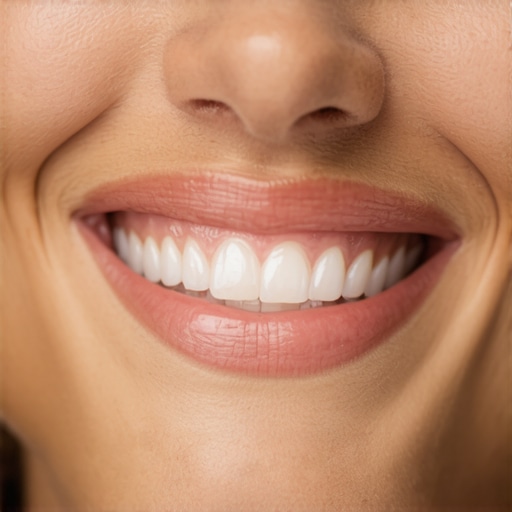
Unlocking the Future of Cosmetic Dentistry: The Synergy of Veneers and Invisalign in 2024
As we delve into the evolving landscape of smile aesthetics, the integration of porcelain veneers and Invisalign aligners stands out as a sophisticated approach to comprehensive smile makeovers. These modalities exemplify the pinnacle of personalized dental solutions, blending artistry with science to meet the complex demands of modern cosmetic dentistry. This article explores the nuanced strategies that professionals employ to optimize these treatments, ensuring superior outcomes and long-term satisfaction.
Advanced Material Science and Aesthetic Optimization
How do cutting-edge materials in veneers and aligners influence patient outcomes in 2024?
The advent of ultra-thin, highly aesthetic porcelain veneers crafted from lithium disilicate or zirconia-enhanced ceramics has dramatically enhanced translucency and durability. Simultaneously, Invisalign’s evolution incorporates SmartTrack material, which grants precise control over tooth movement while maintaining comfort and invisibility. The synergy of these innovations allows clinicians to deliver results that are not only natural-looking but also resilient, addressing both functional and aesthetic concerns with unprecedented finesse.
Integrative Treatment Planning: Beyond the Sum of Parts
Expert practitioners recognize that the success of a smile makeover hinges on meticulous interdisciplinary planning. Combining veneers with Invisalign necessitates a comprehensive understanding of occlusal dynamics, periodontal health, and facial aesthetics. Advanced digital smile design tools and 3D imaging enable clinicians to simulate outcomes, ensuring that the final result harmonizes with the patient’s facial features while maintaining functional integrity. Such precision planning reduces the risks of post-treatment complications and enhances patient confidence.
Addressing Complex Cases with a Layered Approach
In cases involving significant malocclusion, severe discoloration, or structural discrepancies, a staged approach integrating Invisalign and veneers proves most effective. Invisalign first corrects underlying alignment issues, creating a stable foundation for the placement of veneers. This layered methodology exemplifies best practices, emphasizing both orthodontic and restorative excellence. It demonstrates a shift from isolated procedures to holistic smile rehabilitation, supported by evidence-based protocols and clinical expertise.
What are the emerging debates regarding the longevity and maintenance of combined veneer and Invisalign treatments?
While the aesthetic and functional benefits are well-documented, ongoing discussions focus on the longevity of veneers under the stress of orthodontic movements and the importance of maintenance strategies. Experts advocate for rigorous oral hygiene, regular professional monitoring, and the use of minimally invasive veneer techniques to preserve their integrity over time. Consulting peer-reviewed sources such as the Journal of Esthetic and Restorative Dentistry ensures adherence to the latest scientific insights.
For those seeking to elevate their practice or explore advanced techniques, examining comprehensive guides like Veneers Made Simple can be invaluable. Additionally, engaging with other professionals through forums or specialized courses can refine your mastery of integrated smile design.
Interested professionals are encouraged to explore further content or contribute insights on emerging trends by visiting our contact page.
Beyond Aesthetics: Ensuring Durability of Veneers and Invisalign in Modern Practice
As the dental industry advances, practitioners are increasingly focused on not only achieving stunning smiles but also on the longevity and maintenance of their treatments. The integration of veneers and Invisalign has revolutionized smile makeovers, yet questions about their enduring performance remain central to expert discussions. How can clinicians optimize treatment protocols to maximize durability and patient satisfaction over the long term?
What innovative techniques are redefining the maintenance of combined veneer and Invisalign treatments in 2024?
Recent developments emphasize minimally invasive veneer techniques that preserve tooth structure, which is crucial for maintaining enamel integrity under orthodontic stress. Incorporating surface sealing agents and advanced bonding resins can enhance veneer resilience, reducing the risk of chipping or debonding. Furthermore, the advent of digital monitoring tools allows for real-time assessment of occlusal forces, enabling proactive adjustments that prevent premature wear or failure.
Invisalign’s new SmartForce attachments and optimized clear aligners facilitate controlled movements, minimizing undue stress on veneers and other restorations. When combined with patient-specific maintenance plans—such as tailored oral hygiene regimens and periodic professional evaluations—the results are notably more durable. For practitioners seeking a comprehensive approach, consulting peer-reviewed insights from sources like the Journal of Esthetic and Restorative Dentistry can offer evidence-based strategies.
Integrating Patient Education for Long-Term Success
One often overlooked aspect of treatment longevity is patient compliance. Educating patients on proper oral hygiene, dietary habits, and the importance of regular check-ups significantly impacts the lifespan of veneers and Invisalign outcomes. For example, advising against biting on hard objects or consuming excessively staining foods helps preserve aesthetics and structural integrity.
Additionally, modern digital tools enable clinicians to create personalized maintenance plans that enhance patient adherence. Sharing informative resources, such as teeth whitening tips for a sparkling smile, can motivate patients to maintain their results actively. Building a partnership grounded in education and trust ensures that the initial investment in smile enhancement continues to pay dividends over time.
Are We Overlooking the Role of Material Science in Long-Term Outcomes?
Indeed, the materials selected for veneers and aligners play a vital role in treatment durability. Advances in nanocomposite resins and ceramic composites are continuously pushing the boundaries of resilience. For instance, the use of zirconia-based ceramics offers superior fracture resistance, making veneers more suitable for patients with bruxism or those prone to impact.
Similarly, the development of self-healing resins, which can repair minor cracks spontaneously, holds promise for extending the lifespan of restorations. As research in biomimetic materials progresses, clinicians can expect to see even more robust options that emulate natural tooth properties while resisting daily stresses.
For those eager to deepen their understanding of these innovations, exploring comprehensive guides like Veneers Made Simple can be invaluable. Sharing insights and experiences within professional networks further fosters a community of continuous improvement and innovation.
Interested readers and practitioners are encouraged to comment below with their experiences or questions about long-term veneer and Invisalign maintenance. Sharing knowledge and strategies can help elevate the standard of care across the industry.
Innovative Material Technologies: Pioneering Durability and Aesthetics in Modern Restorations
As the frontier of cosmetic dentistry advances, the integration of cutting-edge materials in veneers and Invisalign aligners is fundamentally transforming patient outcomes. The advent of nanostructured ceramics and bioactive resins has opened new avenues for achieving not only superior aesthetics but also unprecedented durability. For instance, zirconia-based ceramics, with their exceptional fracture resistance, are now frequently used in veneer fabrication for patients with parafunctional habits like bruxism, ensuring longevity without compromising translucency.
Moreover, the emergence of self-healing composite resins, which can repair minor cracks autonomously, signifies a paradigm shift. These materials mimic natural tissue repair processes, dramatically extending the lifespan of restorations and reducing the frequency of replacements. The development of biomimetic materials that emulate the mechanical and optical properties of natural enamel and dentin further enhances the seamless integration of restorations with surrounding tissues, elevating both function and aesthetics.
Advanced Digital and Surface Technologies for Maintenance Optimization
Coupling material innovations with digital technology is revolutionizing maintenance strategies. Real-time occlusal force monitoring through digital sensors embedded in aligners or placed intraorally allows clinicians to detect undue stresses immediately, enabling timely adjustments that prevent veneer debonding or chipping.
Surface sealing agents infused with nanotechnology are now used to create protective barriers over veneers. These ultra-thin coatings resist staining, plaque accumulation, and minor abrasions, significantly reducing the need for routine repairs. Additionally, the use of digital twin models—virtual replicas of the patient’s dentition—permits clinicians to simulate wear patterns and predict potential failure points, facilitating proactive maintenance planning.
What role does material science play in addressing the challenges of long-term veneer and Invisalign durability, especially in patients with high functional demands?
Material science is central to overcoming these challenges by developing resilient, adaptive materials that respond to the complex biomechanical environment of the oral cavity. For example, the incorporation of nano-reinforcements within resin matrices enhances toughness and resistance to crack propagation. Zirconia and lithium disilicate ceramics are engineered to absorb and dissipate stresses more effectively, reducing fracture risks under high loads.
Furthermore, ongoing research into bioactive materials that release remineralizing ions can help repair minor surface defects before they escalate into significant failures. These innovations are supported by authoritative studies, such as those published in the Journal of Dental Research, which highlight the potential of bioactive ceramics in extending restorative longevity.
Empowering Patient Engagement through Education and Digital Tools
Long-term success hinges not only on material and technological advancements but also on patient compliance. Educating patients on the importance of maintaining oral hygiene, avoiding hard or staining foods, and adhering to follow-up schedules is crucial. Modern digital platforms enable clinicians to create customized maintenance plans, incorporating reminders and instructional content that motivate patients to participate actively in their care.
For example, virtual reality-based tutorials and augmented reality apps can demonstrate proper hygiene techniques tailored to individual restorations, improving adherence and outcomes. By fostering a partnership rooted in education and transparency, practitioners can significantly prolong the lifespan of veneers and Invisalign treatments, ensuring that aesthetic investments yield enduring results.
Future Directions: Material Science and Digital Integration for Next-Generation Smile Makeovers
Looking ahead, the convergence of material science and digital dentistry promises even more resilient, adaptive, and patient-centric solutions. Innovations such as self-healing biomaterials, smart sensors embedded within restorations, and AI-driven predictive maintenance algorithms will redefine the standards of durability and aesthetic excellence.
For practitioners eager to stay at the forefront, continuous education through peer-reviewed journals, specialized courses, and industry conferences is essential. Engaging with these resources ensures that your practice harnesses the latest breakthroughs, translating science into tangible benefits for your patients.
If you’re interested in exploring these cutting-edge developments further, consider joining professional networks or subscribing to leading journals like the Journal of Esthetic and Restorative Dentistry. Your commitment to lifelong learning will empower you to deliver truly exceptional, durable smile transformations that stand the test of time.
Unveiling Next-Generation Materials: The Foundation of Durable, Aesthetic Restorations
In the relentless pursuit of perfection, modern cosmetic dentistry leverages groundbreaking materials such as nanostructured ceramics and bioactive resins. These innovations transcend traditional limitations, offering restorations that not only mimic natural enamel but also exhibit superior fracture resistance and remineralization capabilities. Zirconia-based ceramics, for example, have become indispensable for their resilience in patients with high functional demands, including bruxers and impact-prone individuals.
Innovative Surface Technologies: Enhancing Longevity and Aesthetic Integrity
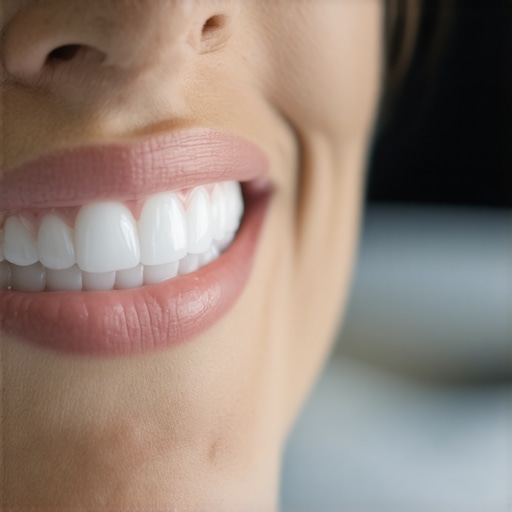
Surface sealing agents infused with nanotechnology create an ultra-thin protective barrier, shielding veneers from staining, plaque buildup, and minor abrasions. This technological leap significantly reduces repair frequency and prolongs restoration lifespan. Additionally, digital twin modeling allows clinicians to simulate wear patterns and stress distribution, facilitating preemptive adjustments that mitigate failure risks.
< >
>
Smart Digital Monitoring and Maintenance: A Paradigm Shift
The integration of real-time occlusal force sensors embedded within aligners or intraoral devices revolutionizes maintenance protocols. These tools enable immediate detection of undue stresses, guiding timely interventions. Coupled with advanced bonding resins and surface coatings, these technologies ensure that veneers and aligners withstand daily functional stresses while maintaining aesthetic appeal.
Expert Insight: How does Material Science Address Longevity Challenges in High-Functionality Cases?
Material science plays a pivotal role by developing adaptive, resilient materials such as self-healing resins and bioactive ceramics. These materials can respond dynamically to biomechanical stresses, reducing crack propagation and fractures. Ongoing research, as documented in the Journal of Dental Research, explores biomimetic ceramics that emulate natural tissue properties, promising longer-lasting, more natural restorations.
Empowering Patients with Digital Education: The Key to Long-Term Success
Modern digital tools facilitate personalized education, fostering patient compliance essential for durability. Virtual reality tutorials and augmented reality apps demonstrate optimal hygiene practices tailored to specific restorations, enhancing adherence. Providing resources like teeth whitening tips motivates patients to maintain their results actively, ensuring longevity of their investment.
Future Horizons: Seamless Integration of Material Science and Digital Innovation
The future of cosmetic dentistry hinges on synergistic advancements in biomaterials and digital technology. Self-healing biomaterials, smart sensors embedded within restorations, and AI-driven predictive maintenance algorithms will set new standards for durability and aesthetic excellence. Continuous professional development through reputable sources like the Journal of Esthetic and Restorative Dentistry is vital for practitioners committed to leveraging these innovations.
Expert Insights & Advanced Considerations
Innovative Material Development
Advancements in nanostructured ceramics and bioactive resins are revolutionizing the durability and aesthetic integration of veneers and Invisalign aligners, offering natural appearance with enhanced longevity.
Digital Technology Integration
Digital twin modeling and real-time occlusal force monitoring facilitate proactive maintenance, reducing failure risks and optimizing long-term outcomes for complex cases.
Patient Engagement Strategies
Personalized digital education tools, including augmented reality tutorials, improve patient compliance, significantly extending the lifespan of cosmetic treatments.
Material Science Challenges
Developing resilient, self-healing materials addresses stress-related failures, especially in high-demand functional scenarios like bruxism, ensuring restorations withstand daily stresses.
Future Directions
The convergence of biomimetic materials and AI-driven predictive analytics promises unprecedented durability and aesthetic excellence in smile makeovers, fostering a new era of personalized dentistry.
Curated Expert Resources
- Journal of Esthetic and Restorative Dentistry: A leading peer-reviewed journal providing cutting-edge research on material innovations and clinical protocols.
- Dental Materials Today: Focuses on the latest developments in nanocomposites, bioactive resins, and biomimetic ceramics.
- Digital Dentistry Society Resources: Offers insights into digital twin technologies, real-time monitoring, and digital workflow integration.
- Advanced Dental Materials Conference: An annual event showcasing breakthroughs in material science and digital methodologies for restorative dentistry.
Final Expert Perspective
In 2024, the integration of innovative materials and digital technology in cosmetic dentistry, particularly concerning veneers and Invisalign, is setting new standards for durability and aesthetics. Embracing these advancements ensures that practitioners can deliver resilient, natural-looking smiles that stand the test of time. For professionals committed to excellence, continuous engagement with authoritative sources and emerging innovations is essential. We invite you to share your insights or explore deeper expertise through our contact page, fostering a community dedicated to elevating smile transformation standards.


4 Comments