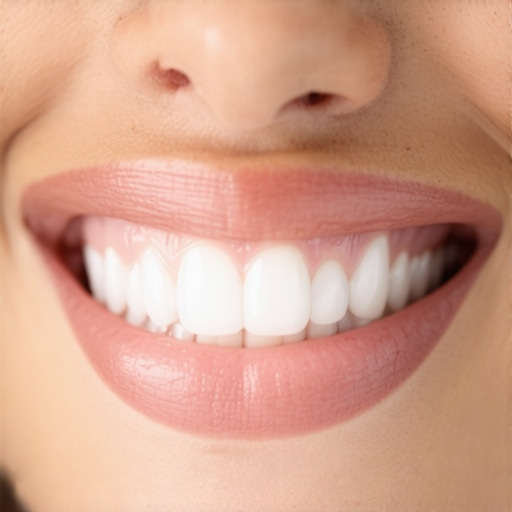
Unlocking the Future of Aesthetic Dentistry: Strategic Innovations in Teeth Whitening and Invisalign for 2024
In the realm of cosmetic dentistry, 2024 heralds a paradigm shift that combines technological advancements with personalized patient care, emphasizing the integration of teeth whitening and Invisalign as cornerstone solutions for achieving a radiant, natural smile. As dental professionals, understanding these evolving modalities’ intricate mechanisms and strategic applications is imperative for delivering results that exceed patient expectations and foster long-term trust.
Synergistic Efficacy of Teeth Whitening and Invisalign: An Expert Perspective
Historically, these treatments were viewed as separate entities; however, contemporary practice underscores their synergistic potential. Expert research indicates that combined protocols can optimize aesthetic outcomes by aligning structural correction with superficial whitening, thus enhancing overall facial harmony.
What are the complex considerations in sequencing teeth whitening and Invisalign for optimal aesthetic results?
Sequencing is critical: clinicians must evaluate enamel integrity, stain types, and occlusal factors. Typically, whitening precedes aligner therapy, ensuring that stains are eliminated without compromising enamel health, which is essential for long-lasting results. Moreover, customizing whitening agents to match the translucency of natural teeth ensures seamless integration with orthodontic adjustments, often requiring tailored bleaching protocols for different patient demographics.
Emerging Technologies and Material Innovations Driving 2024’s Smile Makeover Paradigm
Advancements such as LED-activated whitening and nanohybrid aligner materials are revolutionizing patient outcomes. These innovations deliver faster, more predictable results while maintaining biological safety, as highlighted in recent clinical studies. Incorporating these into practice necessitates continuous professional development and an understanding of their biomechanical implications, especially when combined with other cosmetic procedures such as veneers.
How can dental practitioners leverage interdisciplinary approaches to amplify aesthetic outcomes in 2024?
Interdisciplinary collaboration—integrating periodontics, prosthodontics, and orthodontics—ensures comprehensive smile design. Employing digital smile design tools and 3D imaging can facilitate precise treatment planning, reducing chair time and enhancing patient communication. This holistic approach allows for the seamless integration of whitening, aligners, and restorative procedures, culminating in a harmonious aesthetic result that is both functional and natural-looking.
For practitioners seeking to elevate their expertise, exploring detailed case studies and engaging in specialized training is vital. Visit our contact page to connect with industry leaders and access exclusive educational resources.
Harnessing the Power of Personalized Aesthetic Solutions in 2024
As the field of cosmetic dentistry evolves, the emphasis on tailored treatment plans that combine teeth whitening and Invisalign continues to grow. Modern practitioners are leveraging digital smile design tools to craft highly individualized protocols, ensuring each patient’s unique facial anatomy and aesthetic goals are met. This approach not only enhances the visual harmony but also boosts patient confidence, making the treatment experience more satisfying and predictable.
How Do Material Innovations Enhance the Effectiveness of Combined Cosmetic Procedures?
Recent breakthroughs, such as nanohybrid aligner materials and advanced bleaching agents, are setting new standards in smile transformations. These innovations provide faster, safer, and more durable results, allowing clinicians to push the boundaries of aesthetic possibilities. When integrated with digital planning, these materials enable precise control over tooth movement and shade matching, ensuring seamless integration of whitening with orthodontic correction.
What are the key considerations in balancing biological safety with aesthetic ambitions during complex smile makeovers?
Achieving this balance requires a nuanced understanding of enamel physiology, stain types, and occlusal dynamics. For instance, whitening protocols must be customized to avoid enamel demineralization, especially when combined with aggressive orthodontic movements. Utilizing evidence-based guidelines from authoritative sources such as the American Dental Association ensures that safety remains paramount while pursuing optimal aesthetic results. Continuous education and adherence to best practices are fundamental to maintaining this equilibrium, as detailed in recent studies by clinical research.
The Role of Interdisciplinary Collaboration in Complex Smile Enhancements
Integrating periodontic, restorative, and orthodontic expertise allows for comprehensive aesthetic planning. Digital tools like 3D imaging and virtual smile simulations facilitate collaborative decision-making, reducing treatment time and enhancing precision. For example, combining veneers with Invisalign and whitening can correct both functional and aesthetic issues simultaneously, creating a natural, harmonious smile that resonates with the patient’s personality.
Interested in learning how to incorporate these advanced techniques into your practice? Visit our contact page to connect with industry leaders and access specialized training programs.
Innovative Protocols for Complex Smile Rejuvenation: Merging Whitening with Orthodontics for Superior Outcomes
In the pursuit of ultimate aesthetic harmony, dental practitioners are increasingly adopting multifaceted approaches that combine cutting-edge whitening technologies with precise orthodontic interventions. The integration of these modalities demands a comprehensive understanding of enamel biocompatibility, stain dynamics, and biomechanical principles. Recent advances in nanohybrid aligner materials and photon-activated whitening techniques enable clinicians to craft personalized, predictable, and minimally invasive treatment plans that elevate patient satisfaction.
Addressing the Nuanced Question: How to Optimize Timing and Technique for Combined Cosmetic Procedures?
Optimal sequencing hinges on meticulous diagnostic assessment: evaluating the extent of enamel demineralization, stain type, and occlusal stability. Evidence from clinical orthodontic research advocates for initiating whitening prior to aligner therapy, thus ensuring that discoloration is addressed without jeopardizing enamel integrity. Tailoring bleaching agents—such as low-concentration hydrogen peroxide combined with remineralizing agents—further safeguards against adverse effects during active orthodontic movement. Incorporating digital smile design tools allows for precise simulation and planning, ensuring the aesthetic outcome aligns with functional and structural goals.
Leveraging Material Science to Enhance Aesthetic and Biological Safety
Recent innovations in aligner materials, such as nanohybrid composites, confer increased strength and translucency, which facilitate subtle tooth movements and optimal shade matching. When paired with advanced bleaching agents—like LED-activated whitening gels—these materials enable faster, safer, and more durable results. Moreover, ongoing research underscores the importance of understanding enamel remineralization dynamics post-whitening, especially when combined with orthodontic forces, to prevent sensitivity and demineralization. According to findings published in Dental Materials Science, the use of bioactive glass-infused composites can promote remineralization, thus balancing aesthetic ambitions with biological safety.
What are the Key Considerations in Achieving Long-Term Stability of Combined Aesthetic Procedures?
Maintaining aesthetic and functional stability requires a strategic approach that includes retainer protocols, patient education on oral hygiene, and routine follow-ups. The risk of stain recurrence post-bleaching can be mitigated through the use of topical fluoride and casein phosphopeptide-amorphous calcium phosphate (CPP-ACP). Additionally, understanding individual patient risk factors—such as dietary habits and genetic predispositions—guides the customization of maintenance strategies. Continual advancements in biomaterials and digital diagnostics underscore the necessity for practitioners to stay abreast of emerging evidence-based practices.
How can digital technology further refine the integration of whitening and orthodontic treatments?
Digital workflows, including 3D imaging, virtual smile simulations, and CAD/CAM fabrication, empower clinicians to visualize and plan complex procedures with unprecedented accuracy. These tools facilitate interdisciplinary collaboration, enabling periodontists, prosthodontists, and orthodontists to co-create comprehensive treatment plans that harmonize aesthetic and functional objectives. For instance, virtual mock-ups can illustrate the anticipated shade and alignment adjustments, fostering clearer patient communication and setting realistic expectations. As the field evolves, integrating artificial intelligence-driven predictive modeling will further enhance personalized care and streamline clinical decision-making.
For practitioners eager to deepen their expertise, engaging with specialized training programs, attending industry conferences, and reviewing current peer-reviewed literature are invaluable. Visit our contact page to connect with thought leaders and access exclusive educational resources, ensuring your practice remains at the forefront of aesthetic dentistry innovation.
Harnessing the Synergy of Digital Diagnostics and Material Science for Superior Smile Makeovers
In the vanguard of cosmetic dentistry, the integration of cutting-edge digital diagnostics with innovative biomaterials has unlocked unprecedented potential for personalized smile design. The deployment of 3D imaging and virtual smile simulations enables clinicians to meticulously tailor treatment plans, aligning functional precision with aesthetic excellence. Complementing these digital tools, recent advancements in nanohybrid composites and bioactive glass-infused materials foster enhanced biological safety while delivering durable, translucent restorations that seamlessly blend with natural dentition.
What are the latest breakthroughs in biomaterials that optimize aesthetic and biological outcomes?
Emerging biomaterials like bioactive glasses and nanohybrid composites are transforming restorative procedures by promoting remineralization, reducing sensitivity, and improving shade stability. According to recent findings in Dental Materials Science, these materials support long-term stability and biological integration, which are essential when combining whitening, veneers, and orthodontic interventions. By harnessing these innovations, practitioners can achieve not only stunning visual results but also safeguard enamel health and tissue vitality, essential for sustainable smile enhancements.
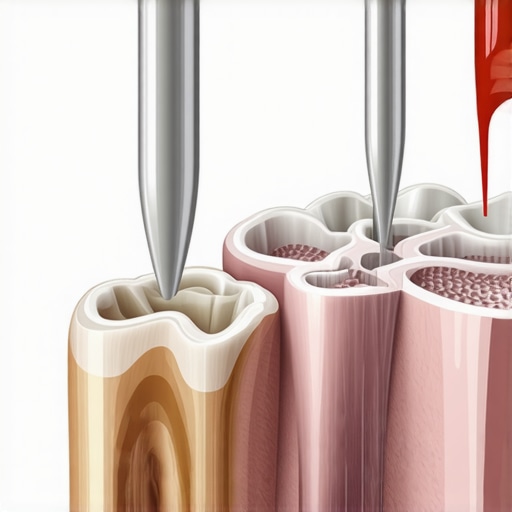
Visualize the integration of advanced biomaterials in aesthetic dentistry with a high-resolution infographic illustrating the composition and benefits of nanohybrid composites and bioactive glass.
How can AI-driven predictive analytics refine interdisciplinary treatment planning in complex cases?
Artificial intelligence (AI) and machine learning algorithms now offer predictive insights that optimize treatment sequencing, material selection, and outcome forecasting. These tools analyze vast datasets, including patient-specific variables such as enamel thickness, stain susceptibility, and tissue response, to generate customized protocols. This approach not only enhances precision but also reduces chair time and improves patient satisfaction by setting realistic expectations early in the planning process. As AI continues to evolve, its integration into digital workflows will become indispensable for high-level aesthetic dentistry.
Why is continuous professional development vital amid rapid technological advancements?
Staying abreast of the latest innovations requires ongoing education through specialized courses, peer-reviewed research, and industry conferences. Proven strategies include engaging with reputable sources like the Journal of the American Dental Association and participating in hands-on training sessions. By cultivating a mindset of lifelong learning, practitioners can seamlessly incorporate emerging technologies and materials into their practice, ensuring they deliver state-of-the-art aesthetic solutions that meet evolving patient expectations.
What strategic considerations ensure long-term stability of combined cosmetic procedures?
Achieving durable results hinges on meticulous planning, including retainer protocols, dietary counseling, and routine maintenance. Employing biomimetic materials and evidence-based remineralization techniques reduces risks of stain recurrence and enamel degradation. Regular follow-ups and patient education on oral hygiene practices are crucial for preserving aesthetic outcomes. Additionally, integrating digital monitoring tools can track changes over time, enabling proactive interventions to sustain a radiant smile for years to come.
How can practitioners leverage emerging research to refine their aesthetic protocols further?
By critically analyzing peer-reviewed studies and collaborating with material scientists, clinicians can identify novel approaches that push the boundaries of cosmetic dentistry. Participating in clinical trials and pilot projects provides firsthand experience with new technologies, fostering innovation and expertise. Engaging with professional networks and industry forums ensures continuous knowledge exchange, empowering practitioners to remain at the forefront of aesthetic dentistry advancements. To explore these opportunities, connect with industry leaders via our contact page and access exclusive educational resources that elevate your practice to new heights.
Expert Insights & Advanced Considerations
Innovative Sequencing Strategies
Understanding the optimal order of procedures, such as whitening before aligner therapy, is crucial for maximizing aesthetic outcomes and preserving enamel integrity. Clinicians must assess individual patient factors meticulously to tailor sequencing protocols that ensure durability and beauty.
Material Science Breakthroughs
Recent advancements in nanohybrid composites and bioactive glass-infused materials have enhanced the longevity and safety of cosmetic restorations. Incorporating these innovations allows for more predictable and biological-safe smile makeovers, especially when combined with digital planning.
Digital Integration for Precision
Leveraging digital smile design, 3D imaging, and AI-driven predictive analytics refines interdisciplinary treatment planning. These tools facilitate collaboration among specialists and set realistic patient expectations, elevating overall treatment success.
Multidisciplinary Collaboration
Integrating periodontics, prosthodontics, and orthodontics through digital workflows streamlines complex procedures, ensuring both functional stability and aesthetic harmony. This holistic approach is fundamental to achieving long-term satisfaction.
Biological Safety and Long-Term Stability
Balancing aesthetic ambitions with enamel health involves customized protocols using remineralization techniques, low-concentration bleaching, and biomimetic materials. Routine follow-ups and patient education sustain results and prevent recurrence.
Curated Expert Resources
- Journal of the American Dental Association (JADA): Offers up-to-date research, clinical guidelines, and innovations in aesthetic dentistry, essential for maintaining a high standard of practice.
- Dental Materials Science Publications: Provides insights into the latest biomaterials like bioactive glasses and nanohybrid composites, supporting evidence-based choices for restorative procedures.
- Industry Conferences and Hands-On Courses: Opportunities for real-world training on digital workflows, material handling, and interdisciplinary techniques, crucial for ongoing professional development.
- Peer-Reviewed Literature on AI and Digital Diagnostics: Critical for integrating emerging technologies into complex treatment planning and personalized patient care.
Final Expert Perspective
In 2024, the convergence of innovative material science, digital diagnostics, and interdisciplinary collaboration is transforming aesthetic dentistry into a highly precise and personalized science. Mastery of these advanced concepts ensures practitioners can deliver stunning, durable, and biologically safe smiles. To stay at the forefront, engage actively with top-tier resources and continuous education, and consider sharing your insights and experiences through professional networks. For deeper engagement, visit our contact page to connect with industry leaders and access exclusive resources that will elevate your practice to new heights.


3 Comments