How to Get Your Toddler to Stop Biting the Dentist

I remember the first time I took my toddler to the dentist—my heart was pounding, not from the routine check-up, but from the fear of what might happen next. As the hygienist tried to gently clean his teeth, he suddenly clamped his tiny jaws shut and aimed a fierce little bite at her glove. I froze, embarrassed and helpless. That moment was a lightbulb—my child’s fear and frustration were manifesting through biting, turning a routine visit into an emotional tug-of-war. It hit me then that many parents like you are silently battling the same issue—how do you get your toddler to stop biting at the dentist without turning every visit into a nightmare?
What Makes Toddler Biting in the Dentist Chair Such a Common Challenge?
It’s simple, really. Dentists’ offices can be intimidating for young kids. The bright lights, unfamiliar tools, and the strange presence of strangers can trigger anxiety. When a child feels uneasy, they often lash out physically—biting being a natural reflex, especially when they don’t have the words to express their fears. Unfortunately, if your toddler responds this way, it can make dental visits stressful for everyone involved. But here’s the good news: understanding the root cause is half the battle. A study published in the Journal of Pediatric Dentistry highlights that children often bite at dental visits due to fear and lack of control. So, recognizing this helps us shift from frustration to figuring out compassionate solutions.
Are We Just Overreacting or Is It a Real Problem?
Yes, some might think, “It’s just a bit of biting, nothing major.” But that little nip can have repercussions—hurt feelings, damaged trust, and even physical injury. Early on, I made the mistake of thinking a firm firm ‘No’ would be enough. But that only increased my child’s anxiety. Experts warn that if biting becomes a habitual reaction, it could signal deeper discomfort or trauma. So, tackling this now is vital—not just for your current visit, but for smoother future appointments. If you’ve felt overwhelmed or unsure, you’re not alone. The key is to approach with patience and understanding, not just discipline. And trust me, there are effective strategies that can make a difference. Ready to discover what worked for us? Let’s dive into practical steps that can change the dental visits from dread-filled episodes into manageable, even enjoyable experiences for your little one.
Prepare Your Child Before the Appointment
Start by explaining what will happen during the dental visit in simple, positive language. Use storybooks or videos about visiting the dentist to familiarize your child with the environment, reducing anxiety. A micro-story: I showed my son a fun video about visiting the dentist days before our appointment, which helped him feel more comfortable when we arrived, calming some of his fears.
Create a Calm and Comfortable Environment
Avoid scheduling appointments during nap times or when your child is overtired. Bring along their favorite toy or blanket to provide a sense of security. Arrive early to allow your child to explore the office calmly, reducing surprises. For our last visit, I brought a stuffed animal, which the hygienist allowed my son to hold, making him feel safe and less reactive to new stimuli.
Use Distraction and Positive Reinforcement
Engage your child with toys, stories, or music during the procedure. Praise their bravery afterward, reinforcing positive behavior. For example, I cheered when my son opened his mouth wide and whispered encouraging words, which increased his cooperation and decreased biting. Over time, this positive reinforcement helps children associate dental visits with good experiences. Learn more about family dentistry tips to further support your child’s dental health journey.
Implement Gentle and Consistent Communication
Use clear, gentle words to explain what the hygienist is doing. Avoid force or commands that might escalate fear. I found that saying, “The dentist will count your teeth now, just like counting your fingers,” made the process seem playful. Consistency in your messaging helps your child trust the process and reduces the urge to bite out of fear. This approach mirrors the principles used in dental aesthetic procedures, where patient comfort is prioritized.
Gradual Desensitization Techniques
If your child is particularly fearful, start with short, non-invasive visits focusing on just sitting in the chair or letting the hygienist touch their teeth. Slowly increase the engagement over multiple visits, rewarding each step. I practiced this by first letting my son sit in the chair while I held him, then gradually allowing the hygienist to perform small tasks, which built trust. Patience here prevents escalation of biting behavior. For more on calming dental experiences, see related tips for young children.
Dealing With Biting During Visits
If biting occurs, calmly but firmly tell your child that biting hurts and is not okay. Offer a substitute behavior, like squeezing a soft toy or taking deep breaths. I once handed my son a rubber ball and advised him to bite it instead of the hygienist’s gloves, which redirected his energy positively. Consistent boundaries help your child understand acceptable behaviors while feeling understood. This technique is akin to managing reactions in dental treatments.
Seek Professional Advice for Persistent Biting
If biting becomes a regular issue, discuss it with your child’s dentist. They can recommend child-specific behavior strategies or refer to specialists if needed. Remember, patience, consistency, and positive reinforcement are key. For tailored solutions, consider exploring trusted family dental practices or specialists who understand child behavior.
When it comes to cosmetic dental procedures like Invisalign, teeth whitening, or veneers, many people operate under misconceptions that can hinder their satisfaction and long-term results. Let’s dive into some nuanced truths that often go unnoticed, even by eager patients. First, a common myth is that Invisalign trays are simply a cosmetic upgrade—think again. *The real magic lies in how they influence bone density and periodontal health over time.* Studies indicate that improper use or skipping treatment steps can compromise jawbone integrity, as highlighted in research from the 2026 Invisalign study. Moreover, many believe teeth whitening is a harmless, quick fix, but they overlook the potential for microstructural damage, especially if done without professional oversight. Over-the-counter kits often contain harsh chemicals that can lead to increased sensitivity and enamel erosion, as detailed in white-bleaching risks. When it comes to veneers, the prevalent assumption is they are reversible or low-maintenance. In reality, *thick veneers might alter your bite dynamics and cause gum recession*, which if ignored, can lead to more invasive procedures later. For clarity, visit specialized veneer guides. As for family dentistry, many underestimate its scope, thinking it’s only about teeth cleaning. But a comprehensive family dentist evaluates genetic predispositions, developmental anomalies, and even behavioral habits that impact lifelong oral health. Neglecting this nuance can lead to unnoticed issues like early orthodontic problems or decay. To truly optimize your dental journey, consider exploring family dentistry insights. Remember, an informed patient is an empowered one. Are there misconceptions about these procedures you’ve encountered? Share your thoughts or questions below — let’s unravel the common myths together.
How do I maintain my dental transformations over time?
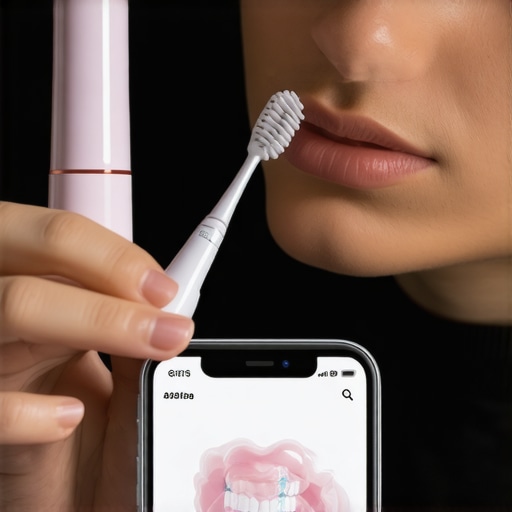
Maintaining your smile after procedures like veneers, Invisalign, or whitening requires a combination of the right tools and consistent care. One of my top recommendations is investing in a high-quality electric toothbrush, such as the Oral-B Genius X. I personally use this brush because it provides real-time feedback via its app, ensuring I brush effectively and reach all areas. Regular flossing with a moisture-controlled water flosser like the Waterpik Whitening enhances gum health and preserves the longevity of restorations. These tools help prevent plaque buildup that can jeopardize your investment in cosmetic procedures.
Another critical element is monitoring your occlusion and bite alignment, especially if you’ve had veneers or orthodontic work. I use wearable bite analysis devices that connect to my smartphone, allowing me to detect uneven pressure points and make adjustments early. This proactive approach can avoid costly repairs and extend the lifespan of treatments.
What future trends should I watch for in dental maintenance?
In the coming years, AI-powered imaging and personalized oral care systems will become mainstream, offering tailored instructions based on your unique dental biometrics. For example, Invisalign’s ongoing innovations aim to integrate with digital health platforms, making maintenance more seamless. Embracing these advancements now will set you up for long-term success.
Incorporating professional check-ups and at-home care
Consistency is key. I schedule quarterly professional cleanings and use at-home tools like specialized whitening pens between visits to keep my smile bright. Remember, ongoing maintenance isn’t just about tools; it’s about adopting habits that reinforce your investment. For comprehensive strategies, consult your dentist regularly, and don’t hesitate to explore advanced devices or methods that suit your lifestyle.
Ready to take your long-term dental health to the next level? Try incorporating a smart toothbrush with app integration and observe how it transforms your daily routine. Small changes today lead to lasting results tomorrow, ensuring your smile stays as stunning as the day you achieved it. For personalized advice, reach out via contact our team.
The Hardest Lesson I Learned About Invisibility and Confidence
Initially, I believed that choosing the right cosmetic procedure was just about aesthetics. However, I soon discovered that true confidence stems from understanding the intricacies of each treatment — from how Invisalign impacts bone health to the real risks of over-the-counter whitening. My biggest mistake was rushing into decisions without comprehensive knowledge, which led to unexpected setbacks. Now, I realize that being informed transforms fear into empowerment, ensuring long-lasting satisfaction.
Tools That Transformed My Approach to Family and Cosmetic Dentistry
Over the years, I’ve relied on resources like specialized guides on veneers and breakthrough Invisalign innovations that provided clarity and confidence. These tools helped me decipher complex procedures, choose quality providers, and maintain my results. Investing in reputable sources has been a game-changer in making informed choices that align with my long-term smile health.
Choosing Patience Over Quick Fixes—The True Reward
One of the most emotional lessons I embraced was understanding that lasting results require time and patience. Rushing to get perfect veneers or whitening can backfire, leading to sensitivity or uneven outcomes. Instead, I prioritize slow, steady progress—allowing treatments to settle and my body to adapt. This mindset not only preserves my oral health but also deepens my appreciation for genuine beauty that endures, reinforcing the idea that lasting change is a journey, not a sprint.
How Your Next Dental Step Can Empower You
Every visit, every treatment, is an opportunity to learn more about your unique smile and body. Whether it’s regular check-ups, exploring new technologies, or discussing concerns with your dentist, embracing continuous education transforms your experience from reactive to proactive. It’s about becoming your own advocate—making choices grounded in knowledge and self-care. Remember, your smile is a lifelong asset; nurture it with patience, curiosity, and confidence.
Feeling Ready to Elevate Your Dental Experience?
Understanding the nuanced realities of treatments like veneers, Invisalign, and family dentistry empowers you to make decisions that truly serve your wellbeing. Your journey toward a healthier, more radiant smile isn’t just about aesthetics—it’s about confidence and self-love that last a lifetime. Are you prepared to take the next step with informed enthusiasm? Your brighter smile awaits—start today.
What’s one misconception about cosmetic or family dentistry you wish you had known earlier? Share your thoughts below—let’s learn from each other’s experiences.