
How to Handle a Chipped Veneer Before You Can See the Dentist
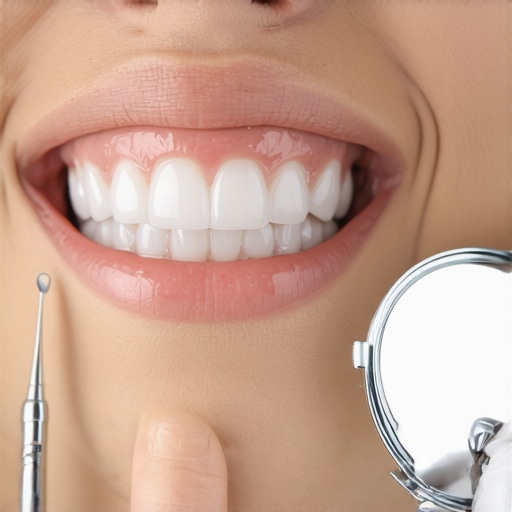
It happened unexpectedly—one moment I was happily biting into an apple, and the next, I felt that sickening crunch and saw a tiny chip on my veneer. That sharp fragment felt like a betrayal, reminding me how fragile our perfect smiles can suddenly become. If you’ve ever faced this situation, you know that rush of panic—should I call my dentist immediately, or can I manage this until my appointment? I remember the whirlwind of questions and the silent worry creeping in. Well, after some mishaps and lessons learned, I want to share how to handle a chipped veneer before you get to see your dentist. Trust me, it’s a feeling no one wants to go through alone.
Why a chipped veneer isn’t just a cosmetic issue — and what it means for your smile
A damaged veneer isn’t just an eyesore; it could lead to more serious dental problems if not managed promptly. Venerable dental experts agree that chips or cracks can expose sensitive tooth structures or even cause underlying decay to develop unnoticed. According to a study published in the Journal of Esthetic & Restorative Dentistry, a compromised veneer can create opportunities for bacteria to latch onto vulnerable spots, escalating the risk of cavities or gum disease. That’s why it’s crucial to act fast—yet, knowing exactly what to do can be confusing, especially if you’re caught between dentist visits.
I made the mistake early on of trying to “fix” the chip myself with superglue—please don’t do this! It might seem like a quick fix, but it can cause more harm than good. Instead, understanding the correct first steps can save you from unnecessary pain or damage.
Are you worried about making things worse? You’re not alone. Many people hesitate, unsure of how to respond. Next, let’s look into practical steps that you can take immediately after noticing that chips or cracks. These tips will help you preserve your veneer’s integrity and keep your smile shining until your professional appointment.
Assess the Damage Immediately
As soon as you notice a chip, examine the extent carefully. Is it a small crack or a larger fragment? Take note of the size and sharpness—the sharper and larger, the more urgent the response. I remember once discovering a tiny chip after breakfast; I immediately inspected it in the mirror and felt a slight twinge of concern. This quick assessment helps determine if immediate action is necessary or if you can wait until your scheduled dental appointment.
Rinse Your Mouth and Protect Sensitive Areas
Gently rinse your mouth with lukewarm water to clear away any debris. Avoid using very hot or cold water, as sensitive areas beneath the veneer might react strongly. This step is like watering a plant—you want to keep the environment clean and calm. Once rinsed, check if any sharp edges are present. If so, you must protect your tongue and cheeks from cuts.
Use Dental Wax or Cotton to Cover Sharp Edges
In my experience, covering sharp or rough edges with dental wax or a small piece of clean cotton can prevent injury. Press the wax or cotton gently over the rough spot to create a smooth barrier. This temporary fix is akin to placing a bumper on a bicycle handlebar—preventing harm until you see a professional. Remember, this doesn’t fix the chip but keeps you comfortable and safe in the meantime.
Control Pain and Sensitivity
If discomfort arises, applying a cold compress on the cheek near the affected area can help reduce swelling and numb pain—think of it as giving your face a gentle hug to calm the nerves. Over-the-counter pain relievers like ibuprofen or acetaminophen can also assist, following dose instructions carefully. Managing pain effectively avoids unnecessary suffering while you arrange for professional treatment.
Avoid Eating or Drinking Until a Dentist Checks
Until your dentist evaluates the damage, steer clear of hot, cold, or sticky foods and beverages. Chewing or sipping might exacerbate the chip or cause further damage. I once made the mistake of eating an apple after noticing a small chip—luckily, I managed to avoid worsening the damage, but it’s best to err on the side of caution.
Schedule an Emergency Dental Appointment
Contact your dentist as soon as possible through their contact page. Explain the situation in detail, including the size and location of the chip. If the damage is minor, some dentists might advise waiting until your regular appointment; for larger chips, prompt repair or reapplication might be necessary. Think of this step as calling the emergency services after a minor accident—you want expert help to restore your smile.
Prepare for Your Dental Visit
Gather all relevant information: when the chip occurred, any pain experienced, and details of previous treatments like veneers or whitening. This helps your dentist diagnose and decide on the best course—whether it’s smoothing the veneer, bonding new material, or replacing it entirely. If you’re unsure about the process, you can visit this guide on veneers to understand what to expect during repair.
Prevent Future Damage
Once repaired, consider avoiding hard foods, extreme temperature drinks, or habits like nail-biting that stress your veneers. Regular oral hygiene, including gentle brushing and flossing, will prolong the repair’s lifespan. For ongoing advice on keeping your smile healthy, explore family dentistry tips. Remember, a resilient smile needs consistent care and attention.
Many people assume that procedures like teeth whitening, Invisalign, or veneers are straightforward processes with guaranteed perfect results, but the reality is more nuanced. For instance, a widespread myth is that whitening treatments are universally safe and suitable for everyone; however, studies show that individuals with tooth sensitivity or gum issues might experience adverse reactions, making personalized assessment essential. Additionally, some believe that Invisalign can fix all alignment problems effortlessly, yet complex cases often require supplementary procedures or longer treatment plans, which many overlook. It’s a common mistake to underestimate the importance of detailed diagnosis and the potential for advanced mistakes during treatment. For example, choosing veneers without understanding their long-term impact can lead to issues like gum recession or unnatural appearance, especially if the underlying tooth structure isn’t appropriately prepared. A consideration often overlooked is the importance of understanding the materials used in veneers—porcelain comes with durability benefits, but it requires precise bonding to prevent leaks and failure, as highlighted in expert dental journals. When planning cosmetic procedures, a key strategy is to focus on the related nuances: ensuring your dental professional considers your bite, jaw alignment, and overall oral health to avoid future complications. Often, patients get lured by quick fixes on social media, neglecting to ask about the longevity and maintenance of these treatments. Remember, the goal is not only aesthetic enhancement but ensuring functional health in the long term, which requires a deeper understanding beyond surface appearances. To avoid falling into these common traps, always seek a thorough consultation with a qualified family or cosmetic dentist and ask about the latest advancements, such as new materials or techniques. For instance, modern porcelain veneers are now designed using high-strength materials that mimic natural translucency, offering both durability and realism. Want to explore advanced insights into your dental options? Check out this detailed guide on veneers to learn about the latest innovations in tooth restorations.
Invest in the Right Tools for Ongoing Dental Care
Maintaining your family’s smile requires more than just regular dentist visits; it’s about adopting effective tools that fit seamlessly into your daily routine. I swear by a high-quality electric toothbrush, such as the Oral-B Genius X, because its oscillating brush head ensures deeper plaque removal, especially around orthodontic appliances like Invisalign trays. Combining this with an ADA-approved fluoride toothpaste helps strengthen enamel over time. For flossing, I prefer water flossers like the Waterpik Sonic-Fusion because they effortlessly remove debris from hard-to-reach areas, reducing gum inflammation and preventing recession around veneers or crowns.
Furthermore, investing in sealant application kits allows for the quick reinforcement of vulnerable tooth surfaces, especially in children, aiding in cavity prevention before issues escalate. These tools are vital for long-term success, especially when combined with a consistent routine you can easily stick to.
Adopt Effective Software and Apps to Track Dental Progress
Digitally monitoring your dental health enhances the effectiveness of your maintenance routine. I use dental tracking apps such as MySmilePlan, which sync with my smartphone to remind me about brushing, flossing, and even when to replace your toothbrush or floss. Some apps also allow you to upload photos of your teeth to check for early signs of wear or recession—detecting problems before they become serious.
Establish a Routine with Professional Support
Consistency is the cornerstone of long-term dental health. Regular dental check-ups, combined with home-use tools, create a powerful synergy. To keep your veneers, whitening, or Invisalign results lasting, schedule professional cleanings biannually and follow your dentist’s advice for at-home maintenance. Remember, prevention is always better—and cheaper—than repair. For a tailored plan, consult your dental professional regularly and stay updated on innovations like new teeth whitening protocols or improved aligner materials.
Predicting the Future of Dental Maintenance
As technology advances, personalized dental care leveraging AI and 3D imaging will become more accessible and precise, enabling us to predict issues before symptoms appear. Machine learning algorithms could analyze your wear patterns or gum health markers, alerting you to potential problems early. This proactive approach promises to minimize invasive procedures and maximize your smile’s longevity.
How do I keep my dental tools working effectively over time?
Proper maintenance of your dental tools involves regular cleaning and replacing parts as recommended by manufacturers. For instance, toothbrush heads should be replaced every three months, and flossers checked for wear. Additionally, storing devices in dry, clean environments prevents bacterial buildup. Regularly inspecting and calibrating electronic devices ensures they perform at peak efficiency, which is critical for sensitive procedures like veneer upkeep or enamel preservation. Remember to review the manufacturer’s instructions—most come with specific cleaning guidelines that prolong their lifespan. Stay ahead in your dental game by prioritizing tool care, and don’t hesitate to consult your dentist for recommendations tailored to your unique needs.
Lessons That Changed My Approach to Family Dentistry and Smile Enhancements
- I realized early on that no matter how perfect your veneers or whitening treatments are, unexpected issues like chips can happen—anticipating and preparing for these moments is key to resilience.
- Trusting the right tools and staying informed about new materials and techniques have profoundly improved my confidence in maintaining my smile’s health and beauty.
- I learned that regular communication with a skilled dentist transforms anxiety into empowerment, making every visit an opportunity for growth, not just repair.
- Understanding that every treatment plan is personalized has helped me avoid common pitfalls and fully appreciate the artistry behind each smile transformation.