
How to Manage Your Fear of the Dentist During a Deep Cleaning
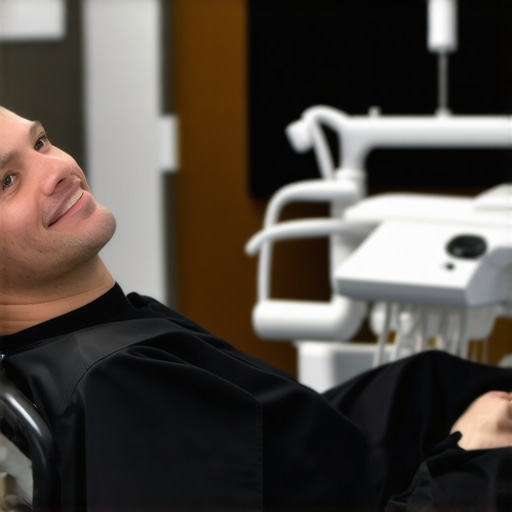
It was a sunny Tuesday morning when I found myself sitting in the dental chair, heart pounding, palms clammy, trying to convince my trembling hands to stay still. The last time I visited the dentist for a deep cleaning, I had a minor panic attack that left me feeling embarrassed and ready to skip future appointments altogether. That lightbulb moment made me realize: I wasn’t alone in this struggle. Many people dread deep cleanings because of anxiety, fear of pain, or simply not knowing what to expect. But here’s the truth—I’ve discovered effective ways to manage that fear and ensure my dental visits are less stressful.
Why Facing Dentist Anxiety Is More Important Than You Think
Understanding and conquering your fear isn’t just about avoiding discomfort; it’s about protecting your oral health. Regular deep cleanings are vital—they prevent gum disease, cavities, and can even save teeth from unnecessary extraction. Yet, according to the American Dental Association, nearly 15% of people delay or skip dental visits out of fear, risking more serious dental problems down the road. Early on, I made the mistake of avoiding appointments entirely, thinking I could handle bleeding gums or sensitivity on my own. But neglect only worsened the issues, leading to more invasive procedures later. That’s why addressing your anxiety head-on is crucial. If you’re wondering whether manageable fear can be turned into confidence, I can tell you—absolutely yes. I’ll walk you through the practical steps I took to change my approach, and you can adapt these techniques to your comfort level. Now, let’s look at how to make your dental visits, especially deep cleanings, more bearable.
Is Managing Dentist Fear Really Worth the Effort?
In my early days, I underestimated the impact of anxiety. I thought a quick fake smile and a stiff upper lip would suffice. Turns out, that was a mistake. I wasted energy on needless stress, which only heightened my fears and made my visits worse. If you’ve ever convinced yourself that avoiding the dentist is better than facing your fears, I get it. But the truth is, consistent dental care outweighs temporary discomfort. Overcoming fear isn’t about becoming fearless overnight—it’s about finding strategies that work for you. Want to know how I kept my nerves in check without turning into a nervous wreck? Stick around. I’ll share the techniques that transformed my dental experience, making it manageable and even tolerable. Because with the right mindset and tools, you can face your next deep cleaning with less dread and more confidence. Ready to explore practical ways to conquer dental anxiety? Let’s dive into the first step: understanding what triggers your fear and how to take control.
Start Small and Know Your Triggers
Identify what specifically causes your fear—whether it’s the noise of drills, the sight of needles, or feeling out of control. For instance, during my last visit, I noticed that the bright overhead light made me uneasy. I explained this to my dentist, who then adjusted the lighting or used a dental dam to block the glare. Recognizing a trigger allows you to communicate it clearly and work together on solutions. Keep a mental note or journal of what makes you nervous to focus on tackling those aspects first.
Prepare Mentally and Physically Before Appointments
Ease anxiety by practicing deep breathing exercises or mindfulness techniques before your visit. I found that taking slow, deliberate breaths helped calm my nerves. Additionally, avoid caffeine or sugary foods right before your appointment, as they can increase jitteriness. Staying hydrated and arriving a few minutes early give you time to settle in, rather than rushing and escalating stress. Consider adopting a calming routine, such as listening to soothing music or bringing a comforting item—like a stress ball—to the clinic.
Choose a Dentist Who Understands Your Fears
Not all dental professionals are equally attuned to patient anxiety. Seek out a family dentist experienced in gentle care, and don’t hesitate to mention your fears upfront. When I scheduled my first appointment, I explicitly said I was anxious and needed a slow, gentle approach. A good dentist will explain procedures step-by-step and check in regularly. Family dentistry tips emphasize the importance of a dentist who listens and adapts to your comfort.
Leverage Sedation or Relaxation Techniques
For intense anxiety, sedation options—like nitrous oxide (laughing gas) or oral sedatives—can make procedures more tolerable. When I opted for nitrous oxide, I remained awake but felt a profound sense of relaxation, which made my deep cleaning much less stressful. Discuss these options with your dentist beforehand. Furthermore, techniques like progressive muscle relaxation or guided imagery can help you maintain calm. Practice these methods regularly, so they become effective tools during your dental visits.
Utilize Distraction and Communication
Distract yourself with music, podcasts, or an audiobook during the procedure. I brought headphones and focused on my favorite playlist, which helped divert my attention from the noises and sensations. Clear communication is crucial—don’t hesitate to signal if you need a break or if something feels uncomfortable. An open dialogue fosters trust and can reduce feelings of helplessness. Remember, your voice matters, and your comfort should always be a priority.
Implement Post-Visit Recovery Rituals
After the appointment, indulge in calming activities like gentle stretching, a warm shower, or a favorite snack. Acknowledge your progress, no matter how small it feels. For example, after my last deep cleaning, I treated myself to a calming herbal tea while reflecting on how I managed my fears. Recognizing your courage reinforces positive associations and builds confidence for future visits. Maintaining a positive attitude and habits supports ongoing oral health and reduces anticipatory anxiety.
Following these concrete steps transforms dental visits from daunting chores into manageable parts of your self-care routine. Remember, everyone’s fears are different—tailor these strategies to fit your comfort level, and over time, you’ll find your confidence grows stronger with each appointment.Many patients assume that all dental procedures are pretty straightforward or that cosmetic treatments like veneers and teeth whitening are purely aesthetic with little to no long-term implications. However, as an expert in the field, I’ve seen common misconceptions that can lead to costly mistakes. For example, many believe that family dentistry is just about routine cleanings, but it actually involves comprehensive preventive care that considers every family member’s unique needs. Overlooking this can result in missed opportunities to catch early signs of decay or malocclusion, which could save you money and discomfort down the line.
Are Veneers Truly a Fix That Lasts Forever? Think Again
One of the biggest myths surrounding veneers is their supposed permanence or ‘set-it-and-forget-it’ nature. While veneers are durable, they require proper maintenance, and their longevity depends on factors like oral hygiene and habits. Excessive biting of hard objects or neglecting regular check-ups can lead to chipping or lifting, forcing costly replacements. Ioannis Tsiolis, a renowned cosmetic dentist, emphasizes the importance of understanding the nuanced care involved in maintaining veneer longevity. You can read more about how veneers stand the test of time and what it really takes to keep them looking perfect in [this detailed guide](https://smilegumcare.com/veneers-made-simple-transform-your-tooth-aesthetics-in-2025-at-1822).
Similarly, many believe that whitening treatments are completely risk-free. Conversely, overuse or improper application of bleaching agents can cause enamel erosion or increased sensitivity, sometimes permanently altering your tooth structure. The misconception that OTC whitening kits are equivalent to professional treatments is a trap—laboratory-grade custom trays and dentist supervision vastly reduce risks and enhance results. For insights on the latest whitening secrets and how to avoid sensitivity, check out [this resource](https://smilegumcare.com/teeth-whitening-secrets-for-a-sparkling-smile-in-2025-at-1248).
Invisalign: The Clear Solution or a Hidden Risk? Let’s Dig Deeper
Many patients opt for Invisalign because they believe it’s a foolproof way to straighten teeth invisibly, but few realize the hidden nuances. For instance, ongoing compliance is critical—failure to wear aligners as prescribed can lead to tooth decay, root resorption, or extended treatment times. I’ve also observed that some underestimate the importance of regular dental check-ups during treatment; neglecting this can result in attachment failures or misaligned movements. A common mistake is assuming that your teeth will shift perfectly without precise monitoring, which isn’t true. For an advanced look into how Invisalign can be used optimally and pitfalls to avoid, visit [this article](https://smilegumcare.com/invisalign-innovation-invisible-braces-changing-smiles-in-2025-at-1537).
So, next time you’re considering cosmetic or family dental procedures, challenge the myths and be informed about the nuances. Proper understanding not only saves you money but also ensures your dental health isn’t compromised. Have you ever fallen into this trap? Let me know in the comments.Maintaining a radiant and healthy smile over the years requires more than just good oral hygiene; it involves the right tools and methods tailored to your specific dental treatments such as veneers, Invisalign, or teeth whitening. One of my top recommendations is investing in an electric toothbrush, like the Sonicare DiamondClean. Its oscillating-rotating action ensures superior plaque removal, which is vital for preserving veneers and preventing staining. Moreover, its built-in timer encourages brushing for the recommended two minutes, preventing both over- and under-brushing.
Another essential tool is a water flosser, such as the Waterpik Water Flosser, which I personally use to reach those hard-to-clean areas between teeth and around aligners. The pulsating water effectively reduces plaque and gingival inflammation, especially important during Invisalign treatment when traditional flossing can be cumbersome. Regular use can decrease the risk of gum recession and prevent white spots from developing on veneers, which are common long-term concerns.
How do I maintain my dental enhancements over time?
Consistency is key. Schedule routine check-ups and cleanings, ideally every six months, to catch any issues early. During appointments, professionals can assess the integrity of veneers and the fit of Invisalign trays, recommending replacements or adjustments if necessary. Additionally, consider using a remineralizing toothpaste, like the Colgate Enamel Health, which helps strengthen tooth enamel and offsets any mild erosion caused by whitening products or acidic foods.
For teeth whitening, I suggest using custom trays and professional-grade gels that your dentist can provide. Over-the-counter options often lack the proper concentration and can lead to sensitivity or uneven results. Proper storage of whitening trays in a clean, dry case, like the one recommended in this article, prevents contamination and extends their lifespan.
As treatments evolve, new tools and techniques will likely emerge. For instance, dental monitoring apps now enable patients to track their oral health progress at home, ensuring consistent maintenance between visits. In the future, AI-driven devices may personalize oral hygiene routines further, making long-term smile care more efficient and tailored than ever before.
So, don’t wait—try implementing a high-quality electric toothbrush coupled with a water flosser into your daily routine. These tools significantly improve your ability to keep your dental work pristine and reduce the need for invasive procedures later. For personalized recommendations or to explore advanced tools that suit your specific needs, contact your family dentist or visit our contact page today.
Lessons No One Tells You About Facing Family Dentistry and Cosmetic Procedures
One of the most eye-opening lessons I’ve learned is that confronting my fears often revealed unexpected personal growth. For instance, steadily managing anxiety during treatments like Invisalign or veneers showed me I am more resilient than I believed. I realized that small victories—like calmly sitting through a cleaning—pile up into greater self-confidence. Also, I discovered that sharing my concerns openly with my dentist fostered a real partnership, transforming a tense appointment into a collaborative effort. Lastly, I understood that embracing discomfort as part of the journey to a healthier, brighter smile ultimately made each step more meaningful and less intimidating.
Tools and Reads That Made a Difference for My Smile Journey
- Electric Toothbrushes: After switching to a Sonicare model, I noticed a significant reduction in plaque and stain build-up. Proper tools like this are game-changers in maintaining veneers and post-whitening results.
- Water Flossers: Using a Waterpik improved my gum health and complemented my Invisalign care routine. It reaches places traditional floss can miss, ensuring my dental enhancements stay pristine.
- Books from Top Dentists: I found that reading The Smile Bible helped demystify procedures and set realistic expectations, empowering me to ask better questions during visits.
- Trusted Dental Blogs: Regularly visiting resources like this guide on veneers provided practical advice that aligned with my experiences and needs.
Embrace Your Smile Evolution — The Time Is Now
Your journey to overcoming dental anxiety and embracing your best smile starts today. Every step you take toward managing fears and learning more about your treatments not only improves your oral health but also uplifts your confidence. Remember, you’re not alone—many have turned their dental struggles into stories of empowerment. So, why wait? Take that first brave step, reach out to your family dentist, and begin your transformation. Your future self will thank you for choosing to smile genuinely and confidently.