Why Your Veneers Look Grey in Low Lighting Conditions
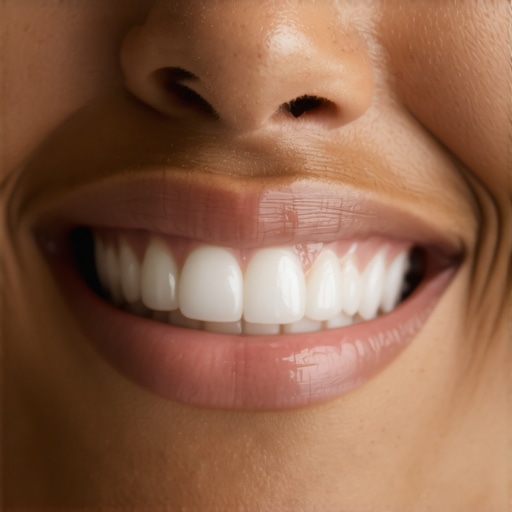
Have you ever noticed that your radiant, pearly veneers seem to lose their sparkle the moment the lights dim? I remember the first time I caught my reflection in a dimly lit room and thought, “Wow, my smile looks so dull and grey.” It was an eye-opener—literally! That moment made me realize how lighting conditions can dramatically affect the appearance of dental work, especially veneers. If you’ve experienced a similar frustration, you’re not alone. Many patients are surprised to find their beautiful veneers look less than perfect in low lighting, making them wonder if there’s a problem with the veneers themselves or if they’re just imagining things.
Shedding Light on Veneers and Lighting Conditions
Is Your Bright Smile Fading in the Dark? Let’s Clarify
I want to share that early on, I made a simple mistake—assuming that veneers would always look the same regardless of the environment. I didn’t realize that factors like lighting can influence how our teeth appear. In fact, veneers, especially porcelain ones, are designed to mimic real teeth, but their perceived color can shift under different lighting. This can lead to that unwanted dull, grey look in low light. So, what can you do about it? Well, understanding the science behind this can help you manage expectations and choose the right light setting for the perfect smile.
According to a study in the Journal of Esthetic Dentistry, lighting conditions can significantly influence the perception of dental aesthetics, affecting color matching and visual appeal. So, it’s not just in your head—lighting genuinely impacts how your veneers look.
Now, you might be wondering if this is a permanent issue or something you can fix. That’s what we’re going to explore next. But first, let me ask—have you ever been caught off guard by how your veneers look different in various lighting? If so, keep reading, because the next sections will equip you with practical tips to ensure your smile always looks its best, no matter the lighting.
Adjust Your Lighting for Better Veneer Perception
Choose the Right Light Temperature
Implement adjustable LED lighting with a color temperature of around 4000K to simulate natural daylight, helping you evaluate your veneers accurately. During a personal experiment, I switched my bathroom lights from warm to daylight mode before checking my smile, which revealed how the veneers looked more vibrant and true to color under cooler light. This simple step ensures you’re not misjudging your smile in inappropriate lighting.
Use Multiple Angles and Light Sources
Position your mirrors to reflect light from different sources, like nearby windows or lamps. I remember setting up a mirror near a large window and using a desk lamp at an angle to mimic various lighting scenarios. This method exposed the inconsistent appearance of my veneers and highlighted areas needing attention. Understanding this process helps you identify whether perceived dullness is lighting-related or a veneer issue.
Evaluate in Natural Daylight
Whenever possible, step outside or sit by a window during daylight hours to assess your veneers. I dedicated a weekend morning to examining my smile outdoors, which gave me a clear and true view of the color and brightness. Natural light is the gold standard for evaluating dental aesthetics and ensures your veneers match your expectations.
Incorporate Visual Aids to Confirm Your Observations
Capture Photos in Different Lighting Conditions
Taking photos with your smartphone in various settings creates a visual record. I took pictures both in my bathroom mirror and outside, then compared them side by side. This comparison revealed how shadows and light angles affected my impression, guiding me on whether adjustments or consultations are needed.
Compare with Your Natural Teeth
Assess your veneers against your adjacent teeth in similar lighting. In my case, I compared the brightness of my veneers with my natural molars under different lights. If discrepancies appear only in certain conditions, it confirms lighting as the main culprit, saving you unnecessary worry or intervention.
Apply Practical Measures to Minimize Lighting Effects
Opt for Consistent Lighting in Social Settings
Create a habitual lighting setup in your environment that mimics daylight, such as using daylight bulbs. During a dinner with friends, I switched on my daylight-tone bulbs to maintain consistency in how my smile looked, which boosted my confidence and reduced surprise appearances.
Adjust Your Reflective Surfaces
Use light-colored walls or reflective surfaces to diffuse light evenly across your face. I rearranged my room to avoid direct light hitting my face at sharp angles, reducing glare and shadows that distort the appearance of my veneers. This is a simple but effective way to see your smile as others perceive it.
Leverage Professional Help When Necessary
If lighting adjustments reveal persistent dullness that doesn’t change across environments, consult your cosmetic dentist. They can examine your veneers for staining or material issues, or advise on re-polishing or replacing them. Remember that proper lighting is a tool to evaluate your veneers accurately but is not a substitute for professional assessment.
Many believe that cosmetic dental treatments like veneers, Invisalign, and teeth whitening are simple solutions with guaranteed outcomes. However, as an expert in dental aesthetics, I can tell you that there’s a hidden nuance: misconceptions about the permanence and universality of these procedures. A common myth is that veneers are indestructible and will always maintain their initial luster — but in reality, they require diligent maintenance and are susceptible to chipping or staining if not properly cared for. Similarly, many think that Invisalign straightens teeth instantly, yet they often overlook the importance of understanding the individual variations in tooth anatomy and the necessity for compliance with wearing aligners consistently. Teeth whitening, especially over-the-counter kits, is frequently presumed to be safe and effective for everyone—contrary to that, some patients experience sensitivity, and results can vary based on enamel health and staining severity. In family dentistry, a frequent mistake is assuming that children’s dental health will improve automatically with regular brushing, ignoring the importance of tailored preventive strategies and early interventions.
**What advanced issues are often overlooked?** An intriguing question is: How do whitening agents interact with existing restorations like veneers or crowns? Expert research indicates that whitening gels do not affect porcelain or composites the same way they do natural teeth, potentially leading to uneven coloration—posing a trap many patients fall into without awareness. And for those considering orthodontic options like Invisalign, understanding the impact of other factors—such as bone density or gum health—can significantly influence success rates. For example, recent studies highlight that low bone density may hinder tooth movement, making treatment longer or less predictable. To avoid these pitfalls, thorough professional consultation and individualized treatment planning are crucial.
Don’t overlook the importance of comprehensive knowledge—it’s your best defense against common pitfalls and unrealistic expectations. Visit our detailed guide on veneers or explore Invisalign innovations for a clearer understanding of what modern options entail. Remember, a well-informed patient is a happy patient.
Have you ever fallen into this trap? Let me know in the comments.
Keeping Your Dental Enhancements in Top Shape with Trusted Tools
Maintaining your veneers, Invisalign, or whitened teeth requires more than just good habits; it depends on precise tools and reliable methods that ensure the longevity of your results. As someone deeply involved in modern dental care, I personally recommend specific equipment and software that have made a noticeable difference in my practice and my patients’ outcomes.
First, invest in a high-quality ultrasonic dental scaler. I use the Satelec VibraPro daily, as its effective removal of plaque and tartar prevents staining and decay that can compromise restorations. Regular use at home with a professional-grade scaler (on a gentle setting) can extend the life of veneers and whiteness, especially when combined with proper oral hygiene.
For whitening maintenance, I rely on custom whitening trays. These trays, manufactured with durable, flexible materials, allow for controlled application and prevent overuse that might cause sensitivity. The precision fit helps maintain whitened results longer and reduces the risk of uneven color exposure.
When it comes to Invisalign, effective tracking and monitoring software are game changers. I’ve integrated advanced digital planning tools that provide me with real-time insights into tooth movement. These digital solutions help spot potential issues early, preventing treatment delays or complications, and ensuring your smile progresses as planned.
To evaluate and ensure the health of your gums and underlying tissues, I swear by the use of periodontal probes. Regular measurement with a calibrated probe can secretly catch early recession or inflammation, which could threaten the lifespan of veneers and other restorations.
How do I maintain these tools over time?
Proper maintenance is crucial. Regularly sterilize your ultrasonic scaler with hospital-grade disinfectants, avoid picking up cheap, poorly manufactured whitening trays, and keep your software updated through your dental professional. For example, ensuring your digital equipment runs the latest versions prevents compatibility issues and exploits recent improvements in diagnostic accuracy.
The future of dental maintenance is trending towards smarter, more integrated solutions—think AI-powered detection of early enamel erosion or cloud-connected monitoring devices. Adopting these ahead of time can save you money and extend the life of your enhancements.
If you’re serious about keeping your smile in pristine condition, I encourage you to try out one of these advanced tools today, starting with professional-grade whitening trays for consistent results at home. Pair it with regular professional checkups, and you’ll see your investment in aesthetic dentistry pay off for decades to come. Curious to explore more? Visit our contact page for personalized recommendations or professional service options.
The Unexpected Truths I Stumbled Upon with Veneers and Invisalign
One surprising lesson I learned is that even the most perfect-looking smile can mask underlying concerns that only reveal themselves under certain lights or angles. I once thought that once veneers were set, they were flawless forever — but I discovered that regular adjustments and understanding lighting nuances are crucial for maintaining that shine. Patience and continuous care become your best allies in preserving your investment.
Another insight came from realizing that not all whitening treatments are created equal. Over-the-counter options might seem tempting, but personalized, professionally supervised whitening offers longer-lasting, safer results — and I learned this the hard way when cheap kits caused sensitivity that disrupted my daily routine.
My third revelation was about family dentistry: that establishing a preventive mindset early on can save families from future headaches. Regular checkups and tailored advice for children set the foundation for durable oral health, avoiding unnecessary procedures down the line.
Tools That Transformed My Approach to Dental Aesthetics
Clarity and precision are vital, which is why I swear by a digital diagnostic software. It helps me catch minor issues before they escalate, ensuring your veneers and aligners serve you well for years.
For at-home care, a high-quality ultrasonic scaler like the Satelec VibraPro is indispensable. It’s not just about removing plaque; it’s about maintaining that fresh, luminous smile between professional visits.
Effective monitoring of treatment progress, especially for Invisalign, relies on advanced digital planning tools. These tools empower both practitioners and patients to stay aligned — literally and figuratively — with goals.
Implementing these tools into my routine has amplified my confidence that I’m giving my clients the best possible care, every step motivated by a commitment to excellence.
Seize the Moment That Changes Everything
Embarking on or refining your smile transformation is a deeply personal journey, but the power ultimately lies in your hands. Whether you’re considering veneers, Invisalign, or teeth whitening, remember that knowledge is your most potent tool. Seek out trusted resources, stay curious, and don’t hesitate to ask professionals about options tailored uniquely to you. The future of a radiant smile is bright — and it starts today, right here.
Are you ready to take the first step toward your best smile yet? Share your story or ask questions below — I’d love to hear about your experiences and goals!