The Reason Your New Veneers Make You Lisp When You Say S
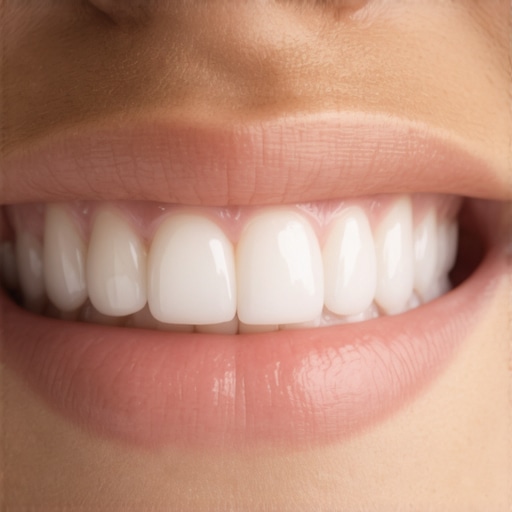
Have you ever spoken softly to a loved one only to notice they wince as if your words sting? That awkward lisp, especially on the letter “S,” can feel like a humiliating setback—especially after investing in those shiny new veneers. I remember the first time I caught myself saying “snack” and sounded more like a squeaky mouse. It was embarrassing, and honestly, I wondered if I had made a mistake with my smile upgrade.
Unveiling the Hidden Challenge of Veneer Speech Adjustments
Following my own veneer journey, I soon realized that the shiny new smile wasn’t just about aesthetics; it came with unexpected quirks. One of the most common—and frustrating—issues is the altered pronunciation of certain sounds. The letter “S” is particularly tricky because it requires a precise flow of air over the tongue and teeth. When veneers are placed, especially if they’re slightly thicker or misaligned, they can disrupt this airflow, leading to a lisp that wasn’t there before. It’s a bit like learning to walk again after injury. Suddenly, everything feels different, and it takes time to retrain your speech muscles.
In my case, I was eager to showcase my new smile at family gatherings, but my “S” sounded more like a whistle than a crisp consonant. That’s when I knew I had to uncover the root cause and find practical solutions. If you’re dealing with a similar problem, rest assured—you’re not alone, and there are ways to overcome it. Today, I’ll share what I discovered through personal experience and expert advice to help you speak confidently again without feeling self-conscious.
Is Your Lisp Just Temporary or a Sign of a Bigger Problem?
Early in my journey, I made a critical mistake—assuming the lisp would disappear on its own. I dismissed it as a minor adjustment that would settle with time. But I learned that some speech issues after veneers are signs that your bite and veneer placement need fine-tuning. According to the American Academy of Cosmetic Dentistry, minor speech disturbances can occur temporarily, but if they persist beyond a few weeks, it’s worth consulting your dentist for adjustments. Understanding the cause is the first step toward reclaiming your clear, confident speech.
So, have you noticed that your new veneers make you sound different, especially on the letter “S”? If so, keep reading. We’ll explore practical steps to fix this problem and restore your speech—so you can smile, speak, and laugh without hesitation. Ready to learn how to make your veneers work for you, not against you? Let’s dive into the solutions that truly make a difference.
Tighten Your Speech Muscle Memory
One effective approach is to deliberately practice the pronunciation of problematic sounds, like the letter “S,” multiple times daily. I set aside five minutes each morning, standing in front of a mirror, exaggerating my sibilant sounds to retrain my tongue and airflow. Over a week, I noticed my “S” sounded sharper, and the lisp began to lessen. Incorporate tongue exercises that mimic speech patterns—such as placing the tongue behind the top front teeth and blowing gently—to strengthen muscles responsible for clear speech.
Adjust Your Veneer Placement or Bite
If your speech issue persists beyond a few weeks, consult your dentist about potential adjustments. Sometimes, veneers are slightly misaligned or thicker than ideal, which disrupts airflow. Request a professional evaluation and consider minor reshaping or polishing procedures. I visited my dentist, and they gently polished certain areas, which improved my pronunciation noticeably. Remember, small tweaks can make a big difference in speech clarity.
Use Speech Therapy Techniques
Engage in targeted speech exercises, either supervised by a speech-language pathologist or through self-guided tutorials online. Techniques include slow, deliberate pronunciation and practicing tricky words in isolation before full sentences. I used online resources to practice “S” sounds, recording myself to monitor progress. Consistency is key—dedicate time daily, and patience will yield improvement, helping you regain confidence in your speech.
Be Mindful of Tongue Placement During Speech
Pay attention to where your tongue rests when pronouncing certain sounds. To prevent the tongue from pushing against the veneers, consciously position it slightly behind your teeth, aiming for the alveolar ridge where true “S” sounds are produced. I found that consciously adjusting my tongue position during conversations reduced the whistle-like sound. This simple mental cue, paired with practice, can rewire your speech patterns effectively.
Prevent Future Speech Issues with Regular Monitoring
Schedule follow-up visits with your dentist to monitor how your veneers settle over time and make necessary adjustments proactively. Regular check-ins help catch subtle misalignments before they affect speech. I added a routine appointment to my calendar, which ensured I stayed on top of any changes, keeping my smile both beautiful and functional. Remember, addressing these issues early helps you speak confidently and comfortably for years to come.
For tailored advice or to explore options like veneers or teeth whitening, visit our contact page or check out simple veneers guide. Ensuring your dental enhancements work for your unique needs can save you time and frustration in the long run.
Many assume that family dentistry and cosmetic procedures like veneers, teeth whitening, and Invisalign are straightforward fixes. However, a common misconception is that these treatments are universally suitable without considering individual nuances. For example, while teeth whitening might seem like a simple aesthetic upgrade, some over-the-counter kits can cause sensitivity or uneven results if not chosen carefully. The truth is, treatment plans should be tailored, considering factors like enamel type, gum health, and bite alignment, to prevent long-term issues. Additionally, a widespread myth is that veneers are unchangeable or permanent, but in reality, they require maintenance and, sometimes, replacement, especially if the underlying tooth structure changes or if the veneer becomes damaged. Many overlook the importance of understanding material differences—porcelain vs. composite—and how these impact longevity and appearance.
The ‘Oops’ factor here is neglecting the importance of proper diagnosis before proceeding. For instance, skipping a comprehensive examination might lead you to opt for veneers when orthodontic correction would have addressed the root problem more conservatively. This is a trap many fall into, believing cosmetic fixes are instant solutions, but without assessing bite, jaw alignment, and gum health, you risk future complications. According to a study published in the Journal of Esthetic and Restorative Dentistry, improper treatment planning accounts for a significant percentage of veneer failures and rebound issues in cosmetic dentistry, highlighting the importance of expert consultation.
For advanced readers wondering, “How can I determine whether my smile concerns are structural or purely cosmetic?” consider evaluating your bite function, jaw joint health, and overall oral harmony. If these foundational aspects are overlooked, cosmetic treatments might not only fail to produce desired results but could also exacerbate underlying problems. A thorough functional assessment by a skilled dentist ensures that aesthetic changes complement your natural physiology, rather than working against it.
Remember, choosing treatments should be a strategic decision—balancing aesthetics, function, and longevity. For comprehensive guidance tailored to your needs, explore trusted resources like our [family dentistry tips](https://smilegumcare.com/family-dentistry-tips-creating-a-healthy-smile-for-your-kids-at-0915) or consult specialists who emphasize personalized care. Approaching cosmetic procedures with this nuanced perspective helps avoid costly errors and ensures your smile not only looks good but functions optimally for years to come. Have you ever fallen into this trap? Let me know in the comments.
Keep Your Smile in Top Shape with the Right Tools
Maintaining the results of family dentistry procedures, veneers, teeth whitening, or Invisalign isn’t a one-and-done deal. It requires a set of reliable, specific tools and methods that support your oral health journey over the years. Personally, I swear by certain equipment and software because they’ve proven their worth in my routine, and I want to share these insights to help you achieve lasting results.
First, a high-quality electric toothbrush isn’t just a luxury; it’s a game-changer. I use the Oral-B Genius X because its oscillating-rotating technology effectively removes plaque, especially around veneers and brackets, without damaging delicate restorations. Its pressure sensor prevents overbrushing, which is essential for preventing gum recession or veneer detachment. Combine that with Waterpik’s professional-grade water flosser to clean hard-to-reach areas daily. I personally find that water flossers are gentler yet more thorough, especially around orthodontic attachments or crowns, and they significantly reduce inflammation and bleeding over time.
For targeted maintenance, I recommend a soft, flexible interdental brush, like TePe’s, to dislodge food debris without scratching your restorations. These small brushes are perfect for cleaning around veneers or between teeth after meals. Consistent use complements your daily routine and prevents plaque buildup that could compromise your dental investments.
To monitor ongoing progress, I rely heavily on dental tracking apps such as Dental Monitoring. This software allows real-time communication with your dentist through photos, enabling early detection of potential issues like gum recession or veneer chipping. It’s like having a dental checkup in your pocket, ensuring that small problems are caught before they escalate, saving you both time and money.
Lighting also plays a critical role in daily visual inspections. I utilize a handheld, LED dental mirror with a built-in light that provides bright, focused illumination—making it easier to spot staining, plaque, or early signs of gum disease at home. Maintaining a bright environment helps me stay proactive, and I recommend doing regular intraoral checks every few days.
How do I maintain my dental tools over time?
Cleaning your dental tools properly ensures they remain effective and hygienic. I regularly sterilize my electric toothbrush heads and interdental brushes by soaking them in a diluted hydrogen peroxide solution for a few minutes. Replacing toothbrush heads and flossers every three months prevents bacterial buildup and maintains optimal cleaning performance. For apps or software, keeping updates current guarantees you access to the latest features and security enhancements—think of it as routine software maintenance for your oral health technology.
Looking ahead, the trend is shifting towards even smarter, AI-integrated dental devices that provide personalized feedback and track your habits over time. Investing in these advancements can improve long-term results, especially for complex cases involving veneers or orthodontics. For example, new AI-powered sensors will soon detect early signs of decay or cement wear, prompting timely interventions.
If you’re eager to take your dental maintenance game to the next level, I suggest trying the advanced home whitening tip I’ve found effective: using a professional-grade LED light with your whitening trays, which accelerates the bleaching process and results in longer-lasting brightness. Remember to always follow your dentist’s guidance and avoid overuse to prevent sensitivity. To explore more about staying beautiful and healthy in the long term, visit our contact page for tailored advice or check out the latest in veneer care in 2025.
The Unexpected Truths I Discovered About Smile Transformations
- Perfection Takes Patience: I learned that achieving the flawless smile you envision often requires a willingness to work through unexpected challenges, like speech adjustments, and trusting your dentist’s guidance for fine-tuning.
- Customization Is Key: One-size-fits-all solutions rarely work in cosmetic dentistry. My experience reinforced the importance of tailored treatments—be it veneer shaping or bite alignment—that acknowledge individual nuances.
- Communication Matters More Than You Think: Clear dialogue with your dental professional can prevent minor issues from becoming major frustrations, especially when it comes to aligning expectations with outcomes.
- Maintenance Becomes Part of Your Routine: Regular check-ins, conscientious home care, and staying informed transform a one-time procedure into a long-lasting investment in your confidence.
- Embrace the Learning Curve: My biggest lightbulb moment was realizing that setbacks, like a temporary lisp, are part of the process. Persisting and practicing—just like with any skill—pays off in the end.
Tools and Resources That Made a Difference
- Smart Dental Apps: Using platforms like Dental Monitoring allowed me to keep my dentist in the loop effortlessly, catching issues early before they became serious.
- Targeted Practice Materials: Exaggerated pronunciation exercises and tongue positioning videos helped me retrain my speech muscles quickly and effectively.
- Quality Dental Care Products: Investing in gentle, effective toothbrushes, flossers, and water flossers like Waterpik ensured my veneers and teeth stayed in pristine condition.
- Educational Guides and Expert Advice: Reading trusted blogs and consulting professionals provided clarity and confidence throughout my smile transformation journey, especially when adjusting to new speech patterns.
Your Smile Journey Starts Today—Here’s Why You Should Take Action
Your confidence and well-being are worth the effort. Whether you’ve recently completed veneers, whitening, or Invisalign, remember that a healthy, beautiful smile is an ongoing commitment. Embrace the learning process, stay proactive with your dental routines, and don’t hesitate to reach out for personalized advice—your future self will thank you. Ready to optimize your smile and oral health? Take that first step now, and let your journey to a radiant smile continue. What’s the biggest lesson you’ve learned from your dental enhancements so far? Share below—we’d love to hear from you!”}incinnati-literature-1-5-20