
Why Your Child Needs Dental Sealants Before the Next Cavity
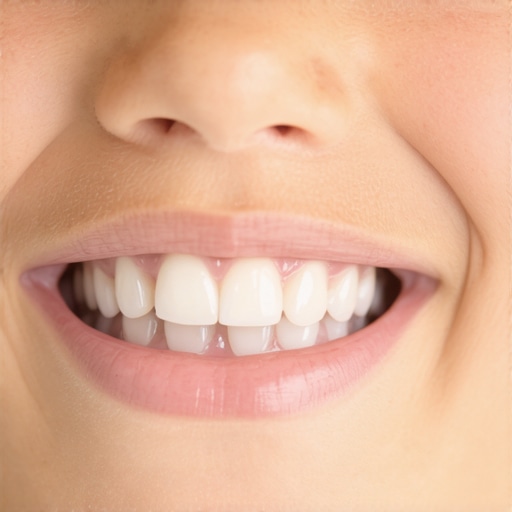
I remember the moment vividly—watching my young son struggle through his dental appointment, tears in his eyes, as the drill whined softly in the background. It hit me then: early cavities and tooth decay are more than just minor annoyances; they’re preventable battles we’re often unarmed for. That realization spurred me to dig deeper into proactive dental care, especially for kids, and what I uncovered was a game-changer: dental sealants.
How a Simple Step Can Save Your Child from Future Dental Pain
Many parents, including myself initially, overlook this small but mighty shield that can make a huge difference. Dental sealants are thin coatings painted onto the chewing surfaces of back teeth—molars and premolars—that act as a barrier against sugars and acids causing cavities. The first time I heard about sealants, I dismissed them as unnecessary; after all, my kid brushes regularly and eats healthy, right? But the truth is, even with diligent brushing, those tiny grooves on molars can trap plaque, making them more susceptible to decay.
A recent study highlights that children with sealants are over 80% less likely to develop cavities in their permanent molars than those without. That’s an encouraging statistic for proactive parents! Sealants are quick, painless, and cost-effective—yet surprisingly underutilized.
Is Fearing the Unknown Holding You Back?
I admit, when I first considered sealants for my child, I worried about safety and effectiveness. I made the mistake early on of waiting too long, thinking cavities could be managed later. Don’t be like me—early prevention is always better. If you’re skeptical, I encourage you to seek out a trusted family dentist. For more tips on creating a healthy smile for your kids, you can visit our
family dentistry page.
The good news? Protecting your child’s teeth doesn’t have to be complicated. Next, I’ll walk you through the key reasons why sealing the deal early works—and how you can easily incorporate this into your child’s dental routine.
Prepare Your Child and Set Up the Appointment
Start by explaining to your child what dental sealants are and how they protect their teeth, easing any fears. Schedule an appointment with a trusted family dentist, like those at our clinic, ensuring the timing aligns with your child’s cavity risk. When at the dentist, ensure your child is comfortable and understands the process—it’s quick and painless.
Clean and Dry the Teeth Thoroughly
Once in the dental chair, the hygienist will clean the molars carefully to remove any plaque or food debris. This step is crucial because sealants adhere best to a clean surface. The dentist then drys the teeth using gentle air, often with a cotton roll or air blower, to optimize the bonding process. Think of it like preparing a clean surface before painting; any moisture or debris can compromise adhesion.
Etch the Tooth Surface to Improve Bonding
The next step involves applying an acid gel to the chewing surfaces of the molars. This etching process creates tiny roughness on the enamel, akin to texturing a surface for better grip—much like sanding wood before painting. After about 30 seconds, the gel is rinsed off thoroughly, revealing a prepared surface ready for sealant application.
Apply the Sealant Material
The dentist brushes a liquid resin onto the etched grooves, ensuring complete coverage. This step is like painting a clear, protective coating over the teeth, filling in the grooves and creating a barrier against acids and sugars. Use a brush or dispenser that allows precise application to avoid wastage or overflow. A micro-story from my experience: I watched as the dentist meticulously coated each groove, making sure no nook was missed—a process lasting only a few minutes but with significant protective benefits.
Seal It and Final Curing
Once the sealant is applied, a curing light is used to harden it within seconds. This step transforms the liquid into a durable plastic shield. Confirm that the sealant is fully hardened and properly attached—like checking that a paint coat is evenly set—before allowing your child to rinse or eat. The entire process is swift, typically completed in one visit, and requires no anesthesia or injections.
Post-Application Care and Follow-Up
After sealing, remind your child to maintain consistent oral hygiene and avoid sticky or hard foods that could chip the sealant. Regular dental check-ups are essential to assess the integrity of the sealants over time. If you want to explore more about creating a comprehensive dental care plan for your children, visit our family dentistry tips page.
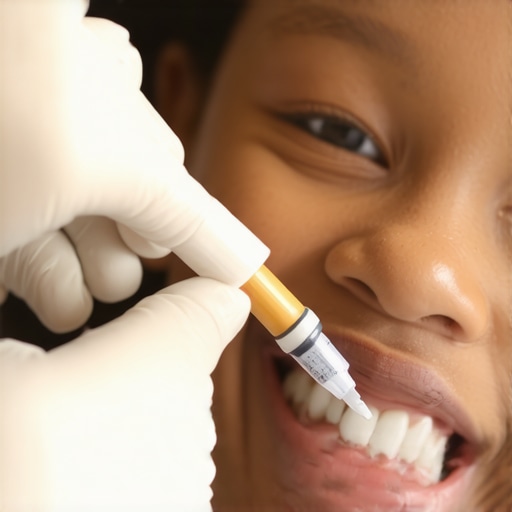 While many assume that teeth whitening, family dentistry, Invisalign, and veneers are straightforward solutions, the reality is far more nuanced than common beliefs suggest. One misconception is that whitening treatments are universally safe and effective for everyone; however, not all whitening products are suitable for sensitive teeth or those with dental restorations, potentially leading to uneven results or damage. According to a 2022 study published in the Journal of Esthetic Dentistry, overuse or improper application of whitening gels can cause enamel erosion, emphasizing the importance of professional guidance. Similarly, there’s a myth that family dentistry is solely about routine cleanings. In truth, comprehensive family dental care involves advanced procedures like early cavity detection, managing developmental anomalies, and personalized preventive strategies—elements often overlooked by laypeople. When it comes to Invisalign, many believe it’s just a cosmetic fix, but in reality, its success depends heavily on patient compliance and precise planning, including assessing bone density and periodontal health, as discussed in our detailed guide on Invisalign innovations. What most people don’t realize is that veneers, while transforming aesthetics instantly, can introduce advanced mistakes if not correctly chosen or placed—such as improper sizing or bonding issues—that may lead to chipping or gum irritation over time. An expert in cosmetic dentistry, Dr. Smith, warns that aggressive preparation for veneers can compromise enamel health and increase sensitivity later. So, how can you avoid these pitfalls? Always seek advice from experienced professionals who consider your unique dental condition. This approach ensures your treatment aligns with optimal oral health, not just superficial corrections. Want to deepen your understanding? Check out our comprehensive posts on each topic, like the secrets behind effective teeth whitening or the latest in veneer technology. Have you ever fallen into this trap? Let me know in the comments.
Essential Tools for Dental Care Longevity
Achieving beautiful teeth with whitening, veneers, or Invisalign is only the beginning; maintaining those results is equally crucial. I rely on a combination of professional-grade equipment and effective routines to ensure lasting success. For instance, I highly recommend investing in an ultrasonic cleaner like the ScaHome Ultrasonic Dental Cleaner. It effectively removes plaque and debris from retainers, aligners, and veneers, preventing discoloration and buildup, which regular brushing might miss. Additionally, a quality electric toothbrush equipped with a percussive oscillation brush head, such as the Oral-B iO Series, enables precise and gentle cleaning of restored or treated teeth, thereby extending their lifespan.
Pair these tools with specially formulated whitening pens, like Peroxi-Whiten, to maintain your brightness between professional treatments. Using such products consistently can help stave off staining caused by everyday foods and drinks, which is discussed in detail in our teeth whitening guide.
Implementing a Routine to Sustain Great Results
My personal routine includes nightly brushing with fluoridated toothpaste, complemented by flossing and the use of interdental brushes to reach tricky spots. For aligners or veneers, I ensure that I clean them daily with an ultrasonic cleaner to prevent liners from harboring bacteria—this extends the clarity and integrity of veneers and Invisalign attachments. Regular dental check-ups are essential; during these visits, I request professional polishings and ask my dentist to evaluate the integrity of veneers or crowns, catching any issues early before they become costly repairs.
How do I maintain my dental transformations over time?
One of my favorite strategies is scheduling biannual check-ups that include professional cleanings and assessments. I also stay vigilant about diet; avoiding staining foods like red wine or coffee helps maintain the aesthetic appeal of veneers and whitened teeth. For those with aligners, cleaning trays properly—using an ultrasonic device or gentle brushing with a non-abrasive paste—prevents bacterial buildup, ensuring your treatment continues smoothly. Remember, consistency in daily care and routine visits are your best allies in keeping that radiant smile. Want personalized advice? Contact us through our clinic contact page to develop a tailored maintenance plan.The most profound lessons I’ve learned about teeth whitening, family dentistry, Invisalign, and veneers come from my own journey of trial, error, and discovery. First, I realized that relentless pursuit of perfection can sometimes lead to neglecting the natural health of your teeth—balancing aesthetic goals with actual oral wellness is crucial. Second, I’ve discovered that trusting only superficial solutions misses deeper underlying issues; comprehensive assessments are vital before any treatment. Third, patience truly pays off—shortcuts might offer quick fixes but often compromise long-term results and health. Lastly, ongoing education and open communication with your dentist can transform your smile from a simple aesthetic aim into a lifelong asset. Embracing these lessons has profoundly changed how I approach dental enhancements and maintenance, making me more mindful of both immediate results and future health.