
Secure Your Smile by Healing the Foundation First
Advanced periodontal care for a lasting foundation.
Surface-level cosmetics fail when the underlying periodontium degrades. We provide clinical insights and advanced protocols to stabilize your gums, regenerate bone, and protect your teeth for the next 30 years.
The Clinical Reality of Foundation-First Dentistry
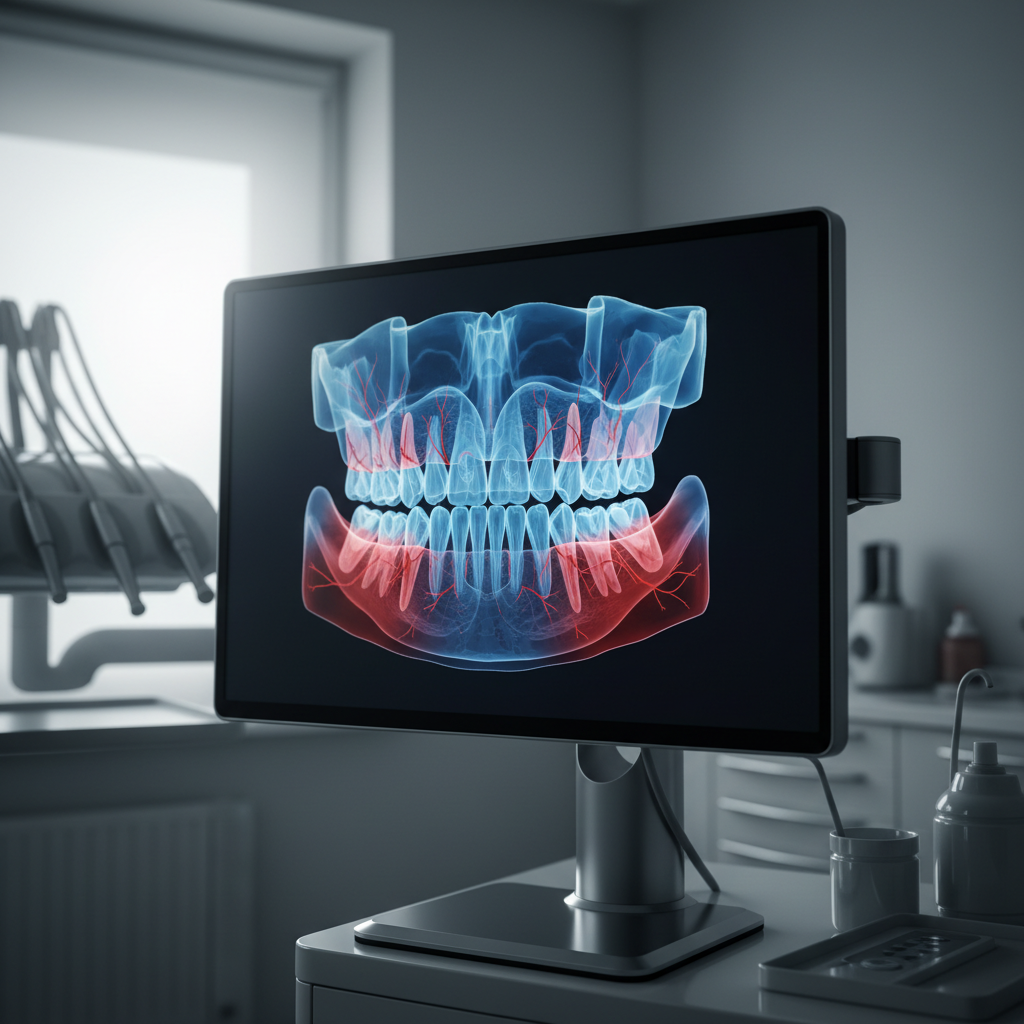
As a cosmetic dentist, I spend my days engineering beautiful smiles. But early in my career, I noticed a frustrating pattern: patients investing thousands in porcelain veneers or crowns, only to face catastrophic failure three to five years later. The restorations did not fail. The foundation did.
I am Farzad Emam, and I created Smile Gum Care to shift the focus from surface aesthetics to the biological ecosystem that sustains them. When bleeding gums, gingival recession, or early-stage periodontitis are ignored, the alveolar bone resorbs. No amount of cosmetic dentistry can survive on a deteriorating structural base.
We publish clinical insights, treatment protocols, and preventative strategies centered entirely on periodontal health. We examine the exact mechanisms of plaque-induced inflammation, the role of subgingival scaling, and the science behind tissue regeneration.
Our mission is to equip patients and practitioners with the knowledge to prioritize the periodontium. Whether you are managing a 4-millimeter periodontal pocket or preparing for full-arch implants, true dental longevity begins below the gumline.
Clinical Insights on Periodontal Ecosystems
Gingival Recession Management
Analyzing the causes of attachment loss and detailing soft tissue grafting techniques to restore the gingival margin.
Alveolar Bone Resorption
Exploring how untreated periodontal disease destroys the jawbone and examining guided bone regeneration protocols.
Subgingival Calculus Removal
Breaking down the mechanics of scaling and root planing to eliminate bacterial biofilms trapped deep in periodontal pockets.
Peri-Implantitis Prevention
Detailing the inflammatory conditions that threaten dental implants and the maintenance routines required to prevent implant failure.
Advanced Periodontitis
Providing evidence-based strategies for managing stage III and IV periodontal disease to prevent tooth mobility and extraction.
Biologic Width Violations
Educating on the critical 2-millimeter zone of soft tissue attachment and how improper crown placement triggers chronic inflammation.
Implementing Foundation-First Protocols
1
Assess Your Periodontal Baseline
Review our clinical guides to understand your periodontal charting. Focus specifically on identifying pocket depths exceeding 3 millimeters and bleeding on probing.
2
Adopt Targeted Intervention Strategies
Apply our evidence-based routines for disrupting subgingival biofilm. Move past basic brushing to targeted interdental cleaning and antimicrobial therapies.
3
Partner with Specialists for Structural Repair
Use our resources to navigate complex procedures like osseous surgery or connective tissue grafts. Bring our clinical questions to your next appointment with a local periodontist.
Clinical Outcomes of Periodontal Stabilization
45-year-old patient with severe attachment loss
Before: Presented with 6mm periodontal pockets and grade 1 tooth mobility on lower incisors.
After: Achieved pocket reduction to 3mm and stabilized mobility via scaling, root planing, and localized antibiotic delivery.
⏱ 12 weeks
60-year-old preparing for full-arch implants
Before: Insufficient alveolar bone density due to decades of untreated gingivitis.
After: Successfully integrated 4 implants following a comprehensive guided bone regeneration protocol.
⏱ 8 months
32-year-old with aesthetic concerns
Before: Chronic gingival inflammation masking the clinical crowns, causing a bleeding smile.
After: Restored tissue health and exposed 2mm of natural tooth structure through laser bacterial reduction.
⏱ 14 days
Frequently Asked Questions
How frequently should I undergo periodontal maintenance?
Patients with a history of periodontal disease require maintenance every 90 days. Bacterial biofilm repopulates subgingival pockets in roughly 9 to 12 weeks, making the standard 6-month prophylaxis inadequate for preventing further bone loss.
Will replacing missing teeth stop my gums from receding?
Replacing a tooth with an implant preserves the alveolar bone by providing necessary mechanical stimulation. However, if active periodontal infection caused the tooth loss, placing an implant without first eradicating the bacteria guarantees peri-implantitis and subsequent implant failure.
Can receded gums grow back naturally?
Gingival tissue does not regenerate on its own once the attachment to the tooth root is lost. Restoring the gumline requires surgical intervention, such as a connective tissue graft or a pedicle graft, to cover the exposed root surface.
Why do my gums bleed only when I floss?
Bleeding during flossing indicates active ulceration of the sulcular epithelium caused by trapped bacterial plaque. This is a primary diagnostic marker for gingivitis and requires immediate mechanical disruption of the biofilm to prevent progression to periodontitis.
Stop Treating the Surface. Heal the Foundation.
Access our complete library of weekly clinical breakdowns on periodontal health, bone preservation, and advanced dental longevity.
Written & Reviewed By
Farzad Emam
| Cosmetic Dentist at My Dental Office & CEO at …
Farzad Emam is a highly accomplished cosmetic dentist with over two decades of
Latest from Our Blog
Why your teeth feel fuzzy an hour after brushing
It was 8:30 AM last Tuesday when I felt it. I had just finished my second cup of coffee, ran…
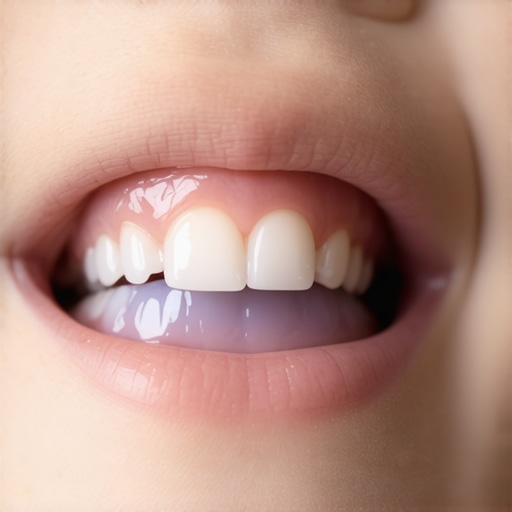
Why your child’s gums look purple where a tooth is coming in
I will never forget the sudden panic I felt when my youngest was about ten months old. I leaned in…
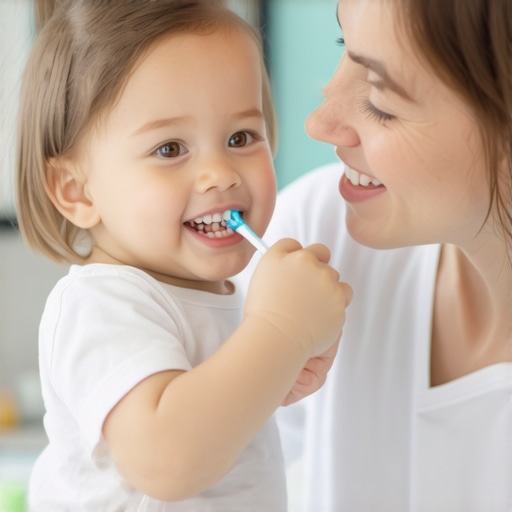
How to stop your toddler from chewing on their toothbrush
I stood there, staring at a brand-new, pediatric-recommended toothbrush that looked like it had been put through an industrial blender.…