
Why Your Teeth Zap After Your Last Professional Whitening
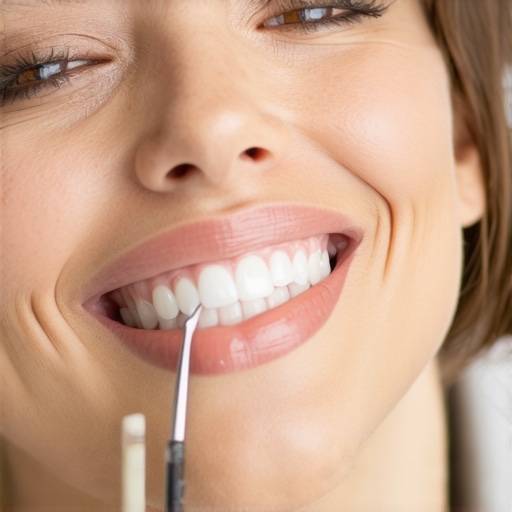
Imagine sitting in the dentist’s chair, all excited about finally brightening your smile. You endure the whitening procedure, and for a brief moment, everything looks perfect—your teeth gleam, and you can’t wait to show off your radiant new look. But then, suddenly, a strange sensation creeps in. Your teeth start to zap or throb, making every bite or sip feel uncomfortable. It’s like your smile has turned against you right after all that effort. Sounds familiar? Well, you’re not alone.
Understanding Why Your Teeth Zap After Whitening
This phenomenon can be baffling and frankly, a little disheartening. I remember the first time I experienced this discomfort after a professional whitening session. I thought maybe I had done something wrong or that my teeth were reacting badly to the procedure. The truth is, there’s a surprisingly common reason behind this sensation, often overlooked.
Teeth sensitivity following whitening is a real issue, affecting many people who seek that perfect, dazzling smile. According to dental experts, it occurs because the bleaching agents temporarily open the tiny pores in your tooth enamel, which increases sensitivity to hot, cold, or even sweet foods. Moreover, if your enamel is already thin or if you have underlying gum issues, the sensations can feel even more intense.
Early on, I made the mistake of assuming the pain was just a part of the process and ignored it. That was a big error. Ignoring sensitivity can sometimes lead to more discomfort or even damage if you’re not careful. Instead, understanding the root cause helps us take better precautions during and after whitening. If you’ve faced this zap-like sensation, don’t worry—there are reliable strategies to soothe your teeth and enjoy your brighter smile without the pain.
Is Teeth Whitening Sensitivity Really That Bad? Here’s What You Need to Know
Many folks worry that whitening will permanently harm their teeth or cause long-term discomfort. While it’s true that some sensitivity is common, it’s usually temporary and manageable. I’ve learned through personal experience—and from dental professionals—that with proper preparation and aftercare, you can minimize or even eliminate this side effect. Up next, I’ll walk you through some simple, effective steps to keep your teeth comfortable after whitening. Want to know more? Check out secrets to a sparkling smile and ensure your whitening journey is smooth and pain-free.
Seal and Protect Your Enamel Immediately After Treatment
Right after whitening, apply a fluoride-rich toothpaste or desensitizing gel to create a protective barrier. I remember when I first tried this—smoothing the gel over my teeth with a clean finger, waiting five minutes, and feeling a noticeable reduction in sensitivity. This simple step helps close those temporarily opened pores, preventing hot or cold stimuli from causing discomfort.
Adjust Your Diet to Avoid Triggering Sensitivity
Embrace a soft-food diet for the first 48 hours post-whitening—think yogurt, mashed potatoes, and smoothies. I once made the mistake of biting into a hard apple immediately after whitening, which aggravated my teeth. By sticking to gentle foods and avoiding extremely hot or cold beverages, you reduce the risk of painful zaps. Interested in maintaining your bright smile long-term? Check out these whitening secrets for 2025.
Use Custom-Formulated Toothpaste for Sensitive Teeth
Opt for toothpaste designed specifically for sensitive teeth—look for ingredients like potassium nitrate or stannous fluoride. My own experience involved switching to a sensitive formula, which gradually alleviated lingering discomfort. Consistent use reinforces the protective layer, reducing sensitivity over time.
Implement Proper Oral Care Techniques
Don’t brush too aggressively—use gentle, circular motions with a soft-bristled brush. I once scrubbed vigorously, which only worsened my sensitivity. Proper brushing minimizes enamel wear and gum recession, both of which can increase sensitivity. Remember, good oral hygiene involves patience and gentle care. Want to learn more about gentle dental practices? Visit family dentistry tips.
Limit or Avoid Acidic Beverages During Recovery
Hold off on citrus juices, sodas, or wine for a few days. Acidic drinks can erode enamel, making teeth more sensitive. I made this mistake during a brunch—chugging orange juice—and my teeth felt worse afterwards. Replacing these with water or alkalizing teas helps maintain enamel integrity. Thinking about boosting your whitening results? Learn more here.
Schedule Follow-up Appointments and Seek Professional Advice
If discomfort persists beyond a few days, consult your dentist promptly. Persistent sensitivity may indicate enamel damage or other underlying issues. During my own visit, my dentist applied a fluoride varnish, which provided instant relief. Regular check-ups ensure your whitening benefits last without compromising your oral health.
Many patients enter their smile makeover journeys with common misconceptions that can lead to disappointment or even dental damage if unaddressed. For instance, a widespread myth is that Invisalign treatment is only for minor misalignments or that anyone can wear braces without considering their bite or jaw structure. In reality, advanced cases often require supplementary interventions, and overlooking these nuances may prolong treatment or compromise results. According to research published in the Journal of Clinical Orthodontics, customization and comprehensive planning are essential for successful invisalign outcomes, emphasizing the importance of an experienced specialist.
Why ignoring the importance of enamel health can backfire on veneer applications
Another misconception centers around veneers: many believe they are a quick fix for any aesthetic flaw, but neglecting the underlying enamel integrity can cause long-term issues such as sensitivity or veneer detachment. Proper preparation, including assessing enamel thickness and strength, is critical. Veneers made simple, that is, with full understanding and meticulous planning, can provide stunning results that last decades—a topic I’ve explored in detail in the guide on making veneers simple.
Keep Your Smile Gleaming with the Right Tools
Achieving a beautiful smile is only the first step; maintaining it requires precision and consistency. Personally, I rely on a combination of professional-grade equipment and specialized software to track my progress and ensure optimal results. One essential tool I recommend is the Ultradent Ergonomic Toothbrush. Its soft bristles and angled head make gentle yet thorough cleaning effortless, which is crucial for preserving the effects of whitening treatments and veneers. Additionally, I use an electric water flosser like the Waterpik Sonic-Fusion Professional to reach areas that traditional brushing might miss, preventing plaque buildup that can dull your smile over time.
From a software perspective, I utilize Invisalign tracking apps to monitor aligner wear compliance and ensure my teeth stay in the desired position. These digital tools help identify early signs of shifting or gum issues, allowing for prompt professional advice. As trends evolve, integrating smart technologies with routine dental care becomes increasingly vital for long-term success.
How do I maintain my smile’s perfection over time?
Consistent upkeep involves a blend of daily habits and periodic professional checkups. I schedule regular cleanings, usually every six months, which not only remove surface stains but also catch minor issues before they escalate. Using a custom-milled nightguard I had made through my dentist shields my veneers and orthodontic work during sleep, preventing accidental damage. Furthermore, I track my dietary habits, avoiding acidic or pigmented foods that can stain or erode enamel—details I learned from insights in teeth whitening secrets for 2025,”
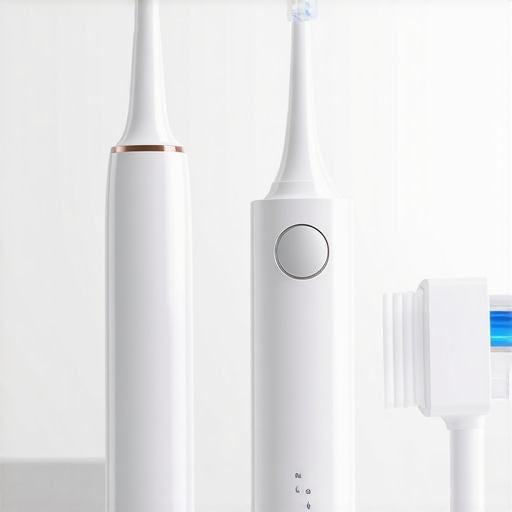
Looking ahead, the future of smile maintenance leans heavily into AI-driven diagnostics and personalized care plans. Techniques like digital smile mapping will allow us to tailor our home routines with even greater precision. As I continue exploring these innovations, I encourage you to incorporate advanced tools—like a high-quality ultrasonic scaler—to elevate your maintenance game. Try using an ultrasonic scaler once weekly; many dentists endorse this for its ability to remove plaque effectively without damaging enamel. For personalized guidance, consult your dental professional and explore options to integrate these tools into your routine—your future smile will thank you!
The Surprising Truth About Teeth Sensitivity Post-Whitening
One of the most eye-opening lessons I learned is that sensitivity isn’t just a temporary annoyance; it’s a signal from your enamel that deserves respect. Ignoring those zaps led me to more discomfort down the line, but by understanding the science—like how bleaching agents open tiny enamel pores—I could take proactive steps. This knowledge transformed my approach, reminding me that patience and proper care are the secret ingredients to preserving that dazzling smile.
Why Rushing Can Cost More Than You Think
I used to think quick fixes and rapid results were the goal, especially with veneers or whitening treatments. But I discovered that rushing often compromises the long-term health of your teeth. Embracing a gentle, methodical routine—like using sensitive toothpaste and scheduling regular checkups—ensures your investment lasts. This shift in mindset has saved me from potential setbacks and helped me enjoy a consistently bright, healthy smile.
Trust the Process—Your Future Smile Depends on It
Deep down, I realized that maintaining a beautiful smile isn’t about perfection overnight but about consistent care and informed choices. Whether it’s selecting the right tools, like a soft-bristled brush, or avoiding acidic foods, every small step adds up. Learning to listen to my teeth’s signals and working closely with my dentist made all the difference in keeping my smile radiant and pain-free.
Curated Insights for Your Smile Transformation
For those eager to take their smile to the next level, I recommend exploring innovative technologies like digital smile mapping which personalize your treatment plan. Additionally, trusted resources like expert advice on making veneers simple can help you make informed decisions. And don’t overlook quality tools such as the Ultradent ergonomic toothbrush, which I swear by for gentle, effective cleaning that preserves your hard-won results.
Your Smile Is Your Personal Power—Share It Boldly
Remember, a bright, healthy smile is a reflection of self-care and confidence. Embrace the journey, learn from every zapping sensation, and celebrate each improvement. Your future smile awaits, and it’s never too late to start building it today. What’s one step you’re excited to take for your smile? Share your thoughts below and let’s grow together on this inspiring journey of dental wellness!
,