
Why Your Tongue Always Finds That One Rough Spot on Your Veneer
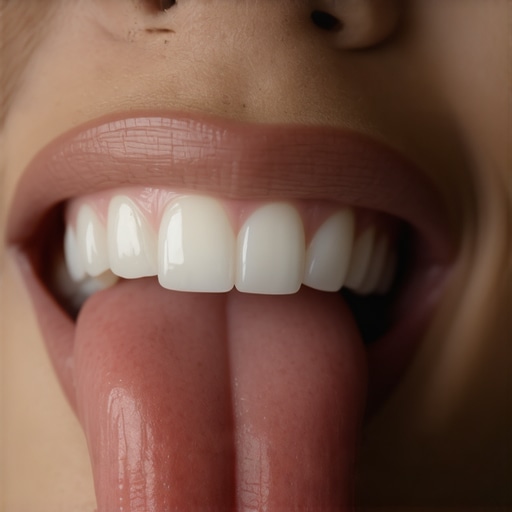
It hit me one morning—woke up, ran my tongue over my smile, and suddenly, I was painfully aware of that tiny, rough patch on my veneer. Not a sharp edge, no visible chip, but enough to make my tongue linger and feel irritated all day. I had been ignoring it for weeks, convincing myself it was just a minor imperfection. But that morning, it became clear: this little rough spot was more than just cosmetic. It was a irritant, a nuisance, and honestly, a disappointment for someone who prides a lot on their smile.
Understanding Your Tongue’s Sensitivity to Veneer Flaws
As someone who’s navigated the world of veneers, I’ve learned that our tongues are surprisingly perceptive. They detect even the tiniest irregularities in our dental work—something as small as a rough patch can feel like a mountain across your tongue. The problem is, many of us brush it off, thinking it’s a normal part of the adjustment phase after getting veneers. But what if it’s not? What if that rough area isn’t just a temporary annoyance but a sign of an underlying issue that needs addressing?
I want to share my personal journey from ignoring that troublesome spot to understanding why it happens and, more importantly, how to fix it. And trust me, tackling this problem isn’t just about comfort; it’s about maintaining the integrity and longevity of your veneers. Ever experienced a similar sensation and wondered if it’s something serious? You’re not alone.
Is Your Veneer Roughness Actually Worth the Worry?
One mistake I made early on was assuming that a rough spot on my veneer would smooth itself out over time. Turns out, that was a mistake. Small imperfections can sometimes be caused by improper placement or material issues, which won’t resolve on their own and can even lead to discomfort or damage if left untreated. According to dental experts, paying attention to these minor irregularities early can prevent future, more costly repairs. So, if you’ve felt that roughness, don’t brush it off—treat it as a sign that something needs professional attention.
Have you ever encountered this issue with your veneers? If so, I encourage you to explore what might be causing it and how to address it effectively. Next, I’ll walk you through some practical steps—based on my own experience and expert advice—to smooth out those rough patches and restore that perfect smile you’re working so hard to achieve.
Evaluate the Damage Carefully
Start by examining the rough patch with a mirror and your tongue. Use a clean dental mirror if possible to get a clearer view. Check if it feels sharp or catches your tongue, which could indicate a chipped or misaligned veneer. During my own experience, I noted that pressing gently with a clean finger helped determine if the roughness was superficial or deeper. This initial assessment guides whether a simple polishing or professional correction is needed.
Maintain Strict Oral Hygiene to Prevent Further Damage
Before attempting any fixes, ensure your mouth is thoroughly cleaned. Brushing twice daily with a soft-bristled toothbrush and flossing helps remove plaque and debris around the veneer edges. Avoid using abrasive whitening pastes that can wear down the veneer surface. I found that rinsing with an antiseptic mouthwash reduced irritation and kept the area clean, thus minimizing the risk of corrosion or plaque buildup damaging the veneer further. For tailored advice on whitening safety, check out teeth whitening secrets.
Identify the Location and Cause of the Roughness
Determine whether the rough patch is on the surface or at the edge of the veneer. Common causes include material micro-chipping, improper polishing, or slight misalignment. During my trial, I noticed that a rough edge felt like a tiny protrusion, which sometimes caught my tongue during speech. Recognizing the cause helps decide if it can be buffed down at home or requires professional intervention.
Use Professional Polishing Tools Carefully
If the rough spot is superficial, a dental professional can smooth it out using fine-grit polishing burs or diamond-impregnated Polishers. Never attempt to buff or file the veneer yourself, as improper tools can cause irreversible damage. I made the mistake of trying a DIY approach with a nail file once, which worsened the roughness. Instead, schedule an appointment through this contact page for safe, expert polishing.
Consider Minor Adjustments with Bonding
For minor chips or uneven edges, a dentist may recommend adding composite resin bonding. This involves applying a tooth-colored material to reshape and smooth out the veneer surface. During my visit, a quick bonding session eliminated the roughness, restoring comfort and aesthetics. This method is quick, effective, and minimally invasive—check out veneers simplification tips for more insights.
Address Underlying Issues to Prevent Recurrence
Rough patches may recur if underlying causes aren’t handled. Examine your biting habits, avoid biting on hard objects, and steer clear of aggressive brushing. Regular dental check-ups further ensure that the veneer remains intact and smooth. If the problem persists, discuss options like re-bonding or replacement with your dentist. For alternative cosmetic options, explore veneers and their maintenance.
Many individuals believe that teeth whitening, family dentistry, Invisalign, and veneers are straightforward procedures with guaranteed results. However, as a dental expert, I’ve observed common misconceptions that can lead to disappointment or even harm. For example, it’s a myth that over-the-counter whitening strips deliver the same results as professional whitening; in reality, amateur products often contain uneven concentrations that can cause sensitivity or uneven coloring (see professional whitening truths).
Another trap is assuming that all veneers are permanent and require no maintenance. The reality is, many veneer failures stem from neglecting proper oral hygiene or choosing inappropriate materials. Advanced practices suggest that material micro-chipping often results from improper bonding or polishing—issues that only a true professional can rectify effectively.
When considering Invisalign, a common misconception is that they are invisible and completely discreet. While they are less noticeable than traditional braces, many overlook the importance of proper tray care; neglecting cleaning can cause staining or odors, counteracting their aesthetic benefits. For sophisticated users, understanding the material’s porosity and its interaction with dietary habits can make a significant difference. Have you ever fallen into this trap? Let me know in the comments.
A nuanced point often missed is about family dentistry: some assume that regular pediatric visits are only necessary when cavities appear. In fact, early preventive care—including sealants and fluoride treatments—can drastically reduce future dental issues and promote lifelong health (more tips are in family dentistry advice).
Make no mistake—these procedures and maintenance routines have subtle complexities that can either enhance or undermine your smile’s longevity. The secret sauce lies in understanding the nuances, choosing experienced professionals, and maintaining consistent oral health practices. Remember, quick fixes and superficial approaches often overlook these critical details, leading to costly repairs down the line. Want to dive deeper into professional tips that save time and money? Check out veneers made simple or schedule your consultation through this contact form. Confidence in your dental choices comes from mastering these hidden nuances—don’t settle for less.Maintaining your dental improvements requires not just good habits, but also the right tools and techniques that ensure longevity and optimal results. One device I rely on daily is a **sonic toothbrush**, specifically the **Oral-B iO Series**. Its oscillating-rotating technology delivers gentle yet thorough cleaning, especially around veneers and implants, reducing plaque buildup and preventing staining. Personally, I find its pressure sensor invaluable—warning me when I’m brushing too hard, which can cause micro-damage over time. Another essential tool is a **water flosser**, like the **Waterpik Orbital**. It’s gentle on gums but highly effective at dislodging debris from hard-to-reach areas, which is crucial for maintaining orthodontic appliances like Invisalign.
For tracking my dental health progress, I use **Dentem’s Dental Monitoring App**, which allows my dentist to review photos and suggest adjustments remotely. This saves trips and ensures consistent care. Looking ahead, I believe the trend will shift towards **AI-powered home dental assessment kits** that can detect early signs of decay or gum disease—imagine a device that analyzes saliva samples or mouth scans and alerts you to potential issues before they become serious.
**How do I maintain my dental tools over time?** Regular cleaning is non-negotiable. Sonic toothbrush heads should be replaced every three months, and water flossers need thorough descaling every few weeks using vinegar solutions. Battery life and device hygiene directly impact their efficiency and your oral health. I also recommend keeping a **small ultrasonic cleaner**—it fits on your counter and uses ultrasonic waves to thoroughly disinfect toothbrush heads and appliance parts, ensuring they stay free of bacteria.
If you’re serious about protecting your investment in cosmetic and restorative procedures, integrating these tools into your routine can make a significant difference. For example, using the **Oral-B iO’s** smart technology can help you identify areas missed during brushing, preventing plaque accumulation around veneers or implants. Want to elevate your dental care? Consider trying an **ultrasonic cleaner** for your tools—it’s an underrated step that can extend the lifespan of your equipment and keep your mouth healthier. Check out more about advanced dental maintenance routines and schedule your professional follow-up through this contact page. Proper tools coupled with consistent maintenance are the foundation for a lasting, beautiful smile.
The Hidden Lessons That Transformed My Smile Approach
One of the most eye-opening realizations was realizing that small veneer imperfections aren’t just superficial issues—they can be early signs of deeper problems. Ignoring tiny rough spots can lead to more extensive repairs later. The second lesson was understanding the importance of proactive communication with your dentist; voicing concerns early avoids unnecessary discomfort and expenses. Lastly, I learned that investing in quality tools for daily oral hygiene—like sonic toothbrushes—makes a significant difference in preserving your veneers, proving that consistent, mindful care outperforms quick fixes every time.
Tools and Resources That Elevate Your Veneer Journey
For maintaining veneers and overall dental health, I rely on the latest Invisalign advancements to keep my smile aligned and healthy. I trust the Veneers Made Simple resource for expert advice on upkeep and repair strategies. When it comes to daily tools, the Waterpik Orbital delivers effective cleaning without damaging sensitive surfaces. Combining professional guidance with quality tools ensures that my final results last for decades, and I believe that embracing these resources can help anyone take their veneer maintenance seriously.
Your Smile’s Future Starts Today
Remember, every small effort counts toward a vibrant, enduring smile. Don’t wait until a rough patch turns into a costly repair—be proactive, stay informed, and invest in proper tools and expert advice. Your best smile isn’t just a goal; it’s a journey you can start right now. So, are you ready to take control of your dental health and elevate your veneer care game? Your future self will thank you—and so will your reflection. If you’ve faced similar issues or have tips to share, I’d love to hear your thoughts below.
,