
Why Your Gums Throb After Drinking Cold Water
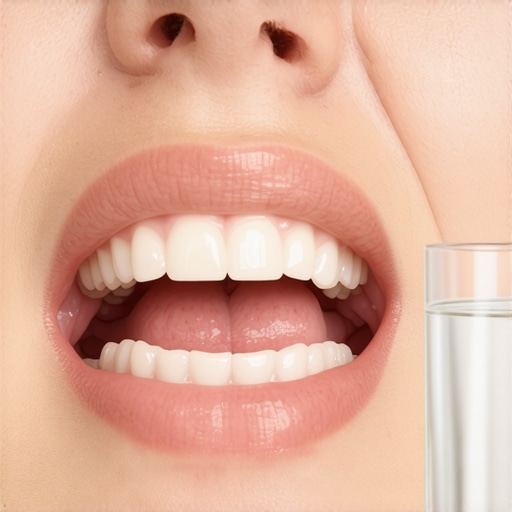
It was during a simple morning sip of my favorite iced coffee that I first noticed that familiar, uncomfortable throb in my gums. Nothing else about that moment changed; the coolness of the water was the same as always. Yet, suddenly, my gums ached fiercely, almost like they were protesting against the chill. I thought maybe I had just bitten into something hard or brushed too vigorously, but the pain persisted, making every sip a little bit of a gamble.
That experience was a wake-up call for me, a reminder that even the seemingly minor sensitivities can signal underlying issues. If you’ve ever felt your gums throbbing after drinking cold water, you know it’s not just an irritation—it’s an unmistakable sign that something’s off. You might wonder, “Is this normal? Do I need to see a dentist right away?” Well, I’m here to tell you that you’re not alone, and more importantly, there are proven steps to address this discomfort.
Today, we’re going to delve into why your gums might be throbbing after cold drinks and what you can do to soothe them. Whether it’s a temporary reaction or a sign of a deeper problem, understanding the causes and solutions can make a real difference in your oral health.
Deciphering the Cold Water Gum Throb
Gum sensitivity to cold is actually quite common, but it can also be alarming when it starts happening unexpectedly. The most straightforward reason is that the protective enamel layer on your teeth has thinned, exposing the sensitive dentin underneath. This exposure triggers nerve reactions when cold substances contact your teeth and gums.
However, the story isn’t always that simple. Sometimes, persistent throbbing indicates inflammation, gum disease, or even microfractures in your tooth structures. In my early days, I made the mistake of ignoring mild discomfort, thinking it would go away. That was a mistake. Ignoring symptoms like these can lead to more serious issues down the line. Experts warn that untreated gum problems can accelerate and cause significant pain or even tooth loss (American Dental Association, 2020).
Is this throbbing actually worth worrying about? Or is it just a temporary glitch? Let’s explore some common causes and see if your experience aligns with any of these explanations.
Pinpoint the Cause
Begin by examining your dental history and current habits. For example, note if you recently started eating more acidic foods or if you’ve increased your intake of cold beverages. I recall a time I shifted to iced drinks daily, and my gums started throbbing after each sip. Recognizing this pattern helped me identify sensitive areas needing attention.
Inspect Your Oral Hygiene Routine
Ensure you’re brushing gently with a soft-bristled brush, especially around gum line areas. Over-aggressive brushing can wear down enamel and inflame gums, heightening sensitivity. During my last dental visit, I learned that using a medium toothbrush caused micro-abrasions, leading to cold sensitivity. Switching to a soft brush significantly reduced my discomfort.
Utilize Desensitizing Products
Choose toothpaste formulated for sensitive teeth, applying it consistently. These toothpastes contain compounds that block nerve sensations; they can be as effective as professional treatments. Once I started using a sensitivity toothpaste, the numbing effect made cold drinks more bearable. Applying a small amount before drinking takes only a few seconds but offers immediate relief.
Adjust Your Diet
Cut back on extremely cold, hot, or acidic foods temporarily. For example, replace ice-cold water with room-temperature herbal teas during sensitive periods. I noticed my symptoms worsened when I drank ice water after a workout. Switching to lukewarm beverages reduced the trauma to my nerve endings and helped my gums recover faster.
Seek Professional Advice
If the throbbing persists despite these steps, consult your dentist promptly. They can evaluate if enamel erosion is severe or if there’s underlying gum disease. In my case, a professional cleaning and fluoride treatment eased my pain significantly. They might also recommend options like veneers or laser treatments to protect sensitive areas. For more advanced solutions, you might explore veneers or consider orthodontic options like Invisalign to correct structural causes of sensitivity.
Prevent Future Discomfort
Once you’ve addressed the immediate symptoms, establish a routine to protect your gums. Regular dental checkups, ideally twice a year, are essential. Also, avoid excessive use of whitening products that can strip enamel, increasing sensitivity. Learn more about whitening secrets at this page. Proper hydration and balanced diets support overall oral health, reducing the likelihood of sensitivity flare-ups.
 Many assume that cosmetic procedures like veneers and teeth whitening are quick fixes that can be applied without much thought. However, the reality is far more nuanced, and common misconceptions can lead to costly mistakes. For instance, a widespread myth is that veneers are purely superficial and don’t require consideration of underlying dental health. In fact, failing to evaluate and treat issues like decay or gum disease beforehand can result in veneer failure or even more severe problems later. Experts emphasize comprehensive assessments before initiating cosmetic treatments (American Academy of Cosmetic Dentistry, 2019). Sometimes, people underestimate the importance of personalized treatment plans, believing that what works for someone else will work for them too. But individual factors such as enamel thickness, bite alignment, and periodontal health play critical roles and must be carefully tailored.
Another common trap is in the realm of Invisalign—many think that aligners are a set-it-and-forget-it solution. In reality, improper wear or neglecting auxiliary care can prolong treatment or cause discomfort. Overlooking the need for periodic checkups with your dentist can compromise results, and neglecting to clean aligners thoroughly can lead to bacterial buildup, impacting oral health.
When it comes to teeth whitening, a prevalent misconception is that over-the-counter products are equally effective as professional treatments. In truth, DIY options may only address surface stains temporarily and can even damage enamel if misused. Professional whitening, on the other hand, offers controlled, safer results with longer-lasting effects. Be cautious of extreme claims in marketing; for instance, purple toothpaste for immediate whitening is an unsupported quick fix that can erode enamel (Smile Science Lab, 2020).
A recurring mistake across all these areas is the neglect of an initial thorough diagnosis. Skipping this step can lead to treatments that mask symptoms while underlying issues worsen. An advanced concern is the potential for veneers or whitening to exacerbate sensitivity if pre-existing conditions aren’t managed properly. For example, aggressive whitening can weaken enamel, increasing susceptibility to sensitivity or decay if not supervised by a professional.
Are you aware of how personalized your dental care should be? A one-size-fits-all approach rarely delivers optimal results. To understand your options better, explore comprehensive guides like Veneers Made Simple or Invisalign insights. Remember, every mouth is unique, and consulting with qualified professionals ensures your treatment aligns with your specific needs and prevents common pitfalls.
Would you risk applying treatments without proper guidance? Share your stories or questions below—let’s discuss how to avoid these costly mistakes!Achieving a radiant smile through veneers, Invisalign, or teeth whitening is just the beginning; keeping it that way requires dedicated maintenance and the right tools. Personally, I rely on high-quality electric toothbrushes like the Philips Sonicare DiamondClean, which offers superior plaque removal and gentle gum care thanks to advanced sonic technology. Regular use of such devices ensures that my dental work stays pristine and reduces the risk of plaque buildup that can compromise treatments. Another essential tool I recommend is the Waterpik Water Flosser, which effectively reaches areas around veneers and braces where traditional floss might struggle, helping prevent gum disease and decay over time.
Professionally, I schedule periodic checkups to assess the health of my restorations and catch any issues early. During these visits, my dentist often applies fluoride treatments, reinforcing enamel and decreasing sensitivity, especially after whitening sessions. It’s fascinating to see how newer materials like bioactive glass (like NovaMin) actively assist in remineralization, extending the lifespan of veneers and natural teeth alike. Implementing a routine that incorporates these advanced tools and materials has markedly improved my long-term results.
Predicting future trends, I believe personalized dental monitoring through digital tools will become commonplace. Innovations like intraoral scanners and AI-driven diagnostics will enable real-time assessments, allowing for more precise maintenance and early detection of problems before they escalate.
How do I maintain my dental enhancements for the long haul? The key lies in consistent care and leveraging technology. For example, investing in a leave-in whitening pen helps maintain brightness between professional treatments, while smartphone apps connected to dental devices can remind me of daily cleaning routines.
For those serious about preserving their smile, I recommend exploring educational resources like the detailed guides on veneer maintenance available at Veneers Made Simple. These tools and techniques form a comprehensive approach to dental health that can significantly enhance the durability of your cosmetic investments. Remember, the real secret to long-lasting results isn’t just the initial treatment but a disciplined maintenance routine supported by the right equipment. So, why not try incorporating an electric water flosser today—your gums will thank you for it! 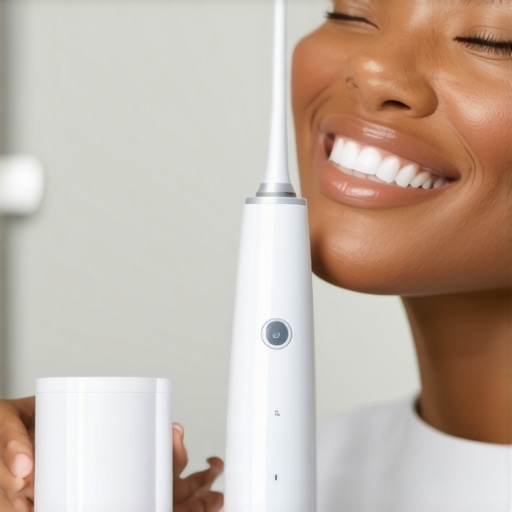
Lessons the Smile Industry Keeps Under Wraps
One of the biggest realizations I had was that not every smile transformation is a one-size-fits-all solution. I once believed that veneers were a quick fix for crooked or stained teeth, but I learned that overlooking the health of your gums can lead to costly failures down the line. Similarly, trusting generic whitening products without understanding their impact on your enamel can set back your progress more than you’d expect. Discovering these nuances early on saved me from potential setbacks and made me appreciate the importance of personalized dental care.
Another insight is that cosmetic procedures often come with hidden challenges. For instance, I hadn’t realized how much your bite alignment influences the longevity of Invisalign aligners. Ignoring these details can cause discomfort or longer treatment times. It pays to consult specialists who evaluate your unique dental landscape rather than following generic advice. This proactive approach ensures your investment in smile makeover treatments yields lasting satisfaction.
Finally, I learned that maintaining a brilliant smile involves more than just the procedure. Regular professional checkups, using recommended tools, and understanding how lifestyle choices affect your dental work matter immensely. For example, keeping a routine with a soft-bristled brush or exploring advanced remineralization options has made my smile more resilient. Remember, the true value lies in ongoing care, not just the initial transformation.
Must-Have Tools and Resources for a Radiant Smile
To support my journey, I rely on a handful of trusted tools that have proven effective. The Philips Sonicare DiamondClean electric toothbrush is a game-changer for thorough yet gentle cleaning, especially around veneers and aligners. Pairing it with a Waterpik Water Flosser ensures that no plaque or debris sneaks into hard-to-reach areas, safeguarding my investments in cosmetic work.
Beyond tools, I highly recommend engaging with expert-curated content. The comprehensive guide Veneers Made Simple offers insights that have helped me understand what’s involved in maintaining and enhancing my veneers over the years. Likewise, exploring Invisalign innovations opened my eyes to new possibilities for gentle, effective orthodontic corrections.
For whitening, the secrets shared at this resource emphasize safe and sustained results, steering me away from questionable over-the-counter options. Remember, the right tools and knowledge form the cornerstone of a confident, healthy smile that lasts.
Your Smile Journey Starts Today
Taking that first step towards the smile you desire is a personal decision—one that’s best informed by trusted experts and reliable resources. Whether you’re considering veneers, Invisalign, or whitening, always prioritize health and individual needs over trends or quick fixes. The future of smile enhancement is increasingly personalized, blending technology and holistic care for optimal results. So, don’t wait—embark on your smile renovation with confidence, knowing you’re equipped with the best insights available.