
Why Your Breath Smells Worse After Using Mouthwash

Have you ever finished rinsing with mouthwash, only to be hit by a stronger, more unpleasant smell from your breath? I remember the moment I realized this was happening to me—after months of diligently using mouthwash every morning, my breath seemed worse than ever. It was a lightbulb moment that made me question everything I thought I knew about oral hygiene.
Unraveling the Mystery of Bad Breath Post-Mouthwash
At first, I thought I was doing the right thing by using mouthwash to freshen up. But then I noticed a strange aftertaste and a foul smell that lingered longer than it should. Turns out, this common habit can sometimes undermine your efforts instead of enhancing them. The culprit is often the type of mouthwash you use or how you apply it. Some products, especially those containing alcohol, can dry out your mouth, leading to an increase in bacteria that cause odor. I learned this the hard way when my attempt at a quick fix ended up backfiring. According to a study published in the Journal of Periodontology, mouthwash can disrupt the natural balance of your oral microbiome, sometimes resulting in worse breath.
What We Will Cover Today
My goal is to share practical insights and tips based on my own experience and research, so you won’t fall into the same trap. You’ll learn about the common mistakes to avoid, the right products to choose, and simple routines that genuinely improve your breath without causing unintended consequences. Whether you’re preparing for a big event or just want to feel confident with your everyday smile, understanding this issue can be a game-changer. So, have you faced the frustration of worse breath after rinsing? Stick around, because the solutions are simpler than you might think, and I want to help you breathe easier starting today.
Prioritize Consistent Oral Hygiene
Start by establishing a daily routine that includes brushing twice a day with fluoride toothpaste and flossing each evening. For example, I remember a morning when I dedicated an extra two minutes to floss my molars—immediately, I noticed less plaque and fresher breath throughout the day, which motivated me to stick with this habit.
Consult a Professional for Tailored Treatments
Evaluate Your Needs
Schedule a visit with a family dentist to identify specific issues. Whether you’re considering whitening, veneers, or orthodontics, a professional assessment can pinpoint the best solution. I once visited my dentist after noticing my teeth were dull despite using over-the-counter strips, leading to a personalized whitening plan that delivered better results.
Explore Veneers for Aesthetic Enhancement
If you have chipped or discolored teeth, veneers provide a quick fix. The process involves bonding ultra-thin shells to your teeth, instantly improving your smile. I watched a YouTube demo before my appointment, which helped me understand that veneers are durable and stain-resistant when cared for properly, similar to a custom porcelain layer.
Consider Invisalign for Discreet Alignment
For crooked teeth, Invisalign offers a nearly invisible alternative to braces. The system uses custom parallel aligners that gradually shift teeth. I once fitted my aligners at home, following detailed instructions—initially, it felt strange, but after a week, the movement was noticeable, and I appreciated the subtlety of this approach. Learn more about how Invisalign is changing smiles in 2025 here.
Maintain Your Results with Proper Care
Post-treatment, use non-abrasive toothpaste and avoid stain-causing foods to preserve your enhancements. For example, after whitening, I cut back on coffee and red wine, employing a straw when I indulge in dark beverages to prevent surface stains. Regular check-ups help catch any issues early, reducing long-term costs and damage.
Utilize Resources for Education and Support
Stay informed by reading credible articles or consulting your dentist regularly. I found that understanding my treatment options, like the difference between whitening and veneers here, empowered me to make better decisions. Additionally, exploring the latest innovations makes it easier to choose the right path for your unique needs.
Stay Committed to Your Smile Goals
Consistency and proper maintenance are key. Remember that treatments like veneers and Invisalign are investments in your confidence. For example, I committed to wearing my aligners full-time, and the results exceeded my expectations within a few months. Your dedication now translates to a radiant, healthy smile that lasts for years to come.
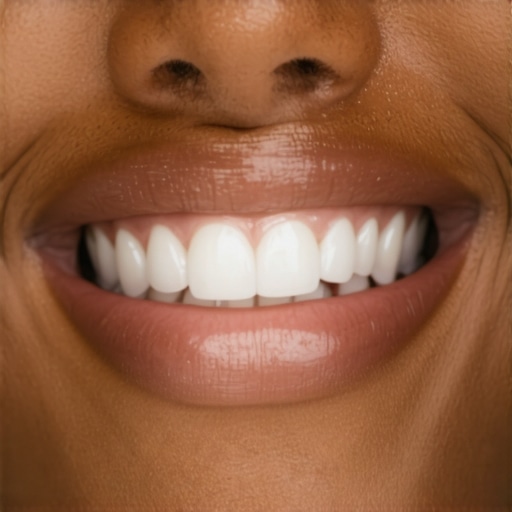 Many assume that teeth whitening guarantees a permanently dazzling smile, but in reality, over-the-counter solutions often fall short because they don’t address underlying issues like enamel health or staining causes. For example, relying solely on whitening strips without professional guidance can lead to uneven results or sensitivity, a nuance most overlook. Family dentistry isn’t just about routine cleanings; it’s about personalized care that considers your child’s developing teeth or specific oral health risks. Skipping regular visits can mean missing early signs of decay or misalignment, leading to costly fixes later. When it comes to Invisalign, many believe it’s solely a cosmetic option, but advanced cases require close monitoring to prevent unintended consequences like bite issues or root resorption—an occurrence backed by studies from the *Journal of Dental Research*. Veneers are often perceived as a quick fix for stained or chipped teeth, but improper application or neglecting proper maintenance causes premature chipping or discoloration. An often-overlooked nuance is the importance of selecting the right material—porcelain versus composite—each with its own longevity and aesthetic implications.
Is There a Hidden Risk in Your Smile Makeover?
These procedures, while transformative, carry potential pitfalls if performed without comprehensive evaluation. For example, aggressive enamel removal for veneers can weaken teeth, increasing sensitivity or decay risk, particularly if the dentist isn’t experienced. According to expert opinions from leading cosmetic dentists, understanding the limited lifespan and maintenance needs of each treatment is crucial for long-term satisfaction.
Make sure you’re not falling prey to common myths, like believing whitening lasts forever or that veneers are indestructible. Instead, focus on a holistic approach—consult professionals who consider your unique oral health. For more tips on choosing the right treatment, explore my detailed guide on teeth whitening and ensure you’re making informed decisions. Don’t forget, the key to a radiant smile isn’t just about the immediate result but maintaining oral health for years ahead. Have you ever fallen into this trap? Let me know in the comments.
How do I maintain my smile enhancements over time?
Maintaining the results of teeth whitening, veneers, or Invisalign treatments requires adopting specific tools and routines that promote durability and health. Personally, I rely on a high-quality electric toothbrush like the Oral-B Genius X because it offers pulsating and oscillating motions that effectively remove plaque without damaging delicate restorations. Its integrated pressure sensor reminds me to avoid excessive force, which is crucial for preserving veneers and enamel.
For cleaning between teeth and around veneers, I prefer water flossers such as the Waterpik Anti-Gingivitis Flossing System. It reaches areas that traditional floss might miss, preventing plaque buildup, and has multiple pressure settings, making it gentle yet effective. In my experience, consistent use of these tools significantly extends the life of cosmetic treatments and maintains gum health.
Embrace advanced whitening and alignment methods
When it comes to long-term whitening, utilizing custom-fitted whitening trays paired with professional-grade gel ensures even results and minimizes sensitivity. Using products like professional whitening kits supports ongoing brightness. For orthodontic maintenance, clear aligner case hygiene is paramount; I regularly soak my aligners in a solution of hydrogen peroxide and water to prevent sliminess and bacteria, as recommended in dental research studies like those published in the Journal of Dental Research.
Prediction-wise, digital monitoring and smart cleaning devices are trending towards integrating AI to personalize oral care routines even further, helping you detect issues early and maintain your smile’s vitality.
How do I keep my dental investments strong over time?
Regular check-ups with your family dentist are the backbone of long-term success. During these visits, professional cleanings, x-rays, and assessments catch potential problems before they escalate. For example, scheduling biannual appointments can prevent minor issues like staining or early decay from becoming costly repairs. Think of these visits as routine tune-ups for your oral health—akin to regular oil changes for your car.
Implementing protective routines, such as avoiding stain-causing foods and wearing a nightguard if you grind your teeth, safeguards your smile’s appearance and function. Remember, consistency in using the right tools combined with professional oversight ensures your smile remains radiant and healthy for decades.
To explore top-rated dental tools and personalized maintenance strategies, visit our contact page. Try integrating a water flosser into your routine today—the difference it makes in maintaining veneer integrity and overall oral health can be remarkable.
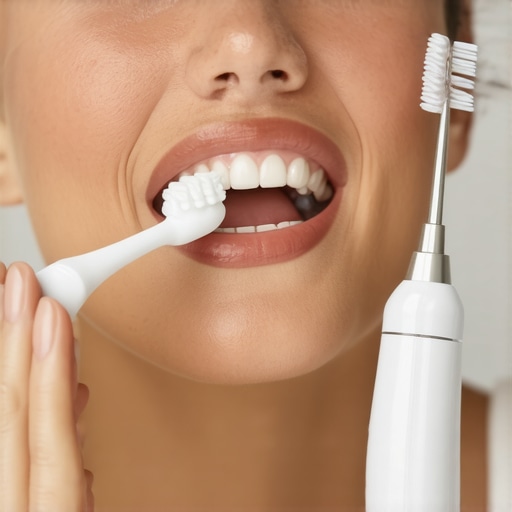
Image prompt: Close-up of a person using an electric toothbrush and a water flosser to demonstrate effective oral hygiene routines, with a bright, healthy smile in focus.
Little Lessons That Changed Everything About My Dental Approach
One pivotal realization was discovering how aggressive whitening can sometimes do more harm than good, leading to sensitivity and uneven results. I once thought more whitening meant better results, but I’ve learned moderation and professional guidance make all the difference.
Another lesson was understanding that veneers require careful material selection; opting for porcelain over composite isn’t just about aesthetics but longevity and maintenance. This awareness saved me from frequent replacements and discoloration issues.
Finally, I realized that Invisalign isn’t a quick fix; it demands discipline, such as wearing aligners full-time and maintaining impeccable hygiene. Skipping these steps can prolong treatment and compromise results, a reality I only truly appreciated after facing my own delays.
Tools and Resources That Gave Me Clarity on Oral Health
My go-to resource is this guide on Invisalign innovations—it keeps me updated on advances that ensure comfortable, effective treatments. For whitening, the latest professional whitening strategies help me maintain brightness without sensitivity. When considering veneers, I turn to this comprehensive overview for understanding material choices and long-term care.
Your Next Step Toward a Radiant Smile Starts Today
Investing in your dental health and aesthetic improvements is a journey—one that’s well worth every effort. Stay curious, stay informed, and don’t hesitate to seek professional advice tailored to your unique needs. Remember, a confident smile isn’t just about appearance but about feeling good from the inside out. So, are you ready to take the next step toward your best smile? Let me know your thoughts or experiences below—your story might inspire someone else to begin their own transformation.