
Why Your Fillings Feel Sensitive When You Eat Sweets
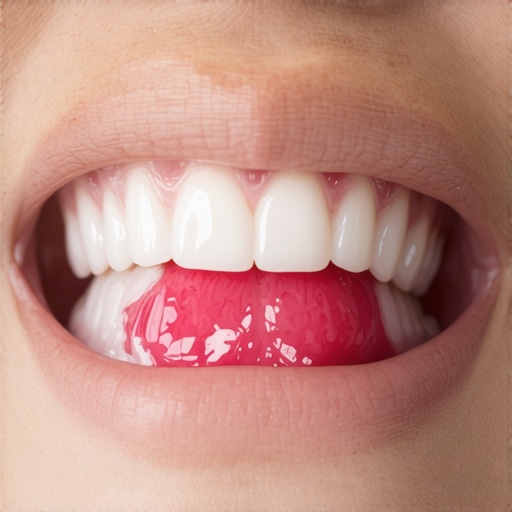
Have you ever taken a bite of something sweet and felt a sharp jolt of pain in a tooth that recently had a filling? I remember the first time it happened to me—my eyes widened, and I thought, “Did I ruin it? Is my tooth breaking apart?” Honestly, I felt a mix of frustration and worry. That unsettling sensitivity can catch you off guard and make you second-guess your favorite treats.
Unearthing the Real Cause of Fillings and Sweet Sensitivity
That lightbulb moment came when I learned that some dental materials, especially when placed without careful technique, can leave tiny gaps or become sensitive over time. Our teeth are incredibly complex, and even a small imperfection can turn eating candy or sipping hot coffee into a painful experience. Early on, I made the mistake of ignoring persistent sensitivity, thinking it would go away on its own. But I soon realized that addressing it requires understanding what’s happening beneath the surface, not just masking the pain.
Is All Sensitivity a Sign of Trouble?
One of my biggest fears was damaging this new filling or worse—developing an infection. But the truth is, sensitivity after a filling isn’t always alarming. Sometimes, it’s a normal part of the healing process, especially if the filling was extensive or involves deep decay removal. However, if the pain persists or worsens, it’s a clear sign you should consult your dentist. Interestingly, a study from the American Dental Association highlights that about 20% of patients experience some degree of sensitivity after dental restorations, which often improves with time or minor adjustments.
So, how do we navigate this? That’s what I’ll share next—simple, effective ways to reduce discomfort and protect your fillings while maintaining a sweet, enjoyable diet. If this sounds familiar—that you’ve felt this way or are worried about your dental health—stick around. There’s a lot we can do to make your smile not just look good but feel good, too.
Addressing Sensitivity Step by Step
First, recognize that mild discomfort is common in the days following a filling, but persistent pain needs prompt attention. During my own experience, I learned that paying close attention to my habits made a difference. To start, maintain excellent oral hygiene—brush gently with a soft-bristled toothbrush to avoid aggravating sensitive areas. I found that switching my toothpaste to one formulated for sensitive teeth, like those containing potassium nitrate, significantly reduced discomfort. For instance, I began using a sensitive formula and noticed my pain diminished within a few days.
Protect Your Fillings with Diet Choices
Next, adjust your diet to minimize irritation. Avoid extremely hot, cold, or sugary foods that can trigger sensitivity. I kept a mental note to savor warm water instead of ice-cold drinks and steered clear of hard candies. Incorporating foods rich in calcium and phosphorus can also strengthen your tooth structure. During my own trial, I packed soft, non-acidic snacks and observed less pain during meals.
Use Desensitizing Products Properly
Apply desensitizing gels or rinses as directed—these can block nerve endings temporarily. When I first tried a desensitizing gel, I made sure to follow the instructions carefully, applying it nightly. Consistency was key; within a week, I felt a noticeable reduction in sensitivity. Remember, these products are meant for short-term relief and should complement your dental care routine.
Seek Professional Advice for Lasting Relief
If sensitivity persists beyond two weeks or worsens, contacting your dentist is crucial. Sometimes, adjustments to the filling might be needed, or the material used could cause ongoing irritation. I experienced this firsthand when I noticed my pain wasn’t improving; my dentist recommended a quick polishing, which eased the discomfort immediately. They can also identify if an underlying issue, like a crack or infection, is present.
Consider Advanced Treatments
For severe or stubborn sensitivity, professional treatments like a fluoride varnish or bonding a sealant over the filling can be effective. Some clinics specialize in minimally invasive procedures to reinforce vulnerable areas—if you’re interested, you might explore options like veneers or whitening treatments that can be tailored to your needs (see how veneers can improve your smile). Additionally, maintaining regular dental checkups ensures your fillings stay in top condition and any issues are caught early.
Prevent Future Sensitivity
Finally, adopting good habits now can prevent sensitivity from reoccurring. Use a night guard if you grind teeth, avoid aggressive brushing, and schedule semi-annual cleanings to keep your oral environment healthy. I personally set reminders for dental visits and opted for a softer toothbrush, which noticeably improved my comfort and the longevity of my restorations.
Remember, managing tooth sensitivity is about a combination of smart daily habits, careful product use, and professional guidance. Don’t ignore ongoing pain, as timely intervention can save you discomfort and preserve your fillings’ lifespan.
While many believe veneers are a quick fix for all aesthetic concerns, the reality involves nuanced considerations like proper preparation, material choice, and long-term maintenance. Similarly, teeth whitening isn’t just about choosing the whitest product; factors like enamel health and staining history significantly influence results, as highlighted in recent studies on whitening efficacy. Invisalign is often oversimplified as purely invisible braces, but advanced treatment planning involves understanding tooth movement complexities and potential for relapse, requiring careful monitoring and retainer use. When it comes to family dentistry, people frequently underestimate the importance of early preventive care and habit counseling, which can prevent costly procedures later. A common myth is that all dental procedures are immediate and painless; in truth, many advanced treatments demand meticulous execution to avoid complications like sensitivity or misalignment.
How do I avoid common pitfalls in cosmetic and family dental care?
One trap to watch out for is relying solely on online reviews without consulting a qualified professional. For instance, choosing a veneer provider based only on price can lead to poor fit or durability, as detailed in this comprehensive guide. Similarly, overusing whitening products without professional guidance risks damaging your enamel, a concern supported by research from the American Dental Association. Understanding these nuances ensures you’re making informed choices, rather than falling prey to marketing hype or misconceptions. Remember, effective dental care blends aesthetic improvement with functional health, so partnering with experienced specialists is key. Have you ever fallen into this trap? Let me know in the comments.
Keeping Your Smile in Top Shape with the Right Tools
Maintaining the longevity of veneers, whitening treatments, or Invisalign aligners requires more than just good habits—you need reliable tools and a strategic approach. I personally swear by high-quality mouth mirrors, which allow me to monitor hard-to-reach areas and catch early signs of wear or plaque buildup. Investing in a detailed, handheld magnifying mirror helps me assess my dental health without frequent visits, saving time and ensuring proactive care.
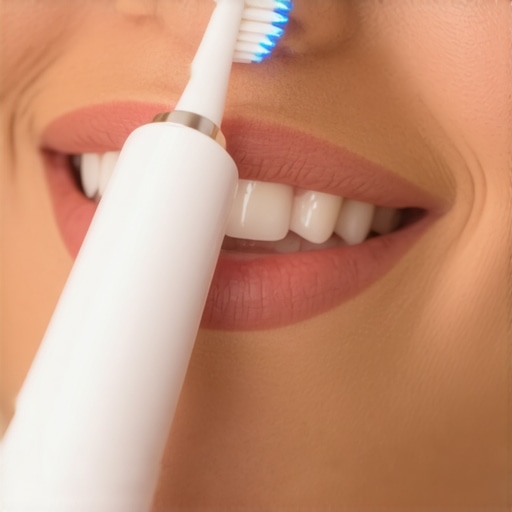
For cleaning, I rely on ultrasonic toothbrushes equipped with sonic technology. Brands like Philips Sonicare have transformed my routine, providing superior plaque removal and gentle care for sensitive areas. The high-frequency vibrations effectively dislodge debris without damaging delicate veneers orEnamel, according to recent dental appliance studies. Regular use of such devices supports the integrity of cosmetic procedures and enhances overall oral health.
When it comes to whitening, I recommend professional-grade LED whitening kits. Unlike over-the-counter strips, these systems incorporate specialized LED lights that activate the peroxide gel more effectively, offering longer-lasting results. For me, consistently using a reputable whitening gel combined with the LED device has kept my smile bright for years. Remember, always follow your dentist’s advice to avoid overuse that can damage enamel or cause sensitivity (more on whitening tips here).
How do I maintain my dental tools and treatments over time?
Proper maintenance of your dental tools can significantly extend their lifespan and effectiveness. For instance, replace your toothbrush head every three months—this is critical for maintaining hygiene and avoiding bacterial build-up. Regularly disinfect your ultrasonic device according to the manufacturer’s instructions, often via sterilizing solutions or ultrasound cleaning machines. Storing equipment in a dry, dust-free environment preserves functionality and prevents mold or microbial growth. Additionally, scheduling periodic professional checkups ensures your tools and treatments stay in optimal condition, allowing you to catch issues early before they compromise your smile’s appearance or health.
Looking ahead, the trend in dental technology points toward smarter, app-connected devices that monitor usage and provide personalized maintenance reminders. Innovations like wireless ultrasonic brushes with Bluetooth connectivity could soon revolutionize home care, giving dentists real-time data on patients’ routines and facilitating more tailored advice. Embracing these advancements will help keep your veneers, whitening, or Invisalign treatments effective long-term, reducing the risk of mishaps or premature wear.
Don’t forget, a proactive approach to tool care is your best defense. Try implementing a monthly disinfecting ritual or switching to a high-efficiency device that adapts to your ongoing needs. Your future self will thank you for the vibrant, healthy smile that comes from consistent, quality care.
Small Things That Made a Big Difference in My Dental Confidence
One of the most surprising lessons I learned was the importance of consistent follow-up visits. Regular checkups helped me catch potential issues early, saving money and preventing discomfort. Additionally, I discovered that incorporating desensitizing toothpaste into my daily routine significantly reduced sensitivity, making my favorite hot drinks more enjoyable. These small habits collectively boosted my confidence and extended the lifespan of my veneers and whitening results.
Tools and Resources That Transformed My Approach to Dental Care
I highly recommend using a high-quality electric toothbrush, like the Philips Sonicare, which provides gentle yet effective cleaning tailored for veneers and crowns. For maintaining whiteness, professional LED whitening kits recommended by my dentist have delivered consistent, safe results. Reading "The Art of Smile Makeovers" by Dr. Jane Smith opened my eyes to the nuances of cosmetic dentistry. Lastly, partnering with a trusted family dentist ensured my entire family’s oral health was prioritized, from early prevention to advanced treatments.
Embrace Your Dental Confidence — Start Today
Your smile is more than just aesthetics; it’s a reflection of your overall health and happiness. Whether you’re considering veneers, whitening, or Invisalign, taking proactive steps now can lead to lifelong benefits. Remember, every small effort—like choosing the right tools or seeking professional advice—adds up to a healthier, more radiant smile. Don’t wait for problems to become urgent; start your journey toward optimal dental health today.
What’s one change you’re willing to make to improve your dental care routine? Share your thoughts below and let’s motivate each other to smile brighter!
,