
Stop Using Baking Soda to Whiten Your Teeth Today
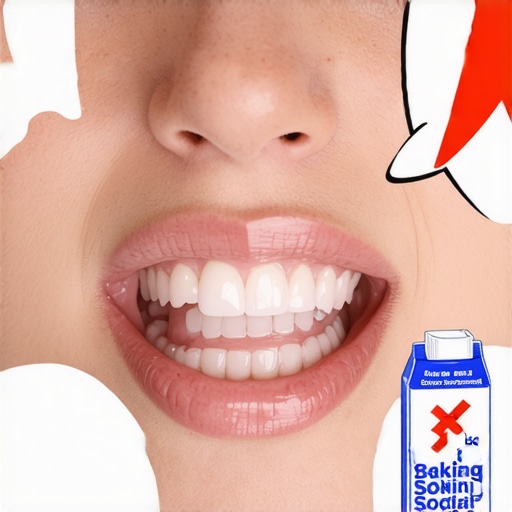
I remember the exact moment I looked in the mirror and realized my teeth didn’t look as bright as they once did. It was after a weekend of trying that old homemade whitening remedy—dipping my toothbrush in baking soda every morning, convinced it was the safe, natural way to get a sparkling smile. But instead of a radiant glow, I got irritation, uneven staining, and a sense that I was damaging my enamel more than helping it. That lightbulb moment made me question everything I thought I knew about natural teeth whitening.
My Realization: Baking Soda Isn’t the White Knight I Thought
After some quick research and a visit to my dentist, I uncovered a startling fact: excessive or improper use of baking soda can erode tooth enamel, leading to increased sensitivity and discoloration—precisely the opposite of what we all want. Early on, I made the mistake of relying solely on DIY methods without professional guidance, thinking any abrasive agent would only scrub away stains. Turns out, I was unknowingly causing micro-damage to my teeth.
The good news? I found safer, more effective solutions that actually deliver results without risking my oral health. And now, I want to share these insights with you so you won’t waste time or harm your smile chasing after a quick fix. Are you tired of ineffective teeth whitening hacks? Or maybe you’ve experienced discomfort after trying at-home remedies?
If you’re nodding yes, stick around. We’re going to explore why traditional baking soda treatments might be doing more harm than good and demonstrate proven strategies to achieve that dazzling smile safely, backed by dental experts. Because let’s be honest—your smile deserves better than shortcuts that might jeopardize your oral health.
Is the Hype About Baking Soda Actually Worth It?
Initially, I thought I was saving money and avoiding expensive treatments. But I learned the hard way that not all DIY techniques are safe or effective. Research indicates that overuse of abrasive whiteners, including baking soda, can strip away protective layers of your teeth, making you more vulnerable to sensitivity and staining in the long run. In fact, some dental professionals warn that the damage from improper DIY whitening can be irreversible, emphasizing the importance of consulting with your dentist before starting any whitening routine [source](https://smilegumcare.com/teeth-whitening-secrets-for-a-sparkling-smile-in-2025-at-1248).
So, what’s the takeaway? It’s vital to know the limits of natural remedies and recognize when professional whitening or alternative methods are the smarter choice. Ready to learn the best practices that actually work? Let’s dive into proven, safe strategies to whiten your teeth effectively—and protect your smile at the same time.
Choose the Right Whitening Approach
Start by assessing your current dental health and goals. I vividly recall the messy attempt I made using a homemade mixture of baking soda and hydrogen peroxide; it resulted in fleeting whiteness and increased sensitivity. Instead, opt for dentist-approved whitening kits or professional treatments for safer, more consistent results. Doing so protects your enamel while enhancing your smile.
Implement Proper Brushing Techniques
Use a soft-bristled toothbrush and gentle, circular motions to remove surface stains without damaging your enamel. I once tried scrubbing aggressively, which left my gums irritated and my teeth more sensitive. Remember, overbrushing or applying excessive pressure can erode enamel and worsen discoloration. Regular, careful brushing combined with whitening aids is key.
Utilize Whitening Products Correctly
Apply whitening gels or strips following the instructions precisely. I learned this lesson the hard way when I overused whitening strips, leading to discomfort. Always adhere to recommended durations and frequencies to prevent sensitivity and protect your gums. When in doubt, consulting your dentist ensures your approach remains safe.
Adjust Your Diet to Support Brightness
Limit pigmented foods and beverages like coffee, tea, and red wine that stain teeth. I noticed my teeth dulled after indulging in too many dark-colored drinks, despite my whitening efforts. Drinking water after meals and using a straw can reduce direct contact, preserving your whitening gains. Consistency in care makes a noticeable difference.
Schedule Regular Dental Check-Ups
Professional cleanings every six months help remove stubborn stains and tartar buildup, supporting your whitening goals. I once attempted DIY whitening without professional advice, which led to uneven results. Regular visits to your dentist not only maintain oral health but also ensure your whitening techniques are effective and safe.
While many assume that cosmetic dental procedures like teeth whitening, veneers, and Invisalign are straightforward, the truth is far more nuanced. A common misconception is that these treatments are universally suitable and risk-free when, in reality, they require careful assessment and professional guidance. For instance, many patients believe whitening agents will work identically regardless of the underlying enamel condition, but insufficient knowledge about tooth sensitivity and enamel integrity can lead to overuse and damage, as I discussed earlier about DIY remedies. Experts warn that an overly aggressive whitening routine can cause irreversible erosion of enamel, increasing sensitivity and staining over time, which is a trap many fall into without realizing the long-term consequences. To avoid such pitfalls, consulting with your dentist before embarking on any cosmetic treatment is crucial, especially since not all teeth respond equally, and some may require preparatory procedures like enamel bonding or protective overlays. When it comes to veneers, a prevalent myth is that they are a quick fix for all aesthetic concerns, but improper placement or thin veneers can look unnatural and feel bulky, leading to discomfort or even gum irritation. Real-world experience shows the importance of selecting high-quality materials and trusting skilled practitioners. For example, poorly fitted veneers can cause micro-gaps where plaque accumulates, increasing the risk of decay and periodontal issues. Similarly, Invisalign is often praised as a simple alternative to traditional braces; however, misconceptions about its ease of use can prompt patients to neglect important compliance rules. Wearing trays too infrequently or for shorter durations than prescribed can prolong treatment or lead to suboptimal results. Advanced cases also require modifications like attachments, which many overlook, severely impacting effectiveness. These nuances highlight that every smile is unique, and a one-size-fits-all approach rarely works. A detailed assessment by a professional ensures a tailored plan that addresses both aesthetic desires and functional health. Moreover, understanding the hidden risks—such as the potential for gum recession with certain veneers or allergies to whitening agents—can prevent future discomforts. In fact, research underscores the importance of individualized care, as highlighted in studies on cosmetic dentistry outcomes [source](https://smilegumcare.com/teeth-whitening-secrets-for-a-sparkling-smile-in-2025-at-1248). So, the next time you consider cosmetic enhancements, remember that expertise, precise planning, and patient education are key. Don’t let misconceptions lead you astray; your smile’s health and beauty depend on it. Have you ever fallen into this trap? Let me know in the comments.
Keep Your Smile in Peak Condition with the Right Tools
Maintaining your cosmetic dental work, whether it’s Invisalign aligners, veneers, or teeth whitening treatments, relies heavily on using specialized tools designed for durability and effectiveness. I personally recommend investing in a high-quality, electric toothbrush like the Philips Sonicare DiamondClean. It delivers gentle yet thorough cleaning, thanks to its sonic technology that reaches deep into crevices and helps preserve the integrity of your veneers and enamel. Regularly replacing the brush heads every three months ensures optimal performance and prevents bacterial buildup, which can compromise your investment.
For cleaning aligners or retainers, I swear by the Libby’s Denture Brush — it’s specifically designed with soft bristles to clean stubborn plaque without scratching sensitive surfaces. Incorporating a daily, gentle clean with these tools keeps your prosthetics and appliances free from residue and bacteria, extending their lifespan.
Software and App Support for Long-Term Results
When managing orthodontics like Invisalign, staying compliant is crucial. That’s where apps like AlignTech’s Invisalign Assistant come into play, helping you track your wear time and monitor progress seamlessly. I use this app to set reminders for changing trays or cleaning routines, which drastically improves treatment outcomes. Additionally, digital cloud platforms provided by your dentist can store your radiographs, treatment plans, and progress images, allowing both clinician and patient to communicate and adapt strategies efficiently for sustained results.
How do I maintain my dental enhancements over time?
Consistent maintenance is key. Regular visits to your dental professional—every six months—ensure factors like gum health and crown integrity are monitored. During these checkups, professional cleanings remove plaque and tartar that daily brushing might miss, especially around veneers or braces. For whitening treatments, using a custom whitening tray crafted by your dentist allows for controlled application, preventing uneven color or sensitivity often seen with over-the-counter products. It’s a game-changer for preserving that dazzling brightness and preventing premature staining.
Anticipating Future Trends in Dental Maintenance
Looking ahead, I predict the integration of smart dental devices, such as sensors embedded in trays or veneers that monitor health or wear patterns, will become mainstream. These innovations could alert you or your practitioner to potential issues before they develop, leading to proactive care and longer-lasting results. As technology advances, staying updated with tools endorsed by dental professionals will be your best strategy to keep your smile stunning and healthy.
If you’re interested in elevating your dental routine, I encourage you to try using a sonic toothbrush like the Philips Sonicare DiamondClean, which I personally rely on. It’s an investment in your oral health that pays off in the long run.
Maintaining a radiant smile requires more than quick fixes; it’s about understanding the nuances that truly protect your dental health. One transformative lesson I learned was the importance of personalized care over generic remedies. DIY whitening with baking soda seemed harmless, but my experience revealed the silent damage abrasive agents can do to enamel. This taught me that trusting professionals and tailored strategies not only enhance aesthetics but safeguard your long-term health. Additionally, I realized that every smile is unique, demanding customized approaches—whether choosing veneers, Invisalign, or routine cleanings—which can prevent costly corrections down the line. Embracing expert advice and investing in quality tools truly pays off, elevating your confidence and peace of mind. Remember, your smile is a priceless asset—treat it with the care, attention, and personalized guidance it deserves.