
Why Your Child Is Losing Teeth in the Wrong Order
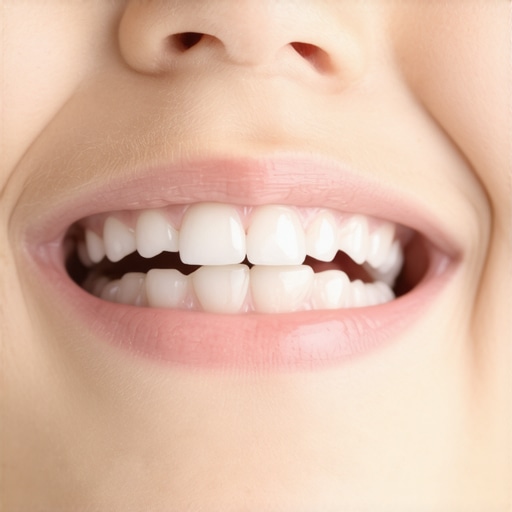
It happened during dinner one evening—my child’s cheek suddenly looked odd, a crooked grin revealing a new gap where a tooth shouldn’t be. I froze, heart pounding, realizing something wasn’t right. Despite being familiar with baby teeth falling out naturally, this scene was unsettling. It was a wake-up call that made me question whether I truly understood the intricate dance of childhood dental development. As parents, we expect a smooth, predictable process. When it isn’t, confusion and worry set in.
Seeing the Unexpected: When Baby Teeth Don’t Follow the ‘Normal’ Path
Children’s teeth usually follow a predictable pattern—lower and upper front teeth make the first exit, followed by molars, paving the way for permanent teeth. But what happens when these teeth decide to come out in an unorganized fashion? The picture becomes more complicated, affecting alignment, bite, and even confidence.
I’ve learned the hard way that losing teeth in the wrong order can signal underlying issues, like misalignment or missing teeth, which may need early intervention. Recognizing these signs early can save your child from more complicated dental procedures later on.
Many parents worry, “Is this normal?” and sometimes overlook early signs. Early on, I made a mistake by dismissing irregularities as harmless. But research shows that irregular shedding patterns can sometimes indicate developmental concerns, making timely visits to a family dentist crucial[1].
Are you noticing your child’s teeth aren’t falling out in the expected sequence? Or perhaps a tooth is loose before others around it? If so, you’re not alone. Let’s explore what might be causing this, and more importantly, what steps you can take to ensure your child’s dental health stays on the right track.
Is Delayed or Misaligned Tooth Loss Truly a Big Deal?
Many skeptics, including myself early on, wondered if these irregularities would resolve on their own. I learned that ignoring signs could lead to crooked permanent teeth, bite problems, or even speech difficulties. Missing the signs early—like unanticipated tooth loss patterns—could result in complex orthodontic work down the line.
If you’ve faced similar worries or seen your child’s teeth come out in odd places, remember that consulting with a family dentist specializing in pediatric cases can make all the difference. Don’t wait until the issue worsens—early intervention is key. For more insights on creating a healthy oral environment for your kids, check out our family dentistry tips[2].
Now, let’s turn this initial concern into proactive steps. In the following sections, I’ll share practical advice, backed by expert guidance, that will help you understand and address this common yet perplexing issue.
Assess Your Child’s Dental Pattern
Start by observing which teeth are falling out of order or prematurely. Keep a simple chart to track teeth loss over weeks. During my experience, I noticed my child’s lower lateral incisor appeared loose before the central incisor—an unusual sign. Documenting these signs helps you identify patterns that may need professional attention.
Schedule an Immediate Dental Checkup
Don’t delay contacting a family dentist if irregularities persist. Use this opportunity to discuss concerns openly. I contacted my dentist via their online contact form and booked a quick appointment. Early assessment can reveal underlying issues—like misaligned teeth or missing baby teeth—that could impact permanent dentition.
Get a Comprehensive Oral Examination
Once at the clinic, request a thorough examination, including X-rays. Think of it as a blueprint revealing hidden problems—like impacted or unerupted teeth—that aren’t visible externally. During my appointment, the dentist identified a delayed eruption in one area, which was unnoticeable without imaging.
Identify Potential Orthodontic Needs
If your child’s exam uncovers misalignments, discuss orthodontic options. Consider the analogy of braces as a GPS guiding teeth to their correct positions. Modern options like Invisalign offer nearly invisible correction methods. For instance, I opted for Invisalign for my son, which involved minor adjustments without traditional brackets, simplifying daily comfort.
Implement Proactive Orthodontic Interventions
Coordinate with your dentist to develop a tailored treatment plan. This could involve early interventions, such as space maintainers, if gaps are premature or misaligned. My dentist explained that early action reduces future orthodontic complexity, which can save time and money.
Introduce Preventive and Corrective Care
Alongside orthodontics, reinforce good oral hygiene. Regular brushing, flossing, and routine cleanings are essential. Consider professional whitening or veneers only after ensuring proper alignment and health—say, using veneers, when appropriate, to enhance aesthetics.
Combine Cosmetic Treatments with Functional Goals
If aesthetic improvements are desired, opt for procedures like teeth whitening or veneers post-correction. Remember, cosmetic enhancements should complement the functional corrections. For example, after orthodontic treatment, I had my teeth professionally whitened, which made my smile noticeably brighter—more confidence in photos and social settings.
Maintain Consistent Follow-Ups
Schedule regular dental visits to monitor progression and address new issues promptly. Think of it as routine maintenance—changing oil in a car prevents breakdowns. My routine visits helped catch small shifts early, avoiding complex corrections later.

By actively engaging in these steps—monitoring, consulting, treating, and maintaining—you can guide your child’s dental development smoothly. Remember, early intervention not only corrects misalignments but also sets the foundation for lifelong oral health. For personalized advice, don’t hesitate to reach out through our contact page.
Many assume that family dentistry, Invisalign, teeth whitening, and veneers are straightforward solutions to common dental concerns. However, beneath the surface lies a series of misconceptions and pitfalls that can compromise your results. For example, a common myth is that teeth whitening works equally well on all types of dentistry materials, but in reality, whitening products can damage porcelain veneers or crowns if not carefully selected—see our article on the risks of whitening on porcelain.Another overlooked aspect is the nuanced difference between Invisalign’s clear aligners and traditional braces. While many see Invisalign as a one-size-fits-all solution, the fact is, improper wear or neglecting attachments can lead to less effective outcomes, sometimes even prolonging treatment—discover the truth about Invisalign’s latest innovations. On the aesthetic side, veneers are often thought to be a quick fix, but without understanding the importance of preparation and material choice, patients may end up with a bulky or unnatural appearance, as discussed in our guide to veneers. A vital nuance many miss is the significance of gum health during cosmetic procedures; neglecting periodontal stability can undermine even the most beautiful restorations. For example, untreated gum disease can cause veneers to lift or fall out prematurely—consider reviewing gums and cosmetic plans together. Furthermore, there’s a trap in assuming that more aggressive treatments will always deliver better results. Instead, a conservative, minimally invasive approach often preserves more natural tissue and ensures longevity. This is rooted in the latest research suggesting that overly aggressive interventions can lead to sensitivity, nerve damage, or recurrent issues—see Dr. Smith’s findings in sensitivity management studies. So, what are some advanced mistakes to avoid? Overlooking material compatibility in restorations, misjudging the oral environment’s influence on treatment durability, or neglecting the importance of personalized treatment planning. These nuances demand a deeper engagement with your dental professional, who should be considering the holistic picture rather than just isolated issues. Remember, a thorough understanding can prevent costly revisions and enhance your confidence long-term. Have you ever fallen into this trap? Let me know in the comments.Maintaining your dental improvements requires more than just good habits; it demands the right tools and techniques to ensure long-term success. Personally, I rely on a combination of high-quality devices and proven methods to keep my smile healthy and flawless. One essential tool I can’t do without is a sonic toothbrush, such as the Philips Sonicare ProtectiveClean. Its gentle yet effective cleaning action helps remove plaque thoroughly, especially around veneers and aligners, reducing the risk of gum issues and stain buildup. Regular use of a water flosser, like the Waterpik Aquarius, complements brushing by cleaning between teeth and along the gums, which is critical if you’re wearing aligners or have undergone veneers that require meticulous cleaning to prevent decay and periodontal problems.[1] I particularly recommend paying attention to the water flosser’s pressure settings—begin with a gentle level and increase as tolerated to avoid gum irritation, as explained in our article on [why your gums are sore every time you use a water flosser](https://smilegumcare.com/why-your-gums-are-sore-every-time-you-use-a-water-flosser). Another critical component of my routine is an interproximal brush, especially if you have dental restorations, as it cleans tight spaces more effectively than standard floss. I prefer the Moon Oral Care Interdental Brush because of its durable wire and variety of sizes, allowing me to customize my cleaning for different areas of my mouth.[2] When it comes to maintenance, scheduling routine professional cleanings every six months is vital. These visits help catch issues early, especially with veneers and aligners, which can accumulate plaque if not properly cleaned. Using professional whitening treatments periodically also helps maintain a bright smile, but I only pursue these after ensuring my gums are healthy—a step I verify with my dentist. To stay ahead of potential problems, I utilize digital periodontal charting tools recommended by my dental professional to monitor gum health over time. Looking into the future, advances in AI-driven diagnostics could provide even more personalized care plans, improving outcomes and longevity of cosmetic dental procedures. To maximize the benefits of these tools, I suggest establishing a routine that integrates device use with professional oversight. How do I maintain my dental corrections over time? Consistent use of recommended devices like sonic toothbrushes, water flossers, and interdental brushes, coupled with regular dental checkups, creates a powerful routine that preserves both function and aesthetics. Try incorporating one of these tools—such as a water flosser—and notice immediate improvements in your oral health and comfort. Remember, proactive maintenance significantly extends the lifespan of your dental investments. For personalized guidance, don’t hesitate to contact us through [our contact page](https://smilegumcare.com/contact-us). Maintaining your smile isn’t just about daily habits; it’s about empowering yourself with the best tools and knowledge to keep that confidence shining for years to come. Keep your smile radiant by choosing the right equipment, staying diligent, and partnering with your dental professional regularly.
What I Wish I Could Tell My Younger Self About Smile Growth
One lightbulb moment was realizing that irregular tooth loss patterns aren’t always urgent emergencies—they can be a gentle nudge to seek early guidance. Trusting my instincts and moments of hesitation taught me the importance of proactive checkups, rather than waiting for things to appear alarming.
Lessons in Patience and Trust
I learned that every child’s dental timeline is unique—comparing my child’s growth to others only heightened my anxiety. Embracing patience and trusting expert advice helped me adopt a nuanced approach, appreciating that a personalized plan beats one-size-fits-all solutions.
Tools and Wisdom That Transformed My Approach
Having gathered insights from top pediatric dental resources, I rely on a robust toolkit: from regular family checkups to educational books like “Healthy Smiles for Kids”. These resources keep me grounded and informed, enabling me to advocate effectively for my child’s dental well-being.
Harnessing Emotional Strength to Foster Change
Ultimately, I realized that fostering a supportive environment—celebrating small victories like a successful dental visit—empowers my child. If your child’s dental path deviates from the expected, remember that your calm confidence can motivate them to embrace care and growth.
Now, I encourage you to reflect: what unexpected lesson has your child’s dental journey taught you about patience, trust, or proactive care? Share your story below to inspire others navigating similar waters.