
How to Stop Your Gums From Receding Behind Your Brackets
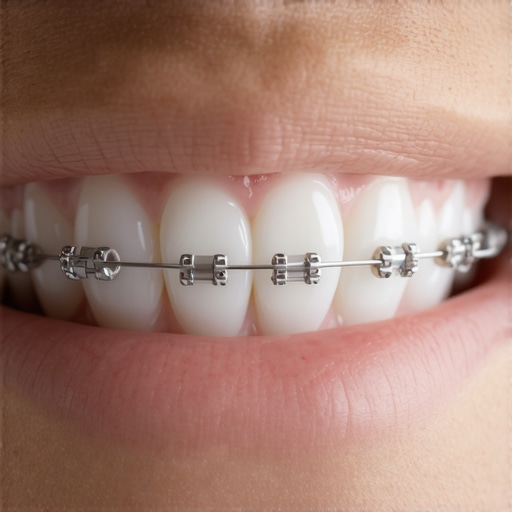
I remember the moment vividly—a bright Saturday morning, staring in the mirror with a growing sense of dread. My braces had finally come off, but instead of feeling like I had a dazzling new smile, I noticed something alarming: my gums seemed to be creeping back behind my brackets. It was a lightbulb moment for me—something was seriously amiss, and I couldn’t just ignore it.
If you’re wearing braces or have recently completed orthodontic treatment, chances are you’ve faced or will face this unsettling issue. Gum recession behind brackets isn’t just a cosmetic concern; it can lead to sensitivity, decay, and even compromise your overall oral health. So, why does this happen, and more importantly, how can you stop it?
Today, I want to walk you through the *why* behind gum recession in this context and share my personal journey to find effective solutions.
Why Your Gums Might Be Receding Behind Your Brackets
Gum recession around orthodontic appliances happens more often than most people realize. When I first noticed my gums pulling away, I felt confused—was it normal? The truth is, orthodontic treatment can exert pressure on your gums and bone, which, if not properly managed, may lead to recession. Factors such as poor oral hygiene, aggressive brushing, or pre-existing gum issues can exacerbate this process.
Early on, I made the mistake of thinking that simply brushing harder would clear away plaque and keep my gums healthy. Instead, I was causing more harm, irritating my gums further. It wasn’t until I consulted with my dentist that I learned the importance of gentle, proper technique and targeted care to prevent recession.
Gum recession isn’t merely a stubborn aesthetic issue; it can expose tooth roots, leading to increased sensitivity and decay. According to the American Academy of Periodontology, untreated gum recession can accelerate and cause significant damage if not addressed promptly.
If you’ve noticed your gums pulling away, especially behind brackets or near your wisdom teeth, you’re not alone. The good news is, with awareness and the right habits, you can stop or even reverse this trend.
In the following sections, I’ll share practical steps and strategies I personally tested, which made a real difference in reclaiming my gum health. Ready to learn how to protect your smile? Let’s dive in.
Master Gentle Oral Hygiene Daily
Start by brushing with a soft-bristled toothbrush at a 45-degree angle to gently clean along the gumline. I vividly recall replacing my aggressive brush with a softer one after noticing my gums receding. The first week, I was tempted to revert to old habits, but persistence paid off—my gums started to heal gradually. Regular flossing with care, avoiding snap-and-pull motions, helped prevent plaque buildup without aggravating sensitive areas.
Implement Targeted Flossing Techniques
Use specialized floss for braces, like orthodontic flossers or interdental brushes, to reach behind brackets without putting pressure on the gums. When I struggled initially, I watched tutorial videos and practiced in front of a mirror, which made the process less intimidating. Consistency here prevented plaque accumulation that could worsen recession.
Schedule Professional Cleanings and Monitor Progress
Visit your dentist or hygienist every three to four months for cleanings tailored to orthodontic patients. During my first professional cleaning post-braces, the hygienist used interdental brushes to carefully remove plaque around brackets. These visits are critical—they help catch early signs of recession and allow for personalized advice or treatments like fluoride applications.
Apply Cold Compresses for Inflammation Relief
When gums feel swollen or sore, applying a cold pack for 10-minute intervals reduces inflammation. I found that after days of meticulous cleaning, a cold compress eased discomfort and minimized swelling, supporting tissue recovery.
Avoid Harmful Habits That Worsen Recession
Refrain from smoking, biting nails, or chewing on hard objects—these actions can exacerbate gum tissue damage. I caught myself nervously biting pens during stressful moments; stopping that habit helped protect my gums from further recession.
Use Specialized Gum-Soothing Products
Incorporate gentle mouth rinses or gels containing aloe vera or other soothing agents to promote healing. I started using an alcohol-free, soothing rinse, which helped calm irritated tissue and encouraged regeneration of gum tissue.
Consult Your Dentist About Advanced Treatments
If recession persists or worsens, professional options like gum grafts or minimally invasive procedures may be necessary. My dentist explained these options clearly, emphasizing the importance of early intervention. Visiting a specialist might be the next step if home care isn’t enough.
Remember, maintaining patience and consistency is key. By integrating these actionable steps, you can effectively combat gum recession behind brackets and safeguard your oral health long-term.
Many people believe that procedures like family dentistry, Invisalign, veneers, and teeth whitening are straightforward solutions for achieving a perfect smile. However, the reality is far more nuanced, and common misconceptions can lead to costly mistakes. Let’s explore some of the most overlooked nuances and pitfalls that even savvy patients often miss.
A prevalent myth is that Invisalign is foolproof for all orthodontic issues. While it’s true that Invisalign offers remarkable convenience and discreetness, not everyone is a suitable candidate. Particularly complex cases involving severe malocclusion or significant bite issues may require traditional braces or surgical intervention. Relying solely on Invisalign without thorough evaluation can result in incomplete or prolonged treatment. For an in-depth understanding, check out how Invisalign is shaping the future of braces [here](https://smilegumcare.com/invisalign-innovation-invisible-braces-changing-smiles-in-2025-at-1537).
When it comes to veneers, many assume they are a quick fix to flawed teeth. But the critical mistake is underestimating the importance of proper diagnosis. Veneers are thin shells bonded to the front of teeth, transforming aesthetics but also requiring healthy underlying tooth structure. Improper planning or neglecting underlying decay can lead to veneer failure or sensitivity. For advanced tips on choosing the right veneer, visit our comprehensive guide [here](https://smilegumcare.com/veneers-made-simple-transform-your-tooth-aesthetics-in-2025-at-1822).
Teeth whitening is often perceived as a permanent, risk-free method for a dazzling smile. Yet, many overlook the nuances, such as the impact of enamel erosion or existing restorations. Overuse of whitening products or incorrect application can cause increased sensitivity or uneven color. Interestingly, some whitening agents may even weaken porcelain veneers or crowns if used improperly. For smart whitening strategies, explore our secrets [here](https://smilegumcare.com/teeth-whitening-secrets-for-a-sparkling-smile-in-2025-at-1248).
Family dentistry gets less attention but is equally critical. A common mistake is assuming that regular checkups are only necessary when problems arise. Regular visits are essential for preventive care, early detection of issues, and educating family members—especially children—on good oral habits. Neglecting this can lead to accelerated decay, misaligned teeth, or gum disease that could have been managed more easily if caught early. For expert tips on family oral health, see our detailed post [here](https://smilegumcare.com/family-dentistry-tips-creating-a-healthy-smile-for-your-kids-at-0915).
Go beyond the surface, and you’ll find that all these treatments require thoughtful planning, proper diagnostics, and understanding their limitations. Don’t fall into the trap of thinking these are one-size-fits-all solutions. Instead, consult with experienced professionals who can guide you through personalized options suited to your unique needs.
Have you ever fallen into this trap? Let me know in the comments. Remember, informed decisions are the best tools for maintaining your smile’s health and beauty.Maintaining the results of family dentistry, Invisalign, veneers, or teeth whitening isn’t a one-and-done task; it requires the right tools and consistent habits. Over the years, I’ve found that investing in high-quality equipment and disciplined routines makes all the difference in preserving a healthy, radiant smile.
Personalized Oral Hygiene Devices
One of my go-to essentials is a **water flosser**, specifically the Waterpik, which I use daily to remove plaque from hard-to-reach areas around braces and veneers. Unlike traditional floss, a water flosser provides gentle yet effective cleaning, reducing gum inflammation and preventing recession. I’ve noticed significant improvements in gum health since adopting it, especially during long-term treatment phases.
Smart Toothbrushes for Better Care
I highly recommend a **smart electric toothbrush** like the Philips Sonicare DiamondClean. Its app connectivity helps me monitor my brushing habits, ensuring I never miss areas or brush too aggressively—an common mistake that can cause recession around veneers. The consistent feedback fosters better technique over time, making my routine more effective and gentle.
Enamel-Friendly Whitening Products
For maintaining teeth whitening, I turn to desensitizing whitening gels that contain potassium nitrate. These products fortify enamel and provide relief from sensitivity, especially after professional whitening treatments. Using them regularly prevents staining and keeps my smile bright without risking damage or discomfort. It’s important to choose products recommended by your dental professional to avoid unnecessary degradation of restorations like veneers or crowns.
Monitoring with Digital App Reminders
Staying consistent over the long haul can be challenging. That’s where apps like Dentastick come into play—they send reminders for routine cleanings, flossing, or replacing toothbrush heads. I’ve integrated these into my daily schedule, which helps me uphold diligent oral care even during busy weeks. Regular maintenance with these tools ensures ongoing success from your initial investment.
Anticipating Future Trends
Looking forward, the integration of **AI-powered diagnostics** and **wearable health devices** promises even more personalized and proactive dental care. Imagine a future where your toothbrush and smartphone collaborate seamlessly to detect early signs of gum recession or enamel erosion, prompting timely intervention. This convergence will empower us all to maintain our smiles with unprecedented precision.
How do I keep my tools functioning effectively over time?
Proper maintenance of your dental tools is crucial for longevity and effectiveness. Regularly replacing toothbrush heads every three months, cleaning water flossers after each use, and storing devices in a dry, hygienic environment prevent bacterial build-up and mechanical failure. Also, always follow manufacturer guidelines for calibration and battery care. These small steps ensure your equipment continues to serve you well for years to come. For more tips on long-term dental maintenance, visit our privacy policy.
If you wish to elevate your oral care regimen, I recommend trying an **ultrasound toothbrush** like Philips Sonicare FlexCare Platinum. Its superior plaque removal and gentle action make a noticeable difference, especially when maintaining veneers or whitening results. Remember, combining the right tools with consistent habits is your best bet for sustained oral health and a confident smile.
What I Didn’t Expect About Maintaining My Smile’s Longevity
One of the hardest lessons I learned was that even after successfully completing orthodontic treatment, ongoing vigilance is essential. I discovered that ignoring the subtle signs of gum recession could lead to more serious issues down the line. Recognizing early symptoms and acting promptly made all the difference in my journey towards lasting oral health.
How Personalized Care Can Transform Your Dental Outcomes
Generic advice isn’t enough when it comes to complex issues like gum recession. I found that working closely with my dentist to tailor my oral hygiene routine, including specialized tools and treatments, significantly improved my recovery. It reinforced the idea that individualized care is the cornerstone of long-term dental happiness.
The Power of Consistency Over Quick Fixes
My experience taught me that quick solutions rarely address root causes. Instead, maintaining consistent, gentle practices—like using a water flosser or soft toothbrush—created tangible, lasting improvements. Embracing daily discipline became the key to preserving what I worked so hard to achieve.
Resources That Deepened My Understanding of Oral Health
There are invaluable sources that go beyond surface-level advice. I highly recommend exploring professional articles and trusted dental blogs to gain a nuanced understanding. For example, the detailed insights available at this resource on Invisalign or tips on veneers helped me make informed decisions and avoid common pitfalls.
Your Smile’s Future Starts with Small Steps Today
Taking proactive steps now can set the stage for a lifetime of confident smiles. Whether it’s scheduling regular checkups or mastering gentle brushing techniques, every action counts. Remember, your oral health is an investment—one that pays dividends in both appearance and well-being.
Have you noticed the early signs of gum recession or struggled with maintaining long-term results after orthodontic treatment? Share your experiences below—your story might inspire someone else to take that first step.