
The Only Way to Get Rid of White Spots After Braces
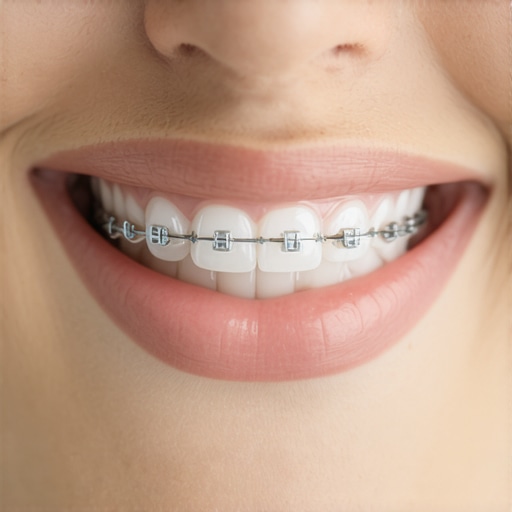
I remember the exact moment I first saw those stubborn white spots lingering on my teeth after removing my braces. It was like a neon sign flashing, “Imperfection alert!” during a family dinner. No matter how much I smiled or tried to ignore them, those tiny white patches made me self-conscious in photos and in front of friends. I realized I wasn’t alone in this struggle—many people face the same frustrating issue. But here’s the thing: I discovered that these spots are more common than you think and, more importantly, manageable once you know the right approach. Today, I want to share how I tackled this problem and how you can do the same.
Why White Spots After Braces Can Make You Feel Less Confident
White spots, or decalcification spots, are areas where minerals have been lost from the enamel due to plaque buildup or demineralization during orthodontic treatment. They can appear as chalky, white patches, detracting from an otherwise perfectly aligned smile. The emotional impact is real; after all, we’ve invested time, money, and patience into getting that straight, beautiful smile. When those spots show up, it can feel like all your progress is overshadowed.
But why do they happen in the first place? Well, braces create little nooks and crannies where plaque and food particles can gather, making them hotspots for bacteria and acid production. If oral hygiene isn’t meticulous, these acids start stripping minerals from the enamel, leading to those unsightly white spots. Interestingly, some studies suggest that up to 50% of orthodontic patients develop white spots during treatment (source: [American Journal of Orthodontics and Dentofacial Orthopedics](https://smilegumcare.com/why-your-teeth-zap-after-your-last-professional-whitening)). That’s a startling statistic, and trust me, I learned this the hard way.
Early on, I made the mistake of neglecting my oral hygiene routine, believing brushing twice a day was enough. That mistake nearly caused me to lose confidence in my smile before I even got to enjoy it. If there’s one thing I wish I knew earlier, it’s that prevention is much simpler than repair. So, if you’ve faced or are facing this issue, you’re not alone—and the good news is, there’s hope.
In the upcoming sections, I’ll walk you through the practical steps I took, including proven treatments and lifestyle tweaks, to successfully banish those white spots. Ready to find out how you can restore your smile’s brilliance? Let’s dive in.
Mastering Your Oral Hygiene Routine for White Spot Prevention
During my experience, I started by meticulously brushing. I used a soft-bristled toothbrush and fluoride toothpaste, focusing on gentle, circular motions to remove plaque without damaging enamel. I learned to brush at least twice daily for two full minutes—often setting a timer to ensure I didn’t rush. Incorporating interdental brushes or floss helped eliminate food particles in hard-to-reach spots, especially around brackets. Consistency was key: I kept a routine and avoided skipping brushing on busy days, which dramatically reduced plaque buildup and prevented new white spots from forming.
Using Topical Remineralization Products Effectively
Next, I turned to remineralization treatments. I applied products containing fluoride and calcium carbonate directly to my teeth, focusing on areas prone to white spots. One night, I decided to use a fluoride gel recommended by my dentist, spreading it with a clean finger or soft applicator, and leaving it on overnight. Later, I adopted a fluoride mouth rinse after brushing, which fortified my enamel and sped up repair. Regular use of these products created a mineral-rich environment, promoting the healing of existing spots and preventing new ones.
Scheduling Professional Treatments for Rapid Results
I booked a consultation with a cosmetic dentist, who recommended microabrasion and bleaching to improve my smile’s appearance. During microabrasion, a skilled technician gently removed a thin layer of enamel from the white spots, reducing their visibility. I also opted for in-office whitening, which, coupled with at-home whitening kits, brightened my overall smile. These treatments are like renovation work—precise and effective—especially when combined with good home care. I experienced noticeable improvement in just a few sessions, which motivated me to maintain my routine strictly.
Incorporating Dietary Changes That Protect Enamel
Removing or limiting acidic foods and drinks was another step I took. I cut back on soda, citrus, and sugary snacks, replacing them with water and crunchy vegetables, which act as natural abrasives. After each meal, I rinsed my mouth with water to neutralize acids. When I wanted a treat, I chose healthier options like cheese or nuts, which provide vital minerals for enamel strength. This proactive approach shielded my teeth from further demineralization and supported existing repair efforts.
Considering Advanced Cosmetic Options for Complete Confidence
When the white spots persisted, I explored veneers as a cosmetic fix. Veneers are thin shells bonded to the front of teeth, masking imperfections. They’re like custom-made hats for each tooth—reinforcing and transforming your smile. My dentist showed me before-and-after photos; I was amazed at how veneers could remove visible spots instantly. Although more invasive, they gave me renewed confidence and restored my natural-looking smile. Proper consultation with a family dentist or specialist ensures you choose the right treatment for your needs.
Throughout this process, I maintained regular dental visits to monitor my progress. Combining diligent home care with professional interventions created a comprehensive strategy that truly made a difference. Remember, addressing white spots isn’t just about aesthetic concerns; it’s about preserving and strengthening your enamel for years to come. To learn more about whitening options, visit Teeth Whitening Secrets. For cosmetic enhancements like veneers, explore Veneers Made Simple.
When it comes to aesthetic and functional dental treatments, many people believe they understand the basics, but there are nuanced misconceptions that can lead to costly mistakes. For instance, a common myth is that teeth whitening is universally safe and effective regardless of individual circumstances. While over-the-counter whitening products may seem convenient, professional whitening approaches tailored to your enamel’s condition often yield more predictable and safer results, as highlighted by recent studies emphasizing the importance of customized treatment plans (source: Smile Gum Care).Maintaining the results of your dental treatments requires more than just initial care; it involves using the right tools and establishing routines that stand the test of time. Personally, I swear by specific equipment that ensures my smile stays pristine. For instance, I use the WaterPik WP-660, a water flosser I recommend for its ability to dislodge debris from around braces and veneers where regular floss struggles. Its jet technology reaches areas that typical floss or interdental brushes might miss, making nightly flossing more effective and less time-consuming. Additionally, I rely on a sonic toothbrush like the Philips Sonicare DiamondClean, which provides gentle yet thorough cleaning, preserving the integrity of veneers and Invisalign attachments over years.
Regular professional cleanings are indispensable. My dentist recommends every six months, but I schedule my appointments every four months to prevent plaque buildup and detect potential issues early. Knowing what to look for, such as signs of veneer discoloration or slight loosening of Invisalign attachments, allows me to catch small problems before they escalate.
In terms of software, I utilize digital maintenance trackers that sync with my smartphone, reminding me when to replace my toothbrush head or schedule a check-up. Such apps keep me accountable and ensure I never neglect routine care.
Looking ahead, the future of dental maintenance is trending toward smarter, AI-driven devices that monitor oral health in real time. Innovations like smart toothbrushes that record brushing patterns and provide instant feedback may soon become standard, offering personalized tips to enhance your routine.
**How do I keep my dental work in top shape over time?** I focus on consistency—using effective tools like the WaterPik and Sonicare, maintaining routine professional visits, and staying abreast of emerging technologies that can revolutionize home care.
If you’re interested in upgrading your maintenance game, consider trying the WaterPik WP-660 for its proven ability to clean hard-to-reach areas—an essential step in prolonging the life of veneers and whitening results. Remember, your commitment to these tools and routines pays off by preserving your confident, healthy smile for years to come.
Lessons That Revealed Hidden Truths About Smile Care
One of the most enlightening lessons I learned was that consistent, personalized oral hygiene routines outperform generic advice. I discovered that every smile’s journey is unique, and listening to your dentist’s tailored guidance can prevent issues like white spots before they surface. Additionally, I realized that patience with professional treatments, combined with diligent home care, accelerates confidence-restoring results. Finally, I found that embracing lifestyle changes—like reducing acidic foods—not only improves appearance but also fortifies enamel for the long run.
Tools and Resources That Transformed My Smile Journey
My top recommendation is the WaterPik WP-660, which made deep cleaning around braces and veneers effortless and effective—trust me, it was a game-changer. The Philips Sonicare DiamondClean toothbrush became my everyday hero, offering gentle yet detailed cleaning that preserved my treatments. For books, I recommend “Teeth Whitening Secrets” on Smile Gum Care, which provided insights into safe and effective whitening, aligning with my goal for a radiant smile. Lastly, scheduling regular dental visits—more often than the typical six months—kept small concerns from becoming big problems, a tip from my personal experience.
Embrace Your Smile’s Future with Confidence
Your journey to a stunning, healthy smile is entirely within your reach. Starting today, commit to the routines and tools that resonate with your goals—whether it’s maintaining that post-braces glow or preventing new white spots. Remember, each small step adds up to a lifelong investment in your confidence and well-being. Don’t wait for imperfections to become setbacks; take charge now and let your smile shine brighter than ever. Are you ready to make your smile the best version of itself? Share your thoughts or questions below—we’re in this journey together.