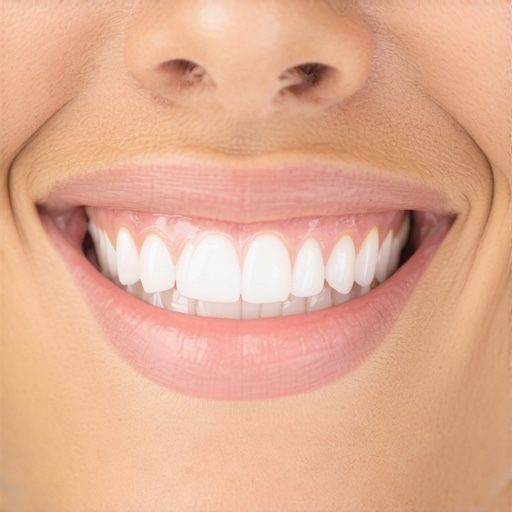
Unlocking the Secrets of Advanced Cosmetic Dentistry: The Intersection of Teeth Whitening and Veneers
In the realm of aesthetic dental enhancement, the pursuit of a radiant, confident smile has evolved into a sophisticated science. As we approach 2024, understanding the nuanced interplay between professional teeth whitening and porcelain veneers offers a strategic advantage for both clinicians and discerning patients. These modalities, rooted in evidence-based practice, serve as pivotal tools in the comprehensive smile makeover arsenal.
Strategic Considerations for Optimal Smile Enhancement: Layered Techniques and Material Science
How can the integration of teeth whitening and veneers be optimized for long-term aesthetic stability?
Optimal outcomes hinge on meticulous planning that considers the shade stability of whitening agents and the translucency of veneer materials. Recent advancements in dental ceramics, such as lithium disilicate, provide natural translucency mimicking enamel, while high-concentration bleaching agents ensure a uniform baseline. Combining these approaches requires a nuanced understanding of color science and material aging, with clinicians often recommending whitening prior to veneer placement to harmonize shades and prevent mismatch over time. For a detailed exploration of material innovations, see Veneers Made Simple.
Emerging Technologies and Evidence-Based Protocols: A Deep Dive into Efficacy
Recent literature underscores the importance of minimally invasive techniques and biocompatible materials in achieving durable, natural-looking results. Laser-assisted whitening, combined with ultrathin porcelain veneers, reduces tooth structure removal and shortens chairtime. Notably, a 2023 study published in the Journal of Esthetic & Restorative Dentistry highlights that patient satisfaction correlates strongly with shade stability and tissue health, emphasizing the importance of expert application and material selection. For more insights, visit best teeth whitening tips for 2024.
Addressing Complex Patient Inquiries: The Role of Expert Knowledge in Clinical Decision-Making
What are the best strategies for managing patient expectations when combining whitening with veneer placement?
Effective communication, supported by visual aids and digital smile simulations, is essential. Educating patients on the incremental nature of shade matching and the potential for color mismatch if whitening is performed after veneer cementation fosters realistic expectations. Moreover, tailoring treatment plans based on individual enamel thickness, discoloration severity, and aesthetic goals ensures personalized, predictable outcomes. For comprehensive patient management strategies, consult trusted family dentistry and cosmetic care.
In the pursuit of superior smile aesthetics, professionals should continuously integrate emerging research, technological advances, and patient-centered communication to elevate standards of care. For those eager to deepen their expertise, exploring Invisalign innovations can complement the transformative potential of whitening and veneers, offering holistic solutions for comprehensive smile design.
Innovative Approaches to Smile Enhancement: Beyond Traditional Techniques
While combining teeth whitening with porcelain veneers remains a cornerstone of aesthetic dentistry, recent innovations push the boundaries even further. For instance, digital smile design (DSD) integrates 3D imaging and virtual simulations, enabling clinicians to craft highly personalized treatment plans that anticipate the final aesthetic outcome with remarkable precision. This technology not only improves patient communication but also ensures that shade matching and veneer placement are optimized for long-term stability. To explore how digital tools are revolutionizing smile design, visit Invisalign innovation.
The Material Science of Modern Veneers and Whitening Agents
Advancements in dental materials, such as nano-hybrid composites and translucent zirconia, have significantly enhanced the durability and aesthetic appeal of veneers. These materials mimic natural enamel more convincingly and resist staining better than predecessors. Paired with contemporary whitening agents containing carbamide peroxide or hydrogen peroxide at optimized concentrations, clinicians now achieve more predictable and stable results. Moreover, the development of minimally invasive veneer preparations helps preserve tooth structure, aligning with the principles of biocompatibility and longevity. For a deep dive into material breakthroughs, see Veneers Made Simple.
Expert Strategies for Managing Patient Expectations in Complex Cases
How can clinicians effectively set realistic expectations when combining whitening and veneers, particularly in cases involving severe discoloration or structural damage?
Effective communication is paramount. Using visual aids like digital smile simulations helps patients understand the incremental nature of aesthetic improvements. Clear discussions about potential shade discrepancies, especially if whitening is performed pre- or post-veneers, help mitigate dissatisfaction. Additionally, personalized treatment planning that considers enamel thickness, discoloration severity, and functional needs ensures realistic goals. For example, some patients may benefit from a staged approach—first achieving uniform whitening, then proceeding with veneer placement to maximize aesthetic harmony. For comprehensive patient management strategies, see trusted family dentistry and cosmetic care.
Incorporating these advanced techniques and communication strategies facilitates not only superior aesthetic outcomes but also enhances patient satisfaction and trust. For further insights into holistic smile transformations, explore effective teeth whitening and Invisalign tips.
Harnessing the Power of Customized Shade Mapping: Precision in Aesthetic Dentistry
One of the emerging frontiers in advanced cosmetic dentistry involves leveraging digital shade mapping technologies that allow clinicians to tailor whitening and veneer selections with unprecedented accuracy. Devices like spectrophotometers provide objective color measurements, reducing variability caused by ambient lighting or subjective judgment. By integrating these precise data points, practitioners can develop individualized treatment plans that harmonize natural tooth color with the translucency of high-quality veneers, ensuring a seamless, long-lasting aesthetic outcome. Such precision reduces the risk of shade mismatch, a common challenge in aesthetic cases, and fosters patient confidence through predictable results. For a deep dive into digital shade matching innovations, see Digital Shade Matching in Aesthetic Dentistry.
Innovative Material Science: Next-Generation Veneer and Whitening Combinations for Durability and Beauty
Recent breakthroughs in nanotechnology have revolutionized dental materials, enabling the creation of ultra-thin, highly durable veneers crafted from translucent zirconia or nano-hybrid composites that mimic natural enamel’s optical properties. When paired with advanced bleaching agents—such as low-concentration hydrogen peroxide gels infused with bioactive compounds—clinicians can achieve superior stain resistance and tissue compatibility. This synergy not only enhances the longevity of aesthetic results but also minimizes invasiveness, preserving maximum tooth structure. Furthermore, research indicates that these cutting-edge materials exhibit improved resistance to discoloration over time, maintaining their aesthetic integrity even after years of service. For a comprehensive review of material innovations, consult Advanced Dental Ceramics and Composites.
Addressing Complex Cases: Strategic Approaches for Severe Discoloration and Structural Damage
What are the most effective protocols for managing patients with severe discoloration or structural compromise when combining whitening and veneers?
In such challenging scenarios, a staged, multidisciplinary approach is often necessary. The initial phase involves a thorough diagnostic assessment, including digital smile design and 3D imaging, to gauge the extent of discoloration and structural deficits. Subsequently, employing in-office whitening with professional-grade agents can significantly improve baseline shade, creating a uniform foundation for veneer placement. When structural damage is present, minimal-prep or no-prep veneers—such as ultrathin porcelain or composite overlays—are favored to conserve tooth integrity. For cases with significant discoloration or damage, layering techniques that combine internal bleaching with external veneers can optimize aesthetic and functional outcomes. Patient education, emphasizing realistic expectations, is vital; visual aids like before-and-after simulations facilitate informed consent and satisfaction. For further insights, see Managing Complex Cosmetic Cases.
Leveraging Digital Smile Design: Precision Planning for Harmonized Outcomes
Digital smile design (DSD) integrates high-resolution imaging, 3D modeling, and virtual mock-ups to enable meticulous planning of the interplay between whitening and veneer placement. By simulating various shade and shape options, clinicians can predict aesthetic results, communicate effectively with patients, and make data-driven decisions. This technology also assists in identifying potential challenges such as over- or under-contouring, ensuring that final restorations complement facial features harmoniously. As a result, DSD enhances treatment predictability, reduces chair time, and elevates patient satisfaction—cornerstones of modern aesthetic dentistry. To explore how digital tools are transforming smile design, visit Digital Smile Design.
Future Directions: Integrating AI and Bioprinting for Personalized Smile Makeovers
Looking ahead, artificial intelligence (AI) algorithms are poised to revolutionize aesthetic planning by analyzing vast datasets of patient outcomes to recommend optimal material combinations, shade selections, and procedural sequences. Coupled with bioprinting technologies capable of fabricating customized, tissue-mimicking restorations, the future of cosmetic dentistry promises unprecedented levels of personalization and durability. These innovations will facilitate minimally invasive procedures that produce highly natural results, tailored precisely to individual patient anatomy and aesthetic preferences. As these technologies mature, clinicians will need to stay abreast of emerging research and integrate these tools into their workflows to remain at the forefront of aesthetic excellence. For ongoing updates and expert insights, follow publications like Aesthetic Dentistry News.
Harnessing Artificial Intelligence for Precision Shade Matching in Aesthetic Dentistry
Innovative AI-driven tools, such as spectrophotometers integrated with machine learning algorithms, are transforming the landscape of shade matching by providing objective, highly accurate color assessments. These systems analyze subtle variations in translucency and hue, enabling clinicians to select composite and veneer materials that seamlessly blend with natural dentition, thereby enhancing aesthetic predictability. Embracing these technologies ensures consistency and elevates patient satisfaction, especially in cases demanding meticulous shade harmonization. For a comprehensive understanding of AI applications, explore AI in Aesthetic Dentistry.
Next-Generation Materials: Nano-Engineered Composites and Their Role in Smile Rehabilitation
Recent advancements in nanotechnology have yielded ultra-thin, highly durable composite resins infused with novel nanoparticles that mimic natural enamel’s optical properties. These materials exhibit superior stain resistance, enhanced polishability, and increased fracture toughness, making them ideal for conservative restorations and layering techniques. When combined with cutting-edge whitening agents that incorporate bioactive compounds, clinicians can achieve long-lasting, harmonious aesthetic outcomes. To explore the latest in dental material science, see Nano-Engineered Dental Materials.
What are the best practices for integrating digital smile design with restorative workflows for complex cases?
Integrating digital smile design (DSD) with CAD/CAM technology allows for comprehensive planning that aligns functional, aesthetic, and biomechanical considerations. Using high-resolution intraoral scanners and 3D facial scans, clinicians can craft virtual mock-ups to simulate final results, facilitating transparent communication and precise treatment execution. This approach minimizes guesswork, reduces chairside adjustments, and ensures that shade, shape, and occlusion are optimized before fabrication. For detailed protocols, visit Digital Smile Design Integration.
How can clinicians effectively manage patient expectations when employing emerging technologies in cosmetic procedures?
Managing expectations requires a strategic combination of visual aids, such as virtual simulations, and transparent discussions about technological limitations and realistic outcomes. Educating patients on the staged nature of complex restorations, emphasizing the importance of incremental improvements, fosters trust and satisfaction. Providing detailed before-and-after scenarios based on digital mock-ups helps set achievable goals, especially when utilizing AI-driven planning or bioprinting. For further insights, see Effective Patient Communication in Aesthetic Dentistry.
The Future of Personalized Smile Design: Bioprinting and Regenerative Approaches
Emerging bioprinting technologies, capable of fabricating bioactive, tissue-mimicking restorations, promise to revolutionize smile design by customizing restorations at a cellular level. These innovations enable the creation of biologically compatible, highly aesthetic materials that integrate seamlessly with existing tissues, fostering regenerative responses and enhancing long-term stability. As research progresses, clinicians will need to stay informed about regulatory developments and practical applications, integrating these breakthroughs into comprehensive treatment plans. For ongoing updates, follow Bioprinting in Aesthetic Dentistry.
Expert Insights & Advanced Considerations
Holistic Integration of Materials and Techniques Enhances Long-term Outcomes
Professionals leveraging the latest advancements in dental ceramics and whitening agents can achieve superior aesthetic stability. Combining digital shade mapping with minimally invasive veneer preparations ensures predictable results that stand the test of time, reducing the risk of shade mismatch and structural compromise.
Emerging Technologies Drive Personalized Smile Makeovers
Innovations like digital smile design and AI-powered planning facilitate a tailored approach, allowing clinicians to simulate outcomes accurately and optimize material choices. These tools foster enhanced patient engagement, satisfaction, and confidence in aesthetic procedures.
Strategic Patient Management Is Key to Success
Effective communication, supported by visual aids and staged treatment plans, manages expectations effectively. Addressing complex cases involving severe discoloration or structural damage requires a multidisciplinary approach that preserves tooth integrity while achieving aesthetic harmony.
Material Science Continues to Revolutionize Aesthetic Dentistry
Next-generation nano-hybrid composites and translucent zirconia exemplify the progress toward durable, stain-resistant restorations. Paired with advanced whitening agents containing bioactive compounds, these materials enable long-lasting, harmonious results with minimal invasiveness.
Curated Expert Resources
- Digital Shade Matching in Aesthetic Dentistry: Provides objective, precise color assessment techniques essential for predictable shade harmony.
- Advanced Dental Ceramics and Composites: Offers comprehensive insights into cutting-edge materials that mimic natural enamel and resist staining.
- Managing Complex Cosmetic Cases: Guides on staged, multidisciplinary approaches for challenging discoloration and structural damage cases.
- Effective Patient Communication in Aesthetic Dentistry: Emphasizes the importance of visual aids and realistic expectations for patient satisfaction.
- Bioprinting in Aesthetic Dentistry: Explores futuristic approaches for personalized, tissue-mimicking restorations enhancing long-term stability.
Final Expert Perspective
In the rapidly evolving field of advanced cosmetic dentistry, integrating innovative materials, cutting-edge technologies, and strategic patient management is paramount to achieving optimal, durable results. Embracing these expert insights ensures clinicians remain at the forefront of aesthetic excellence, offering patients transformative, long-lasting smiles. For those committed to deepening their mastery, exploring resources like Invisalign innovations and Veneers Made Simple can provide valuable guidance. Stay informed, innovate continuously, and elevate your standards of care.


3 Comments