
The 4-Minute Trick to Calm Sensitive Teeth After a Whitening Session
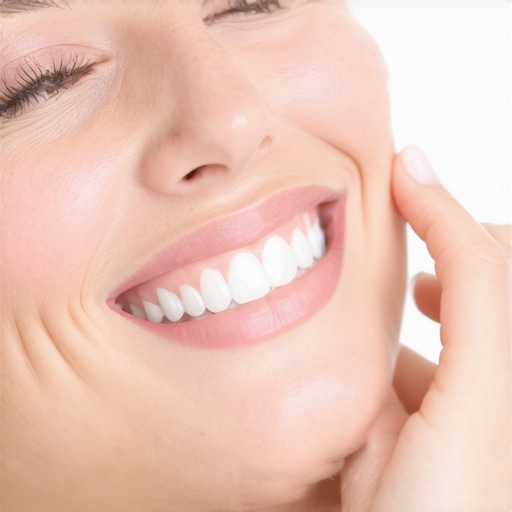
I remember the first time I tried a professional teeth whitening treatment. My excitement turned to discomfort within minutes. That sudden, sharp sensation in my teeth caught me off guard—so much so that I almost regretted going for the procedure. If you’ve experienced that fiery, zingy pain after whitening, you’re not alone. Many people don’t realize that the secret to relief isn’t some complicated remedy but a simple 4-minute trick that changed everything for me.
The Real Reason Sensitive Teeth Strike After Whitening
What caught me off guard was how quickly my teeth went from glowing to painfully sensitive. I soon learned that whitening agents can open dentinal tubules, making teeth more receptive to hot, cold, or sweet stimuli. This sensitivity can last for hours or even days, making it difficult to enjoy your favorite foods or drinks. I found out that many folks, including some dental professionals, underestimate how long this sensitivity can persist and how to effectively manage it. Knowing this was the first step toward my relief.
Prepare Your Teeth Before Whitening
Start by avoiding acidic foods and drinks, like citrus and soda, at least 24 hours before your procedure to minimize irritation. Brush gently with a soft-bristled toothbrush and fluoride toothpaste to strengthen enamel. I made a habit of doing this before my first whitening and noticed less discomfort afterward.
Apply a Sensitive Tooth Desensitizer
Use a desensitizing gel or toothpaste containing potassium nitrate or stannous fluoride 10-15 minutes before and after whitening. For example, I applied a desensitizing gel immediately after my treatment, which significantly reduced my discomfort. Consistent use over a few days helps block nerve endings and calms sensitive areas.
Use Cold Compresses Strategically
Place a cold pack on your cheeks for 10-minute intervals as needed. When I experienced sharp sensations, I wrapped ice in a cloth and pressed it gently against my cheek for quick relief. This method constricts blood vessels, numbing pain and reducing swelling. Remember, never apply ice directly to teeth.
Choose the Right Whitening Products
Opt for lower concentration whitening gels, strips, or syringes designed for sensitive teeth. I found that products labeled for sensitive teeth, like some offered at https://smilegumcare.com/teeth-whitening-secrets-for-a-sparkling-smile-in-2025-at-1248, provided fewer side effects. Always follow instructions carefully to prevent overexposure.
Limit Hot and Cold Foods After Treatment
Post-whitening, avoid very hot or cold foods and beverages for at least 48 hours. I stuck to room temperature water and soft foods for a couple of days, which kept pain at bay. This interval allows enamel to recover and dentinal tubules to close, reducing sensitivity.
Maintain Good Oral Hygiene and Regular Checkups
Brush twice daily with a fluoride toothpaste and floss regularly. Regular visits to a family dentist ensure your teeth remain healthy, as shown in https://smilegumcare.com/family-dentistry-tips-creating-a-healthy-smile-for-your-kids-at-0915. Healthy enamel is less prone to sensitivity, making preventive care vital. Also, consider periodic professional cleanings to remove plaque and tartar that exacerbate sensitivity.
Follow Up with Professional Guidance
If sensitivity persists beyond a few days, consult your dentist. They might recommend topical treatments, specialized toothpaste, or even custom-fitted trays with desensitizing agents. I learned that personalized advice could make a significant difference, preventing discomfort from turning into a long-term issue.
Many people believe they understand teeth whitening, veneers, Invisalign, and family dentistry, but often miss the nuanced realities that can make or break your results. One widespread misconception is that over-the-counter whitening products are just as effective as professional treatments. In reality, DIY options often lack the proper concentration and application techniques, which can lead not only to unsatisfactory results but also to increased tooth sensitivity or even damage. Professionals emphasize customized whitening protocols and high-quality materials for safe, predictable outcomes. Additionally, some assume that veneers are permanent and require no maintenance. While durable, veneers can chip or stain if not properly cared for, and the myth that they are invincible can lead to neglecting oral hygiene. Regular checkups are essential to catch early signs of wear or damage.
How Can You Tell If Your Veneers Are Failing Before It’s Too Late?
Signs include a change in color, rough edges, or increased sensitivity. If you notice any of these, consulting your dentist promptly can prevent more extensive repairs. Remember, even the best veneers aren’t immune to issues, and early intervention saves you time and money. Some also believe Invisalign straightens teeth overnight; in truth, it’s a gradual process that requires patient commitment and proper monitoring. Failing to wear aligners consistently or ignoring discomfort can derail your treatment plan. It’s a common mistake that can increase treatment duration or compromise results. Learn how to enhance compliance and understand the advanced mechanics behind invisible braces by visiting https://smilegumcare.com/invisalign-innovation-invisible-braces-changing-smiles-in-2025-at-1537.
Another nuance often overlooked is the importance of maintaining family dental care routines. Many think that good brushing and flossing are enough, but neglecting regular professional cleanings can lead to plaque buildup and gum disease, which jeopardize aesthetic procedures like veneers or whitening. Regular checkups can detect underlying issues early, saving you from costly repairs down the line. For practical family dentistry tips, explore https://smilegumcare.com/family-dentistry-tips-creating-a-healthy-smile-for-your-kids-at-0915.
Finally, beware of the trap of instant solutions advertised online. Quick fixes may be tempting but often lack scientific backing or professional oversight, increasing risks of damage or long-term complications. The key is to consult qualified dental professionals who tailor treatments to your specific needs, ensuring both safety and longevity of your smile enhancements. Navigating this landscape with informed decisions can significantly elevate your cosmetic dental journey.Maintaining your dental enhancements like teeth whitening, veneers, or Invisalign requires more than just routine brushing. Investing in the right tools can make a significant difference in preserving your results over time. One of my go-to devices is a **sonic toothbrush** like the Philips Sonicare DiamondClean, which I personally use daily because of its superior plaque removal and gentle gum care, especially important after whitening treatments to prevent sensitivity. Regular replacement of toothbrush heads is crucial; I recommend changing mine every three months to ensure optimal cleaning performance and prevent bacteria buildup. For flushing out hard-to-reach areas, I swear by water flossers such as the Waterpik Ultra, which streamline daily flossing and are gentle on gums, reducing the risk of bleeding or irritation. When it comes to aligners or veneers, storing and cleaning are key. I always use a specialized Invisalign cleaner like the Invisalign Cleaning Crystals to maintain clarity and freshness, and I avoid harsh chemicals that can degrade materials. Incorporating an **antimicrobial mouth rinse** like periowash weekly gives extra protection against plaque buildup and keeps breath fresh—I’ve found that it prolongs the integrity of veneers and bonded restorations. Looking ahead, **smart toothbrushes** fitted with Bluetooth, offering real-time feedback, are gaining popularity, and I predict they’ll become essential for personalized oral care routines. How do I maintain my dental work over time? Regular professional checkups are non-negotiable. During appointments, I ask my dentist to assess the wear of veneers and check the fit of Invisalign attachments, ensuring early detection of any issues. Scaling and polishing remove plaque buildup that could compromise whitening or veneer longevity, as explained thoroughly in the dental technology insights at https://smilegumcare.com/privacy-policy. Be proactive—schedule biannual visits and use the right tools consistently to keep your smile shining bright for decades. Don’t forget, investing in advanced cleaning tools like ultrasonic scalers, used expertly during professional cleanings, provides a deeper clean than manual methods alone. Want to extend the life of your smile even further? Try incorporating a **UV sterilizing device** for your toothbrush and aligners, which harness ultraviolet light to eliminate bacteria and fungi, ensuring maximum hygiene. Regular tool maintenance and professional guidance create a synergy that preserves your dental investments—your future self will thank you. Ready to upgrade your routine? Visit our contact page to discuss the best tools tailored for your dental treatments.
Throughout my journey with teeth whitening, veneers, Invisalign, and family dentistry, I’ve discovered that the real lesson isn’t just about achieving a dazzling smile but understanding how to maintain it for years to come. One of the most profound insights I’ve gained is that investing in personalized care and staying informed about your options can dramatically transform your confidence and oral health. Embracing these lessons ensures your smile remains a powerful asset, not just for appearances but for your overall well-being.
Why Personal Attention Trumps One-Size-Fits-All Solutions
Initially, I believed that any whitening gel or veneer treatment would give similar results. However, I soon realized that customized plans, tailored by professionals, yield safer, longer-lasting outcomes. Recognizing the importance of professional guidance, especially when choosing treatments like Invisalign or veneers, was a game-changer. I now advocate for consulting specialists who understand your unique needs, helping you avoid common pitfalls and ensuring your investments truly pay off. For more tailored advice, experts recommend visiting https://smilegumcare.com/privacy-policy.
Small Habits that Make a Big Difference
Simple daily routines, such as using gentle brushes, flossing correctly, and avoiding stain-causing foods, contribute significantly to the longevity of dental work. I learned that incorporating tools like water flossers or sonic toothbrushes amplifies these effects, protecting veneers and whitening results. Regular professional checkups are equally vital—they catch issues early before they escalate. As I discovered, proactive care keeps my smile vibrant and reduces costly repairs, which is why I schedule biannual visits through trusted clinics like those accessible at https://smilegumcare.com/contact-us.
Stay Curious: Keep Learning About Your Smile
The landscape of dental technology is always evolving. For example, new innovations in clear aligners or advanced whitening techniques can offer less invasive, more effective options. I find that reading reputable sources, such as those at https://smilegumcare.com/teeth-whitening-secrets-for-a-sparkling-smile-in-2025-at-1248, keeps me informed and empowered to make choices that align with my goals. Embracing a mindset of continual learning ensures you aren’t left behind with outdated methods, and it helps you spot genuine solutions versus quick fixes that might do more harm than good.
Together, Your Smile and Confidence Can Shine Bright
Remember, maintaining your dental enhancements is an ongoing process that combines professional care with daily habits. It’s about making informed decisions that protect your investments and boost your self-esteem. Whether you’re considering veneers, Invisalign, or teeth whitening, know that quality results come from understanding the nuances and committing to your oral health journey. Your future self will thank you for the effort you invest today.