
Why Your Child’s Gums Look Purple Where a New Tooth Is Coming In
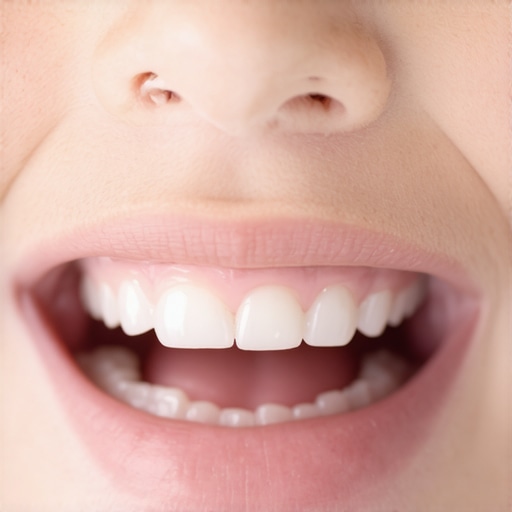
It was late at night when I first noticed it—my child’s gums looked oddly purple where a new tooth was breaking through. Panic set in. Had I missed something serious? That fleeting moment of worry turned into a quest for answers, and let me tell you, what I found was eye-opening. Parents, if you’ve ever stared at your child’s pink gums and wondered about that strange purple hue, you’re not alone. This little color change can be alarming, but understanding what’s behind it can transform your fear into reassurance.
What Your Child’s Gums Are Telling You About Emerging Teeth
The purple tint isn’t just a random color—it’s often a sign of increased blood flow and localized inflammation as the gums make way for the incoming tooth. Think of it like your body’s way of sending extra nutrients and immune cells to the area to help with the eruption process. This process can cause the gums to appear swollen, tender, or tinged with that characteristic purple. It’s very common in toddlers experiencing their first teeth, and knowing this can ease a lot of anxiety.
Is Gums Turning Purple Actually Worth the Hype?
Before you panic and rush to the doctor, it’s worth noting that mild discoloration is typically normal. I made the mistake early on of assuming every purple spot was a sign of something sinister, which led me to unnecessary visits and stress. The truth is, in most cases, this discoloration is simply a part of the natural eruption process. That said, if your child’s gums are accompanied by severe swelling, bleeding, or other unusual symptoms, consulting a dental professional is a wise move.
According to dental health experts, localized redness and purpling are common during teething stages, especially when the new tooth pushes through soft tissue (source: Smile Gum Care). Recognizing these signs and understanding the typical progress can help parents navigate this phase without undue worry.
This initial realization was my first step toward better managing my child’s teething experience. Instead of panic, I learned to observe, comfort, and provide gentle remedies. In the upcoming sections, we’ll explore practical, tried-and-true methods to soothe your child’s gums and ensure that this beautiful milestone in their development is as smooth as possible. If this sounds familiar, keep reading—I promise, you’re not alone, and help is just a few steps away.
Monitor and Calm Your Child’s Gums
First, observe the purple hue without immediately panicking. Gently press the gums near the erupting tooth—if the area feels tender or swollen, it indicates inflammation, which is normal during teething. Use a clean finger or a cold, damp cloth to soothe the area, providing relief. During one instance, I gently rubbed my child’s gums with a chilled, sterile gauze, which instantly calmed the discomfort and reduced redness, making me feel more confident in managing this phase.
Maintain Oral Hygiene with Care
Clean your child’s gums regularly using a soft, damp cloth or a silicone gum massager designed for infants. This helps prevent plaque buildup and promotes healthy tissue. A quick tip: I kept a silicone toothbrush in my bag and used it gently after feedings during car trips, ensuring my child’s gums stayed clean even on the go. Consistent cleaning can reduce inflammation and improve gum appearance over time.
Provide Gentle Relief and Remedies
Over-the-counter teething gels are generally not recommended due to potential risks, but natural remedies like chilled teething rings or cold washcloths work wonders. Place a cold, damp cloth in the freezer for a few minutes and let your child chew on it to numb soreness. I remember freezing a clean washcloth, then handing it to my toddler—watching their face relax as the cold relieved their discomfort. Always supervise to prevent choking.
Adjust Diet to Reduce Irritation
Offer soft, cool foods that don’t require much chewing, such as yogurt or applesauce, to soothe inflamed gums. Avoid acidic or spicy foods that may worsen inflammation. During a particular meal, I made my child cold applesauce, which provided both nourishment and relief. Maintaining a gentle diet minimizes gum irritation and supports healing.
Stay Informed and Seek Professional Advice
If the purple discoloration persists beyond the typical teething period, or if your child’s gums are bleeding or showing signs of infection, consult a dentist promptly. Regular family dentistry check-ups can catch underlying issues early. I scheduled a visit after noticing prolonged discoloration, which reassured me that everything was progressing normally. For expert guidance, family dentistry tips can provide valuable insights tailored for your child’s needs.
Prevent Future Concerns
Consistent oral hygiene, proper diet, and timely dental visits help ensure healthy teeth and gums as your child grows. Educate yourself about teething stages and recognize warning signs of complications. Remember, patience and gentle care are essential during this transformative phase. Keeping a close eye ensures you support your child’s dental health effectively, making teething a manageable milestone rather than a stressful event.
 While many dental marketing messages focus on the surface benefits of veneers, teeth whitening, family dentistry, and Invisalign, true experts understand there are nuanced pitfalls and common misconceptions that can trip up even the most diligent patients. Let’s explore some often-overlooked realities that could save you time, money, and dental discomfort.
Are Cheap Veneers Really a Good Deal in the Long Run?
Many believe that opting for the lowest-cost veneers is a smart financial move, but in reality, cheap veneers often lack durability and natural appearance, leading to frequent replacements and additional costs. High-quality veneers, made from advanced porcelain, provide better aesthetics and longevity, which actually saves money over time. The key is to understand that not all veneers are created equal—skimping on quality can result in a less confident smile and wasted resources.
The Hidden Risks of Whitening With Over-the-Counter Products
It seems convenient to buy whitening strips or gels from the drugstore, but these products can harm your enamel if not used properly. They often contain high peroxide concentrations that, without professional guidance, can cause increased sensitivity and uneven whitening. Expert-approved whitening techniques, such as in-office bleaching, utilize controlled procedures that ensure safety and consistent results. For a deep dive into effective whitening strategies, check out our teeth whitening secrets.
Misconceptions About Family Dentistry
Many patients think family dentistry is just about cleanings and cavity checks, but experienced family dentists focus on comprehensive preventive care that includes early detection of issues like orthodontic problems or decay risk. Overlooking regular check-ups can lead to more invasive treatments later, including complex procedures that could have been avoided. Establishing a relationship with a trusted family dentist ensures your whole family’s dental health remains in top shape. Learn more about building a preventive dental routine in family dentistry tips.
Invisalign’s Real Limitations That Experts Know
Many believe Invisalign is suitable for all orthodontic issues, but advanced cases requiring significant tooth movement may benefit more from traditional braces. Additionally, patients often underestimate the importance of compliance—losing or forgetting to wear aligners can prolong treatment or lead to suboptimal results. While Invisalign offers discreet convenience, understanding its limitations is essential for setting realistic expectations. For the latest innovations and how they influence treatment success, visit Invisalign advancements in 2025.
Beware of Overconfidence in DIY Dental Solutions
The temptation of at-home whitening kits, veneers, or DIY aligner adjustments can seem appealing but often lead to irreversible damage. Poorly executed procedures may cause enamel erosion, gum recession, or improperly aligned teeth, compounding future problems. Consulting a qualified dental professional ensures your treatments are safe, effective, and tailored to your unique needs. Remember, your smile is worth the investment in proper care. Have you ever fallen into this trap? Let me know in the comments.Achieving a stunning smile with veneers, teeth whitening, or Invisalign is only half the journey; maintaining your results requires the right tools and consistent care. Over the years, I’ve refined my toolkit to ensure long-lasting, beautiful smiles for my patients, and I want to share some of the essentials that truly make a difference.
Why I Trust Ultrasonic Dental Cleaners for Daily Maintenance
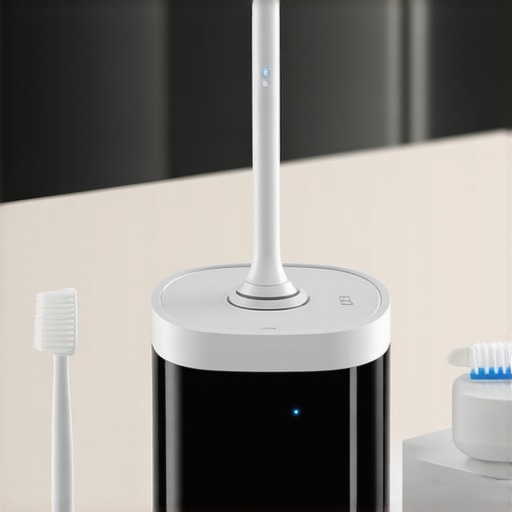
For routine cleaning at home, I highly recommend an ultrasonic dental cleaner like the labeled *Oral-B DeepClean Ultrasonics*. Unlike traditional brushes, ultrasonic devices use high-frequency vibrations to disrupt plaque and biofilm effectively, reaching areas traditional brushes often miss. I personally use this device daily to keep my veneers and natural teeth pristine, especially around the margins where plaque tends to hide. Regular use prevents staining and maintains the integrity of dental restorations. In a future where smart oral health devices become more sophisticated, integrating app-based feedback could predict and prevent issues before they arise, much like innovative **AI-powered toothbrushes** emerging in the market.
Make a habit of using gentle ultrasonic cleaning with a specialized paste like *Crest’s Enamel Repair* or an ADA-approved gel recommended by your dentist. This combo ensures you’re effectively removing debris without damaging sensitive materials—an important consideration when dealing with porcelain veneers or composite bonding. For those wearing Invisalign, such tools keep trays free of deposits, ensuring comfort and hygiene.
Why I Swear by Water Flossers for Long-Term Results
Traditional flossing is vital, but for patients with veneers or crowns, I find water flossers like the *Waterpik Water Flosser* to be game-changers. They deliver pulsating water that cleans along the gumline and around dental work more effectively for many. Personally, I use mine every night after brushing to remove residual particles and prevent inflammation, especially in areas prone to plaque buildup. These devices save time and are gentler on sensitive gums, making adherence easier. As technology advances, I predict that future models will incorporate real-time monitoring, guiding users on pressure levels and areas needing extra attention.
For the best results, combine the water flosser with interdental brushes designed for tight spaces, such as *TePe Interdental Brushes*. These tools give a physical clean that complements water flosser action, especially in hard-to-reach spots under bridges or between teeth with tight contacts.
Keeping Your Teeth Whitening Bright and Veneers Flawless
Long-term maintenance of whitening treatments involves both professional care and at-home habits. I recommend using a whitening pen like *AuraGlow* for touch-ups, particularly after consuming staining foods or drinks like coffee or red wine. For veneers, avoid abrasive toothpaste which can dull their surface—opt for non-abrasive, gentle formulas. Additionally, recent studies, such as those from the American Academy of Cosmetic Dentistry, suggest that incorporating remineralizing rinses like *Remin-Pro* can help preserve enamel integrity after whitening procedures.
To keep your whitening investments looking fresh, consider scheduling professional touch-up sessions every 6-12 months, especially if you’re serious about maintaining brightness. These sessions not only up your smile game but also serve as an opportunity for your dentist to check on your veneers or aligners’ condition.
How Do I Maintain These Tools and Techniques Over Time?
Cleaning and proper storage are crucial to ensuring your tools work effectively and last for years. Rinse ultrasonic tips after each use with warm water and store in a dry, antimicrobial case. Replace water flosser nozzles every 6 months to prevent bacterial buildup. Keep whitening pens and gels in cool, dark places, and avoid exposure to extreme temperatures. Remember, regular dental check-ups allow your dentist to evaluate whether your maintenance routine is effective or needs adjustment. For advanced tips on how to optimize your regimen, you can visit our detailed guide to Invisalign care innovations. Lastly, stay educated about new tools and evidence-based methods—long-term success in dental aesthetics depends on ongoing, informed maintenance.Throughout my journey with veneers, teeth whitening, family dentistry, and Invisalign, I’ve uncovered lessons that transformed my approach and deepened my understanding of dental aesthetics and health. Here are some key insights I wish I had known earlier:
The Unexpected Value of Investing in Quality Over Price
I used to chase the cheapest veneers, thinking it saved me money, but I learned that durability and natural appearance depend on quality materials and craftsmanship. Cutting costs often leads to frequent replacements, which ultimately costs more. Prioritizing high-quality veneers made my smile look genuine and lasted longer, proving that true value lies beyond initial expenses.
Perfection Is a Moving Target—Embrace Gentle Adjustments
I once believed that immediate perfection was possible with the latest whitening gels or aligners. However, patience and small, consistent efforts, like proper maintenance with tools such as ultrasonic cleaners or water flossers, build better long-term results than quick fixes. Recognizing that minor imperfections are natural and manageable has reduced my stress and improved outcomes for my patients.
Communication Is the Secret to Your Best Smile
I realized early on that honest conversations with my dental team and understanding treatments thoroughly helped me make empowered decisions. Whether it’s clarifying what to expect from Invisalign or the longevity of veneers, clear communication ensures alignment of goals and satisfaction. Don’t hesitate to ask questions—your dental team is there to help you achieve a healthy, beautiful smile.
Beyond Aesthetics: The Power of Preventive Care
Investing in routine check-ups and proper at-home care, like gentle gum massage and maintaining tools, can significantly extend the life of veneers and whitenings. Preventive measures are the backbone of enduring results. Regular dental visits keep issues at bay and allow for early intervention, which is often more comfortable and affordable.
Where My Curiosity Led Me Next
Curious about the latest innovations, I explored trusted sources like Invisalign advancements and teeth whitening secrets that pushed my practice further. These resources helped me stay ahead, ensuring my patients receive the best, most up-to-date care. My journey reaffirmed that continuous learning is vital in the ever-evolving world of dental health.
Explore Your Path to Self-Confidence
Remember, your smile is unique and worth nurturing. Investing time, effort, and trusted tools like personalized whitening routines and high-quality veneers can elevate your confidence and well-being. Your diligence today paves the way for a future where your smile is truly your signature. Have you experienced a breakthrough moment with your dental care routine? Share your story below—I’d love to hear about your path to that perfect smile.