
3 Fixes for the Sharp Edge on Your Aligner Tray That Cuts Your Tongue
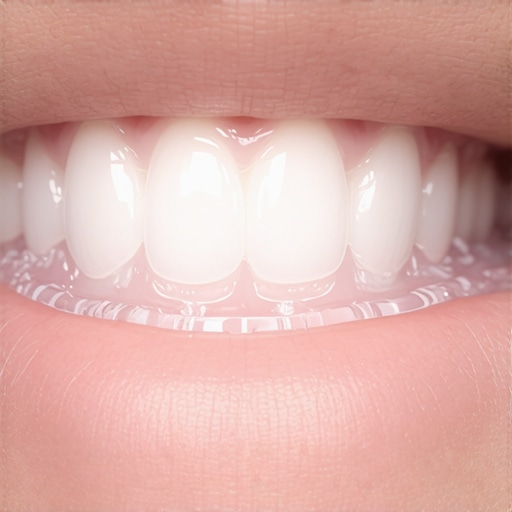
Ever been mid-conversation or just relaxing at home when a sudden jab from your aligner tray makes you wince or even bleed? I remember the first time it happened to me—classical mistake: I ignored that little rough edge, thinking it would smooth out on its own. Spoiler: it didn’t. Instead, it turned into a period of discomfort that disrupted my day and made me dread wearing my aligners. That moment was a real eye-opener about how minor issues can turn into major frustrations if left unaddressed.
Why a Sharp Edge on Your Aligners Can Really Sabotage Your Smile Journey
Aligners are a game-changer in orthodontics—discreet, removable, and designed for comfort. But a tiny snag, like a rough edge, can quickly derail your entire experience. The tongue is incredibly sensitive, and those jagged edges can cause irritation, cuts, or even make you avoid wearing your aligners altogether. According to recent dental research, discomfort is among the top reasons people stop or skimp on aligner wear, which can extend treatment time and affect results.
Are You Overestimating Your Ability to Ignore Small Problems?
Early on, I made the mistake of thinking that a quick bit of fingernail filing would fix my rough edge. Turns out, that only made things worse by creating uneven surfaces that jabbed more! Trust me, if you’ve faced this, you’re not alone. The key is knowing the proper fixes rather than patching it up yourself and risking more damage. Want to learn how to smooth out those pesky edges safely and effectively? Keep reading, because I’ve got three tried-and-true fixes that will save your tongue—and your patience.
Before we jump into solutions, if you’re interested in exploring additional ways to enhance your smile, consider visiting our Invisalign page for the latest on how these modern options can make your journey smoother. Now, let’s dive into the fixes that can make your aligner wear comfortable again!
Identify the Exact Problem Spot
Start by carefully examining your aligners under good lighting, preferably in front of a mirror. Use a fingernail or a dedicated dental pick to gently feel for rough or jagged areas. Remember, pinpointing the precise spot that’s causing discomfort prevents unnecessary file adjustments and ensures safety.
Use Gentle Files and Tools
If you notice a rough edge, opt for a fine-grit orthodontic or dental polishing file designed specifically for aligners. As I learned during my own experience, using irregular files or DIY methods like a nail file can cause uneven surfaces or introduce bacteria. Carefully file down the rough spot in small, gentle strokes, maintaining control to avoid altering the aligner’s shape or damaging it.
Refine with a Controlled Approach
Apply short, light strokes on the rough edge, checking frequently for progress. Think of this process like sanding a piece of wood—you want a smooth, rounded finish, not a polished jewelry piece. During my own fix, I noticed that gradual filing prevented further tearing or warping. Always stop frequently to assess the edge’s smoothness, testing with your fingertip or tongue.
Sanitize Before and After Fixing
After smoothing the edge, wash the aligner thoroughly with warm water and a mild, non-abrasive soap. This step removes any debris or bacteria picked up during the modification. Then, soak the aligner in a denture-cleaning solution as an added antimicrobial step, similar to cleaning your family’s dental tools. Proper sanitation helps prevent infections or irritations caused by bacteria trapped in newly created rough spots.
Test and Reassess Comfort
Insert your aligner back into your mouth to check for comfort and fit. It’s normal to feel a slight difference initially, but it should not cause pain or sharp sensations. If discomfort persists, repeat the filing process cautiously. Remember, the goal is a gentle, smooth edge—not a rounded or blunted surface that compromises alignment.
Know When to Seek Professional Help
In my case, after a couple of attempts, the rough edge was gone, and wearing comfort was restored. However, if you notice persistent sharpness, cracking, or warping, it’s safer to consult your orthodontist. They can professionally reshape or replace the aligner, ensuring your treatment stays on track without risking damage or oral injury. For more tips on managing your orthodontic devices, check out our guide on teeth grinding.
While many believe they know the basics of family dentistry, teeth whitening, Invisalign, and veneers, there are nuanced misconceptions that can impede optimal results. One common myth is that teeth whitening will work instantly and last forever; in reality, factors like diet, habits, and the type of whitening treatment influence longevity significantly. According to a study published in the Journal of Esthetic and Restorative Dentistry, professional whitening options provide longer-lasting results when combined with proper oral hygiene, but they still require maintenance.
Another misconception is that Invisalign aligners are just about aesthetics—many overlook their complex biomechanics and the importance of precise tracking for effective treatment. Advanced cases demand meticulous monitoring; a misstep here can prolong therapy or lead to subpar results. Experts emphasize that consistent wear and regular check-ups are crucial, yet many patients underestimate the importance of compliance.
When it comes to veneers, many assume that they are an easy fix for any aesthetic concern, but the reality involves careful planning regarding thickness, material choice, and the natural tooth structure. Improperly placed veneers can lead to increased sensitivity, uneven bite, or even damage to underlying teeth. A key mistake is opting for ultra-thin veneers without understanding their limitations; they may not withstand chipping or staining as reliably as full-thickness porcelain options.
The “hidden nuance” involves the advanced understanding of how these procedures interact with individual oral environments. For example, some patients with bruxism unknowingly risk damaging veneers or whitening restorations if they don’t address underlying habits. Moreover, many are unaware that certain cosmetic treatments, like veneers, require careful assessment of gum health, as inflammation can compromise aesthetic longevity and cause discomfort.
Fighting these misconceptions requires expert insight. For instance, professionals recommend scheduling regular checkups to ensure that restorations and teeth whitening maintain their effectiveness and health. Exploring our family dentistry tips can help you understand how proper hygiene supports cosmetic outcomes.
In the realm of advanced cosmetic dentistry, understanding the biomechanical and biological nuances is vital to avoiding costly mistakes. For example, overusing whitening agents without professional guidance can lead to enamel erosion, a concern supported by research from the American Dental Association. Similarly, choosing veneers without considering bite dynamics can result in uneven wear and the need for replacement.
Always remember that cosmetic and family dental procedures are not one-size-fits-all. Consultation with experienced dentists ensures personalized treatment plans that consider factors like occlusion, enamel thickness, and lifestyle habits. If you’re curious about how to optimize your smile while avoiding common pitfalls, I recommend learning more about veneers and other advanced treatments.
Lastly, many overlook the importance of holistic dental health—addressing underlying issues like gum health, grinding habits, or decay prevents aesthetic deterioration over time. Regular checkups and tailored advice are your best tools to maintain a radiant, healthy smile. Do you think you’ve fallen into any of these common misconceptions? Let me know in the comments!
Tools I Recommend for Family Dentistry and Cosmetic Procedures
Maintaining a beautiful, healthy smile isn’t just about good brushing habits; it also involves using the right tools and methods to ensure longevity. One of my favorite pieces of equipment is the Sonicare DiamondClean toothbrush. Its ultrasonic vibrations effectively remove plaque, particularly around veneers and whitening treatments, reducing staining and decay risk over time. I’ve personally seen how consistent use of quality electric brushes can prevent gum disease and preserve cosmetic work for years.
For aligner maintenance, I swear by the Invisalign cleaning system, which uses custom-designed tablets and brushes. This combination ensures trays stay odor-free and bacteria-free, preventing discoloration and worsening oral health—something I strongly advise to all my patients. Regular cleaning with these tools has helped many extend their Invisalign benefits without complications.
To monitor oral health more precisely, I utilize digital intraoral scanners. These devices create detailed 3D models of your teeth, allowing me to track subtle shifts or deterioration that might not be noticeable during routine exams. Using this technology has improved my ability to recommend timely interventions, especially for patients with veneers or whitening procedures that require ongoing assessment.
Where are dental tools headed in the future?
Emerging technologies like AI-powered diagnostics and smart toothbrushes integrated with mobile apps will soon revolutionize home care routines. These advances will give patients real-time feedback and personalized advice, promoting better long-term results. For those interested, exploring innovative tools like the latest whitening lasers or biocompatible veneers can be game-changers. For example, seeing how Invisalign innovations are shaping future treatments provides insight into what’s possible.
How do I maintain my dental tools and procedures over time?
Proper sanitation and regular replacement of consumables are critical. I recommend rinsing all aligner and whitening trays daily with mild soap and warm water. For digital tools, professional calibration every year keeps data accurate and reliable. Additionally, scheduling semi-annual professional cleanings ensures that any tools used at home or in-office remain effective and safe, reducing the risk of infection or damage.
Remember, technology is only as good as the care put into it. Investing in high-quality, recommended devices—from sonic toothbrushes to digital scanners—paired with routine maintenance will ensure your smile stays flawless. Want to learn more about how modern equipment can transform your dental health? Visit our contact page for personalized advice and support.
Lessons I Wish I Learned Sooner About Family Dentistry and Cosmetic Choices
- One of the biggest revelations was realizing that every dental device or procedure, from clear aligners to veneers, works best when tailored to my unique oral environment. Blindly following generic advice can lead to unnecessary discomfort or costly adjustments.
- I discovered that proactive maintenance and honest communication with my dentist are invaluable. Don’t wait for issues to escalate; address rough edges or discomforts promptly to stay on track with your smile goals.
- Understanding the science behind treatments like teeth whitening helped me appreciate that longevity depends largely on habits—think diet, oral hygiene, and routine checkups—rather than just the product used.
- Seeing the artistry behind veneers made me realize that aesthetic outcomes depend heavily on precise planning and execution, which only comes with experienced professionals who understand the nuances of natural tooth structure.
My Go-To Arsenal for Smile Success
- High-quality electric toothbrushes like the Sonicare DiamondClean prevent plaque buildup around restorations and keep my smile bright. They’re my first line of defense against staining and decay.
- Professional whitening systems, especially those offered by trusted providers, deliver sustainable results that household products simply can’t match. Regular touch-ups maintain that dazzling effect.
- Digital intraoral scanners are game-changers for monitoring treatment progress discreetly. They allow for early detection of minor shifts, preventing bigger issues down the line.
- Educational resources like expert blogs, including those on Smile Gum Care, help me stay informed about new innovations in Invisalign and veneer techniques, ensuring I make educated choices for my smile.
Your Smile Transformation Awaits Now
Empower yourself with the knowledge to navigate your family dentistry and cosmetic journey confidently. Remember, every step—be it a gentle file or a professional consultation—is a move toward that smile you’ve always dreamed of. Start today, and don’t hesitate to seek expert guidance; your future self will thank you.