
Why Your Teeth Ache When You Switch to a New Aligner Tray
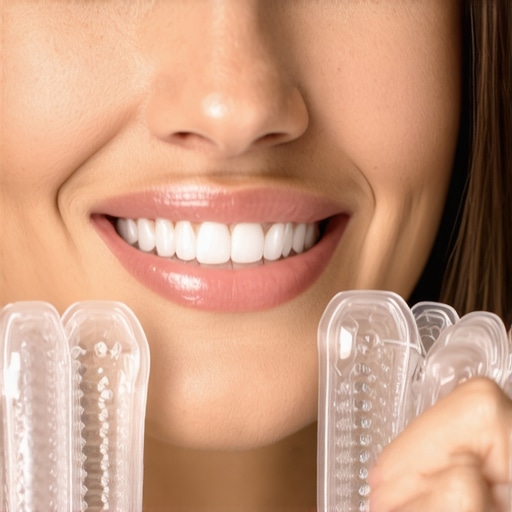
Imagine this: you’re all set to start your new aligner tray, excited about finally leveling up your smile. But as soon as you pop that fresh tray in, a sharp, persistent ache shoots through your teeth. Suddenly, that bright smile feels more like a burden than a blissful transformation. I vividly remember my own moment of frustration—thinking I might have overdone it or messed up somehow. Turns out, this sensation is more common than you might expect, and understanding it can save you a lot of worry.
The Surprising Truth Behind That Dental Discomfort
Switching to a new aligner tray often comes with an unwelcome side effect: teeth pain. This discomfort isn’t necessarily a sign of damage or a serious issue; instead, it’s a sign that your teeth and gums are adjusting to the new pressure being applied. When I first experienced this, I thought my treatment was going off track. Spoiler: it’s usually just the natural process of your teeth moving gradually into their ideal position. In fact, a study published in the Journal of Orthodontics highlights that mild discomfort during aligner therapy is expected and a part of the healing process.
Have You Ever Faced This Problem and Wondered Why?
Early on, I made the mistake of ignoring the discomfort, thinking I should endure it silently. I now realize that not acknowledging these sensations can lead to unnecessary anxiety or even skipping doses of aligners, which can slow down progress. Recognizing the difference between normal adjustment pain and warning signs of a problem is crucial. If you’re experiencing similar issues, you’re not alone—millions of people face this together. Want to learn how to ease that discomfort and keep your orthodontic journey on track? Keep reading, because I’ll share practical tips that helped me—and can help you too.
And if you’re curious about how to ensure your overall dental health while undergoing alignment treatment, feel free to reach out for professional guidance.
Master the Art of Gentle Adjustments
When switching to a new aligner, a common mistake I made was rushing the process. Instead, I placed my tray in gently, pressing down with even pressure. This method minimizes sudden forces on your teeth, reducing pain. To further ease discomfort, try warming your tray slightly with your hands before insertion, making it more flexible. I once experimented with this after experiencing sharp sensations; the warmth helped my teeth adapt gradually, and the pain diminished within minutes.
Apply Targeted Relief Techniques
Use Cold Compresses Effectively
Applying a cold pack to your cheeks can significantly numb pain and reduce inflammation. I kept a bag of frozen peas handy, pressing it against my face for 10-minute intervals when the discomfort spiked. Have a soft cloth between the pack and skin to prevent frostbite. This simple step made a noticeable difference during my early aligner phases.
Try Over-the-Counter Pain Relievers Smartly
Using ibuprofen or acetaminophen can alleviate persistent soreness. I calibrated dosages carefully, following package instructions, and found that taking a painkiller 30 minutes before inserting a new aligner reduced discomfort substantially. Always consult with your dentist before routine use to ensure safety.
Optimize Daily Dental Care Habits
Maintaining good oral hygiene is crucial. Instead of vigorous brushing, I switched to gentle, circular motions with a soft-bristled brush, which prevented irritation of sensitive gums. Additionally, rinsing with warm saltwater thrice daily helped soothe inflamed tissues. Remember, neglecting cleaning can worsen soreness, so consistency is key.
Manage Expectations and Time Your Actions
Discomfort often peaks within the first few days of a new tray and then subsides. Planning routine activities around this can help, such as avoiding hard or sticky foods during peak soreness and scheduling important meetings on days you expect to be more sensitive. I learned to anticipate this pattern, which reduced my anxiety and improved my overall experience.
Seek Professional Advice for Persistent Pain
If pain persists beyond a week or worsens, contact your orthodontist or dentist for assessment. Sometimes, misfitting trays or other issues may be at fault. I once ignored ongoing discomfort, which led to delayed treatment adjustments; subsequent professional guidance quickly resolved the issue, reaffirming the importance of expert support.
By integrating these practical steps—gentle handling, relief techniques, proper hygiene, and professional consultation—you can transform a challenging phase of aligner therapy into a manageable part of your journey toward a perfect smile.
Many people assume they understand the essentials of cosmetic and family dentistry, but beneath the surface lie nuanced misconceptions that can impact your oral health and aesthetics. One prevalent myth is that teeth whitening products are one-size-fits-all solutions. In reality, over-the-counter whitening agents can cause sensitivity or uneven results if not properly tailored to your enamel type. For instance, professional whitening treatments are customized to minimize adverse effects, as highlighted in the [Teeth Whitening Secrets for a Sparkling Smile in 2025](https://smilegumcare.com/teeth-whitening-secrets-for-a-sparkling-smile-in-2025-at-1248). Moreover, many believe that veneers are an easy fix for discolored or chipped teeth. However, improper sizing or placement can result in an unnatural appearance or discomfort, as detailed in [Veneers Made Simple](https://smilegumcare.com/veneers-made-simple-transform-your-tooth-aesthetics-in-2025-at-1822). An overlooked aspect of Invisalign is the importance of compliance; some assume that the trays are purely cosmetic, but inconsistent wear can lead to prolonged treatment times or relapse, emphasizing the need for strict adherence as discussed [here](https://smilegumcare.com/invisalign-innovation-invisible-braces-changing-smiles-in-2025-at-1537). When it comes to family dentistry, a common misconception is that regular dental visits are only necessary when problems arise. In fact, preventive care can save you money and prevent more invasive procedures later, a point reinforced by [Family Dentistry Tips](https://smilegumcare.com/family-dentistry-tips-creating-a-healthy-smile-for-your-kids-at-0915). The real “hidden nuance” is understanding that each treatment involves specific nuances—what works for one patient may not suit another. For example, the risk of gum recession from aggressive whitening, or the subtle differences in the material choices for veneers to match natural translucency, are details that require the expertise of a skilled dentist. Overlooking these nuances can lead to unintended consequences, such as increased sensitivity or aesthetic dissatisfaction. Make sure your smile journey is guided by professionals who recognize these intricacies. Have you ever fallen into this trap? Let me know in the comments.
Maintaining your smile’s brilliance requires more than just routine brushing and flossing. Having the right tools and a strategic approach ensures that your teeth stay healthy, beautiful, and functional for years to come. In this section, I’ll share the specific equipment and methods I personally rely on to keep my dental health on point, especially while undergoing treatments like veneers, Invisalign, or family dentistry routines.
Invest in a Quality Electric Toothbrush
For me, a high-quality electric toothbrush with a timer and pressure sensor has been a game-changer. The Oral-B Genius series, for instance, offers a built-in timer that encourages me to brush for the recommended two minutes, and the pressure sensor alerts me if I brush too hard—protecting my gums and veneers. Unlike manual brushes, electric models provide consistent, vigorous cleaning, reaching those tricky crevices that are often missed. Regular use of such a device helps prevent plaque buildup and reduces the risk of gum disease, preserving my investment in veneers and overall oral health.
Use an Ultrasonic Water Flosser
Daily flossing can be a chore, but my ultrasonic water flosser simplifies the process. I prefer models like the Waterpik Ultra or Aquasonic, which use pulsating water jets to dislodge debris from between teeth and along the gumline. This is particularly beneficial for those with braces, veneers, or implants where traditional flossing might be challenging. The pulsating action not only cleans more effectively but also stimulates circulation, promoting healthier gums over time.
Integrate a Diagnostically Advanced Mouth Rinse
I’m careful to incorporate a mouth rinse that contains fluoride and antimicrobial agents. My go-to is a prescription-strength rinse recommended by my dentist, which helps remineralize enamel and control bacteria, particularly after long days or dental procedures. Using a high-quality rinse reduces the chances of cavities and gum issues, enabling me to maintain my smile’s aesthetics and integrity consistently.
Consider Software for Monitoring Oral Care
In today’s high-tech world, I leverage smartphone apps like Philips Sonicare’s app or even custom-behavior tracking apps to keep an eye on my brushing and flossing routines. These apps often sync with electric brushes, providing detailed feedback, reminders, and progress reports. Over time, I’ve noticed improvements in my oral care habits, which directly contribute to the longevity of my veneers and overall oral health.
Where Do I See This Going in the Future?
As technology advances, I predict we’ll see even smarter devices—think AI-powered toothbrushes that adapt brushing patterns based on your enamel sensitivity or gum health. Integration with dental professionals will become seamless, allowing real-time feedback and personalized advice. Embracing these innovations now can set you up for success in maintaining a healthy, radiant smile for decades.
How do I keep my dental tools working effectively over time?
Routine maintenance is key. Regularly replacing brush heads (every 3 months or sooner if worn), descaling water flossers to prevent mineral build-up, and routinely disinfecting devices ensure these tools remain effective. I also schedule periodic check-ins with my dentist to review my oral hygiene routine, making adjustments as needed. When it comes to veneer longevity and long-term orthodontic results, consistent use and care of your tools can make all the difference. Want to explore more about advanced dental care techniques? Try integrating a smart toothbrush with built-in AI feedback or upgrade your water flosser to a model with multiple spray modes for tailored cleaning. For comprehensive guidance, don’t hesitate to reach out to a professional. Remember, investing in the right tools today protects your smile in the future.
Lessons that Changed My Approach to Teeth Transformation
- I realized that patience truly is a virtue; rushing treatments like veneers or aligners often leads to unnecessary discomfort or mishaps. Embracing a steady pace allowed me to enjoy each phase and appreciate the progress, rather than focusing solely on the end goal.
- Understanding the nuances—such as how certain foods can stain veneers or how specific brushing techniques preserve aligner clarity—made a significant difference. These details, often overlooked, empower you to take control of your dental health.
- Seeking expert advice isn’t a sign of weakness but a proactive step. My conversations with my dentist clarified misconceptions I had about whitening products and family dentistry routines, ensuring I stayed on the right path.
- Investing in quality tools, like an electric toothbrush with pressure sensors, paid off in maintaining the longevity of my veneers and overall oral health. High-quality equipment makes daily routines more effective and less stressful.
- Mindset matters—focusing on the journey rather than just the finish line transformed my experience. Celebrating small wins kept me motivated, whether it was successfully adapting to aligner wear or mastering proper flossing around brackets.
Tools That Elevated My Smile Care
- The Philips Sonicare DiamondClean: Its smart technology and gentle cleaning helped keep my veneers pristine while promoting gum health.
- Waterpik Water Flosser: Making flossing easier and more thorough, especially around braces or implants, without the hassle of traditional floss.
- Teeth whitening strips from trusted brands, complemented by professional whitening sessions, for consistent brightness without sensitivity.
- Educational resources like the Smile Gum Care blog: They provided personalized tips and debunked common myths, reinforcing my confidence in managing my dental journey.
Your Smile Future Starts Today
Every step you take toward enhancing your smile is an investment in your confidence and well-being. Remember, the path to a radiant smile isn’t just about quick fixes but about adopting habits, tools, and mindsets that support your goals for years to come. Whether you’re considering Invisalign, veneers, or family dentistry routines, take action now—your future self will thank you. Curiously, what specific aspect of smile transformation are you most eager to improve or explore next? Share your thoughts below, and let’s continue this journey together.
}#}#}#}#}#}#}#}#}#}#}#}#}#}#}#}#}#}#}#}#}#}#}#}#}#}#}#}#}#}#}#}#}#}#}#}#}#}#}#}#}#}#}#}#}#}#}#}#}#}#}#}#}#}#}#}#}#}#}#}#}#}#}#}#}#}#}#}#}#}#}#}#}#}#}#}#}#}#}#}#}#}#}#}#}#}#}#}#}#}#}#}#}#}#}#}#}#}#}#}#}#}#}#}#}#}#}#}#}#}#}#}#}#}#}#}#}#}#}#}#}#}#}#}#}#}#}#}#}#}#}#}#}#}#}#}#}#}#}#}#}#}#}#}#}#}#}#}#}#}#}#}#}#}#}#}#}#}#}#}#}#}#}#}#}#}#}#}#}#}#}#}#}#}#}#}#}#}#}#}#}#}#}#}#}#}#}#}#}#}#}#}#}#}#}#}#}#}#}#}#}#}#}#}#}#}#}#}#}#}#}#}#}#}#}#}#}#}#}#}#}#}#}#}#}#}#}#}#}#}#}#}#}#}#}#}#}#}#}#}#}#}#}#}#}#}#}#}#}#}#}#}#}#}#}#}#}#}#}#}#}#}#}#}#}#}#}#}#}#}#}#}#}#}#}#}#}#}#}#}#}#}#}#}#}#}#}#}#}#}#}#}#}#}#}#}#}#}#}#}#}#}#}#}#}#}#}#}#}#}#}#}#}#}#}#}#}#}#}#}#}#}#}#}#}#}#}#}#}#}#}#}#}#}#}#}#}#}#}#}#}#}#}#}#}#}#}#}#}#}#}#}#}#}#}#}#}#}#}#}#}#}#}#}#}#}#}#}#}#}#}#}#}#}#}#}#}#}#}#}#}#}#}#}#}#}#}#}#}#}#}#}#}#}#}#}#}#}#}#}#}#}#}#}#}#}#}#}#}#}#}#}#}#}#}#}#}#}#}#}#}#}#}#}#}#}#}#}#}#}#}#}#}#}#}#}#}#}#}#}#}#}#}#}#}#}#}#}#}#}#}#}#}#}#}#}#}#}#}#}#}#}#}#}#}#}#}#}#}#}#}#}#}#}#}#}#}#}#}#}#}#}#}#}#}#}#}#}#}#}#}#}#}#}#}#}#}#}#}#}#}#}#}#}#}#}#}#}#}#}#}#}#}#}#}#}#}#}#}#}#}#}#}#}#}#}#}#}#}#}#}#}#}#}#}#}#}#}#}#}#}#}#}#}#}#}#}#}#}#}#}#}#}#}#}#}#}#}#}#}#}#}#}#}#}#}#}#}#}#}#}#}#}#}#}#}#}#}#}#}#}#}#}#}#}#}#}#}#}#}#}#}#}#}#}#}#}#}#}#}#}#}#}#}#}#}#}#}#}#}#}#}#}#}#}#}#}#}#}#}#}#}#}#}#}#}#}#}#}#}#}#}#}#}#}#}#}#}#}#}#}#}#}#}#}#}#}#}#}#}#}#}#}#}#}#}#}#}#}#}#}#}#}#}#}#}#}#}#}#}#}#}#}#}#}#}#}#}#}#}#}#}#}#}#}#}#}#}#}#}#}#}#}#}#}#}#}#}#}#}#}#}#}#}#}#}#}#}#}#}#}#}#}#}#}#}#}#}#}#}#}#}#}#}#}#}#}#}#}#}#}#}#}#}#}#}#}#}#}#}#}#}#}#}#}#}#}#}#}#}#}#}#}#}#}#}#}#}#}#}#}#}#}#}#}#}#}#}#}#}#}#}#}#}#}#}#}#}#}#}#}#}#}#}#}#}#}#}#}#}#}#}#}#}#}#}#}#}#}#}#}#}#}#}#}#}#}#}#}#}#}#}#}#}#}#}#}#}#}#}#}#}#}#}#}#}#}#}#}#}#}#}#}#}#}#}#}#}#}#}#}#}#}#}#}#}#}#}#}#}#}#}#}#}#}#}#}#}#}#}#}#}#}#}#}#}#}#}#}#}#}#}#}#}#}#}#}#}#}#}#}#}#}#}#}#}#}#}#}#}#}#}#}#}#}#}#}#}#}#}#}#}#}#}#}#}#}#}#}#}#}#}#}#}#}#}#}#}#}#}#}#}#}#}#}#}#}#}#}#}#}#}#}#}#}#}#}#}#}#}#}#}#}#}#}#}#}#}#}#}#}#}#}#}#}#}#}#}#}#}#}#}#}#}#}#}#}#}#}#}#}#}#}#}#}#}#}#}#}#}#}#}#}#}#}#}#}#}#}#}#}#}#}#}#}#}#}#}#}#}#}#}#}#}#}#}#}#}#}#}#}#}#}#}#}#}#}#}#}#}#}#}#}#}#}#}#}#}#}#}#}#}#}#}#}#}#}#}#}#}#}#}#}#}#}#}#}#}#}#}#}#}#}#}#}#}#}#}#}#}#}#}#}#}#}#}#}#}#}#}#}#}#}#}#}#}#}#}#}#}#}#}#}#}#}#}#}#}#}#}#}#}#}#}#}#}#}#}#}#}#}#}#}#}#}#}#}#}#}#}#}#}#}#}#}#}#}#}#}#}#}#}#}#}#}#}#}#}#}#}#}#}#}#}#}#}#}#}#}#}#}#}#}#}#}#}#}#}#}#}#}#}#}#}#}#}#}#}#}#}#}#}#}#}#}#}#}#}#}#}#}#}#}#}#}#}#}#}#}#}#}#}#}#}#}#}#}#}#}#}#}#}#}#}#}#}#}#}#}#}#}#}#}#}#}#}#}#}#}#}#}#}#}#}#}#}#}#}#}#}#}#}#}#}#}#}#}#}#}#}#}#}#}#}#}#}#}#}#}#}#}#}#}#}#}#}#}#}#}#}#}#}#}#}#}#}#}#}#}#}#}#}#}#}#}#}#}#}#}#}#}#}#}#}#}#}#}#}#}#}#}#}#}#}#}#}#}#}#}#}#}#}#}#}#}#}#}#}#}#}#}#}#}#}#}#}#}#}#}#}#}#}#}#}#}#}#}#}#}#}#}#}#}#}#}#}#}#}#}#}#}#}#}#}#}#}#}#}#}#}#}#}#}#}#}#}#}#}#}#}#}#}#}#}#}#}#}#}#}#}#}#}#}#}#}#}#}#}#}#}#}#}#}#}#}#}#}#}#}#}#}#}#}#}#}#}#}#}#}#}#}#}#}#}#}#}#}#}#}#}#}#}#}#}#}#}#}#}#}#}#}#}#}#}#}#}#}#}#}#}#}#}#}#}#}#}#}#}#}#}#}#}#}#}#}#}#}#}#}#}#}#}#}#}#}#}#}#}#}#}#}#}#}#}#}#}#}#}#}#}#}#}#}#}#}#}#}#}#}#}#}#}#}#}#}#}#}#}#}#}#}#}#}#}#}#}#}#}#}#}#}#}#}#}#}#}#}#}#}#}#}#}#}#}#}#}#}#}#}#}#}#}#}#}#}#}#}#}#}#}#}#}#}#}#}#}#}#}#}#}#}#}#}#}#}#}#}#}#}#}#}#}#}#}#}#}#}#}#}#}#}#}#}#}#}#}#}#}#}#}#}#}#}#}#}#}#}#}#}#}#}#}#}#}#}#}#}#}#}#}#}#}#}#}#}#}#}#}#}#}#}#}#}#}#}#}#}#}#}#}#}#}#}#}#}#}#}#}#}#}#}#}#}#}#}#}#}#}#}#}#}#}#}#}#}#}#}#}#}#}#}#}#}#}#}#}#}#}#}#}#}#}#}#}#}#}#}#}#}#}#}#}#}#}#}#}#}#}#}#}#}#}#}#}#}#}#}#}#}#}#}#}#}#}#}#}#}#}#}#}#}#}#}#}#}#}#}#}#}#}#}#}#}#}#}#}#}#}#}#}#}#}#}#}#}#}#}#}#}#}#}#}#}#}#}#}#}#}#}#}#}#}#}#}#}#}#}#}#}#}#}#}#}#}#}#}#}#}#}#}#}#}#}#}#}#}#}#}#}#}#}#}#}#}#}#}#}#}#}#}#}#}#}#}#}#}#}#}#}#}#}#}#}#}#}#}#}#}#}#}#}#}#}#}#}#}#}#}#}#}#}#}#}#}#}#}#}#}#}#}#}#}#}#}#}#}#}#}#}#}#}#}#}#}#}#}#}#}#}#}#}#}#}#}#}#}#}#}#}#}#}#}#}#}#}#}#}#}#}#}#}#}#}#}#}#}#}#}#}#}#}#}#}#}#}#}#}#}#}#}#}#}#}#}#}#}#}#}#}#}#}#}#}#}#}#}#}#}#}#}#}#}#}#}#}#}#}#}#}#}#}#}#}#}#}#}#}#}#}#}#}#}#}#}#}#}#}#}#}#}#}#}#}#}#}#}#}#}#}#}#}#}#}#}#}#}#}#}#}#}#}#}#}#}#}#}#}#}#}#}#}#}#}#}#}#}#}#}#}#}#}#}#}#}#}#}#}#}#}#}#}#}#}#}#}#}#}#}#}#}#}#}#}#}#}#}#}#}#}#}#}#}#}#}#}#}#}#}#}#}#}#}#}#}#}#}#}#}#}#}#}#}#}#}#}#}#}#}#}#}#}#}#}#}#}#}#}#}#}#}#}#}#}#}#}#}#}#}#}#}#}#}#}#}#}#}#}#}#}#}#}#}#}#}#}#}#}#}#}#}#}#}#}#}#}#}#}#}#}#}#}#}#}#}#}#}#}#}#}#}#}#}#}#}#}#}#}#}#}#}#}#}#}#}#}#}#}#}#}#}#}#}#}#}#}#}#}#}#}#}#}#}#}#}#}#}#}#}#}#}#}#}#}#}#}#}#}#}#}#}#}#}#}#}#}#}#}#}#}#}#}#}#}#}#}#}#}#}#}#}#}#}#}#}#}#}#}#}#}#}#}#}#}#}#}#}#}#}#}#}#}#}#}#}#}#}#}#}#}#}#}#}#}#}#}#}#}#}#}#}#}#}#}#}#}#}#}#}#}#}#}#}#}#}#}#}#}#}#}#}#}#}#}#}#}#}#}#}#}#}#}#}#}#}#}#}#}#}#}#}#}#}#}#}#}#}#}#}#}#}#}#}#}#}#}#}#}#}#}#}#}#}#}#}#}#}#}#}#}#}#}#}#}#}#}#}#}#}#}#}#}#}#}#}#}#}#}#}#}#}#}#}#}#}#}#}#}#}#}#}#}#}#}#}#}#}#}#}#}#}#}#}#}#}#}#}#}#}#}#}#}#}#}#}#}#}#}#}#}#}#}#}#}#}#}#}#}#}#}#}#}#}#}#}#}#}#}#}#}#}#}#}#}#}#}#}#}#}#}#}#}#}#}#}#}#}#}#}#}#}#}#}#}#}#}#}#}#}#}#}#}#}#}#}#}#}#}#}#}#}#}#}#}#}#}#}#}#}#}#}#}#}#}#}#}#}#}#}#}#}#}#}#}#}#}#}#}#}#}#}#}#}#}#}#}#}#}#}#}#}#}#}#}#}#}#}#}#}#}#}#}#}#}#}#}#}#}#}#}#}#}#}#}#}#}#}#}#}#}#}#}#}#}#}#}#}#}#}#}#}#}#}#}#}#}#}#}#}#}#}#}#}#}#}#}#}#}#}#}#}#}#}#}#}#}#}#}#}#}#}#}#}#}#}#}#}#}#}#}#}#}#}#}#}#}#}#}#}#}#}#}#}#}#}#}#}#}#}#}#}#}#}#}#}#}#}#}#}#}#}#}#}#}#}#}#}#}#}#}#}#}#}#}#}#}#}#}#}#}#}#}#}#}#}#}#}#}#}#}#}#}#}#}#}#}#}#}#}